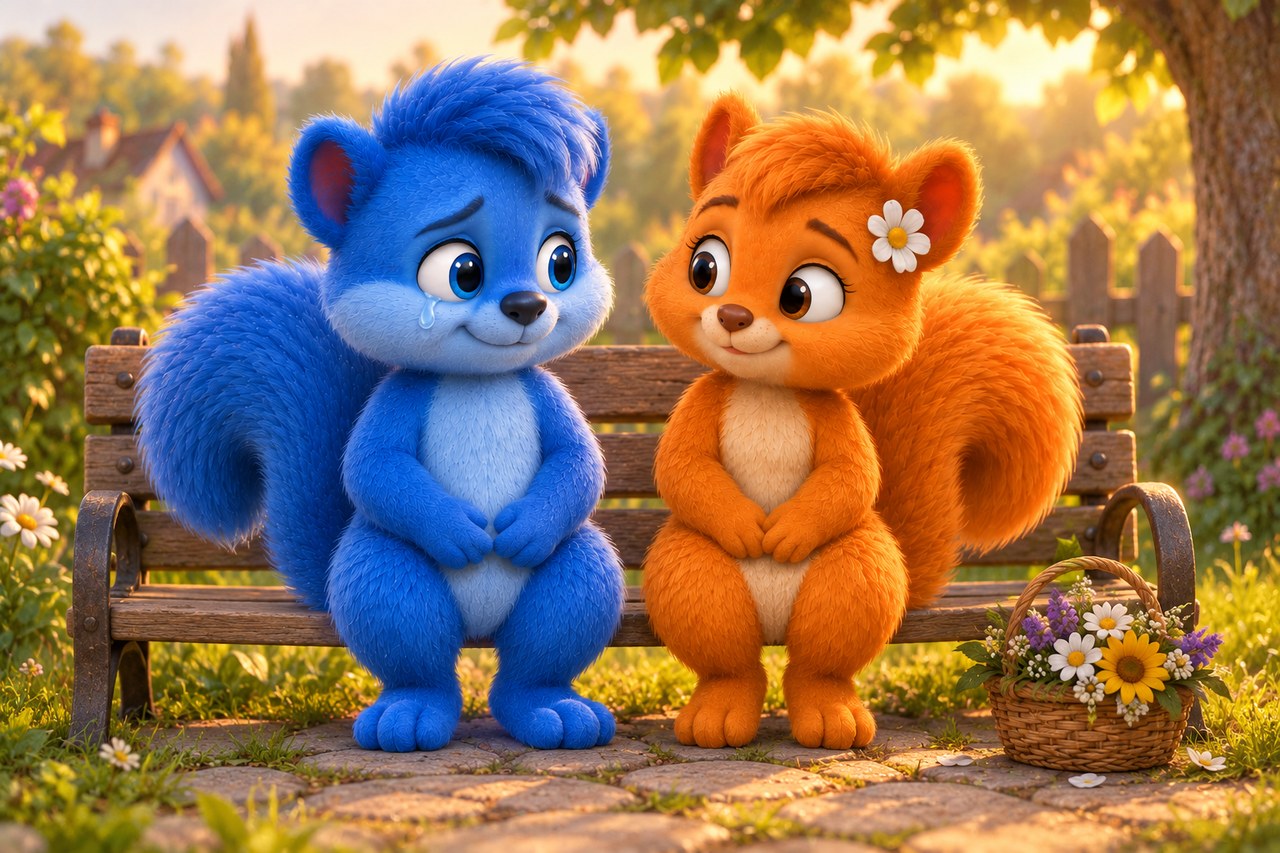
Can I feel happy and sad at the same time?
Yes. Joy and sadness can be present together, for example when saying goodbye before a welcome new beginning.
Open learning page →Your choices apply to all pages in this browser.
Explore feelings, listen and learn together.
Yes. Joy and sadness can be present together, for example when saying goodbye before a welcome new beginning.
Open learning page →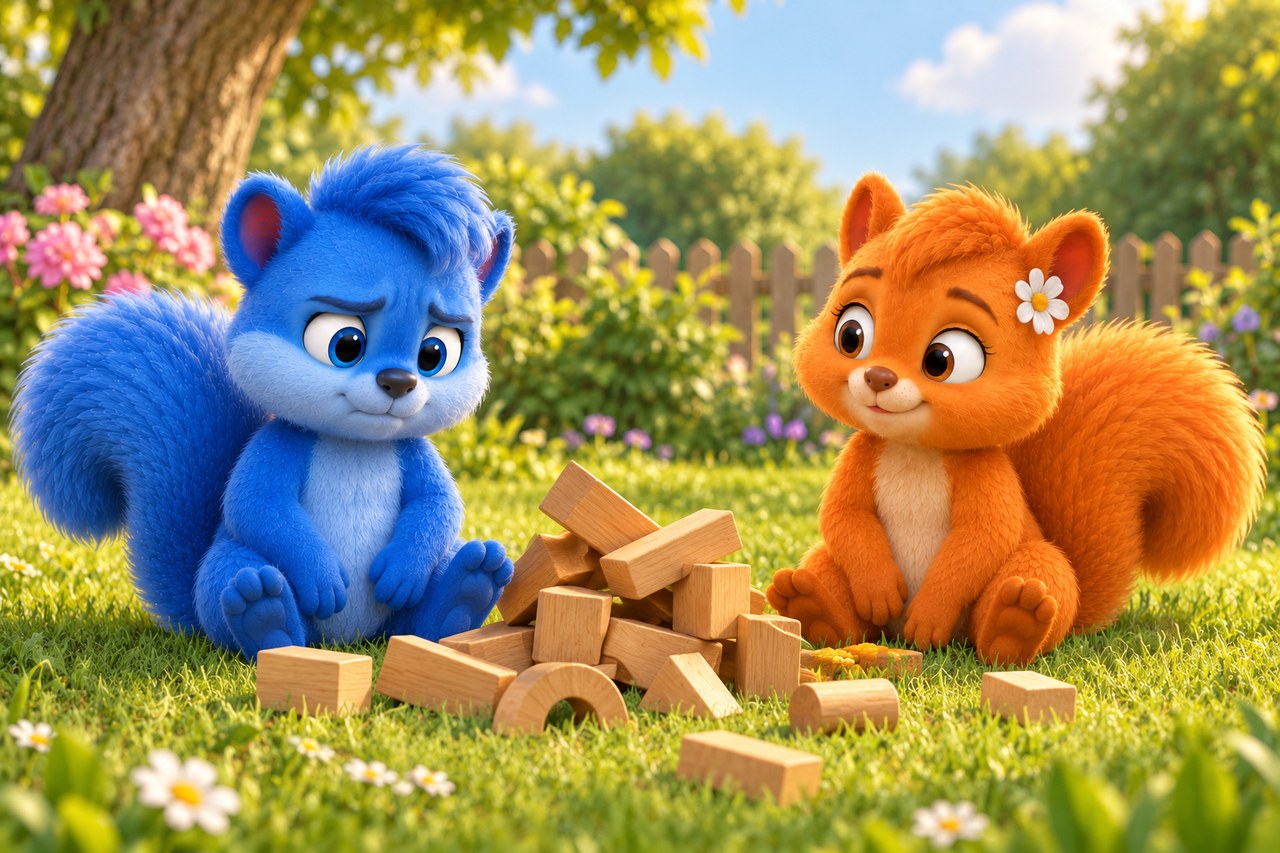
Space, a pause and words may help with anger. What works varies.
Open learning page →
Fear can alert you to possible danger. It can also arise around something unfamiliar that is not dangerous.
Open learning page →
Waiting may be easier when you know what you are waiting for and what you can do meanwhile. A small activity or support may help.
Open learning page →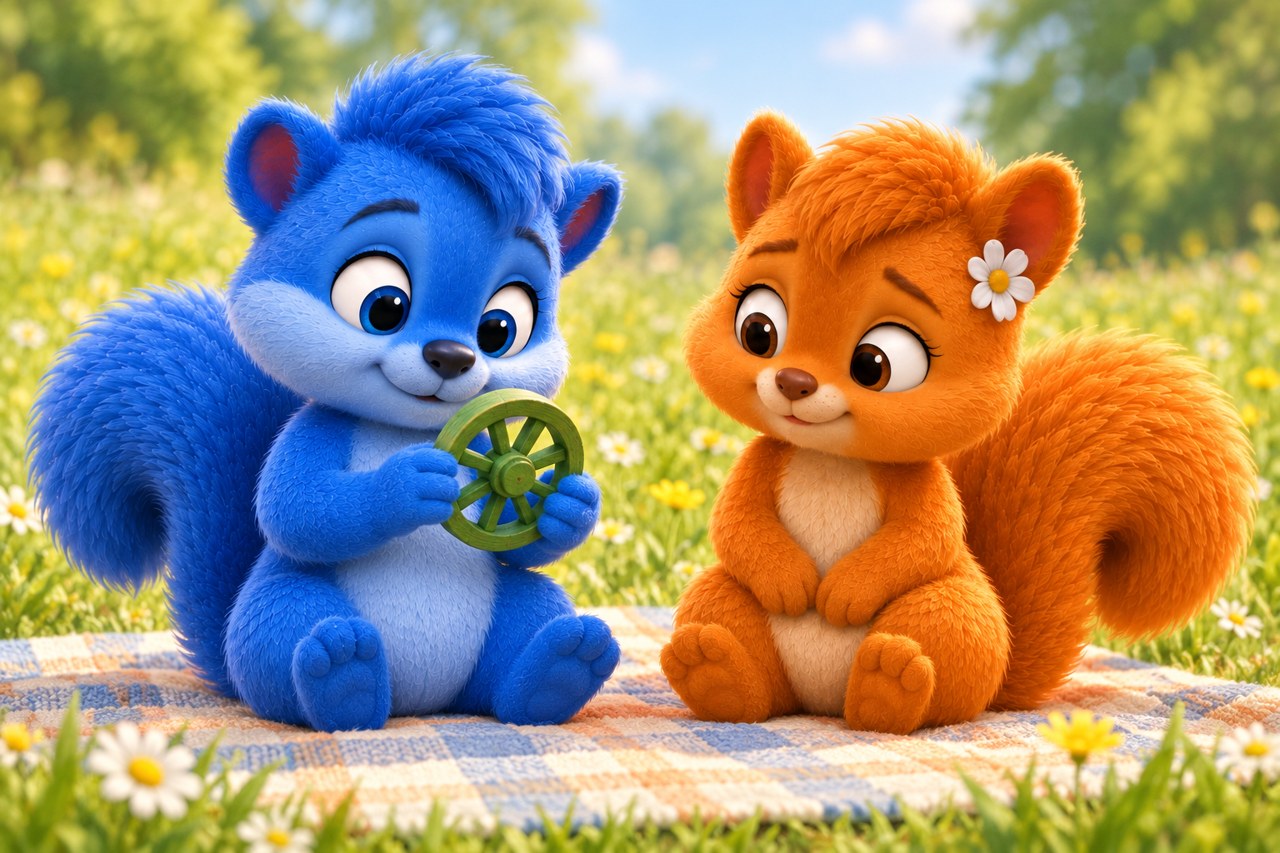
Envy can arise when someone has or can do something you wish for too. The feeling is allowed.
Open learning page →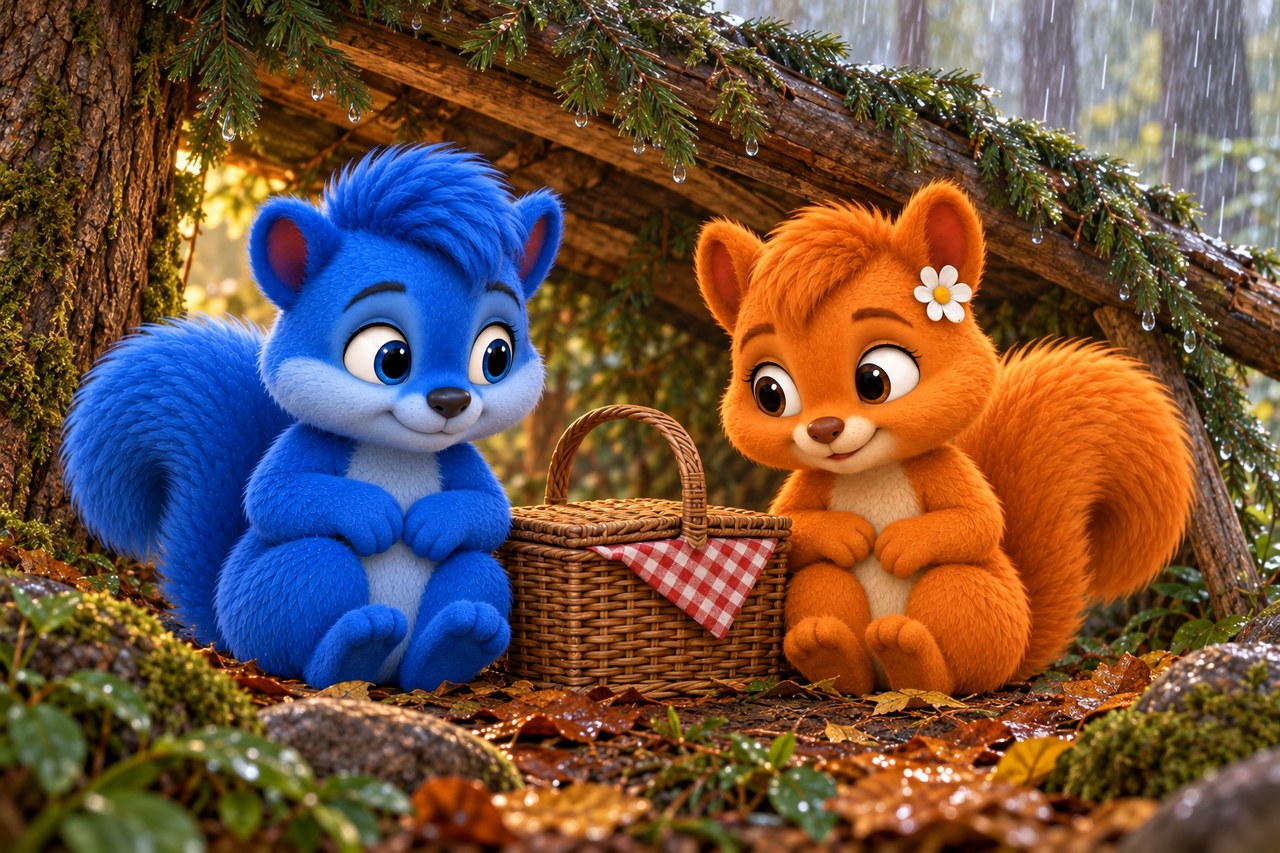
Disappointment happens when things turn out differently from what you hoped. You may feel sad or angry.
Open learning page →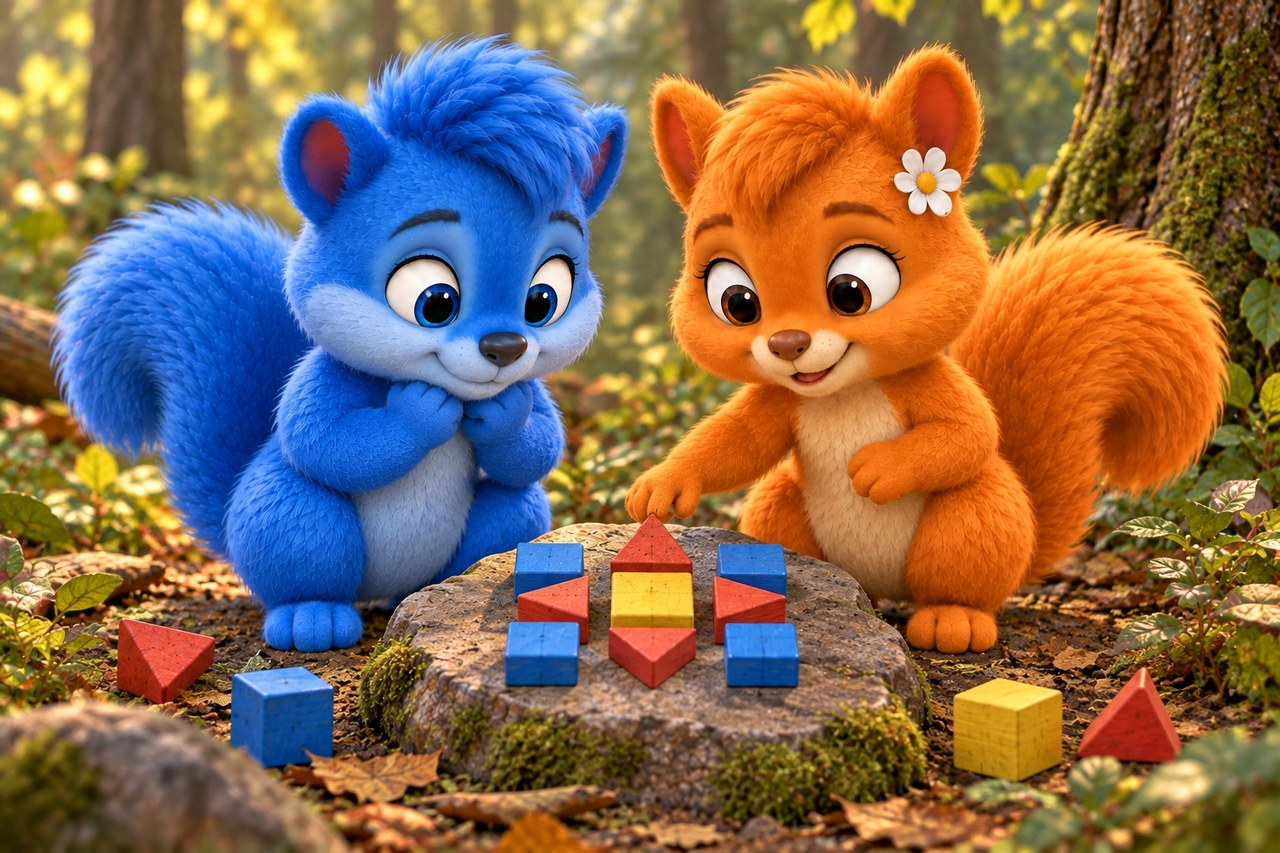
Pride can mean feeling pleased about a step that matters to you. You do not have to be better than someone else.
Open learning page →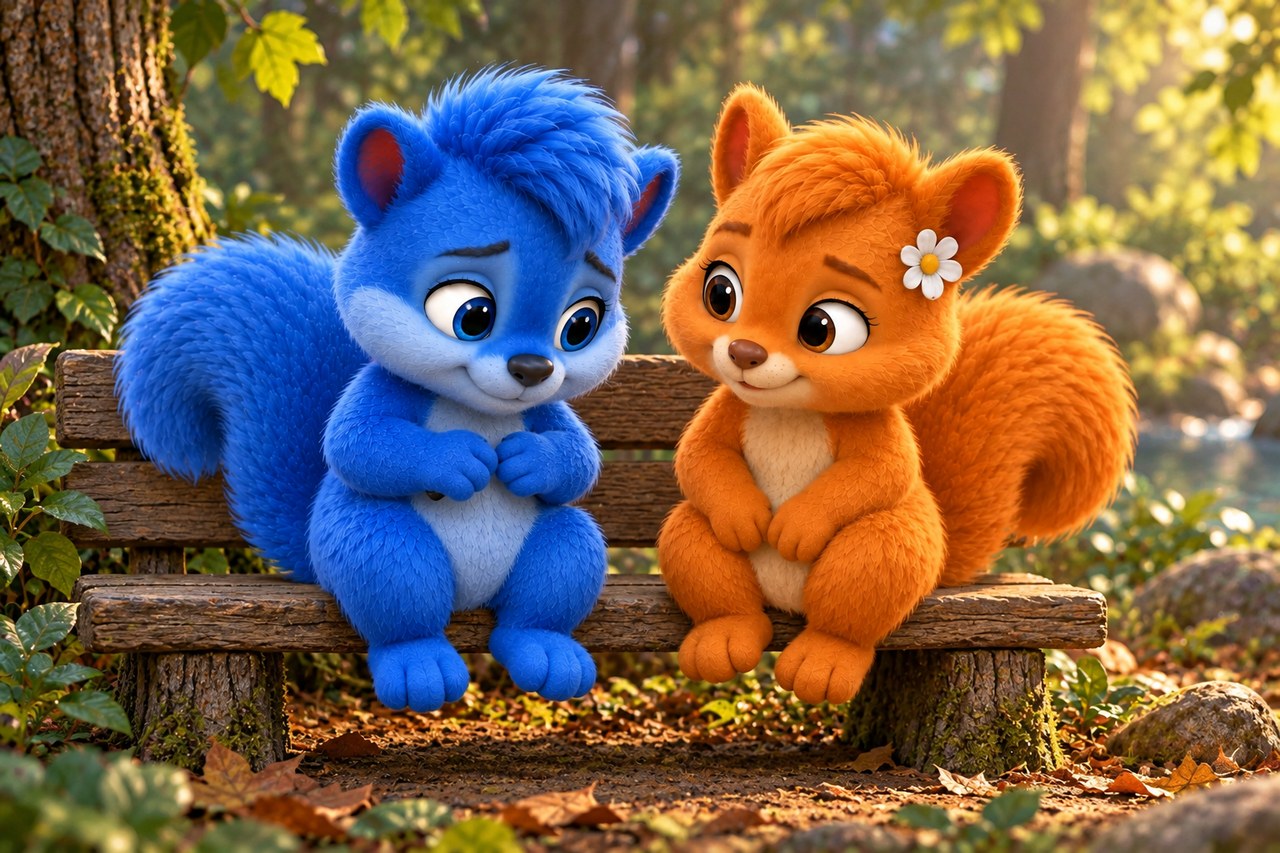
Shame can feel as though other people are watching or judging you unpleasantly. That feeling does not prove they think badly of you.
Open learning page →
Shared joy means feeling happy because something good happened to someone else. Listening or congratulating them can show it.
Open learning page →
Boredom can mean an activity does not engage you or you have no idea what to do. A suggestion or a break may help.
Open learning page →
After an argument, first becoming calmer and hearing different wishes can help. Then you can take responsibility and seek a suitable solution.
Open learning page →
Yes. Friends do not have to like all the same things.
Open learning page →
Fairness means considering needs and rights. Equal amounts may be fair; sometimes someone needs different support.
Open learning page →
Kindly ask whether the person wants company or help. You can invite them and stay beside them.
Open learning page →
Listening means giving someone attention. Let them finish and ask if something is unclear.
Open learning page →
A compromise seeks a solution that considers different wishes. First listen, then consider taking turns or a new shared idea.
Open learning page →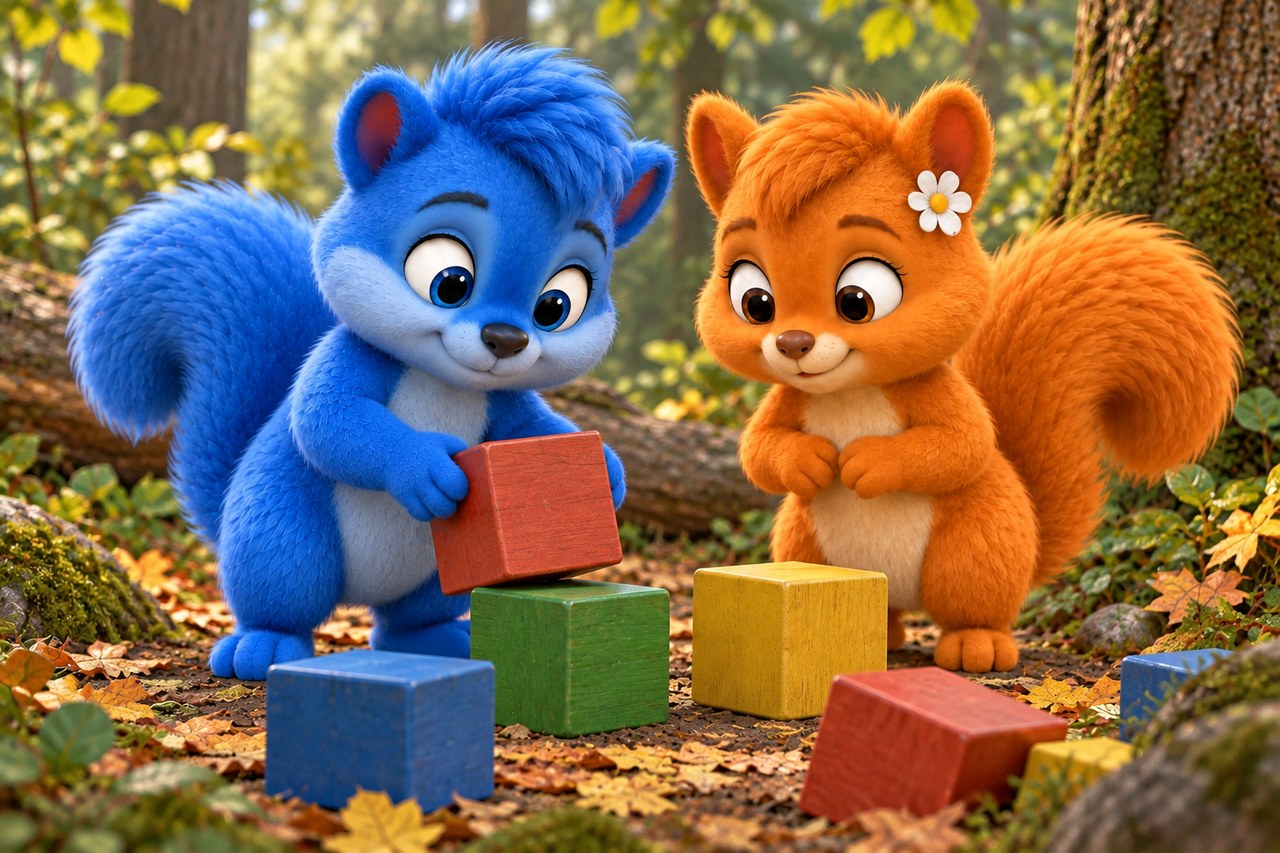
A helpful apology names what happened and takes responsibility. Listening and making amends can be part of it.
Open learning page →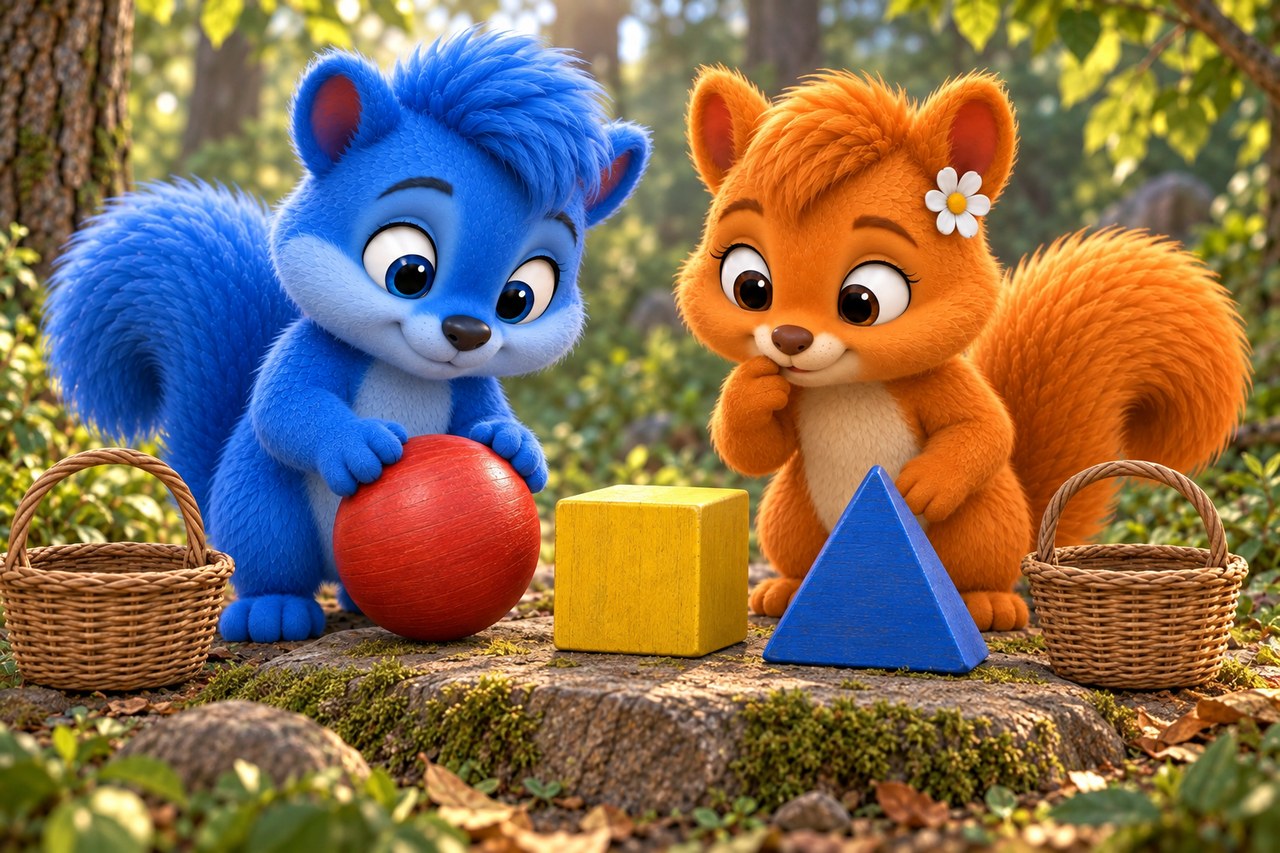
Sharing fairly means finding an understandable agreement. If something is left over, taking turns may help.
Open learning page →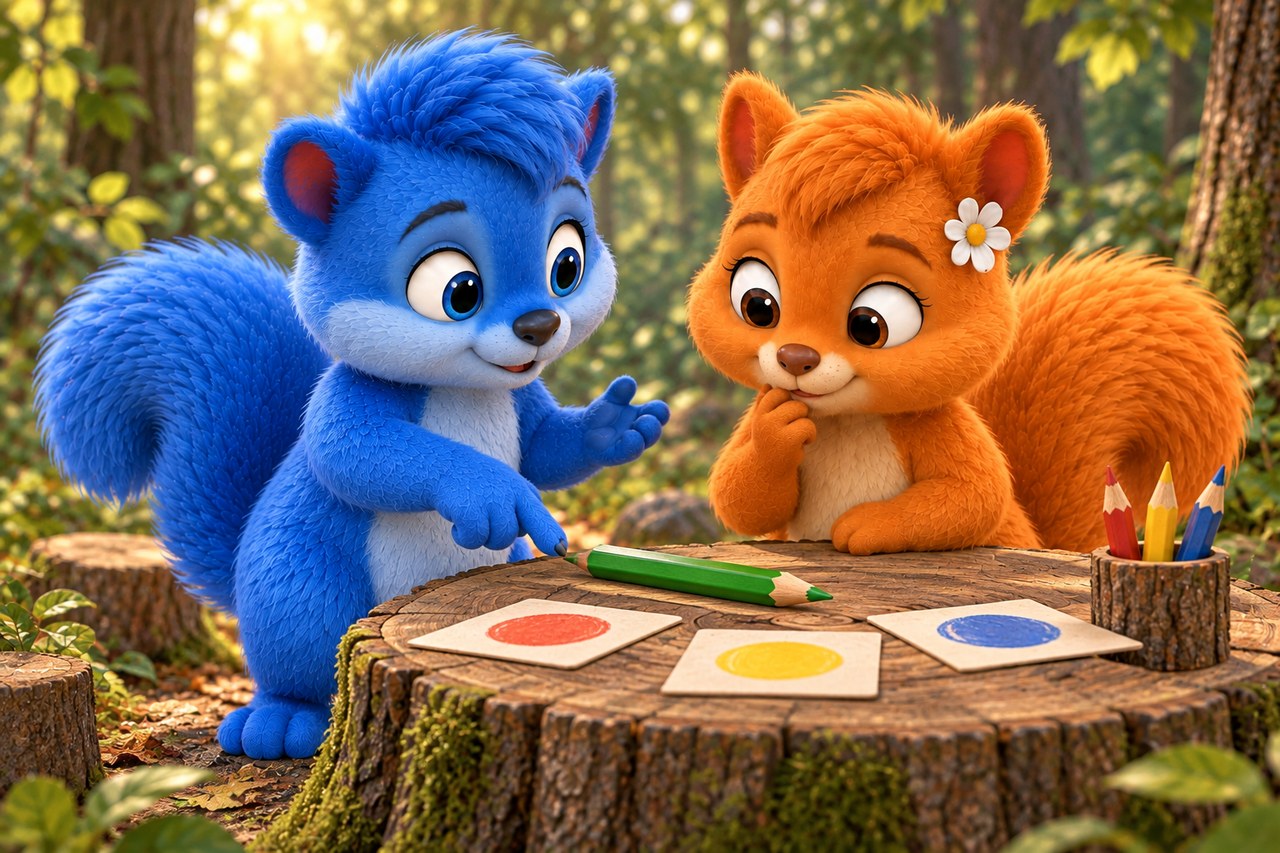
Ask before borrowing because the item belongs to someone else. They may say yes or no.
Open learning page →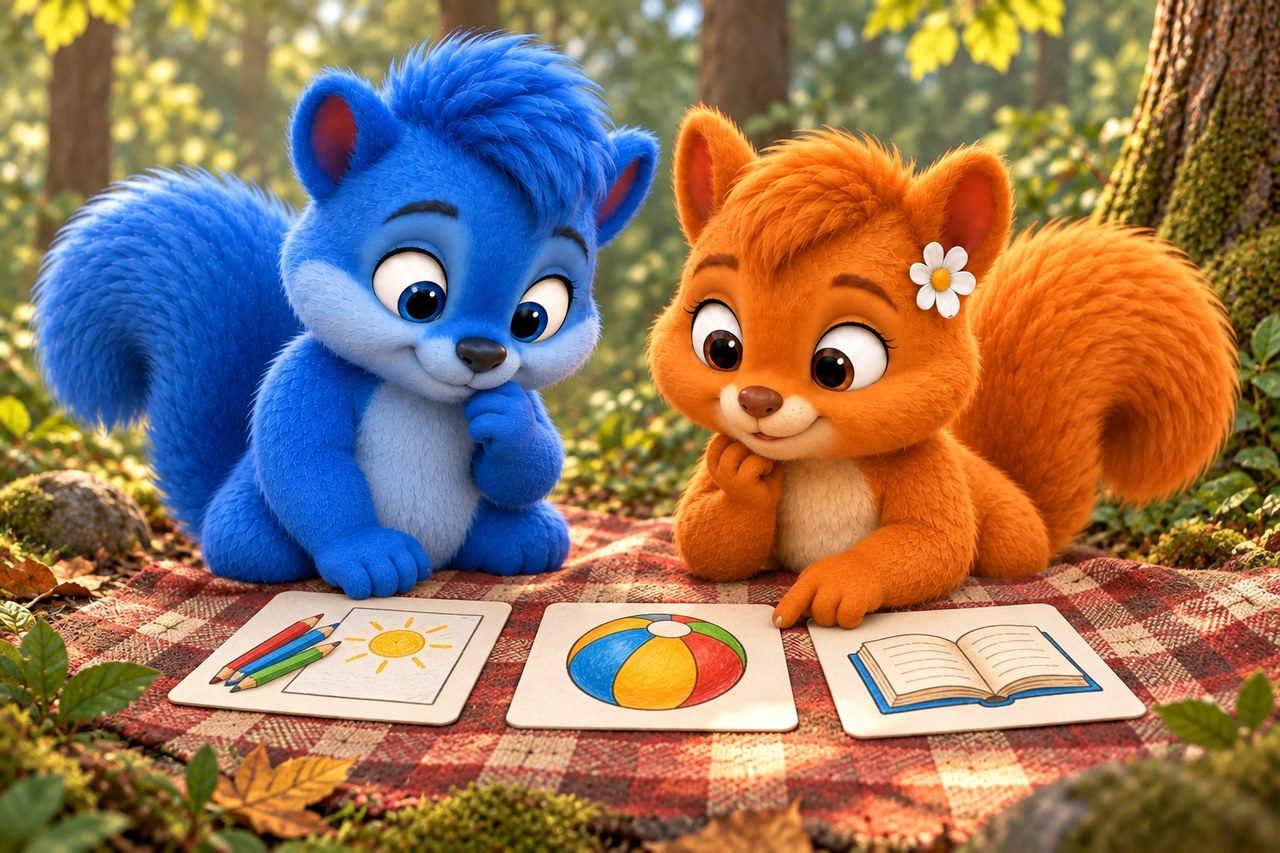
Deciding together starts with listening: what are the ideas and reasons? For a game, you might vote or take turns.
Open learning page →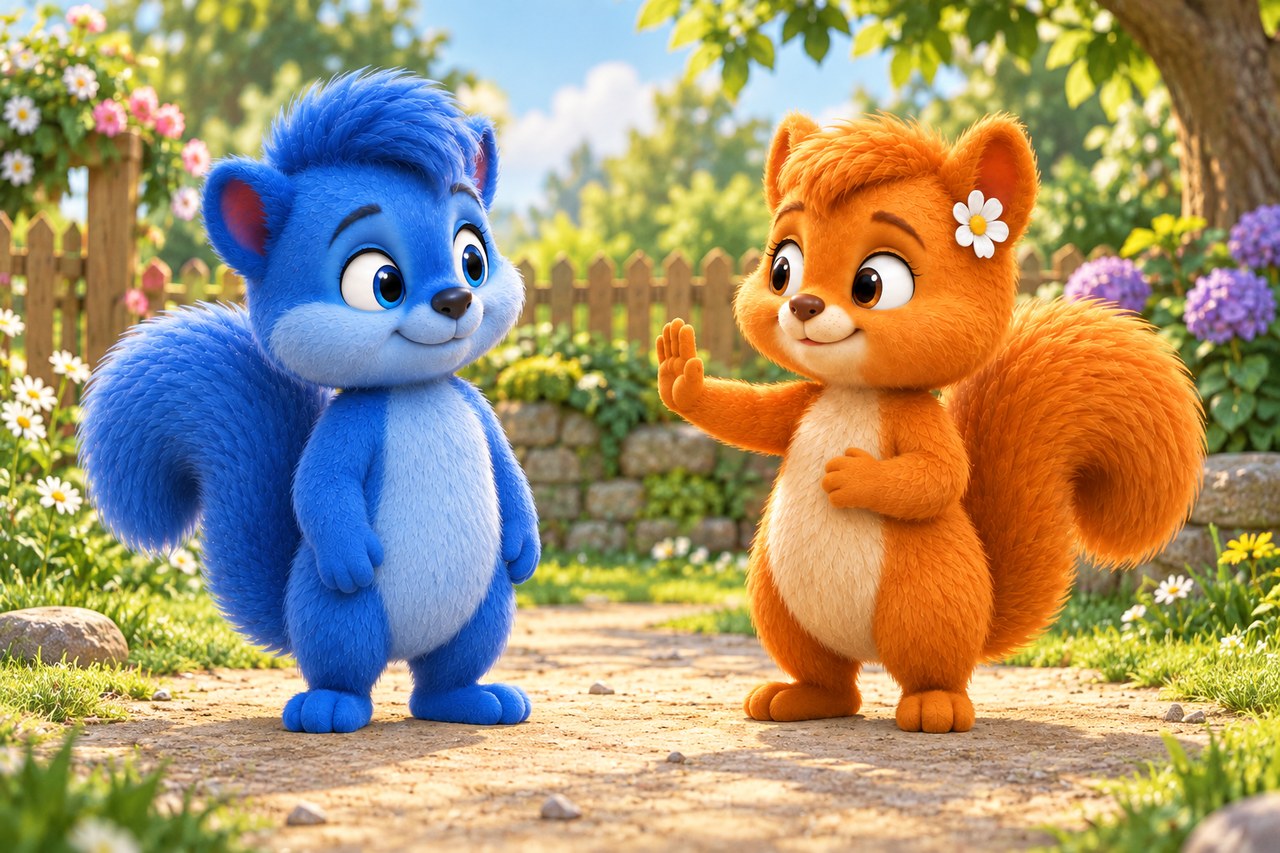
Yes. You may refuse unwanted closeness and touch, including from people you know.
Open learning page →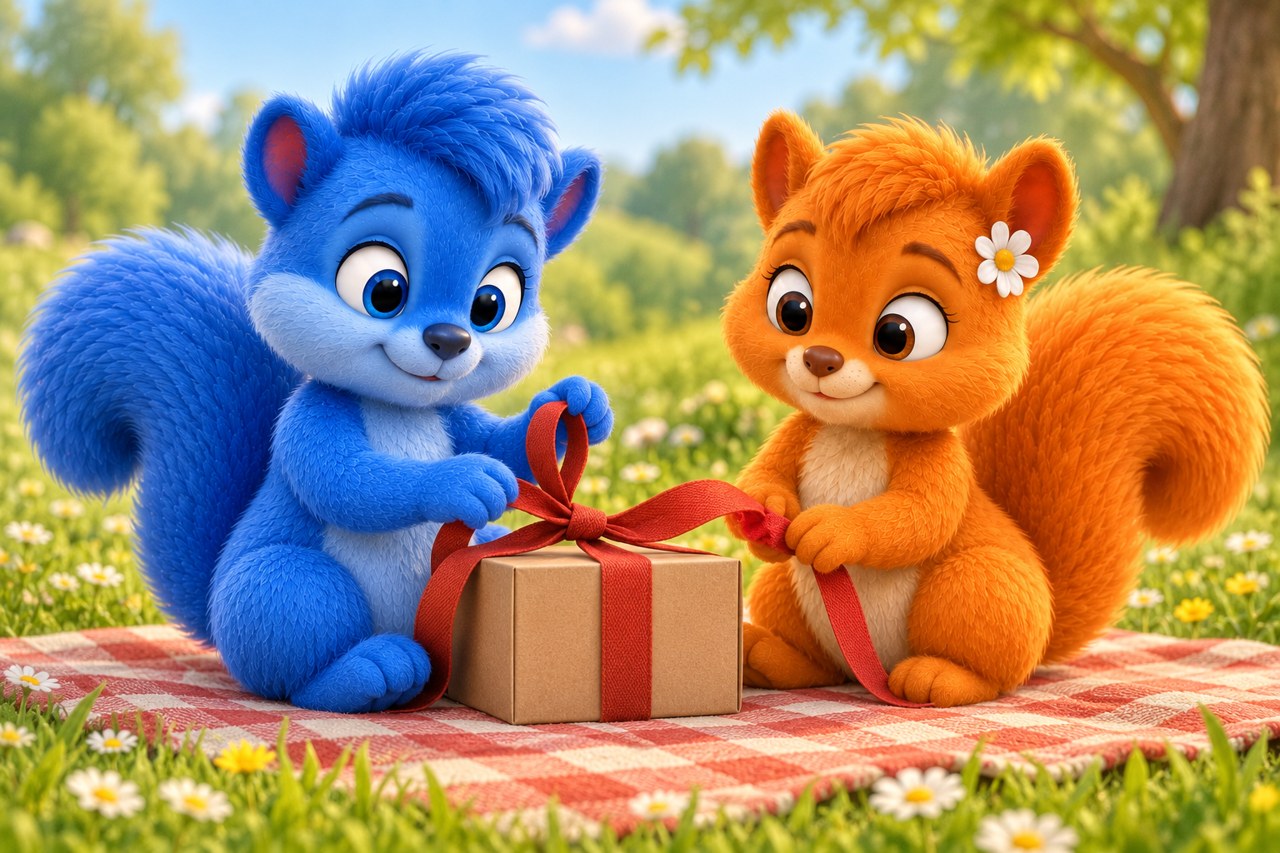
You can say or show which step needs help. Ask someone you trust and describe the difficulty as clearly as possible.
Open learning page →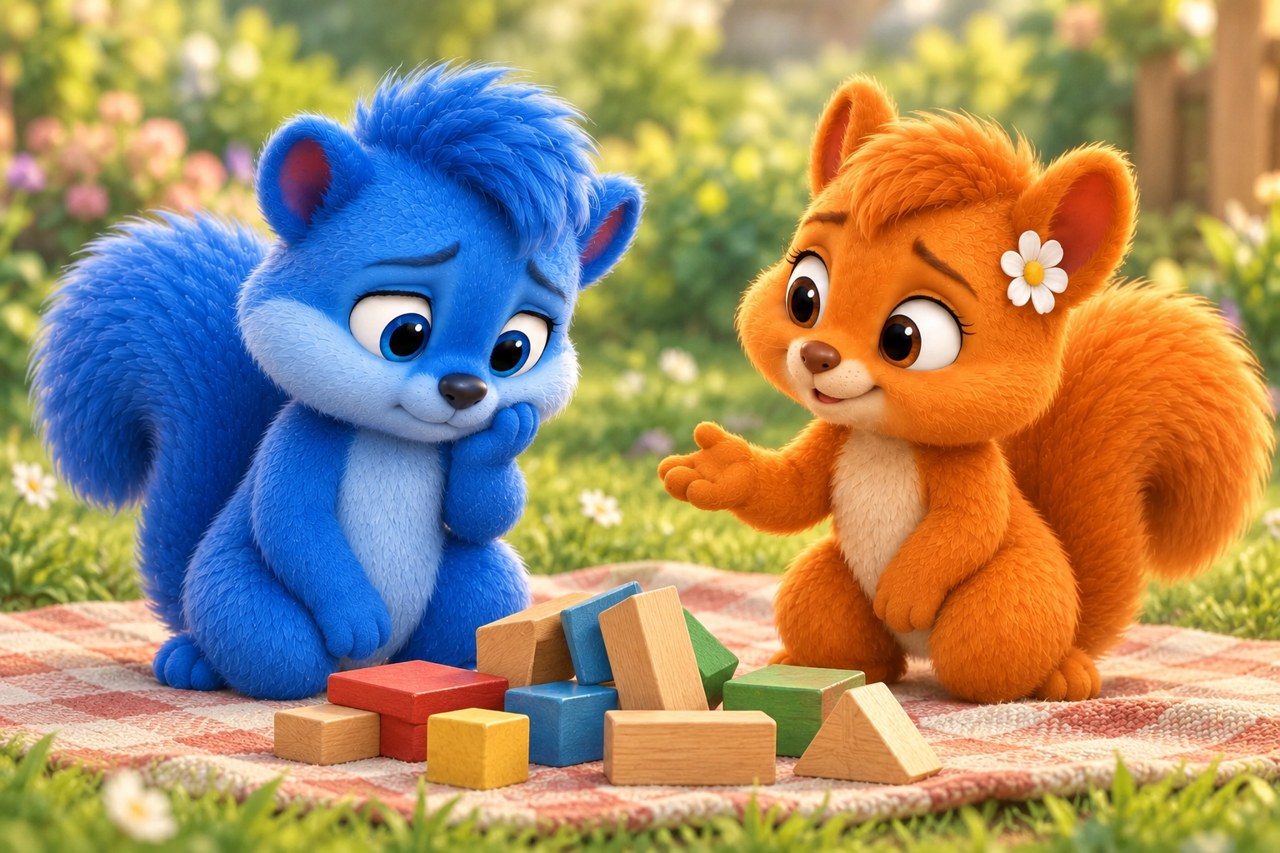
After a mistake, pause, look at what happened and choose a small next step. If someone was affected, take responsibility.
Open learning page →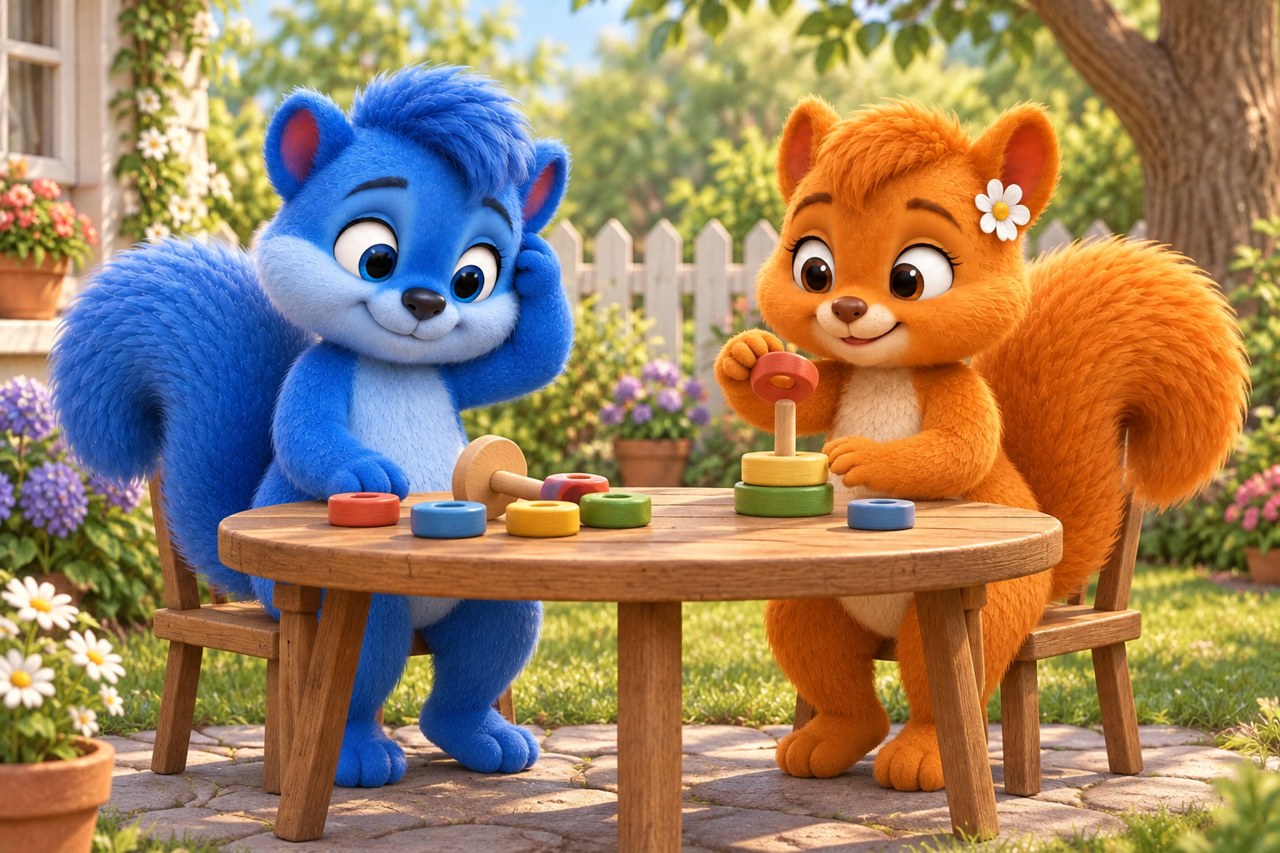
No. New skills take time, suitable support and practice.
Open learning page →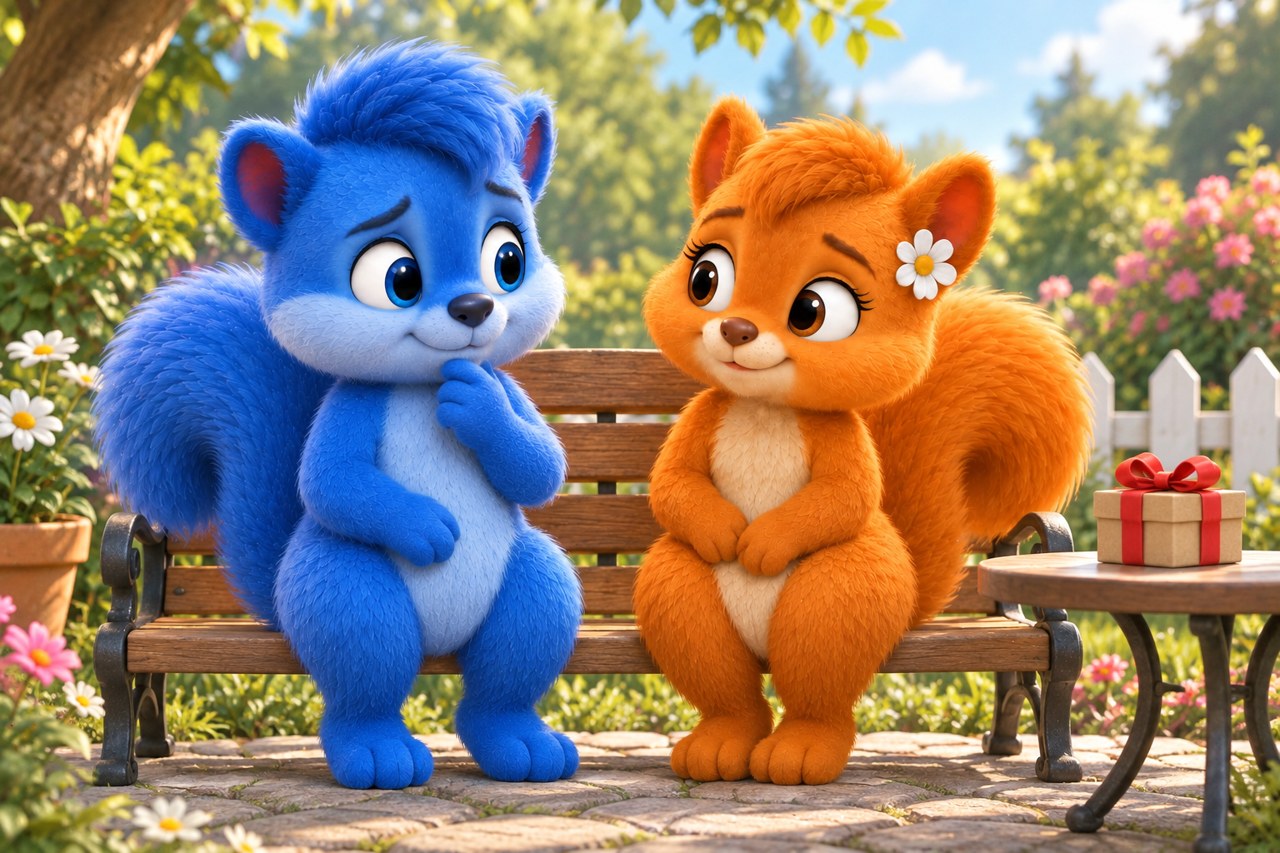
A surprise is usually revealed later. A secret may instead feel burdensome or frightening.
Open learning page →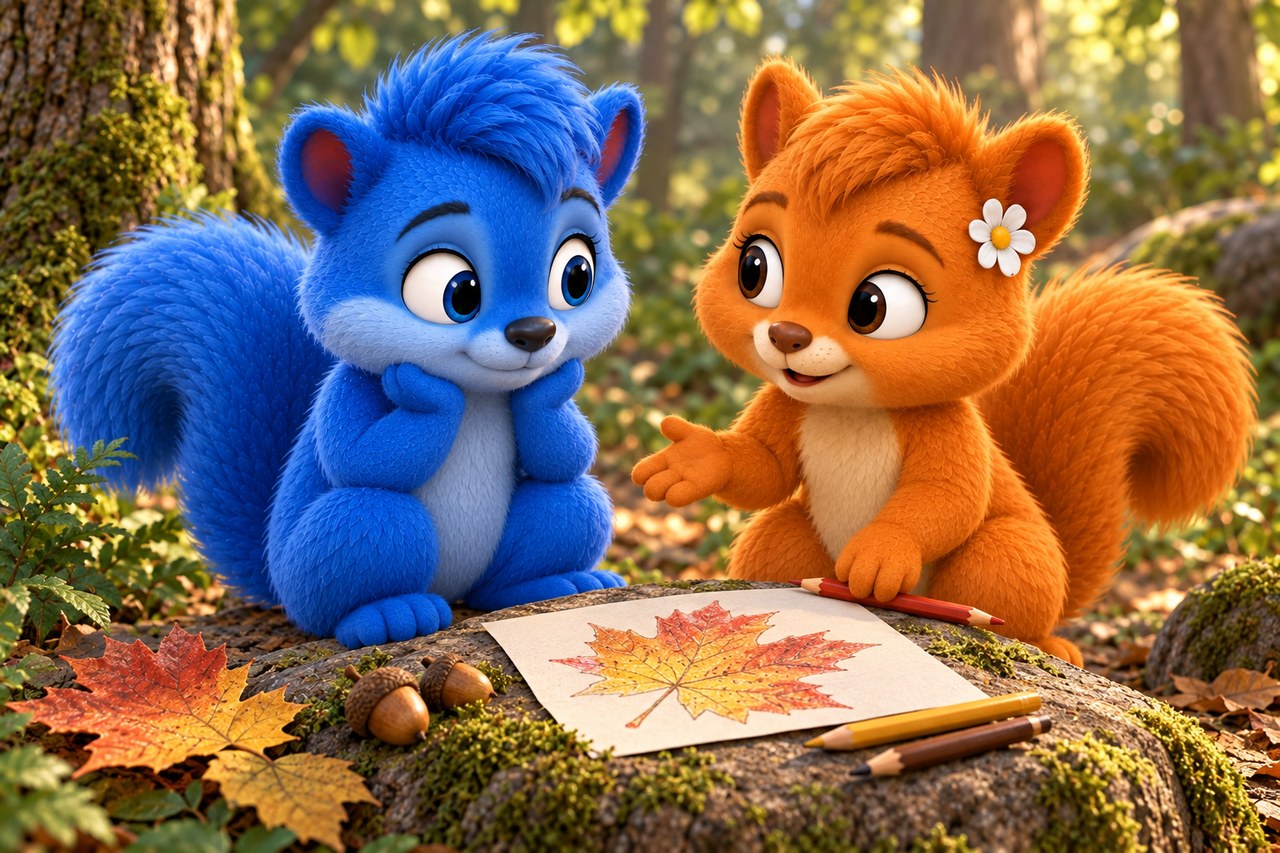
You may change your mind after learning something new or feeling differently. Let others know about shared plans when possible.
Open learning page →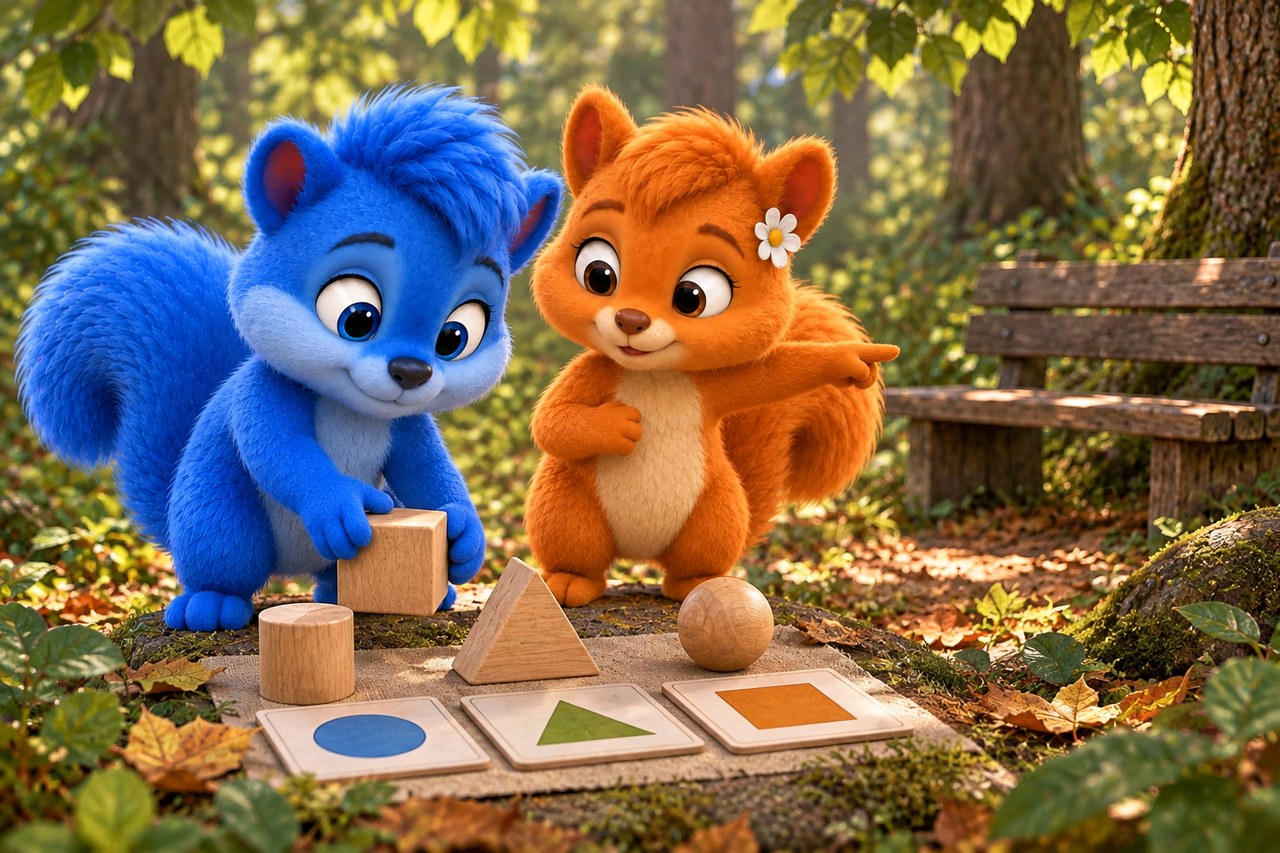
Tiredness, restlessness or difficulty paying attention can suggest you need a break. You may pause before that too.
Open learning page →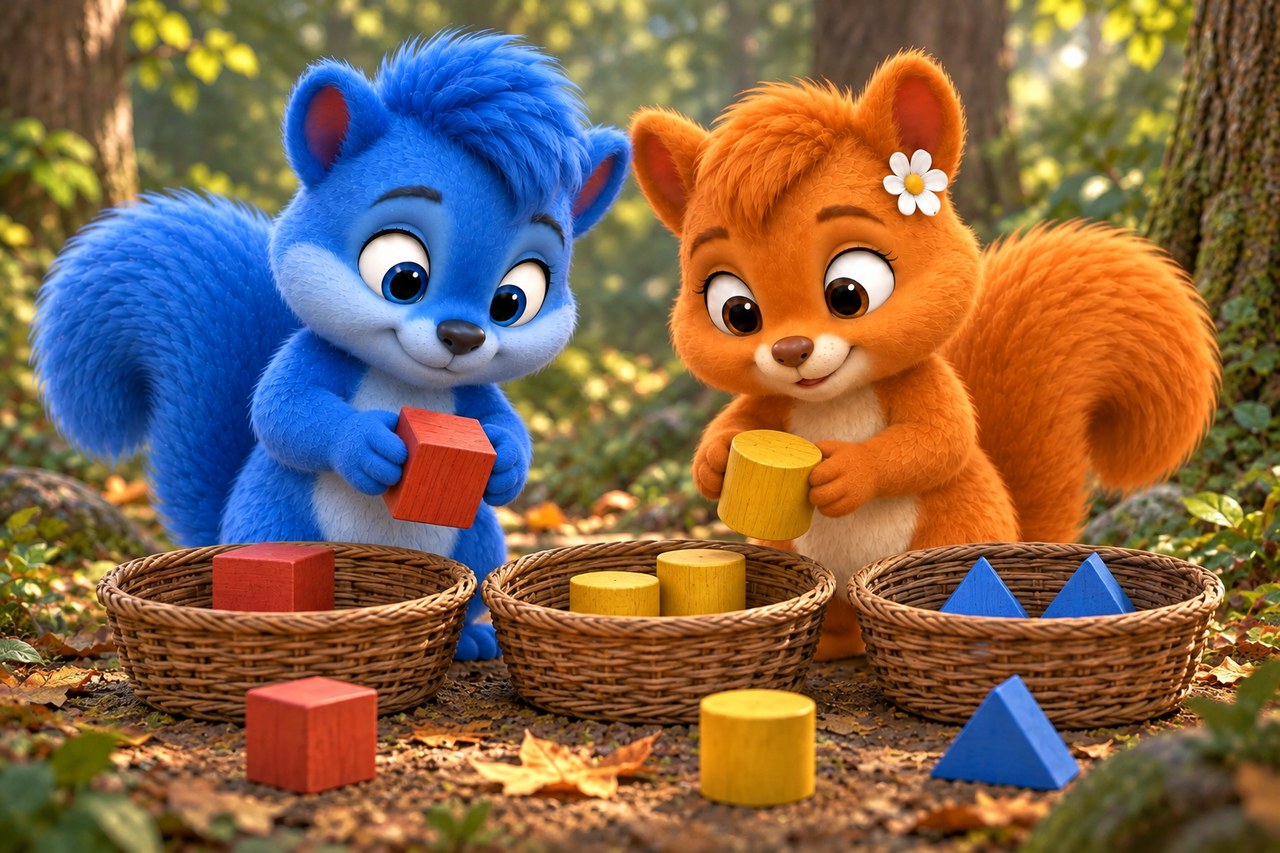
A large task becomes clearer when you split it into small parts. Choose one manageable first step.
Open learning page →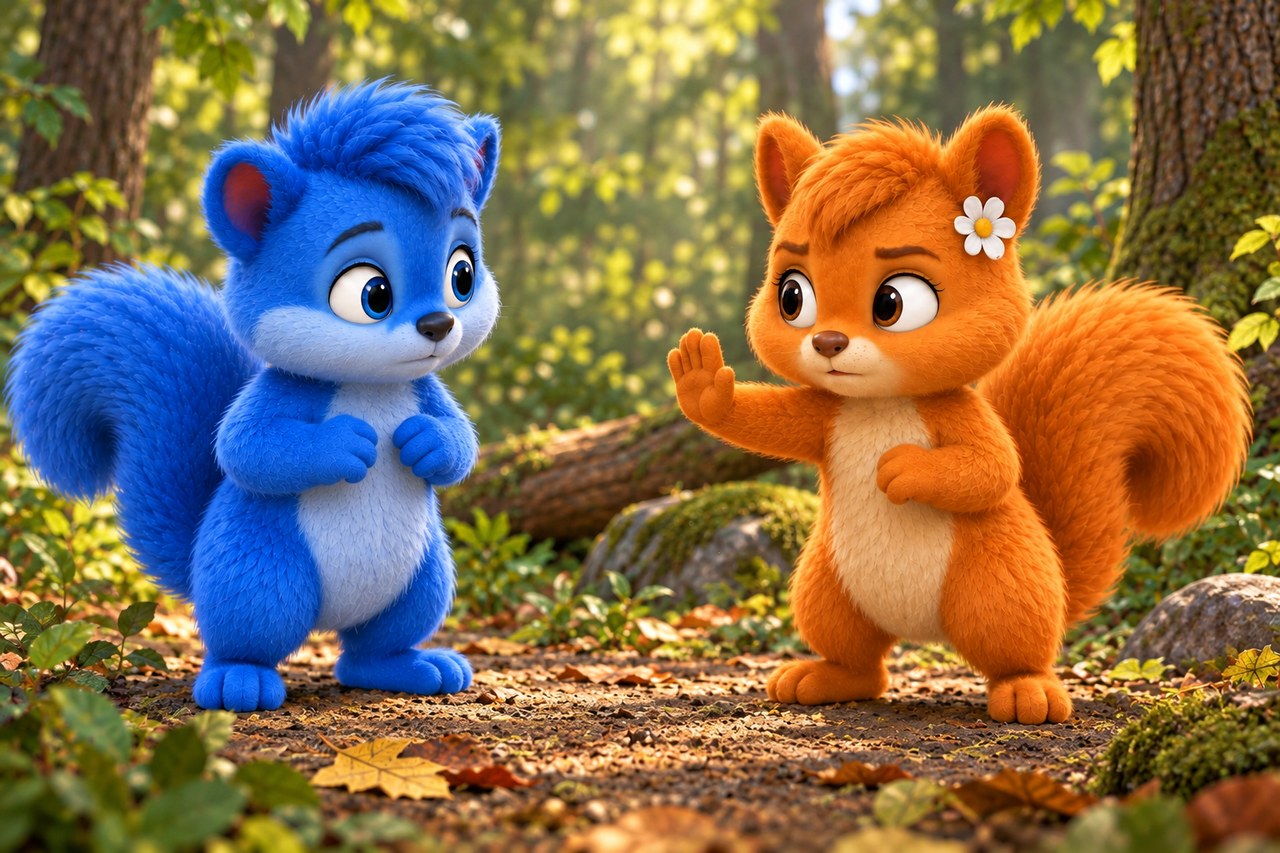
If someone ignores your no to an unwanted touch, it is not your fault. Move away if possible and get a trusted adult.
Open learning page →
In a new place, a small shared start can help: ask a question, join an activity or seek an adult's support. Friendship often takes time.
Open learning page →Compare stories, art and invented worlds. We distinguish traditional narratives, imagined ideas and knowledge about real animals.
Explore topics →