
How do sounds reach my ears?
Sounds make air vibrate. This movement enters the ear and moves tiny parts inside it.
Open learning page →Your choices apply to all pages in this browser.
How do we discover the world around us?
Sounds make air vibrate. This movement enters the ear and moves tiny parts inside it.
Open learning page →
Light from an object enters your eye. The cornea and lens direct it onto the retina at the back.
Open learning page →
Tongue and nose work together when eating. The tongue detects basic tastes such as sweet or salty; the nose adds many aromas.
Open learning page →
Your skin contains sensory cells. They report things such as touch, pressure or temperature to the brain.
Open learning page →
The brain combines information from eyes, inner ears and the body about position and movement. It uses that information to guide adjustments.
Open learning page →
Blinking spreads tears across the eye. This keeps its surface moist.
Open learning page →
Our eyes look at the world from two slightly different positions. The brain combines their images.
Open learning page →
A tone comes from something vibrating: moving back and forth quickly. Faster regular vibrations make a higher pitch; slower ones make a lower pitch.
Open learning page →
The skin sends touch signals to the brain. Some light touches feel ticklish.
Open learning page →
The nose detects scent substances in the air and sends signals to the brain. Experiences affect whether we like a smell.
Open learning page →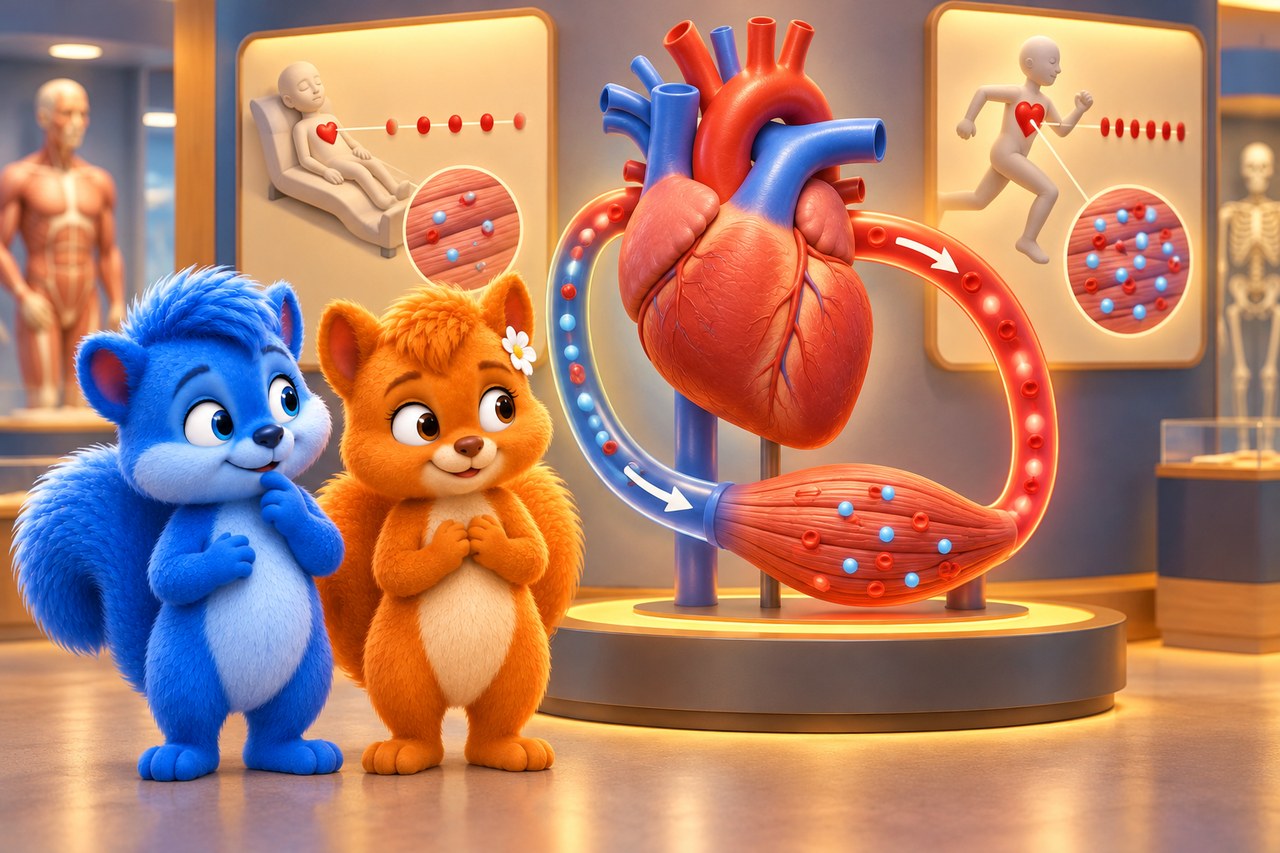
Running muscles need more oxygen. Your heart usually beats faster to pump more blood around the body.
Open learning page →
Breathing takes oxygen from the air. In the lungs it enters the blood and travels to body cells, which need it for their work.
Open learning page →
Muscles contract and pull on bones through tendons. Movable joints let bones change position.
Open learning page →
Sweat reaches the skin from small glands. When it evaporates, it takes heat away and helps cool you.
Open learning page →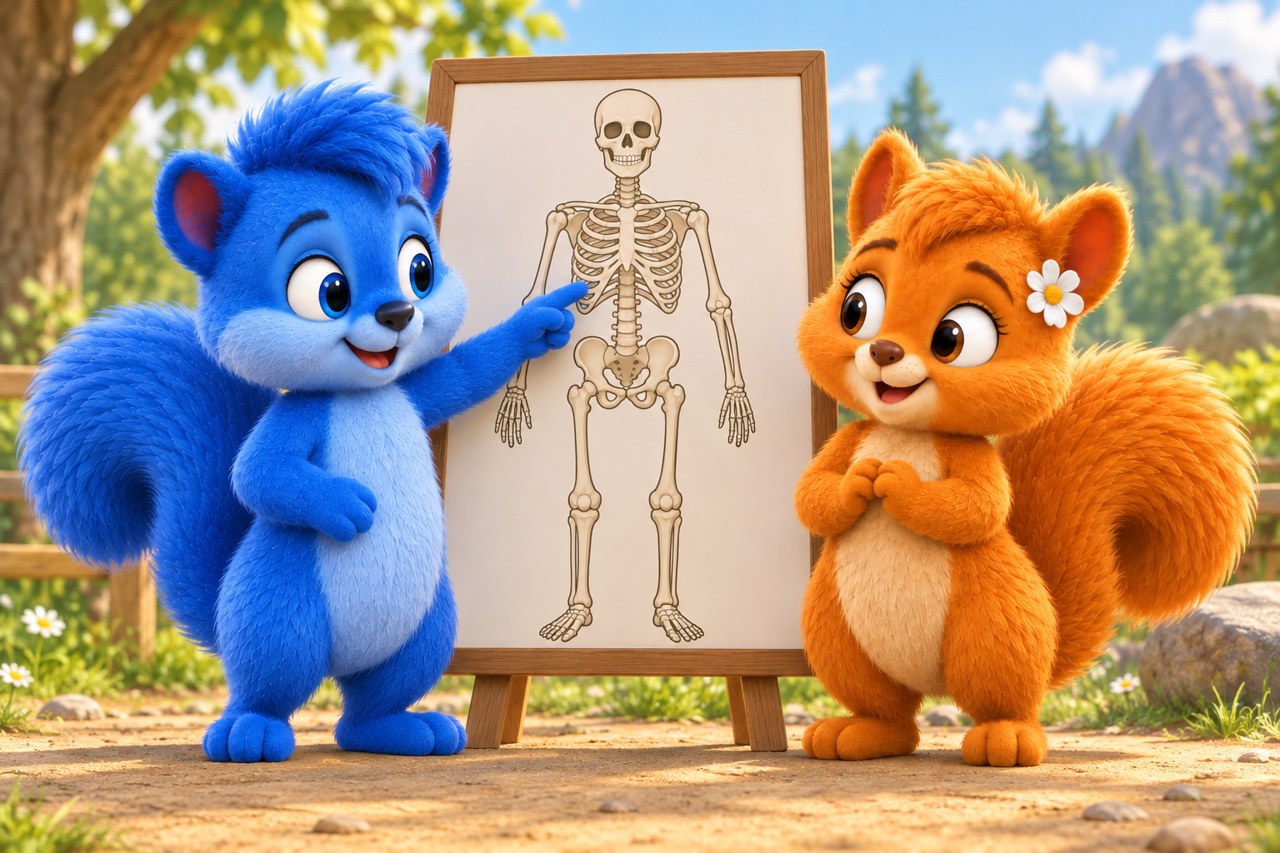
Bones form the skeleton. It supports the body, protects important organs and works with muscles and joints for movement.
Open learning page →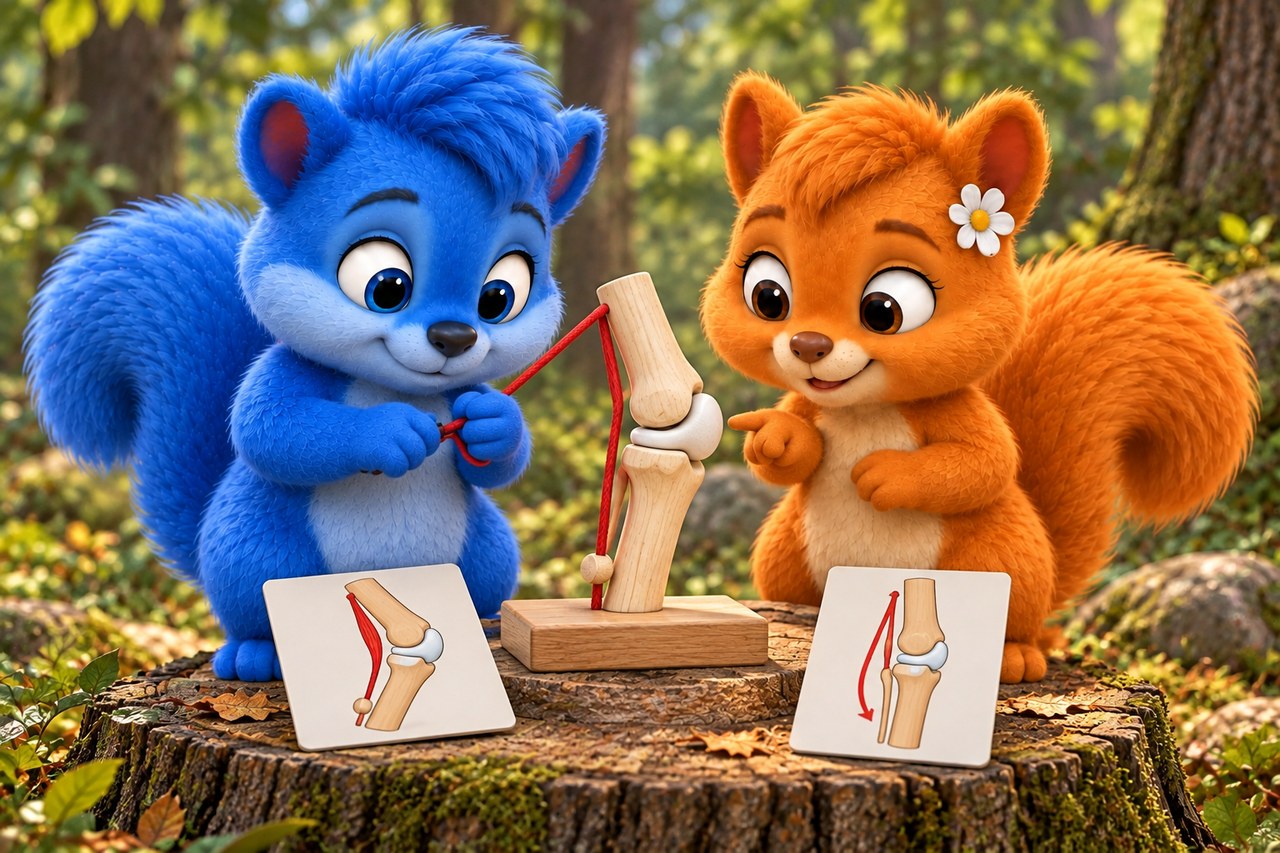
Tendons connect muscles to bones. When a muscle contracts, its tendon passes the pull to a bone.
Open learning page →
Running makes your muscles work harder and need more oxygen from the air. You usually breathe faster and deeper as a result.
Open learning page →
When you are cold, your muscles can work quickly without you choosing to move them: you shiver. This produces heat.
Open learning page →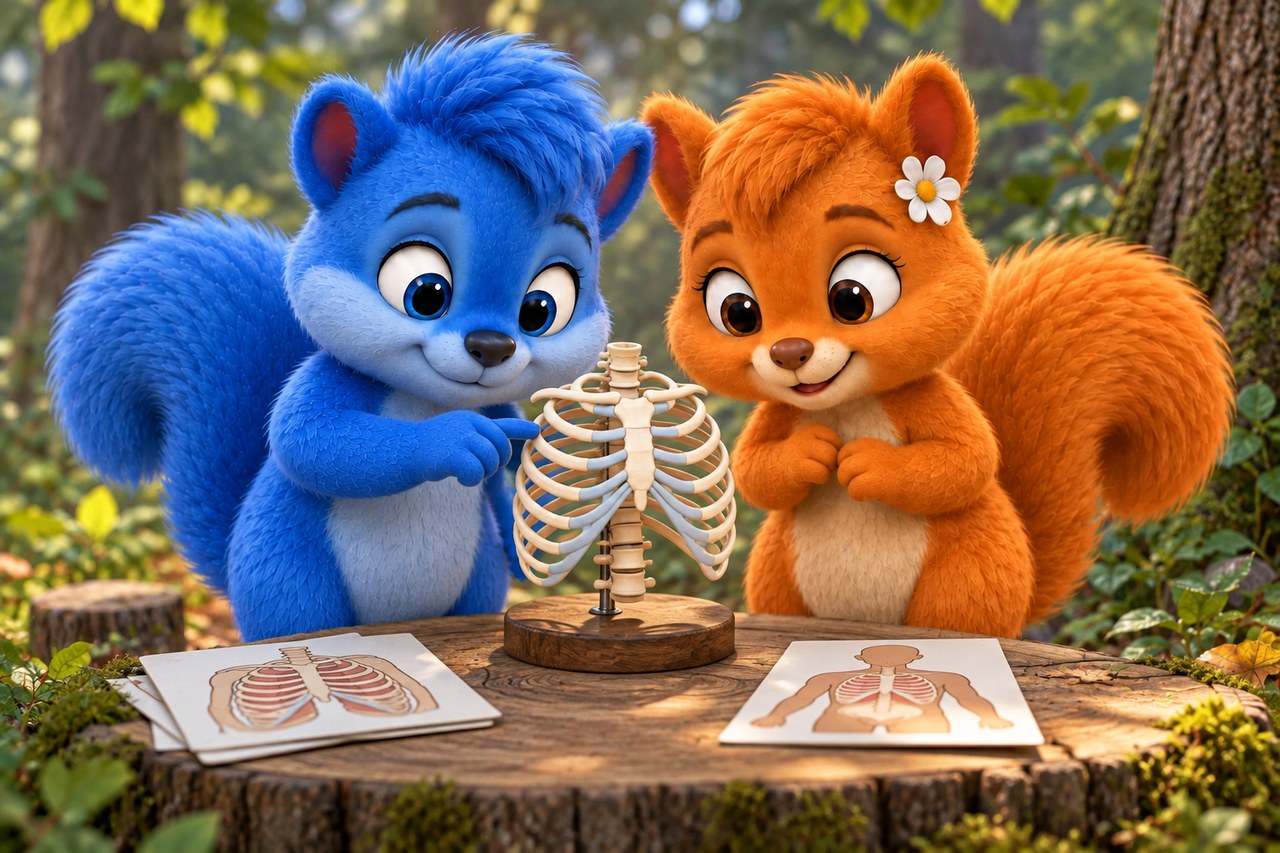
The ribs, breastbone and part of the spine form the rib cage. It protects the heart and lungs.
Open learning page →
Stretching changes joint positions and the length of muscles and other tissues. It lets you change your posture.
Open learning page →
Your breakfast is broken up in the mouth and further digested in the stomach and intestine. Small nutrient building blocks enter the blood mainly in the small intestine.
Open learning page →
Sleep supports health, learning and memory. Your body keeps working: heart and breathing do not stop.
Open learning page →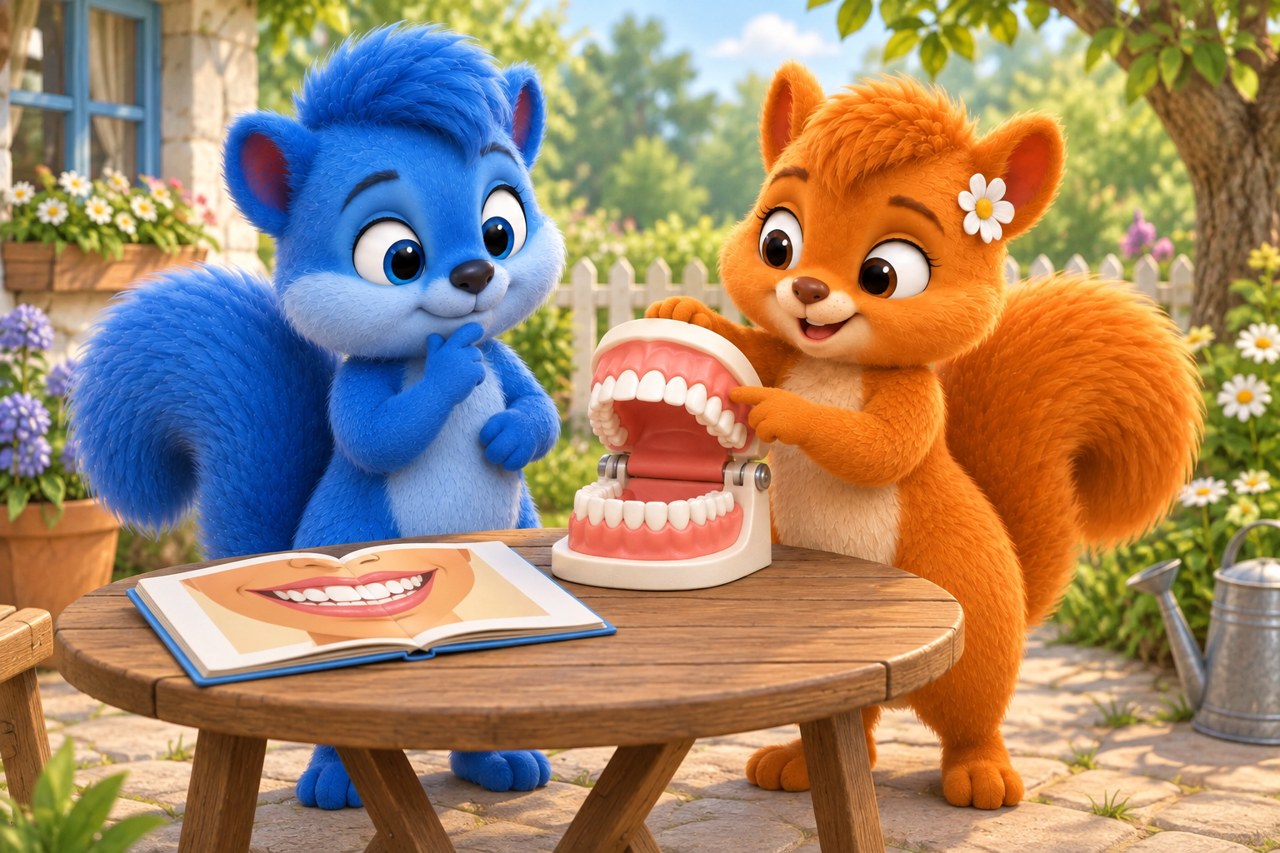
Baby teeth make way for permanent teeth. Before a baby tooth normally falls out, its root gradually breaks down and the tooth loosens.
Open learning page →
For a small scrape, clotting helps seal the opening. The body then clears damaged material and makes new cells.
Open learning page →
Remembering involves many nerve cells working together in the brain. Attention, meaning and repetition can affect what we retain.
Open learning page →
A new movement needs coordination between the brain, muscles and senses. Practice can improve this teamwork.
Open learning page →
Staying attentive takes effort. If you get tired, a break can help you pay attention again afterwards.
Open learning page →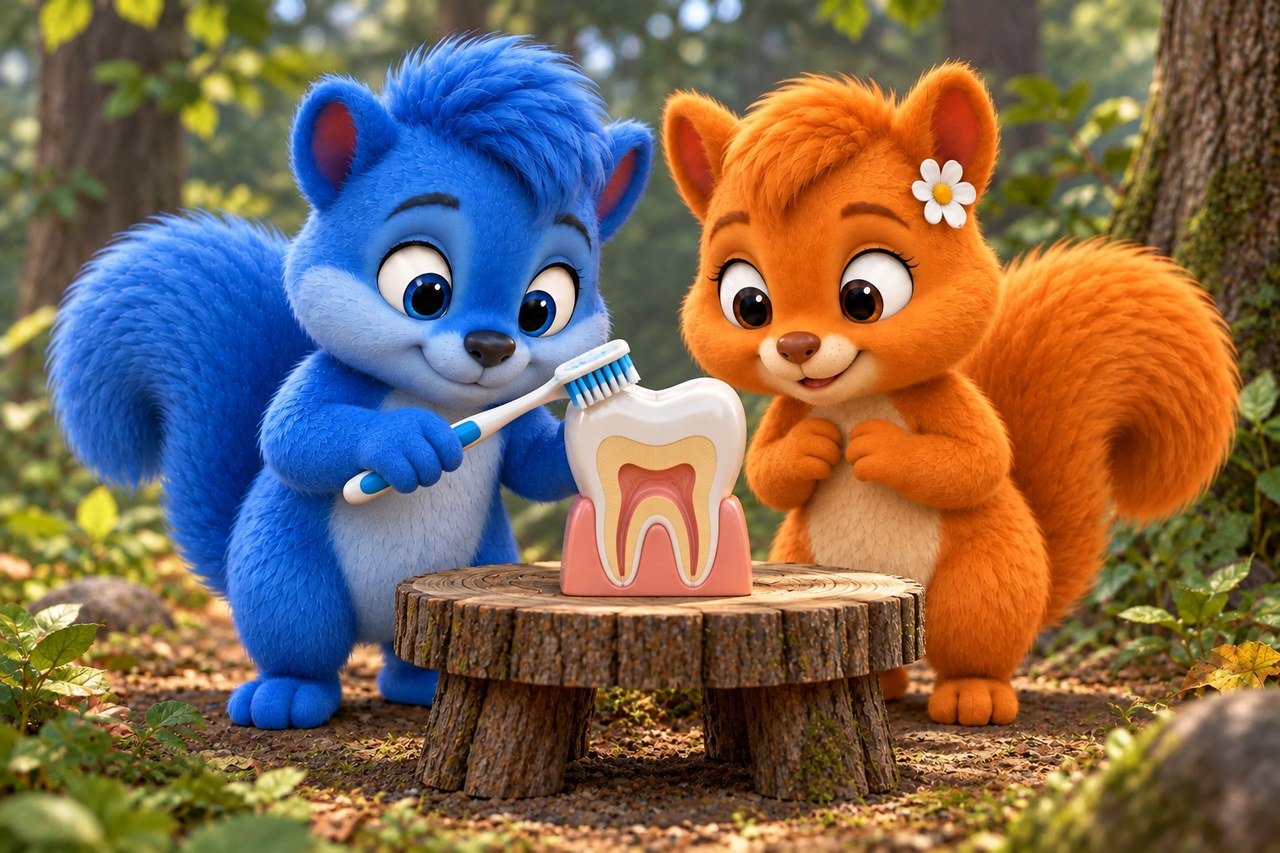
A coating containing bacteria can build up on teeth. Those bacteria can turn sugar into acids that attack teeth.
Open learning page →
Thirst is a signal that your body needs water. You notice that you want to drink; your mouth may also feel dry.
Open learning page →
Skin and moist body linings help keep germs out. If germs get inside, special cells can recognise and fight them.
Open learning page →What happens inside the body, and what can clear models show? Explore connections with pictures, examples and safe observations.
Explore topics →