Fantasy & Creatures

Compare stories, art and invented worlds. We distinguish traditional narratives, imagined ideas and knowledge about real animals.

What would you like to discover?

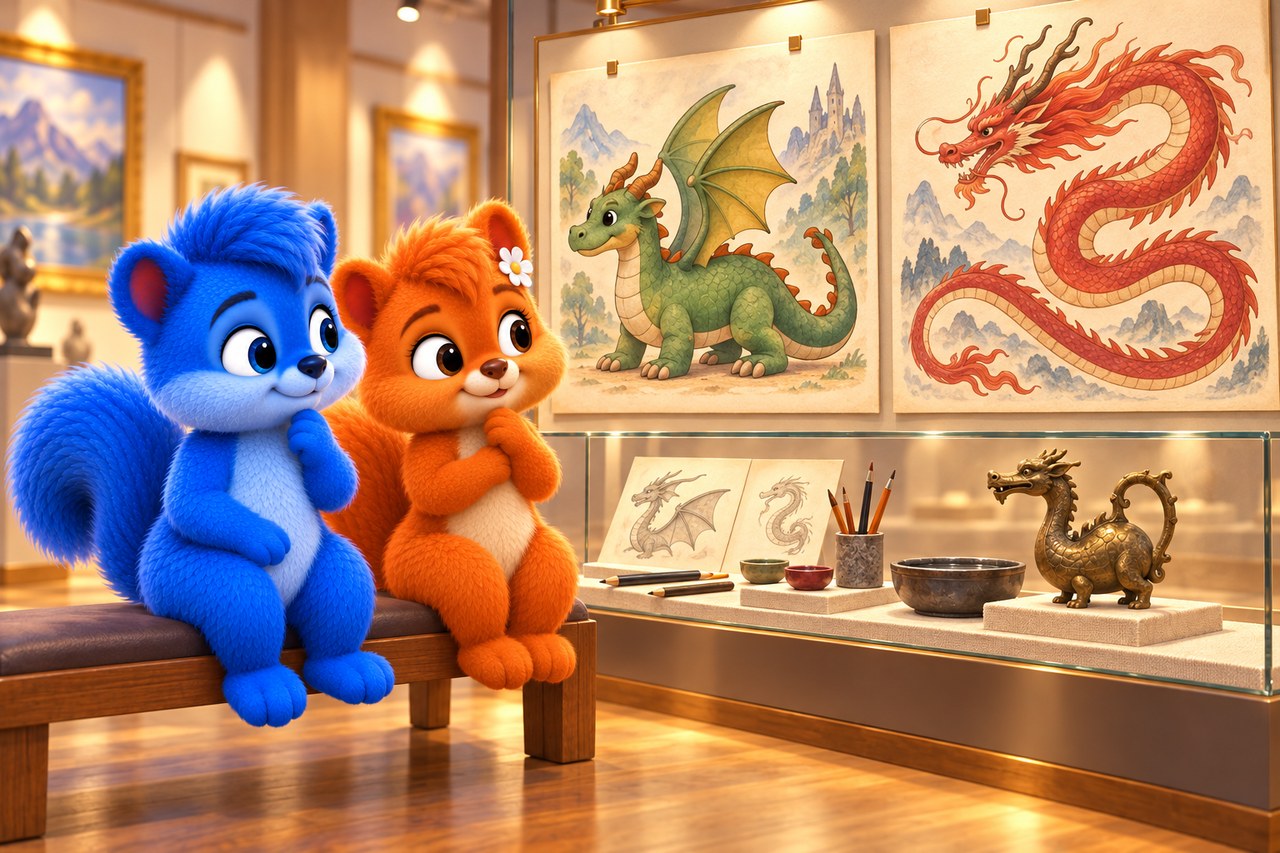
Puschel and Flauschi in the museum. Two invented dragon pictures with different body shapes and a dragon-shaped vessel.

Why do dragons look so different?

Dragons appear in stories and art. Compare imagined features and discover what an old picture actually shows as evidence.

Ages 6–10 · Discover together

Open learning page →
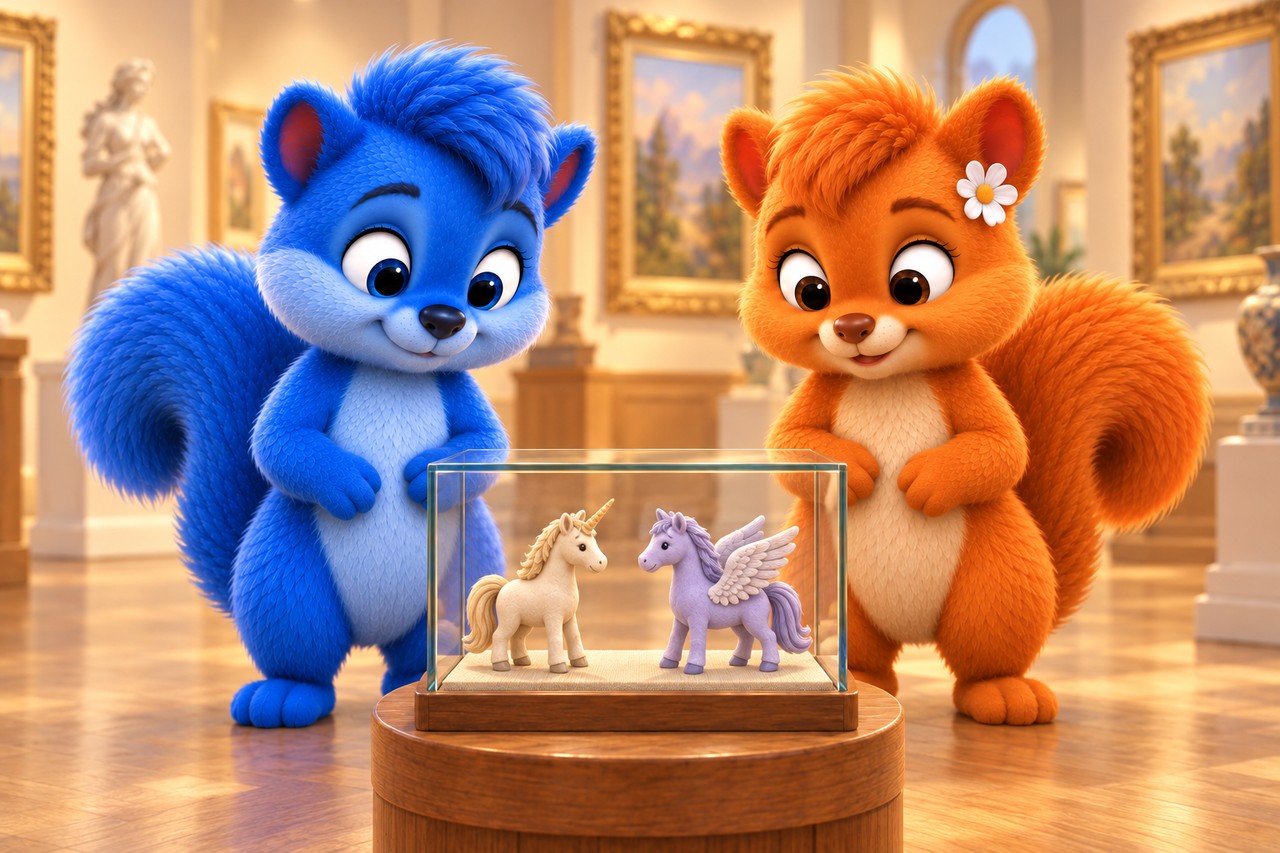
Puschel and Flauschi compare imagined art figurines of a unicorn and a winged horse in a display case.

What distinguishes a unicorn from Pegasus?

A horn or wings? Compare two familiar imagined creatures with artworks and a real animal with a long tooth.

Ages 6–10 · Discover together

Open learning page →
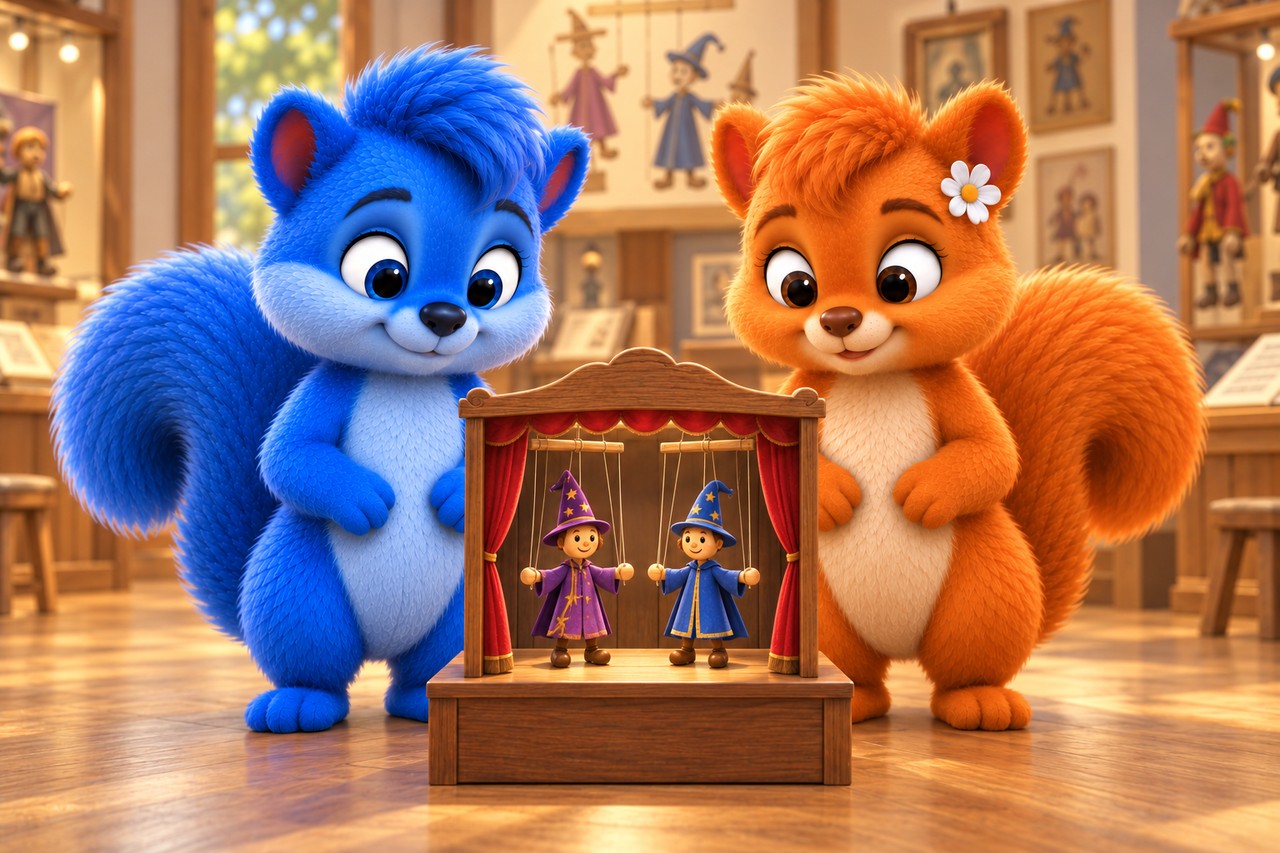
Puschel and Flauschi examine two friendly theatre puppets with hats on a small puppet stage.

What is imagined about witches and wizards?

Fairy-tale magic, theatre and history are different things. Discover how to distinguish them carefully when reading.

Ages 6–10 · Discover together

Open learning page →
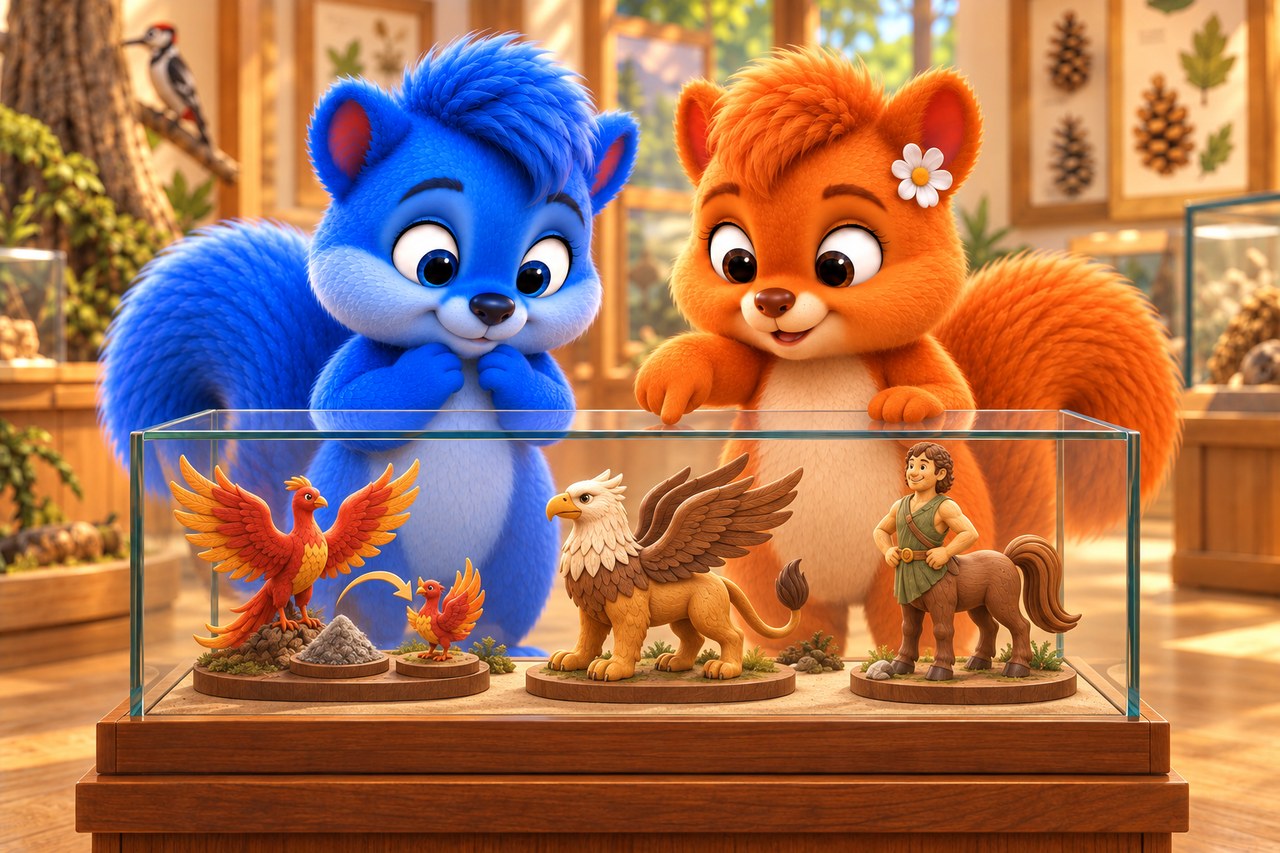
Puschel and Flauschi in the museum. Story figures: phoenix motif, griffin combining lion and eagle, centaur combining human and horse.

How do a phoenix, griffin and centaur differ?

Three creatures from narrative and art: a bird associated with rebirth and two differently combined forms.

Ages 6–10 · Discover together

Open learning page →
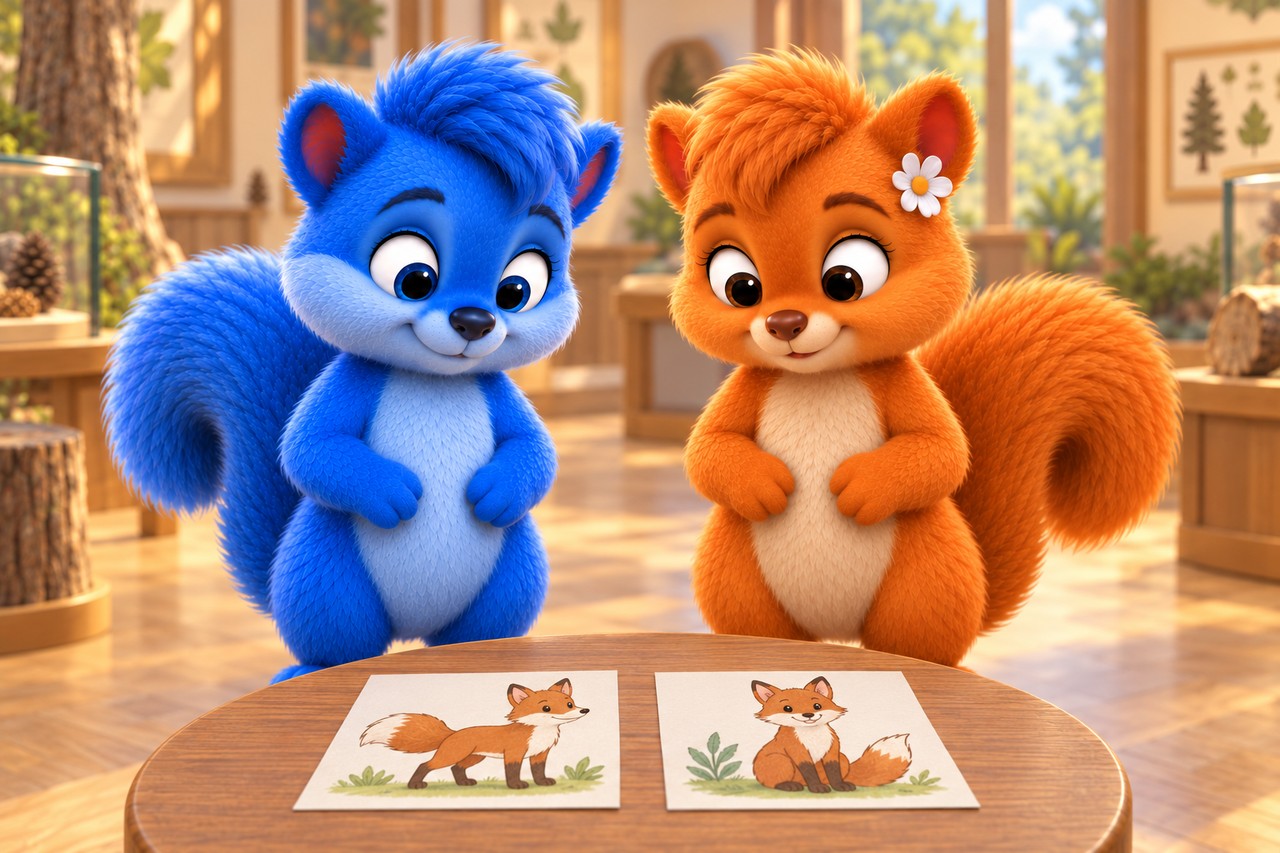
Puschel and Flauschi examine two flat picture cards showing different postures of an imagined fox.

How do shape-shifters differ from real changes?

A story character turns into an animal? Compare fiction with butterfly development and imitation by an octopus.

Ages 6–10 · Discover together

Open learning page →
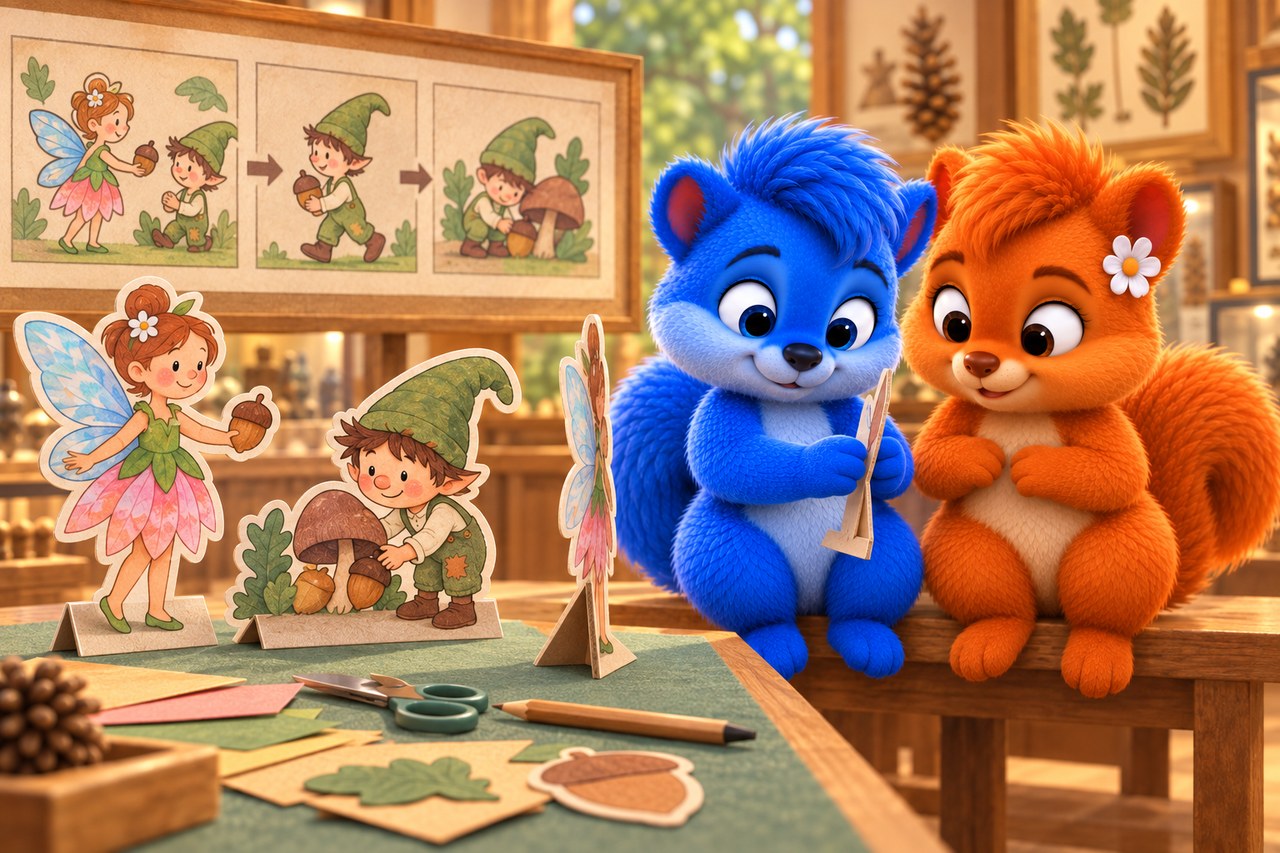
Puschel and Flauschi in the museum. Fairy and sprite paper figures with visible supports and a thin side edge.

What do we tell about fairies and kobolds?

Compare names, story versions and image evidence: imaginary characters have no single compulsory form across every story.

Ages 6–10 · Discover together

Open learning page →
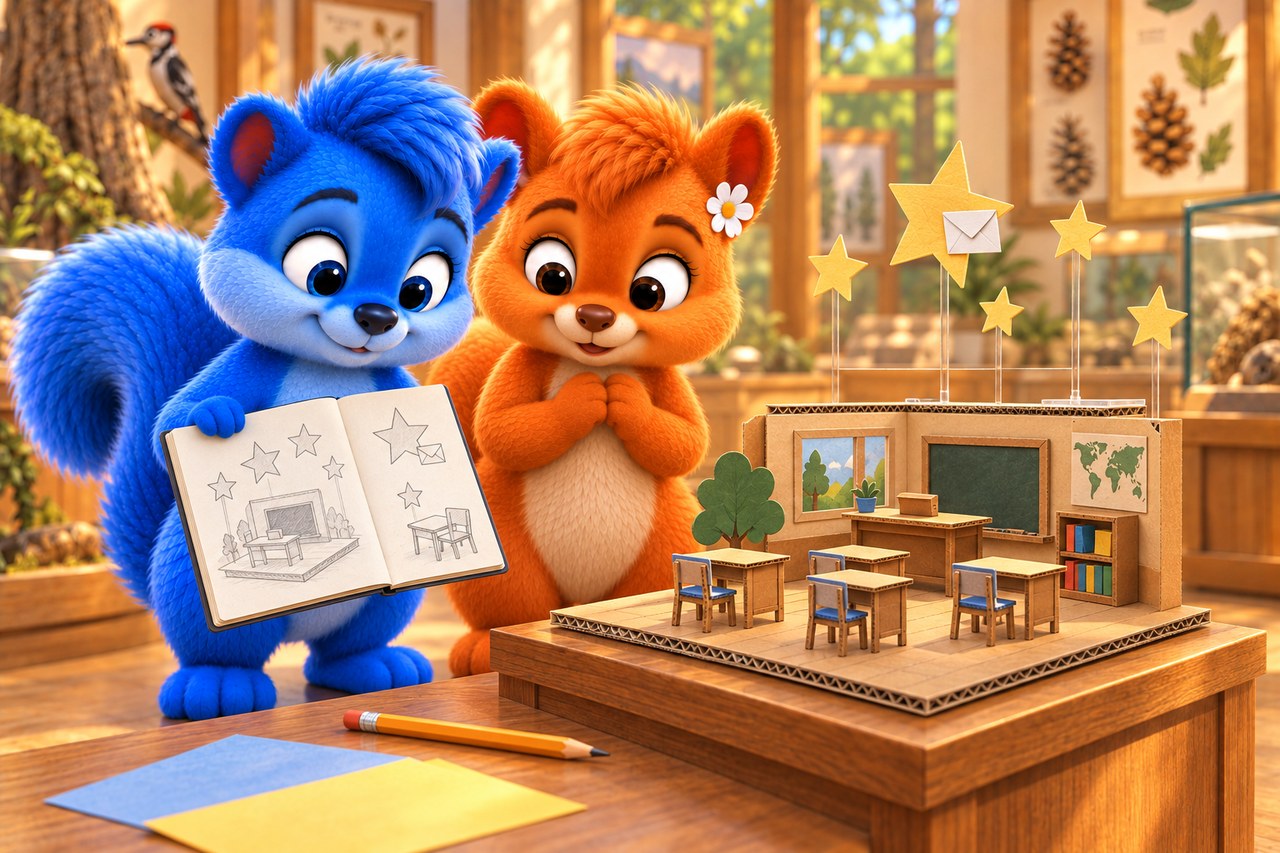
Puschel and Flauschi in the museum. Invented school model: paper stars carry messages; desks stay on the floor.

How do we invent a magic school?

A setting, original story rules and a small task: create an imaginary school on paper.

Ages 6–10 · Discover together

Open learning page →
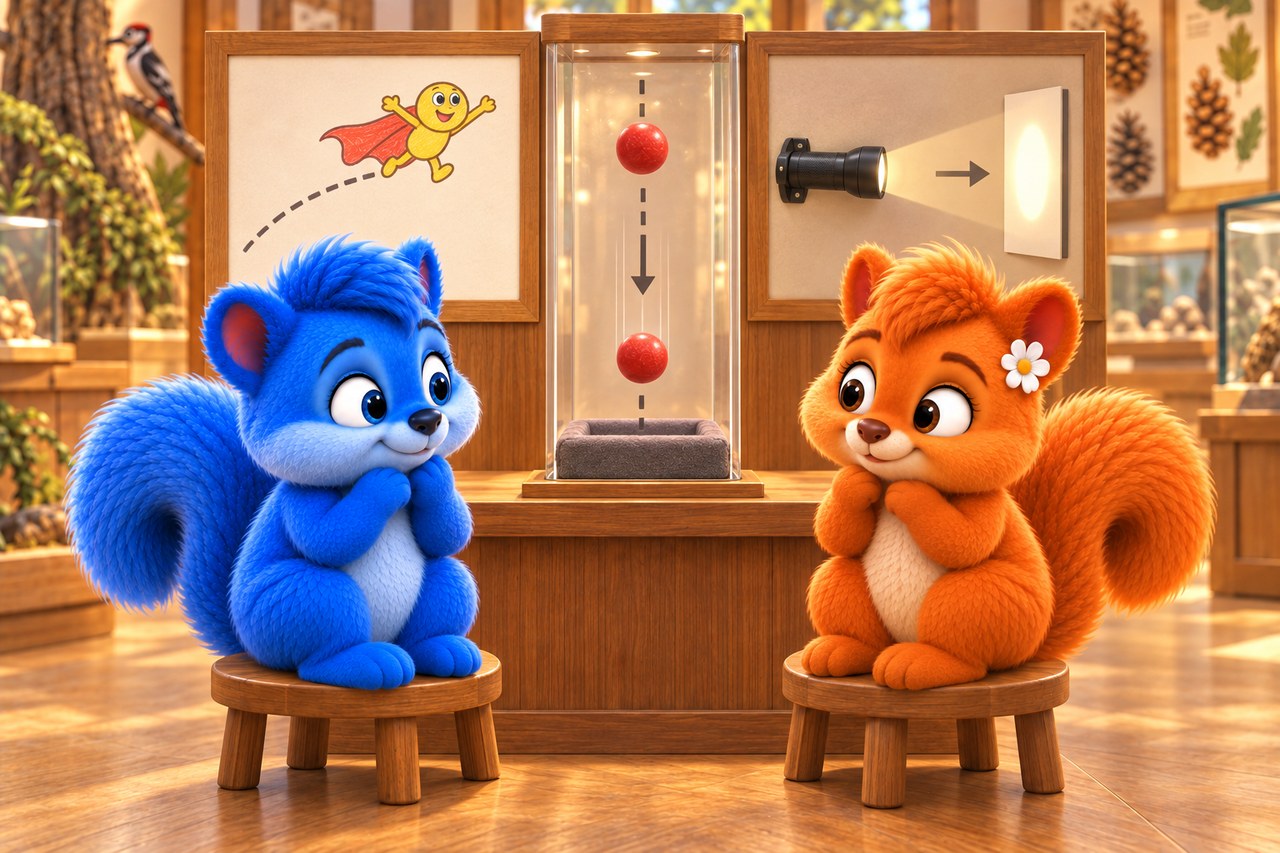
Puschel and Flauschi in the museum. Invented flying figure, falling ball and torch compare fantasy and reality.

What is invented about superpowers?

Distinguish imagined abilities, real spider silk and gravity; design an original friendly character.

Ages 6–10 · Discover together

Open learning page →
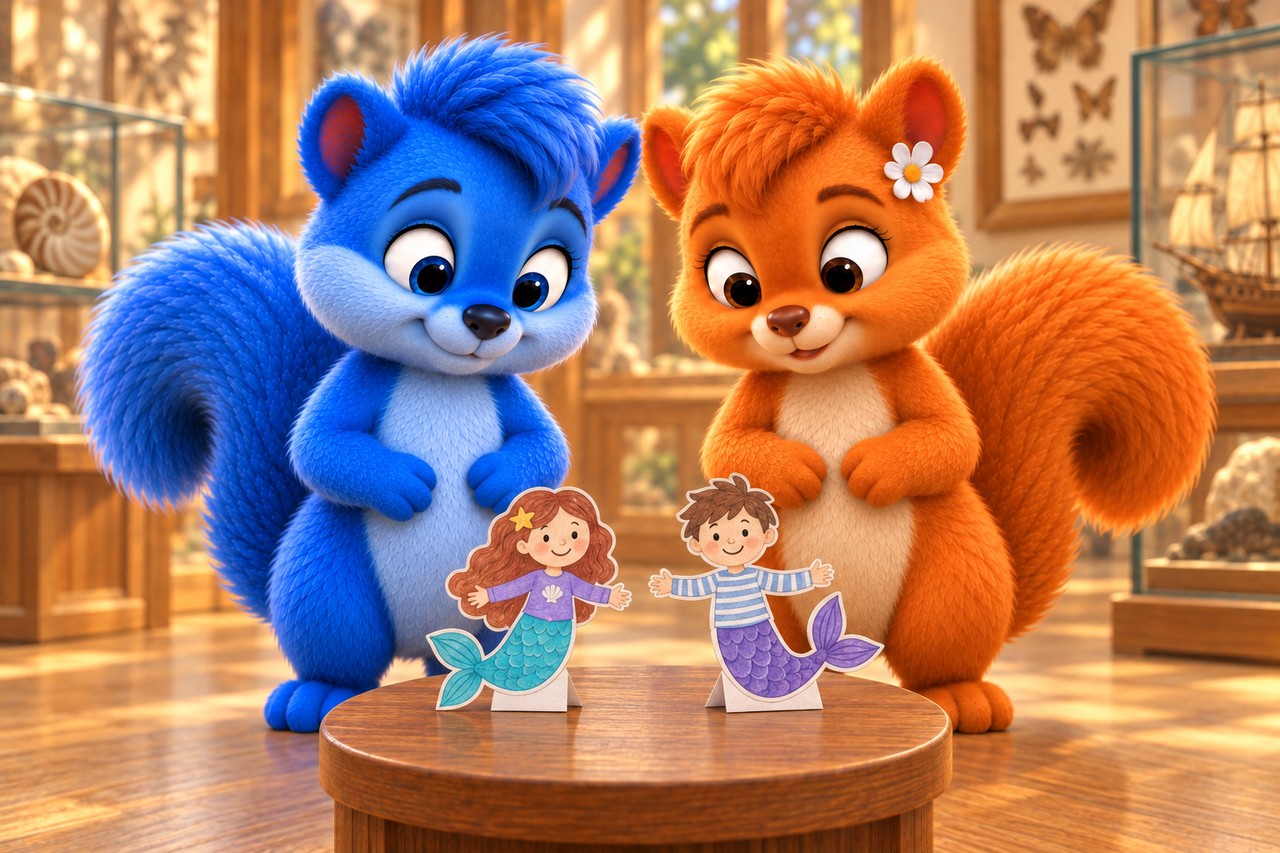
The two Wusels examine two clothed paper water characters with fish tails and folded stands.

What do we tell about mermaids and water spirits?

Distinguish invented hybrid figures, different water-spirit stories and a real manatee.

Ages 6–10 · Discover together

Open learning page →
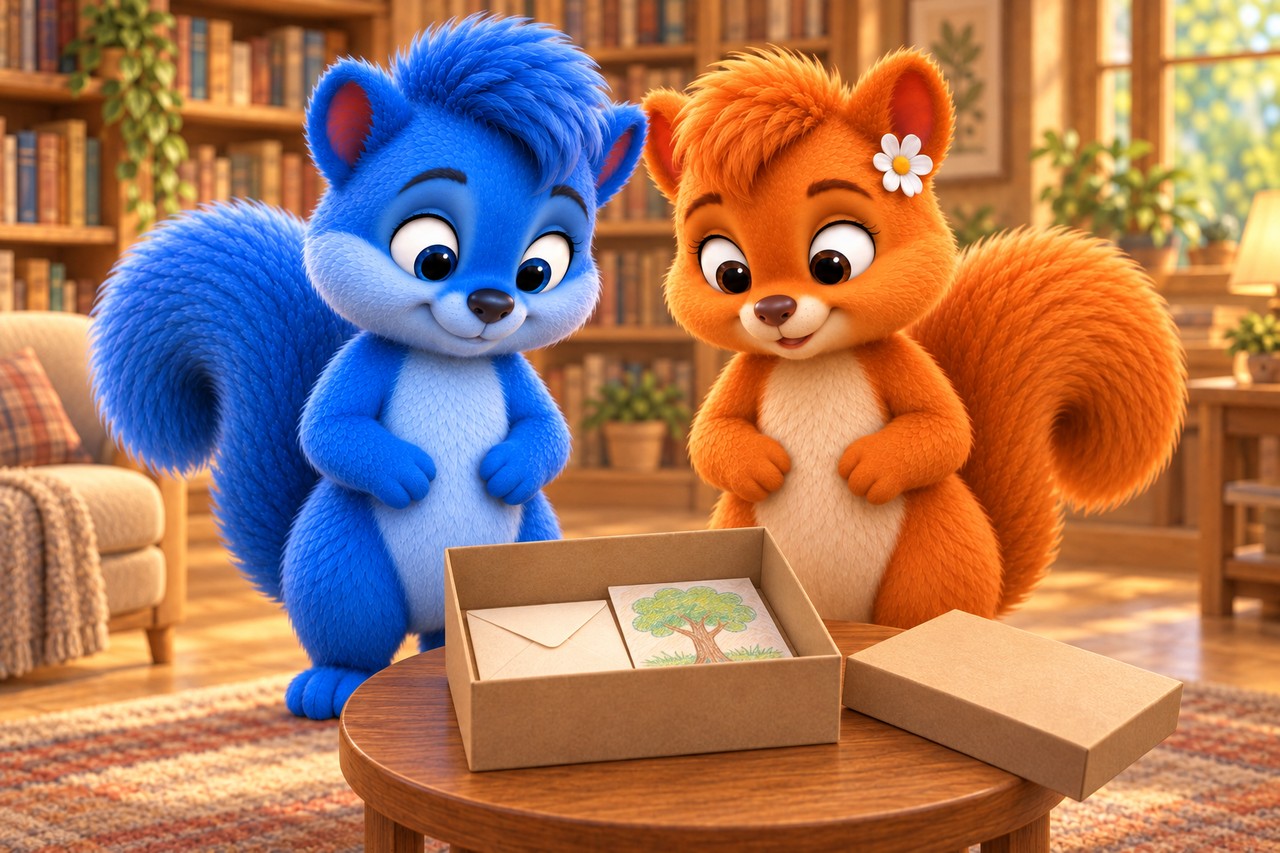
Puschel and Flauschi look into an open paper box containing an envelope and tree drawing; its lid lies beside it.

What does a time capsule keep for later?

Choose, explain and store things carefully today: a time capsule keeps memories rather than sending people through time.

Ages 6–10 · Discover together

Open learning page →