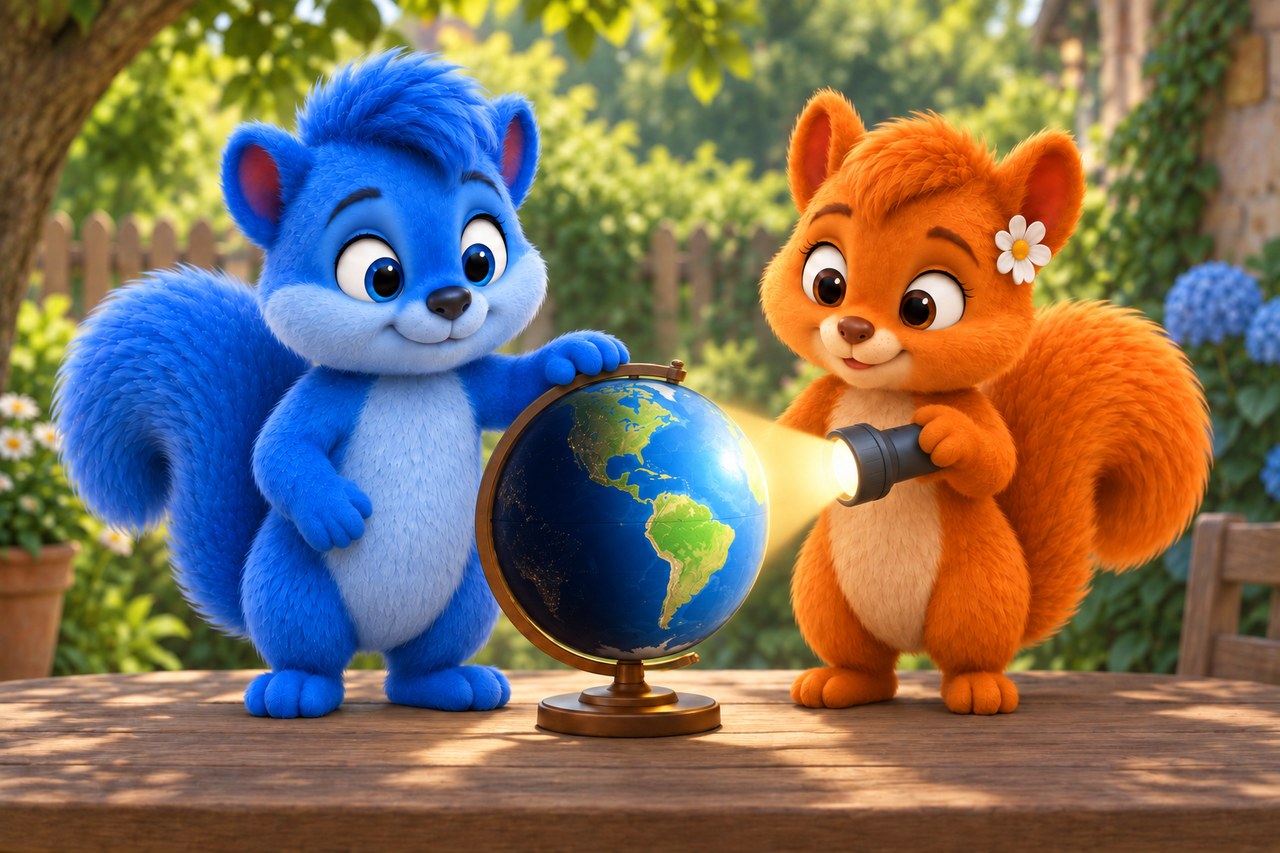
Why does it get dark in the evening?
Earth turns. The side facing the Sun has day; the other has night.
Open learning page →Your choices apply to all pages in this browser.
Curious questions about our planet and the sky.
Dinosaurs, mammoths, trace fossils, crystals and limestone caves: five learning pages with explanatory pictures.
Explore Prehistory & Natural Wonders →Earth turns. The side facing the Sun has day; the other has night.
Open learning page →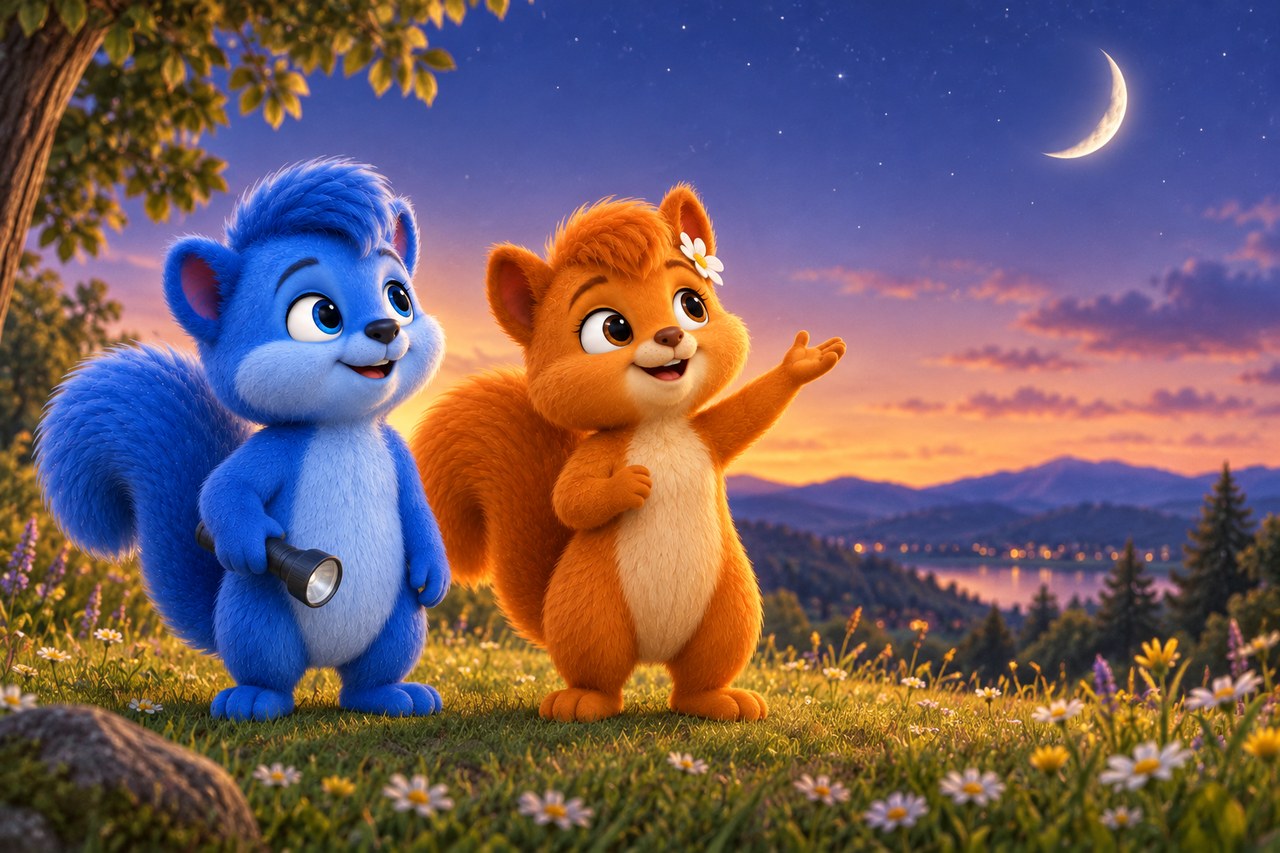
The Moon remains a ball. The Sun lights roughly half of it.
Open learning page →
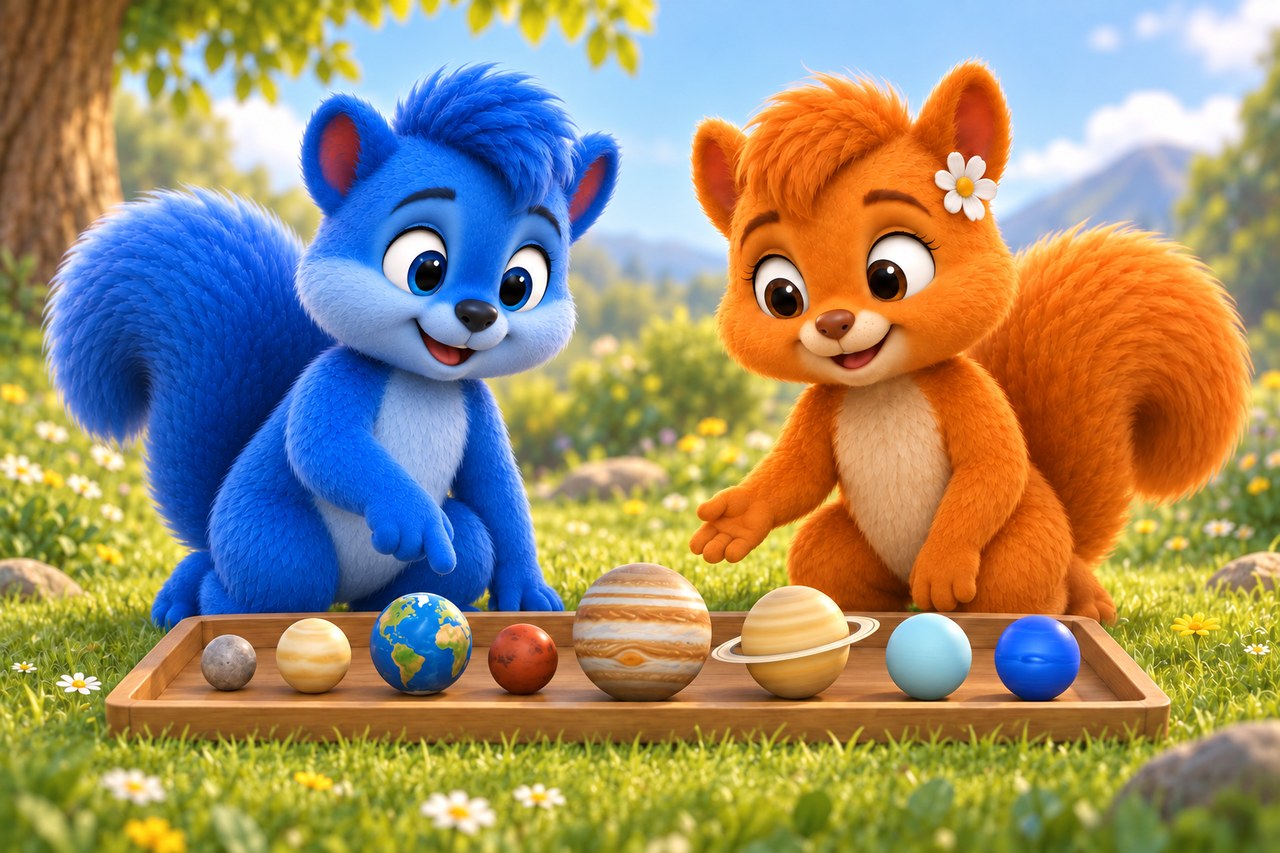
Eight planets orbit our Sun: Mercury, Venus, Earth, Mars, Jupiter, Saturn, Uranus and Neptune. Earth is third from the Sun.
Open learning page →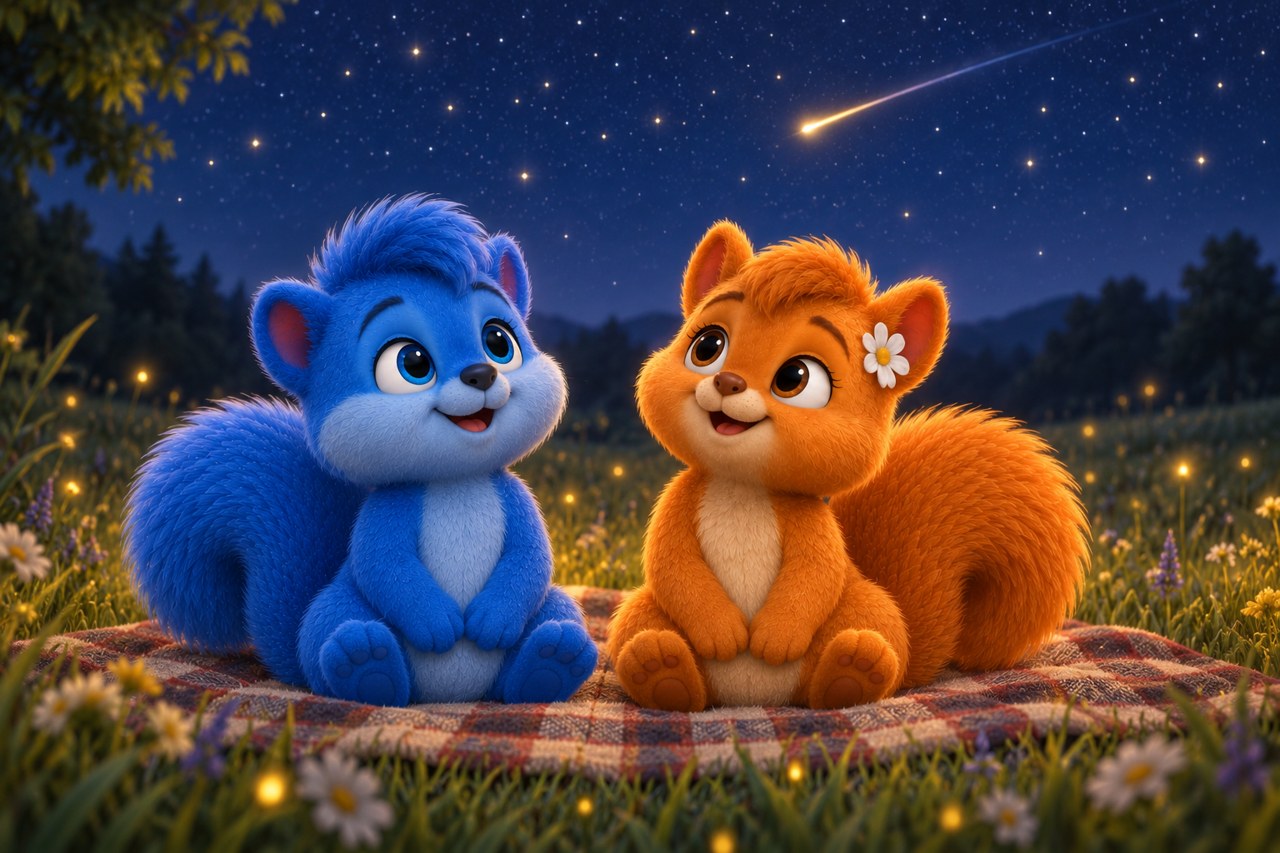
A shooting star is a streak of light when small space material enters Earth's air at high speed. Air and material become intensely hot.
Open learning page →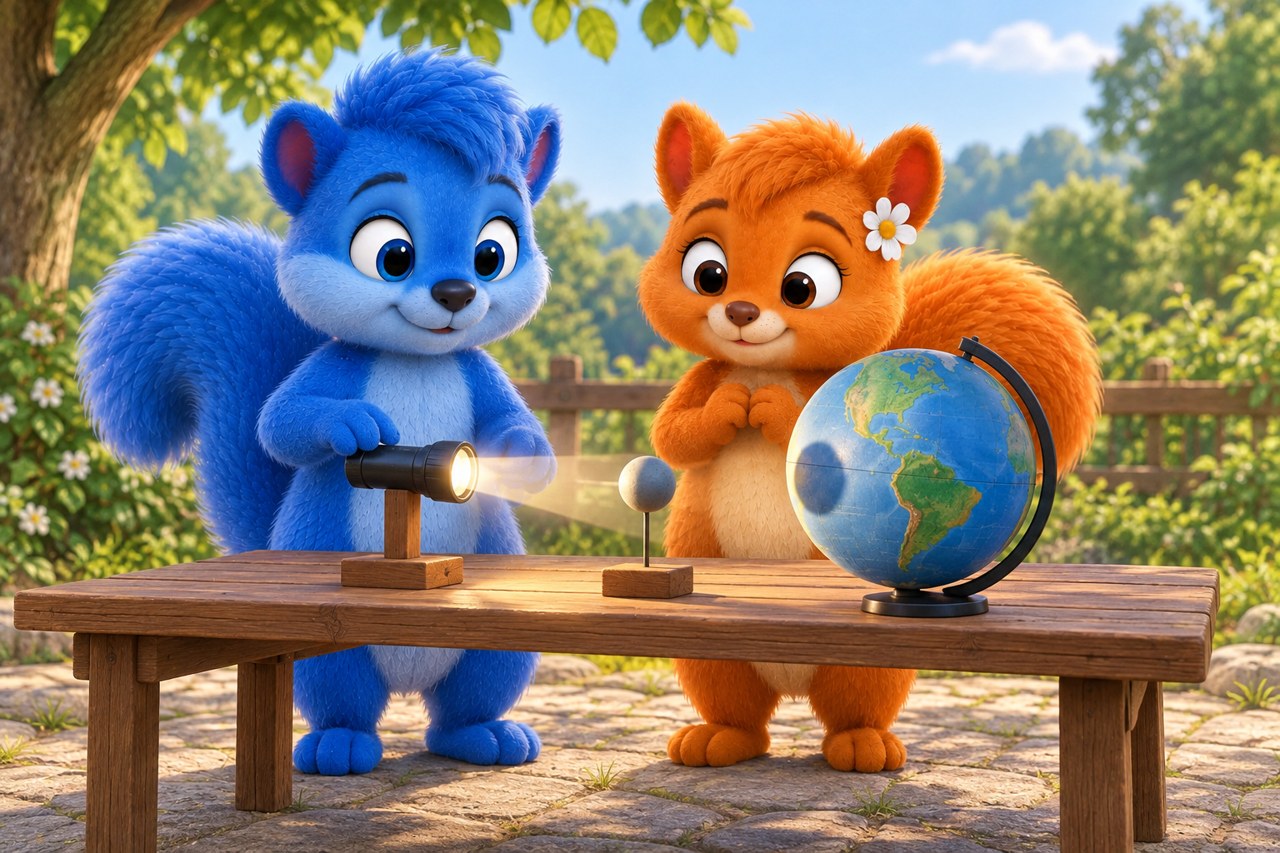
During a solar eclipse, the Moon stands between Sun and Earth. Its shadow reaches part of Earth.
Open learning page →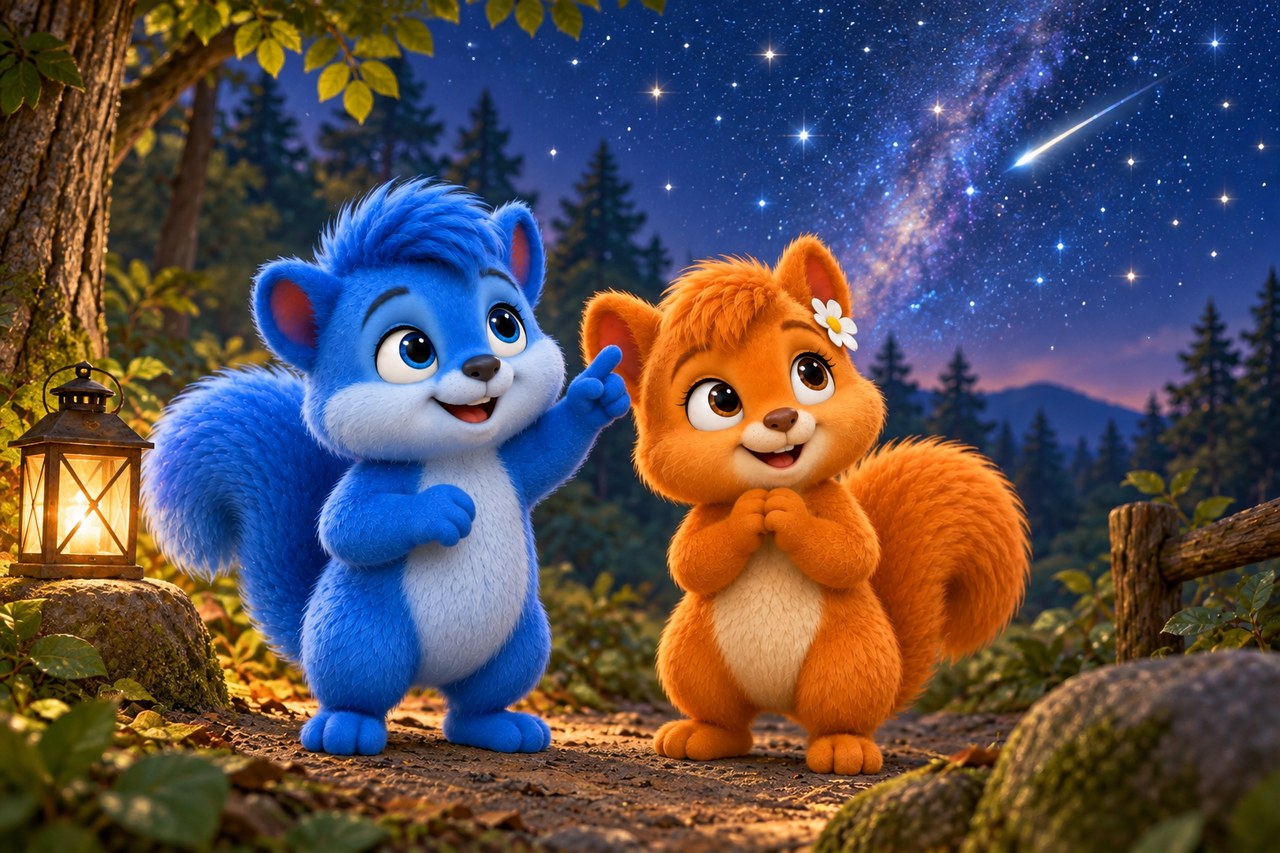
Starlight passes through the air above us. Moving layers of air bend it in changing ways, making a distant star seem to twinkle.
Open learning page →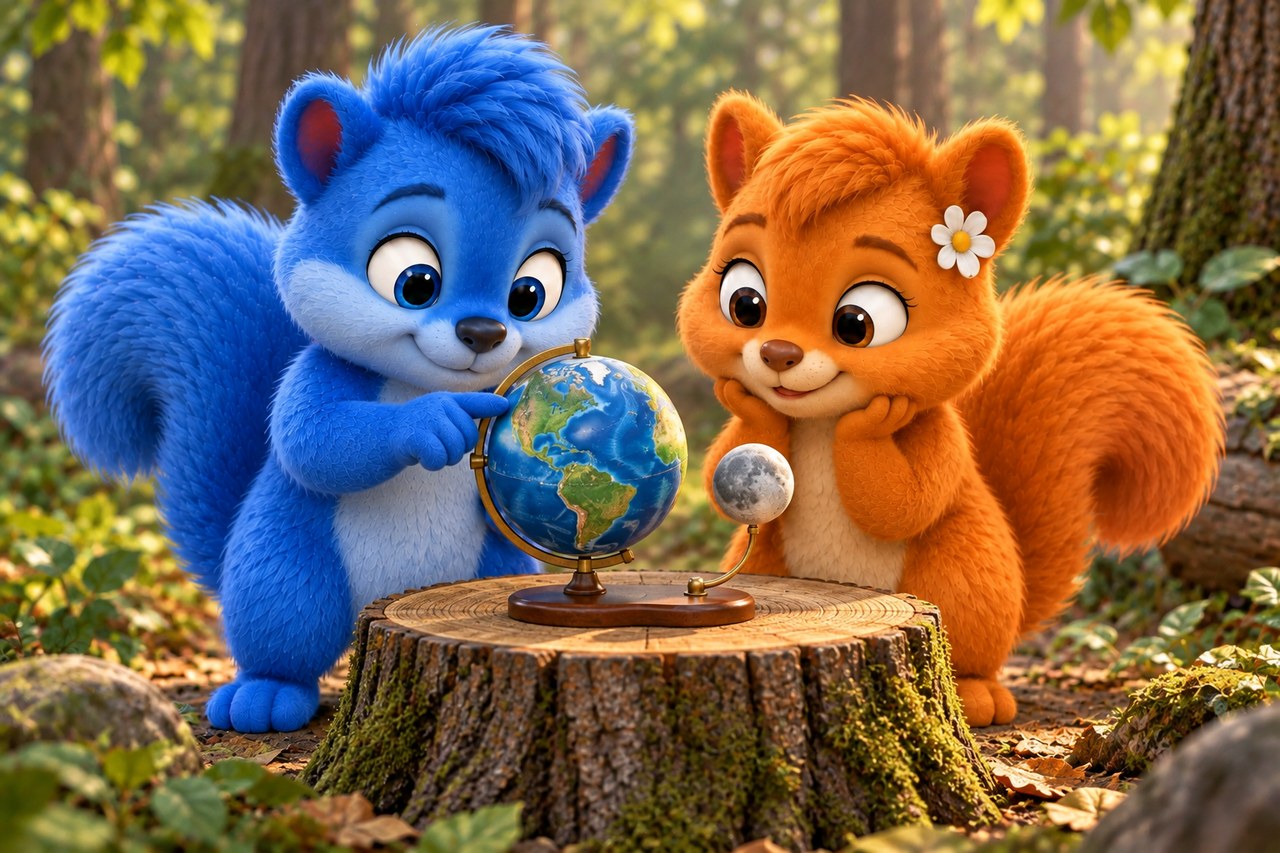
The Moon turns once on its axis while completing one trip around Earth. Both take about the same time.
Open learning page →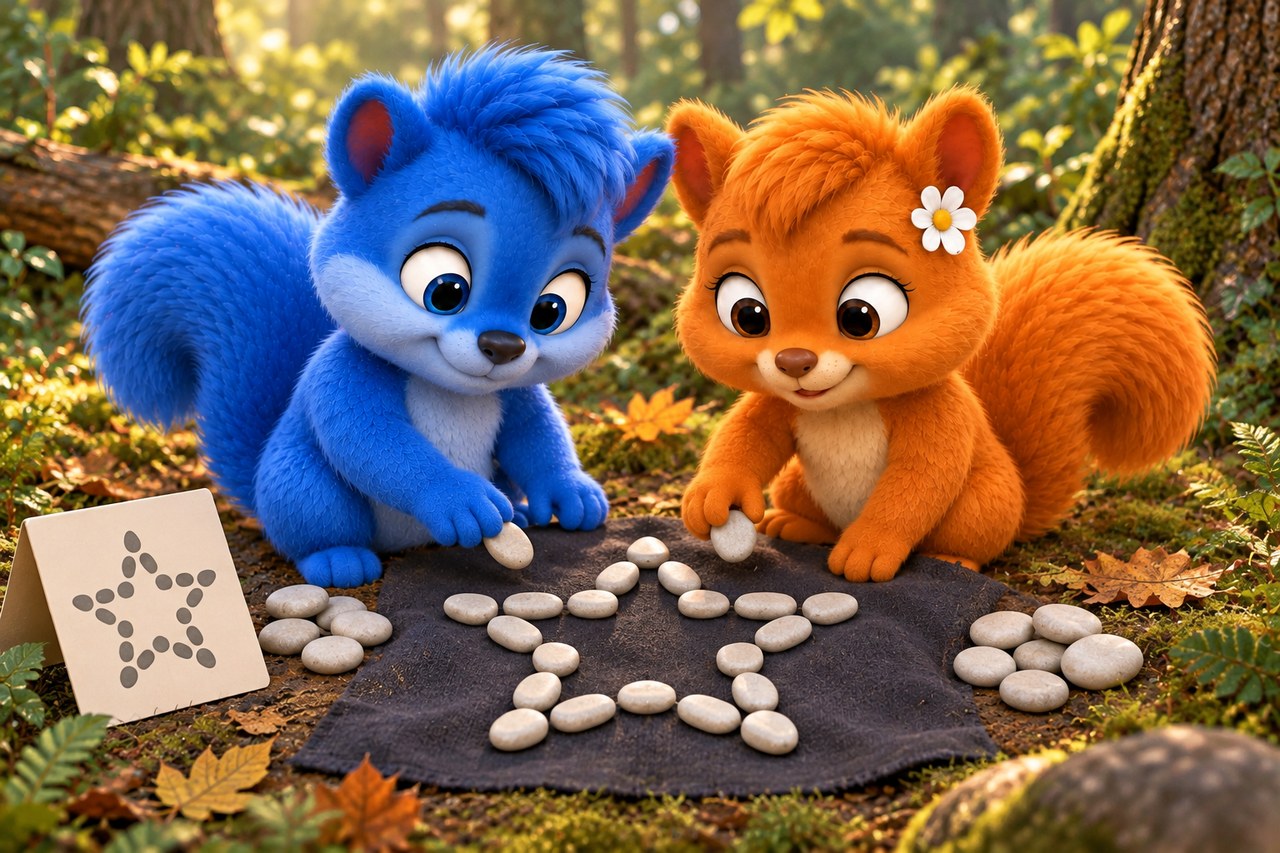
People imagine lines between stars to make named patterns. The stars appear close together in the sky, but can lie at very different distances.
Open learning page →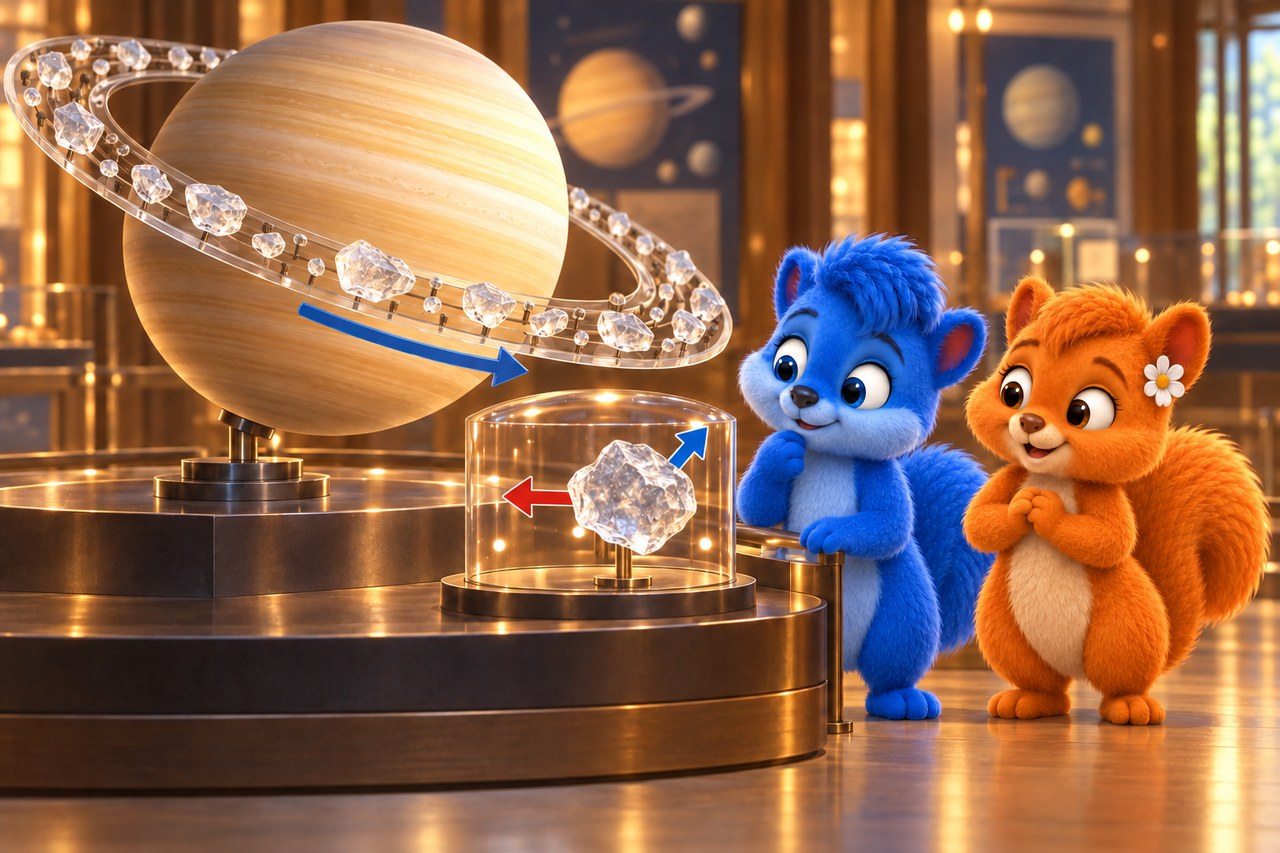
Countless icy pieces and other particles orbit Saturn to form its rings. They are not a solid disc.
Open learning page →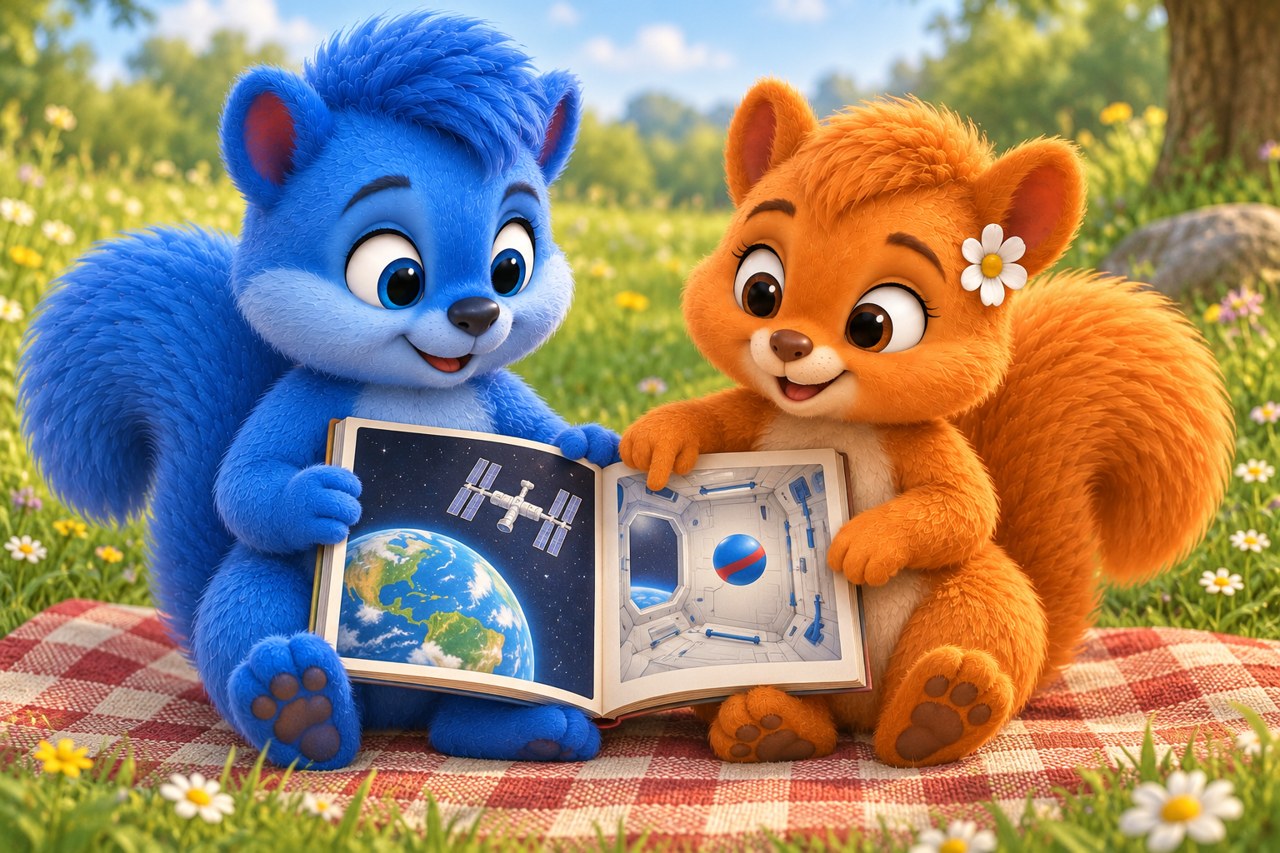
The station, people and objects fall around Earth together. Because they fall together, they do not press on each other as on the ground and appear weightless.
Open learning page →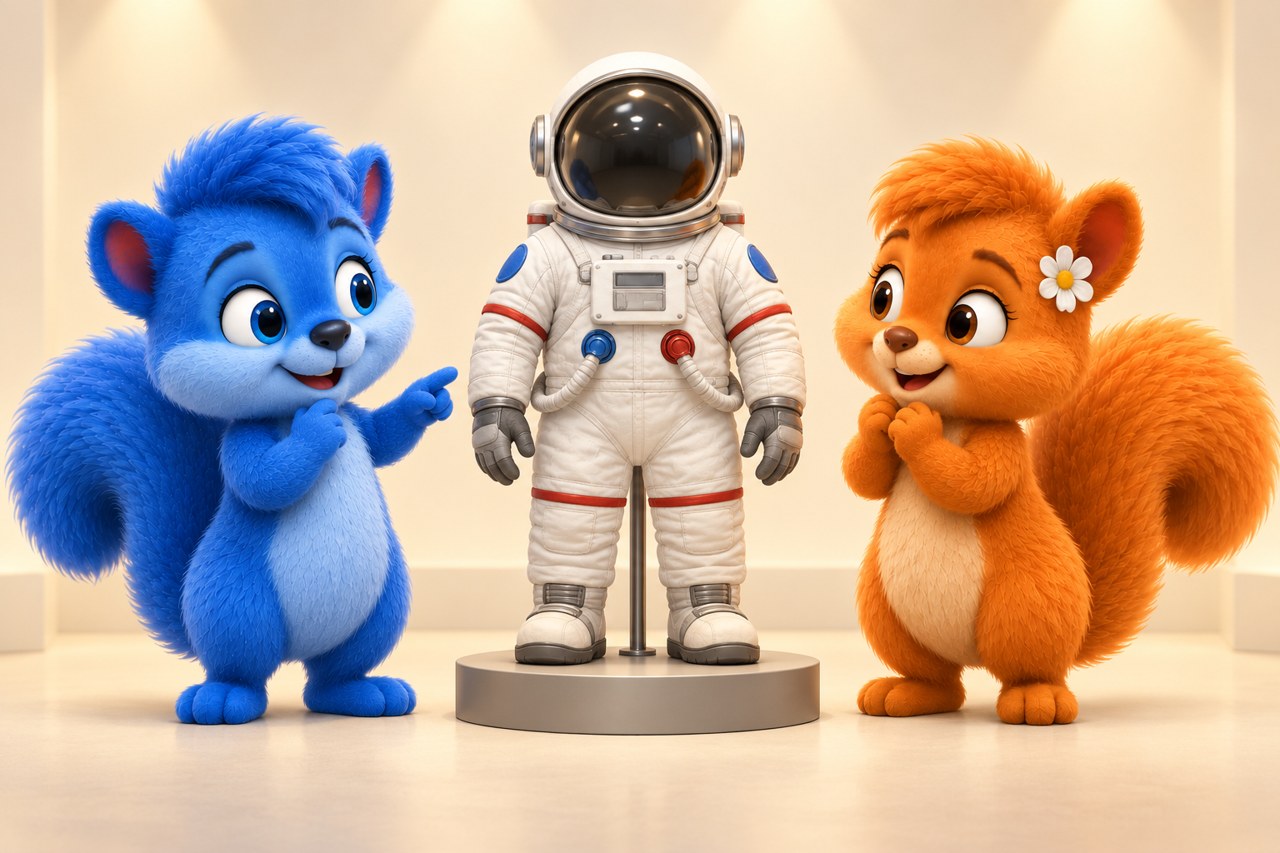
A spacesuit provides oxygen and suitable pressure outside a spacecraft. It also protects against large temperature differences.
Open learning page →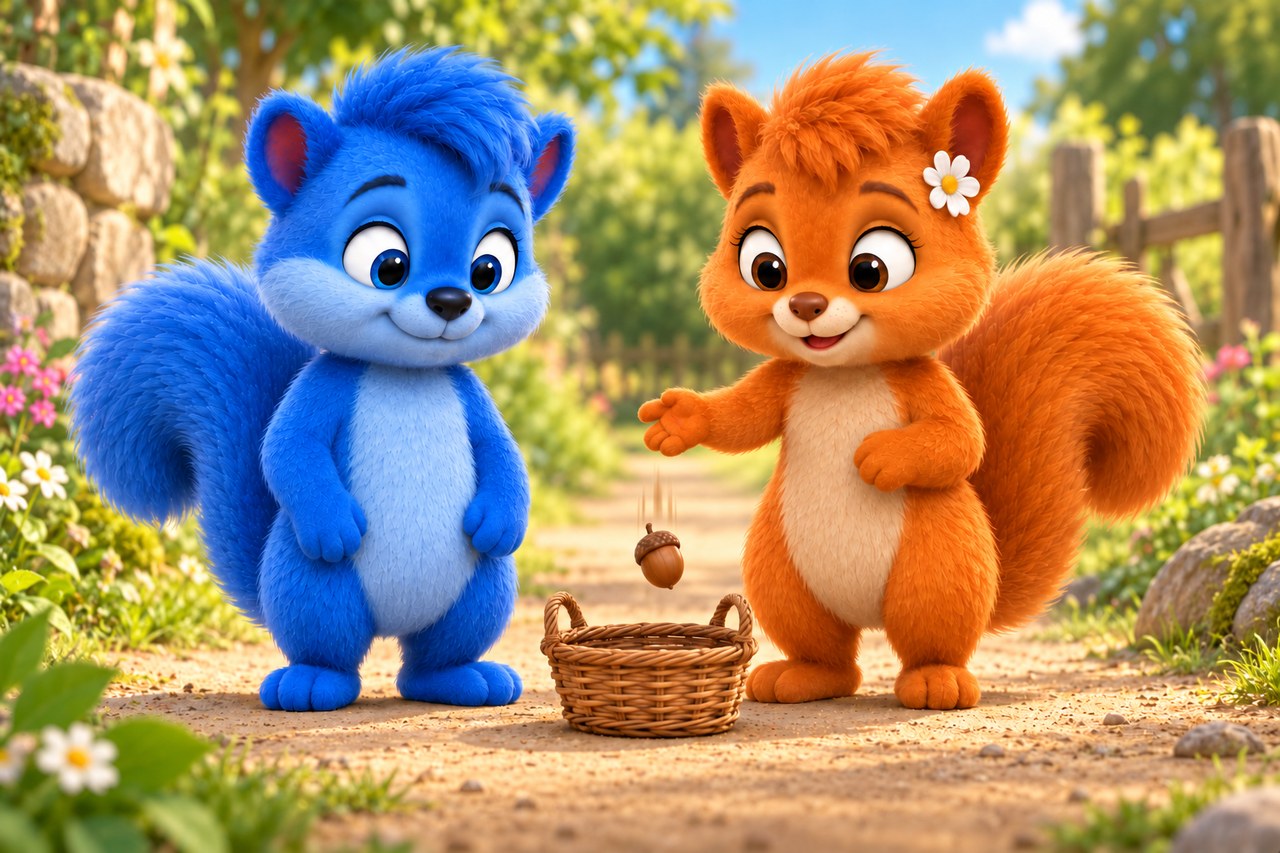
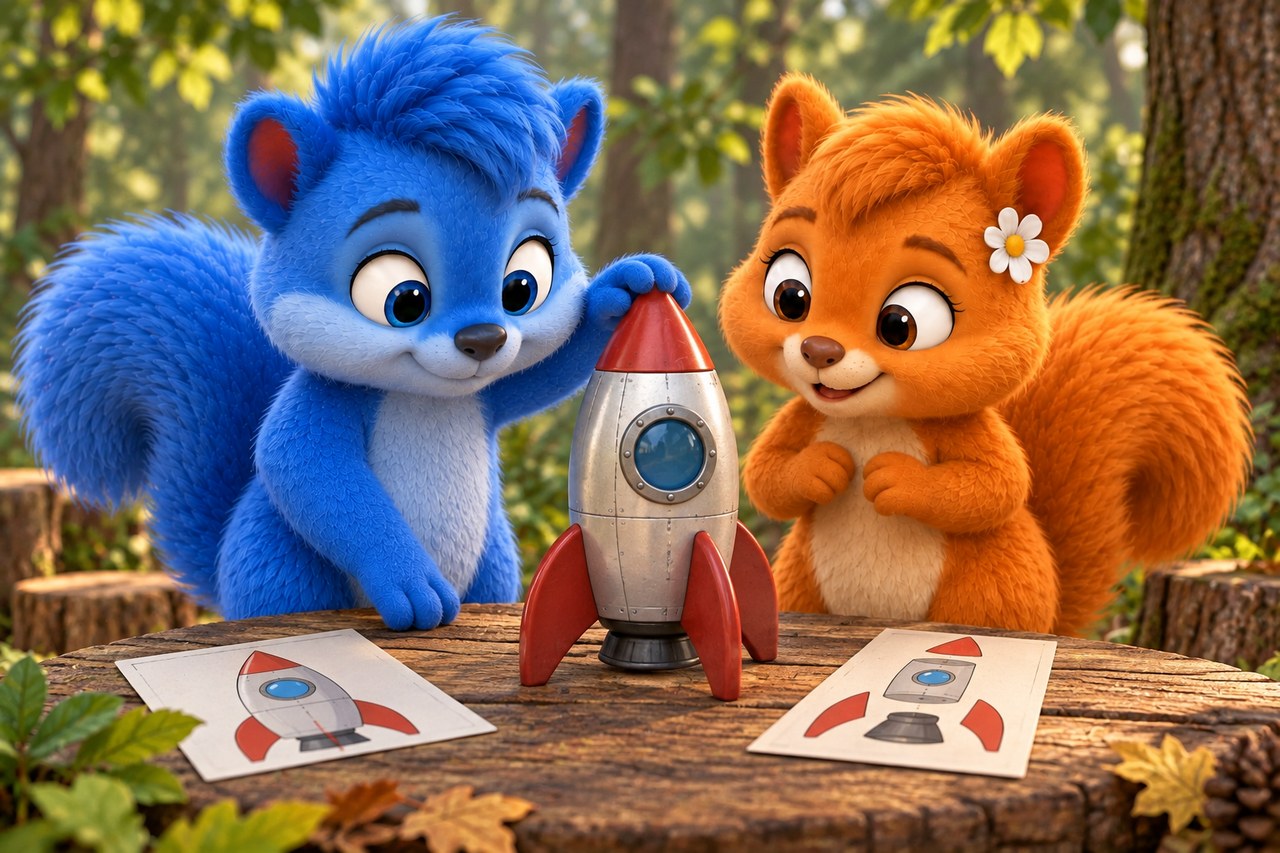
A rocket throws gas backwards at high speed. This pushes the rocket forwards: thrust from pushing material the other way.
Open learning page →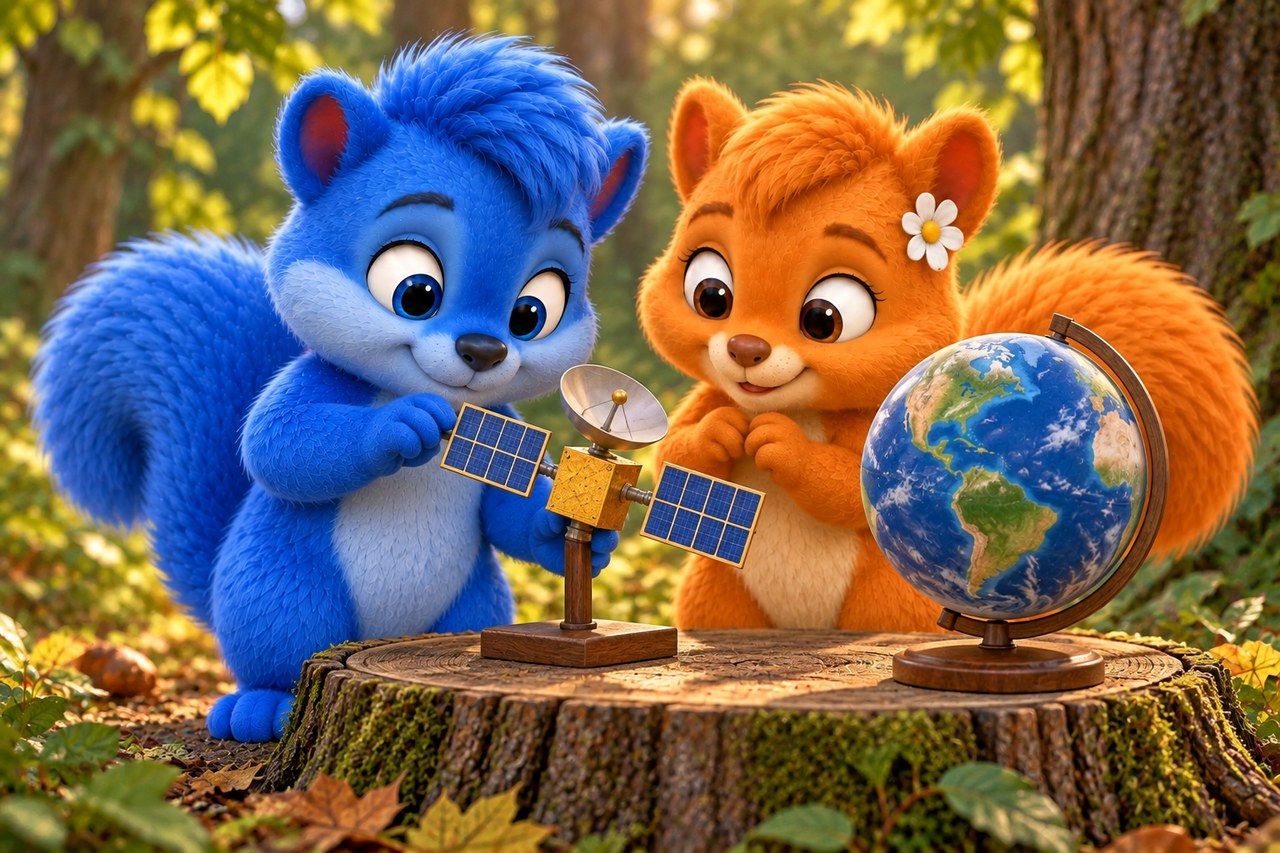
A satellite orbits a larger body in space. Artificial satellites carry equipment for tasks such as observing weather, relaying messages or research.
Open learning page →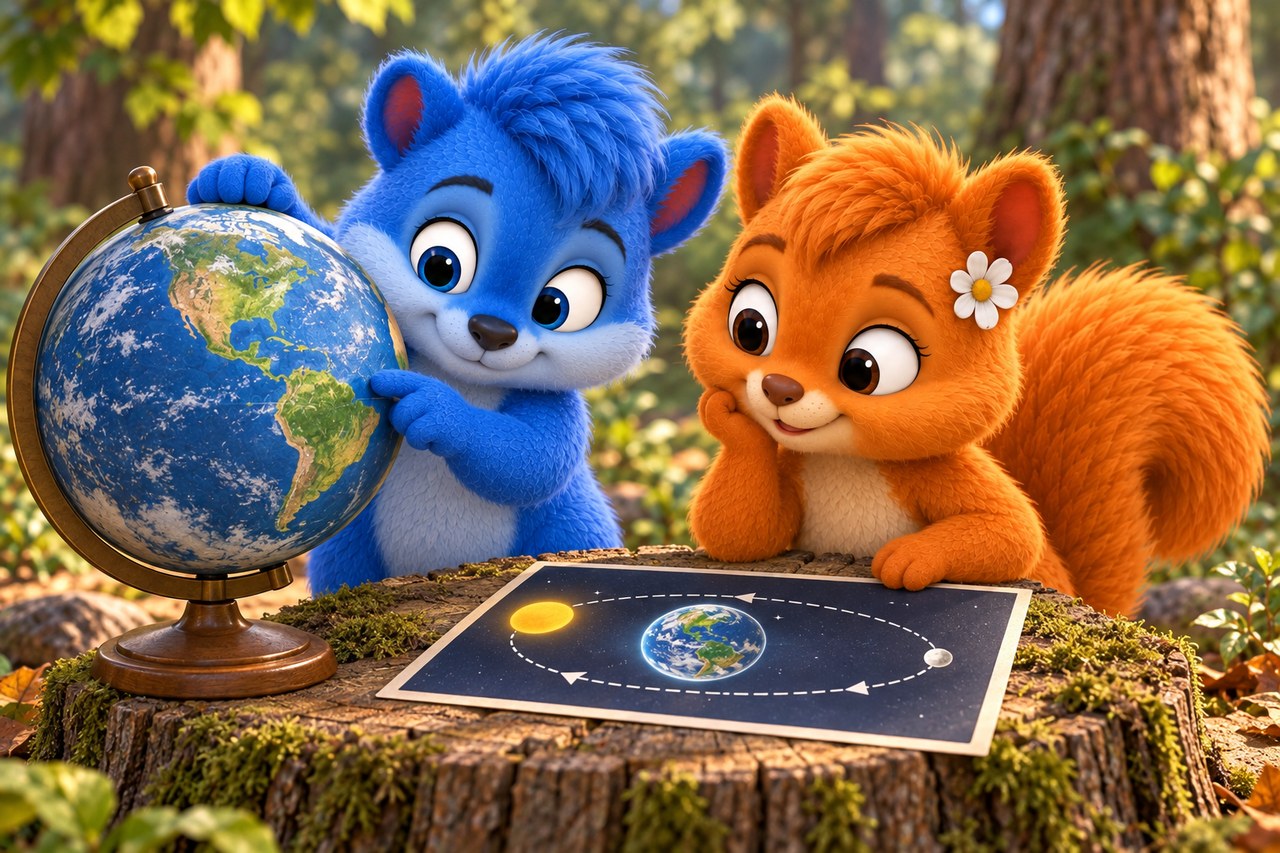
Earth's gravity pulls a satellite inward while it moves quickly sideways. With the right combination, it keeps falling around Earth instead of hitting the ground.
Open learning page →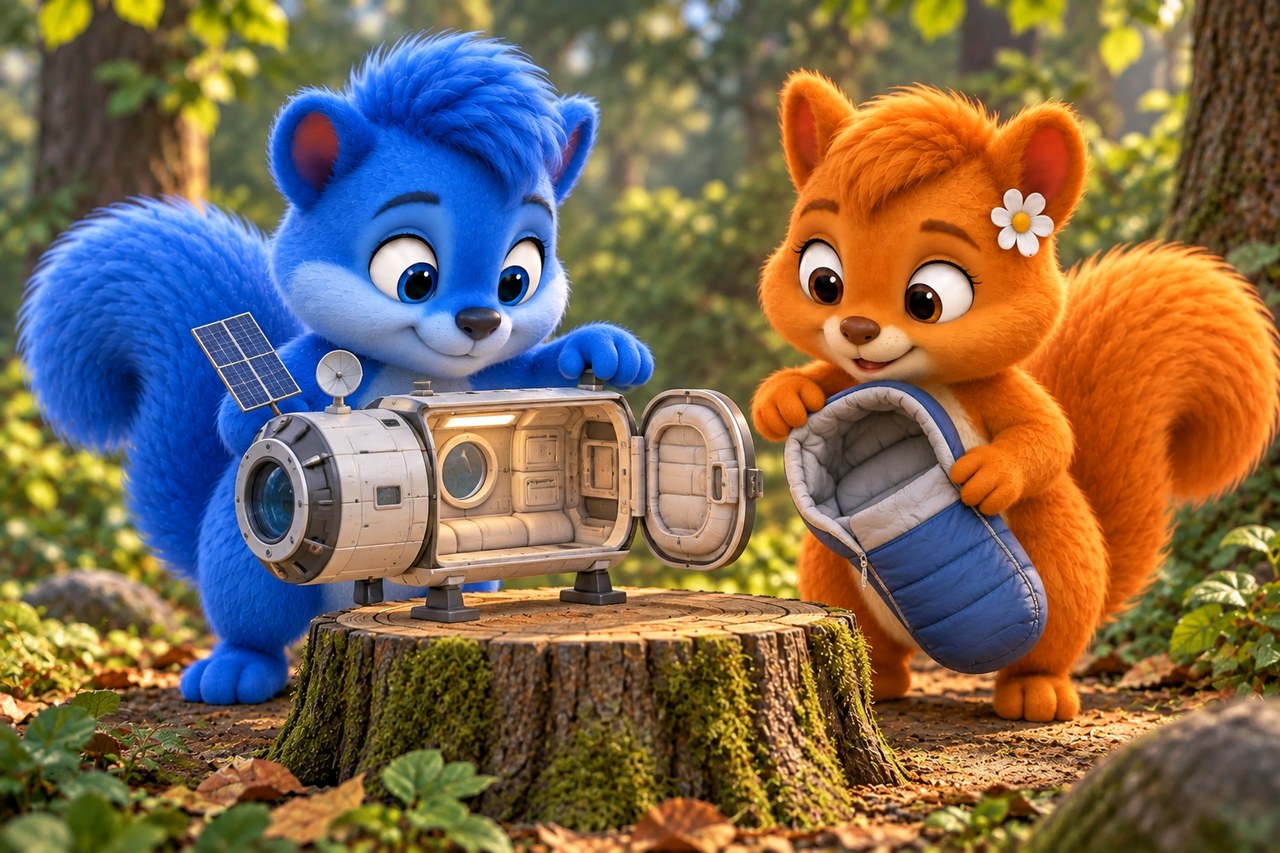
People and loose objects float inside the space station. Astronauts secure themselves in sleeping bags so they do not drift away.
Open learning page →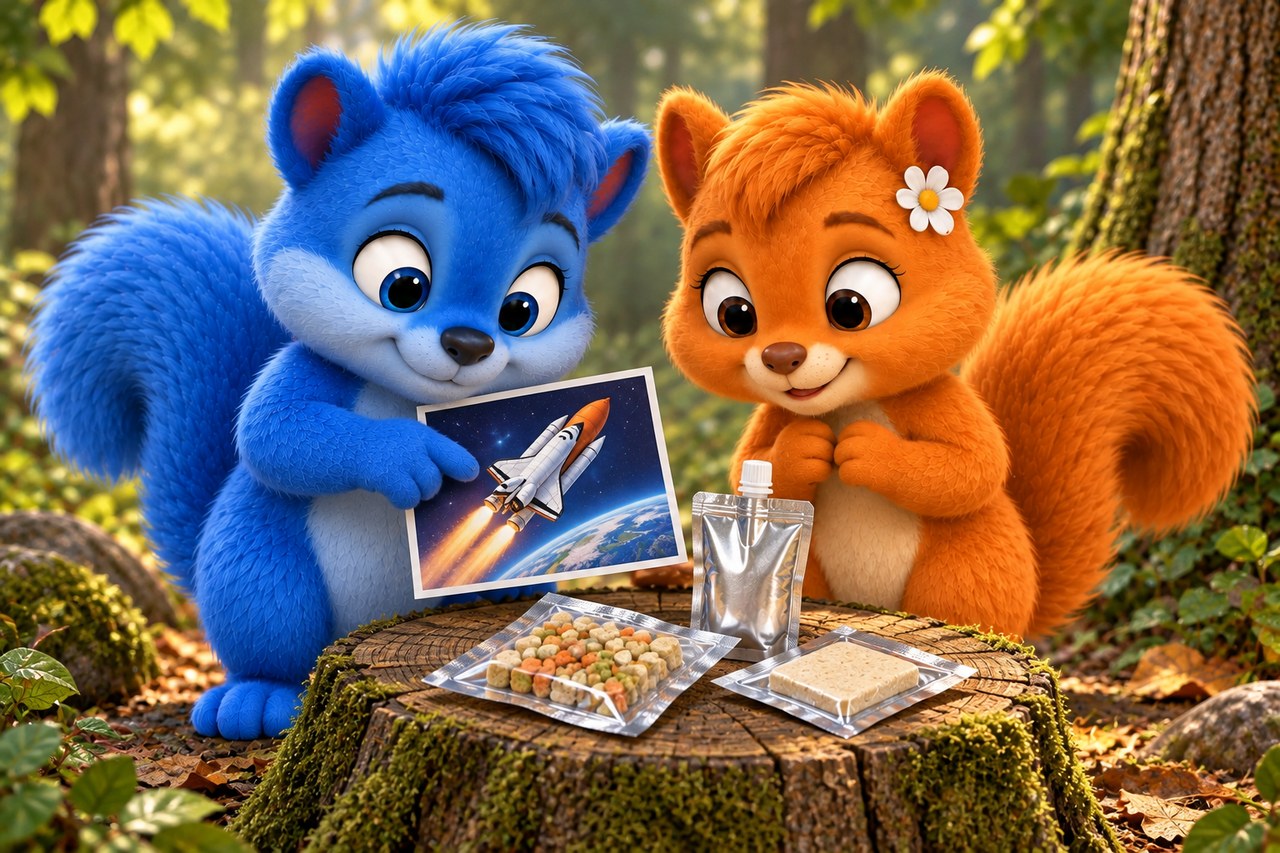
In the space station, drops and crumbs can float away. Drink pouches and suitable packaging help keep food contained.
Open learning page →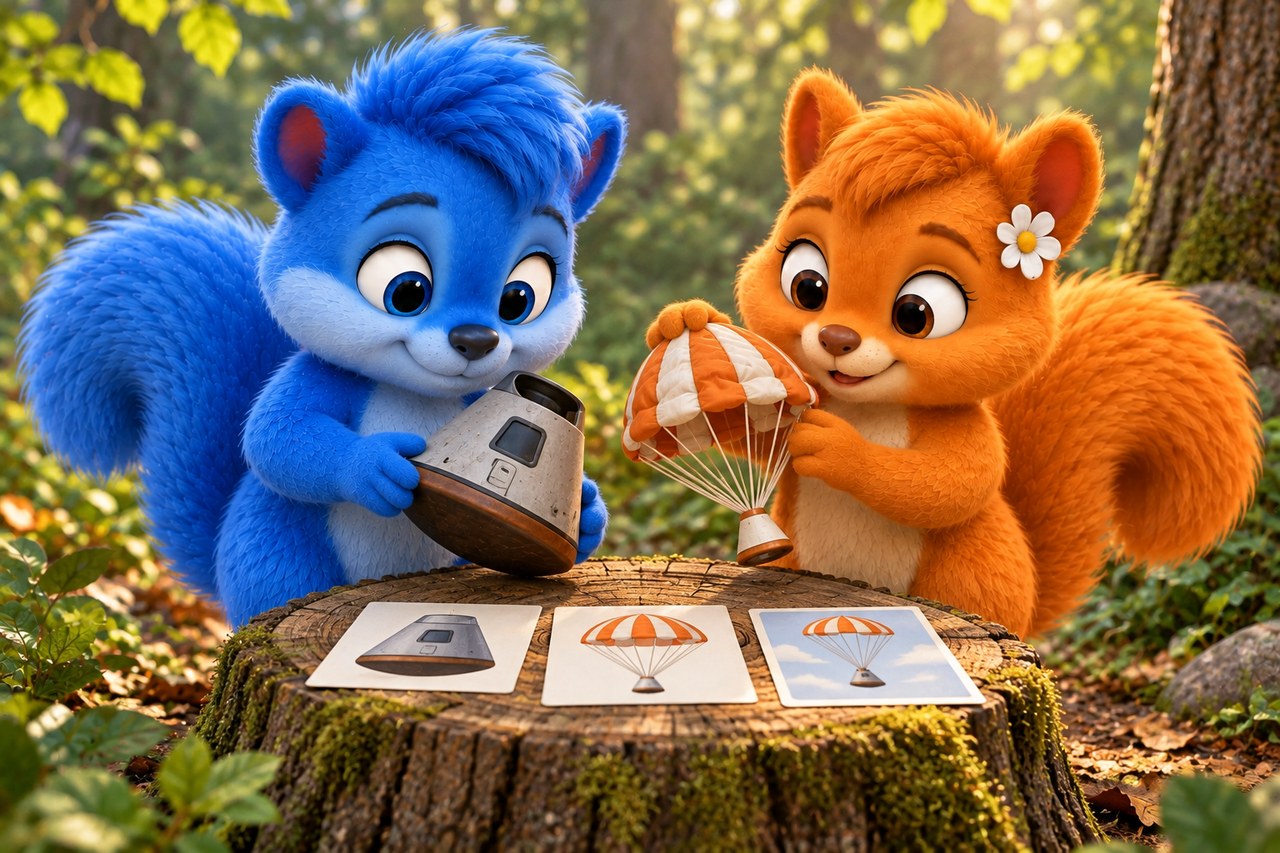
A returning capsule changes its path to enter Earth's air. There it slows sharply and gets very hot.
Open learning page →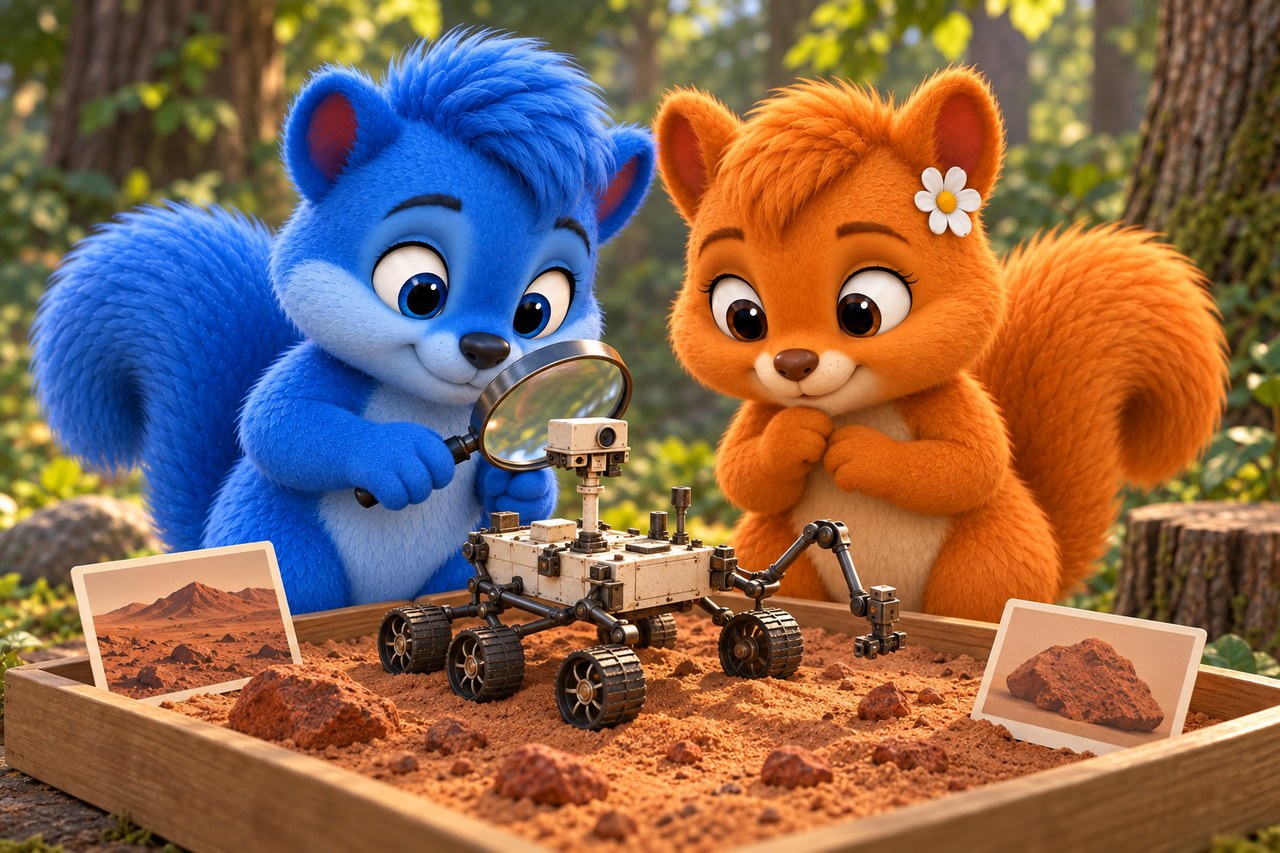
A Mars rover is a mobile research robot. Cameras and instruments examine rocks and ground.
Open learning page →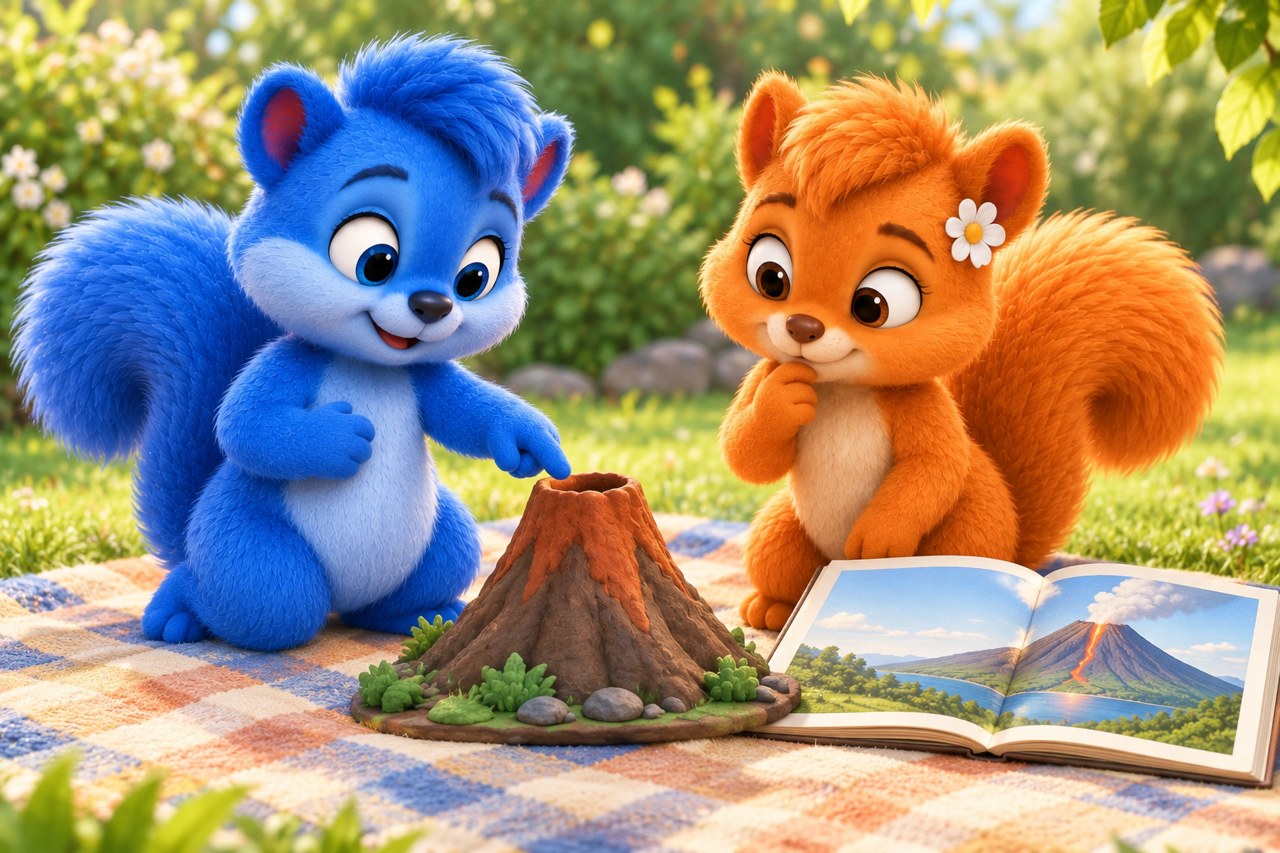
Molten rock can rise through openings from inside Earth. Below the surface it is magma; above it, lava.
Open learning page →
Many mountain ranges form when Earth's plates move together. Rock folds, breaks and rises.
Open learning page →
Sunlight contains many colours. Air particles scatter shorter-wavelength light especially strongly in different directions.
Open learning page →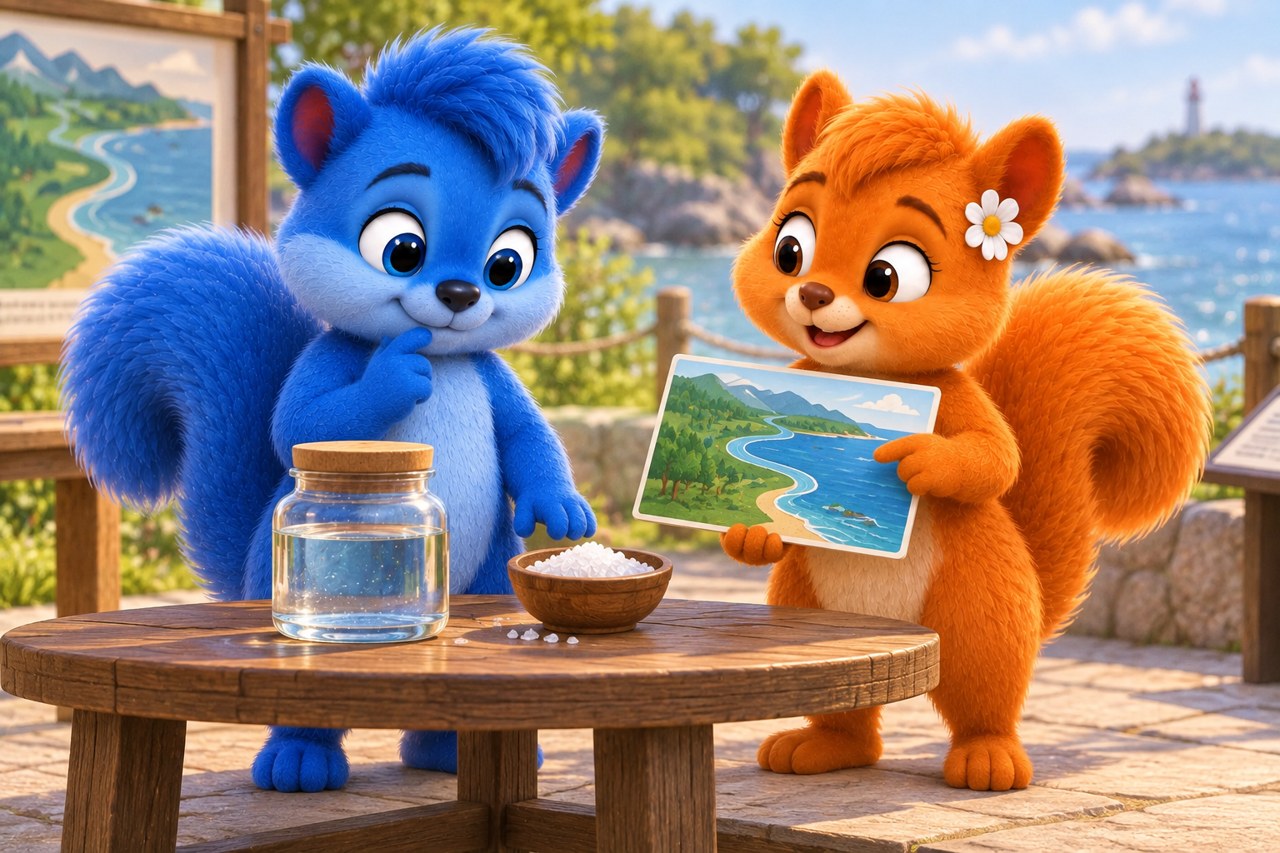
Water dissolves material from rocks, and rivers carry dissolved salts to the sea. When seawater evaporates, most salt stays behind.
Open learning page →
The Moon's pull differs across Earth, and the Sun contributes too. This creates tides.
Open learning page →
Remains or traces can survive if quickly covered under suitable conditions. Over long times they become fossils.
Open learning page →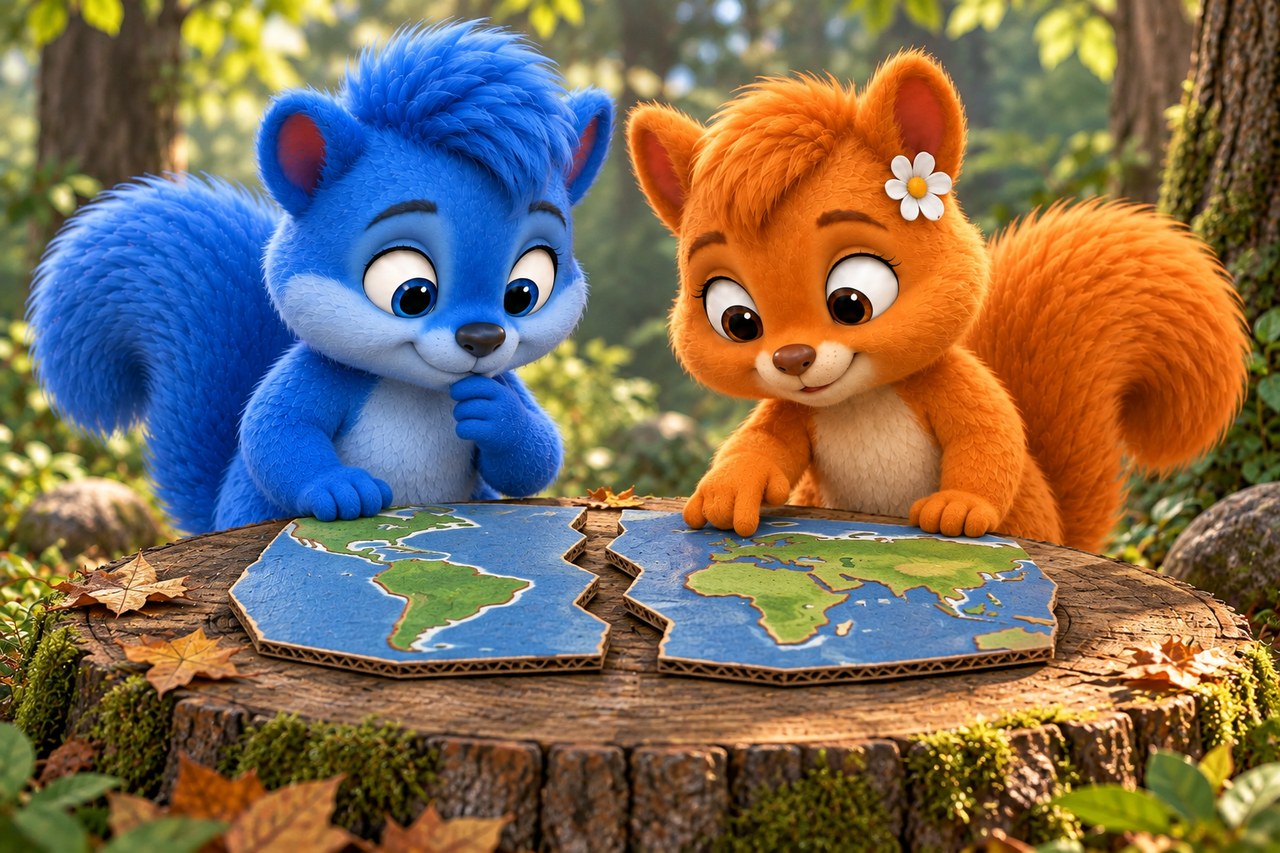
Parts of Earth's solid surface move very slowly. Rock can get stuck and then suddenly slip.
Open learning page →
Near the poles, sunlight strikes the ground at a shallow angle. Its energy spreads over a larger area, warming it less strongly.
Open learning page →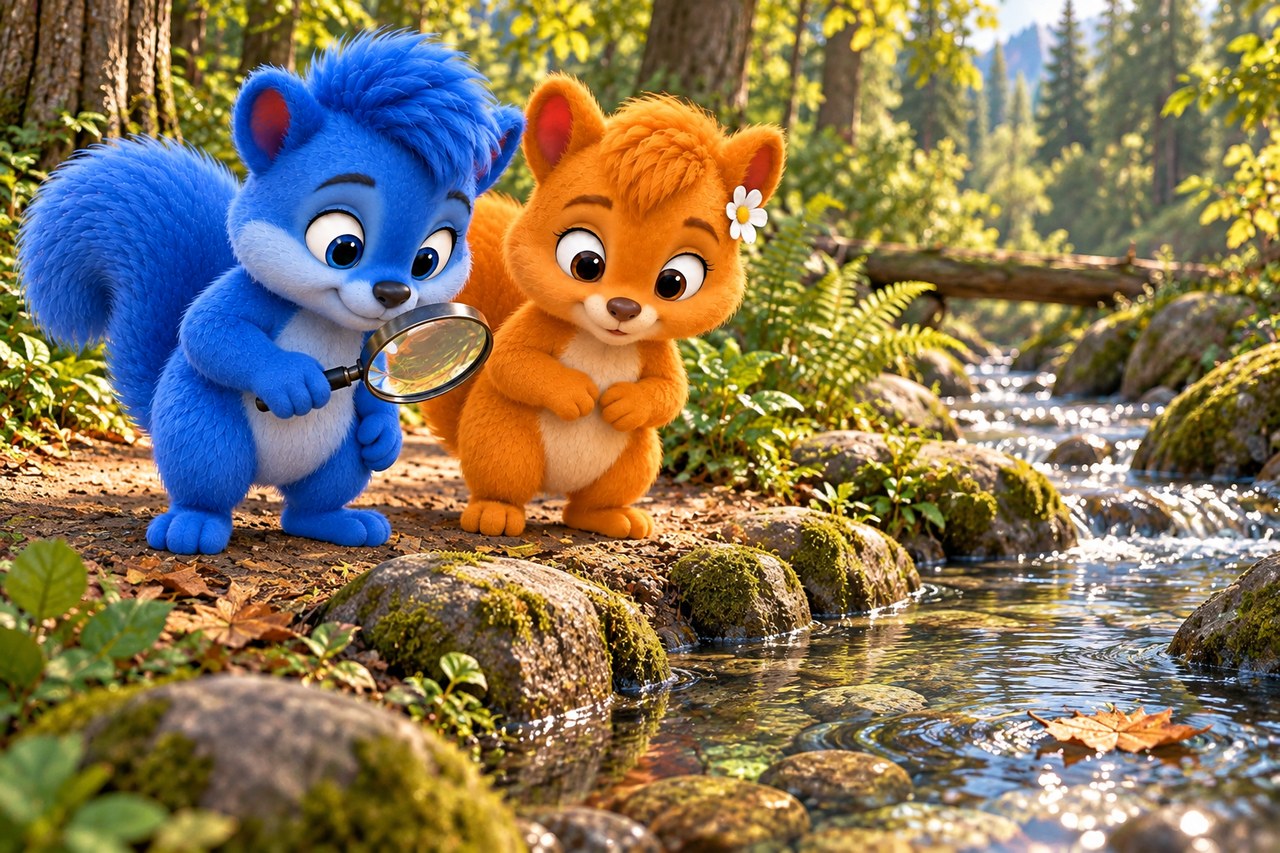
Flowing water can wear away and carry off soil and rock. Over a long time a river can cut into the landscape and shape a valley.
Open learning page →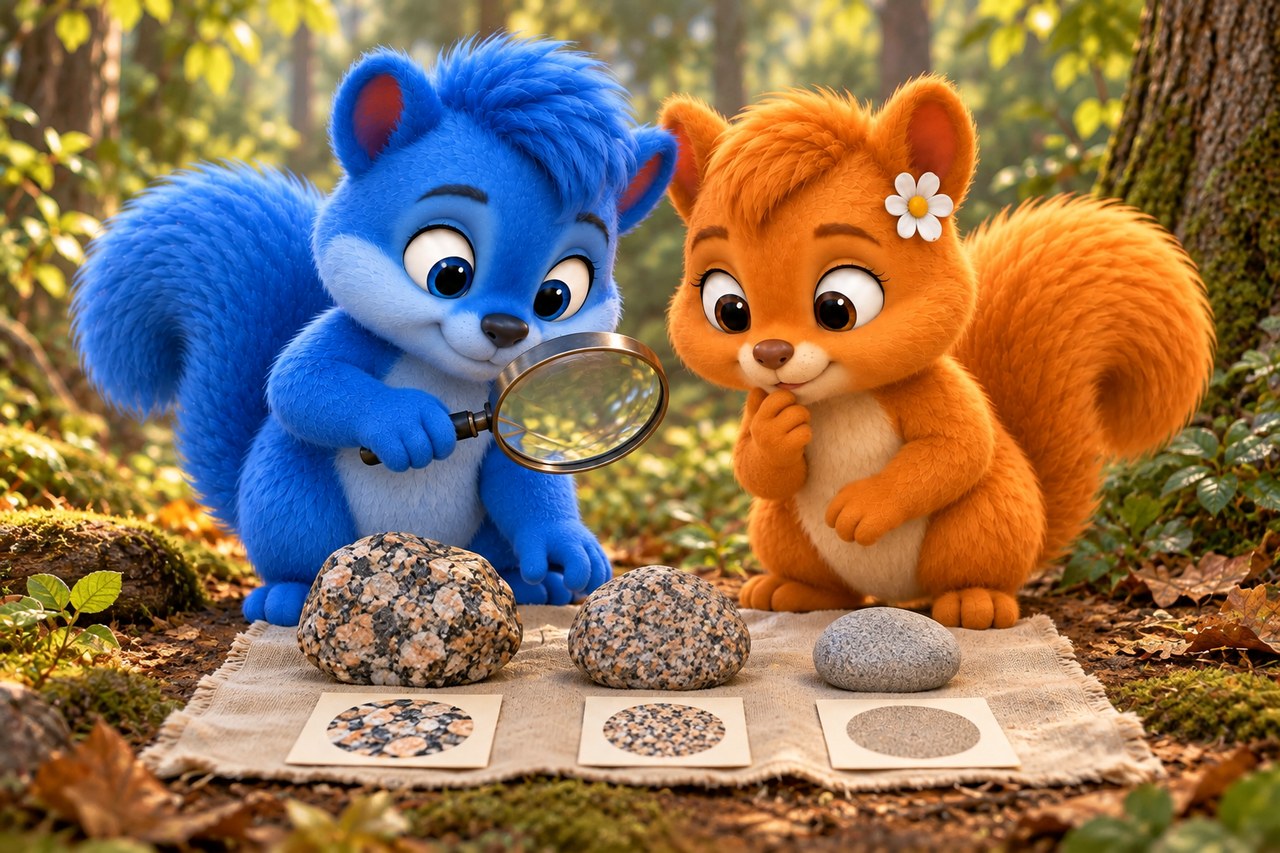
Many rocks contain different minerals: natural substances with an orderly internal structure. They combine in different ways as rocks form.
Open learning page →Camouflage, trapping leaves, Ice Age animals, storms, caves and the deep ocean: nine learning journeys with pictures, examples and explained terms.
Explore topics →From Earth to other planets: discover spaceflight, models and questions researchers investigate.
Explore topics →How did people live in the past? Examine buildings, objects and writing, distinguishing evidence from invented stories.
Explore topics →