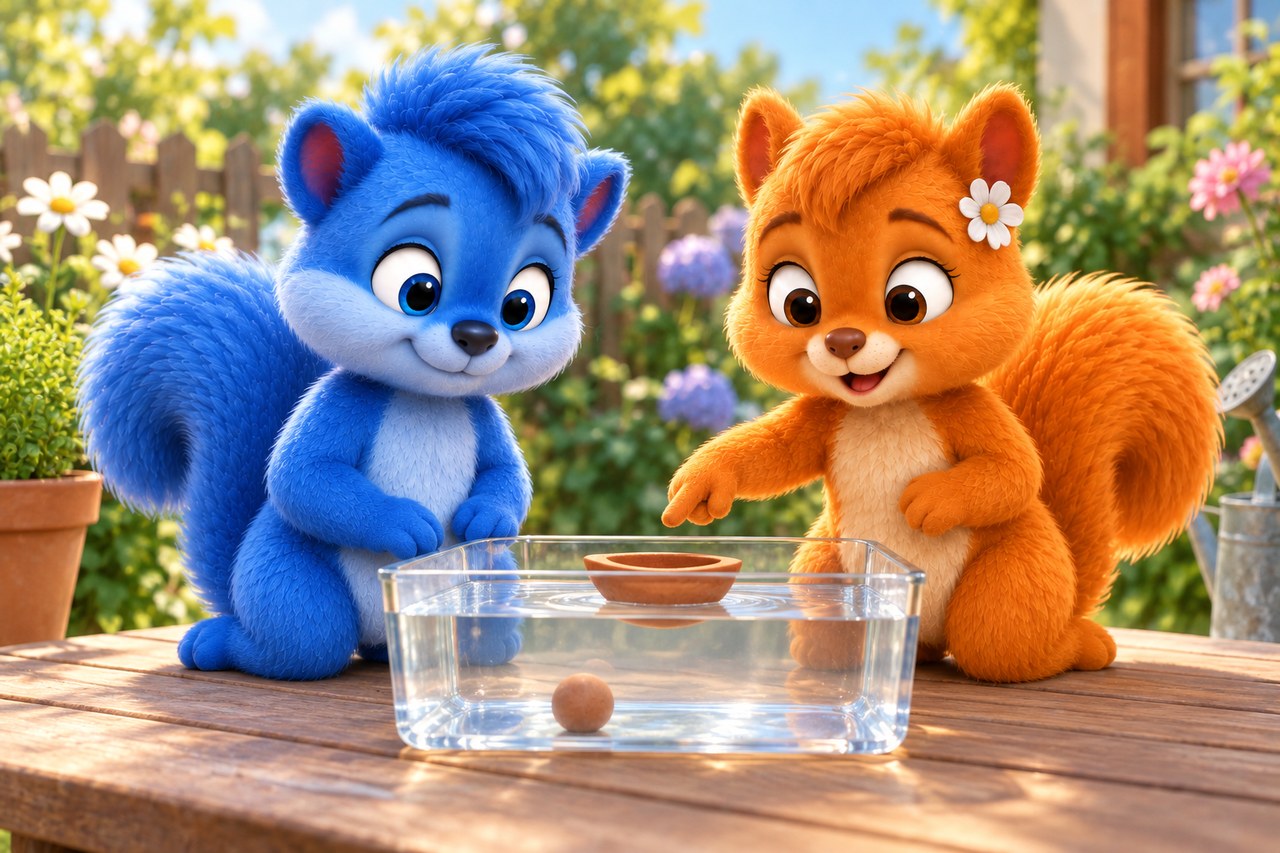
Why does a heavy ship float?
A hollow hull pushes aside a lot of water. The water pushes upward with a force called buoyancy.
Open learning page →Your choices apply to all pages in this browser.
Everyday puzzles and fascinating ideas to explore.
A hollow hull pushes aside a lot of water. The water pushes upward with a force called buoyancy.
Open learning page →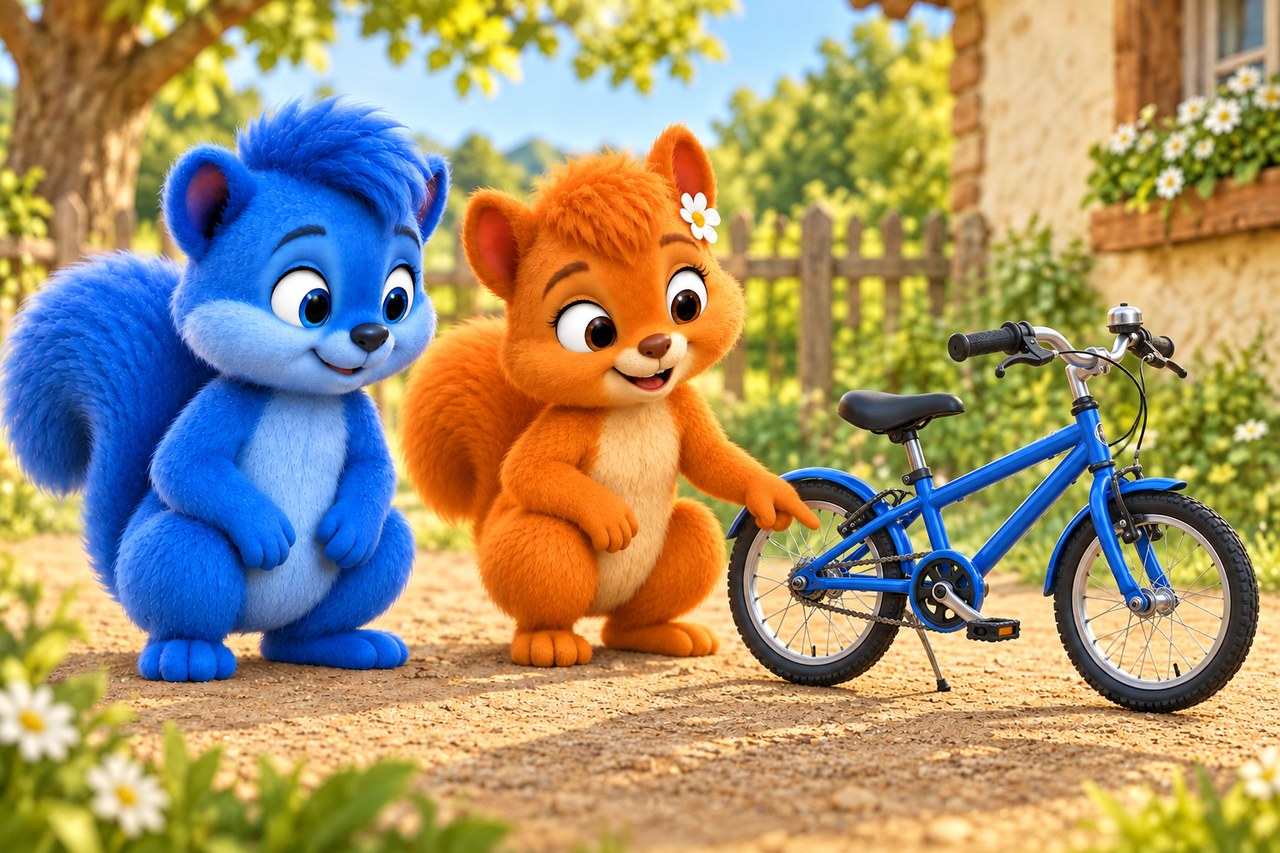
Pedalling turns the front chainring. The chain carries the movement to drive the rear wheel.
Open learning page →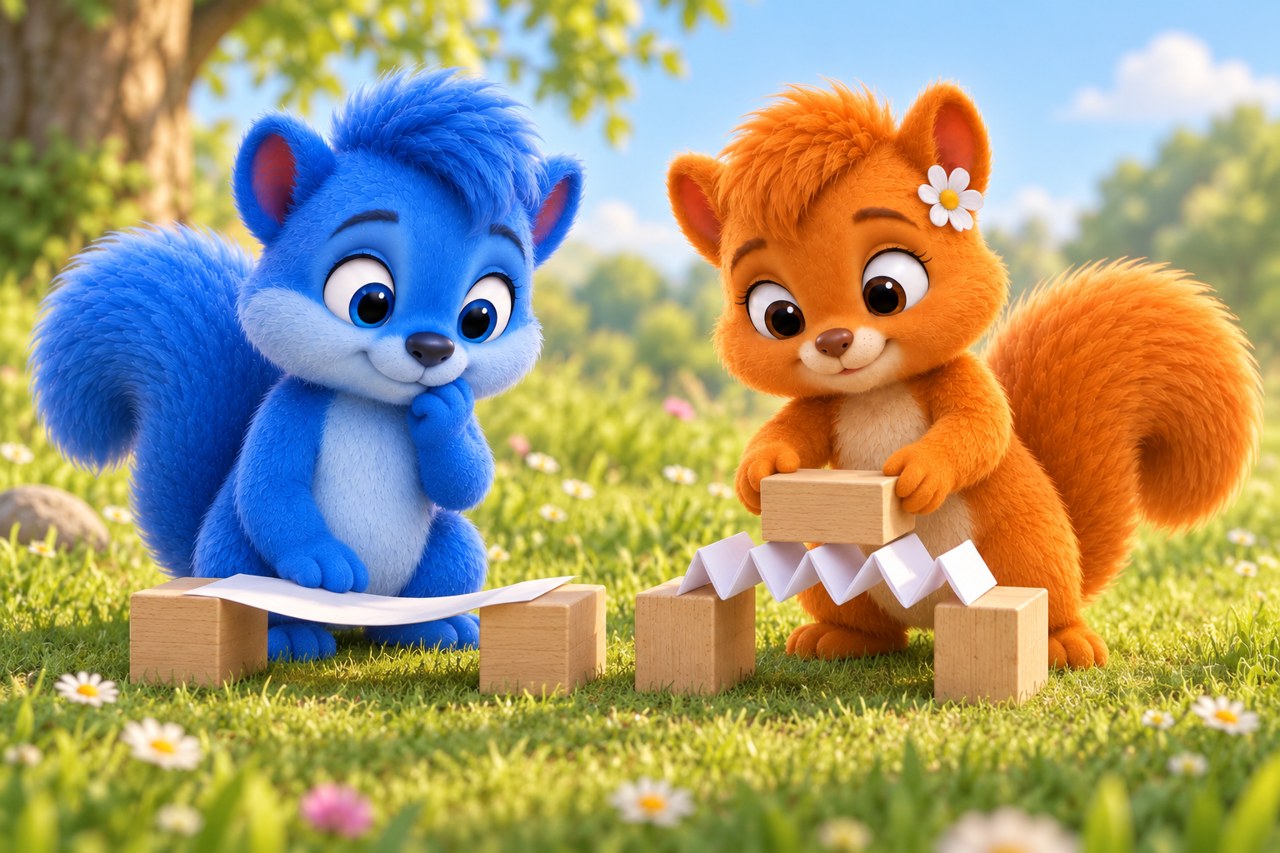
Folding changes a sheet's shape. A suitable folded shape bends less easily under the same load than a flat sheet.
Open learning page →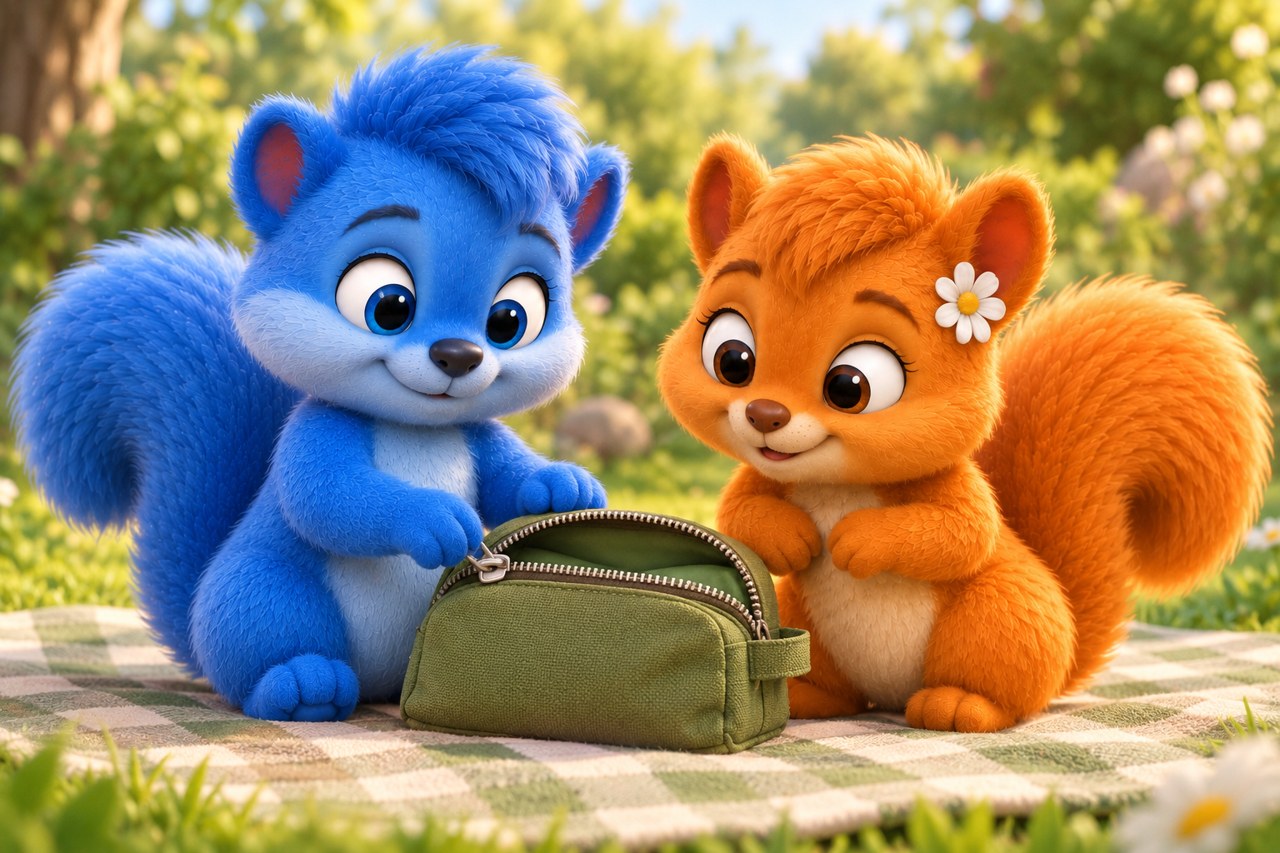
The slider guides two rows of matching teeth together so they interlock. Moving the other way separates them.
Open learning page →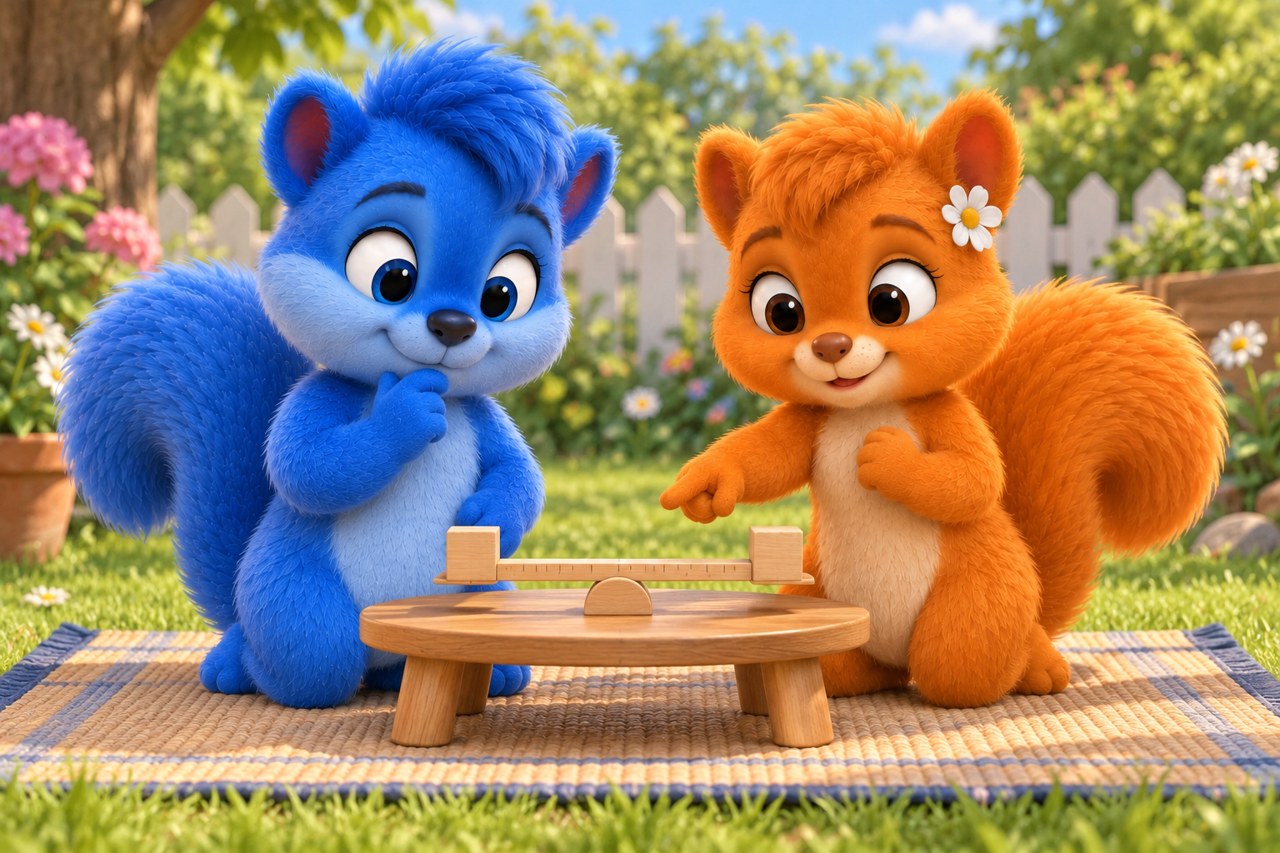
A seesaw turns around its support. Each side's turning effect depends on weight and distance.
Open learning page →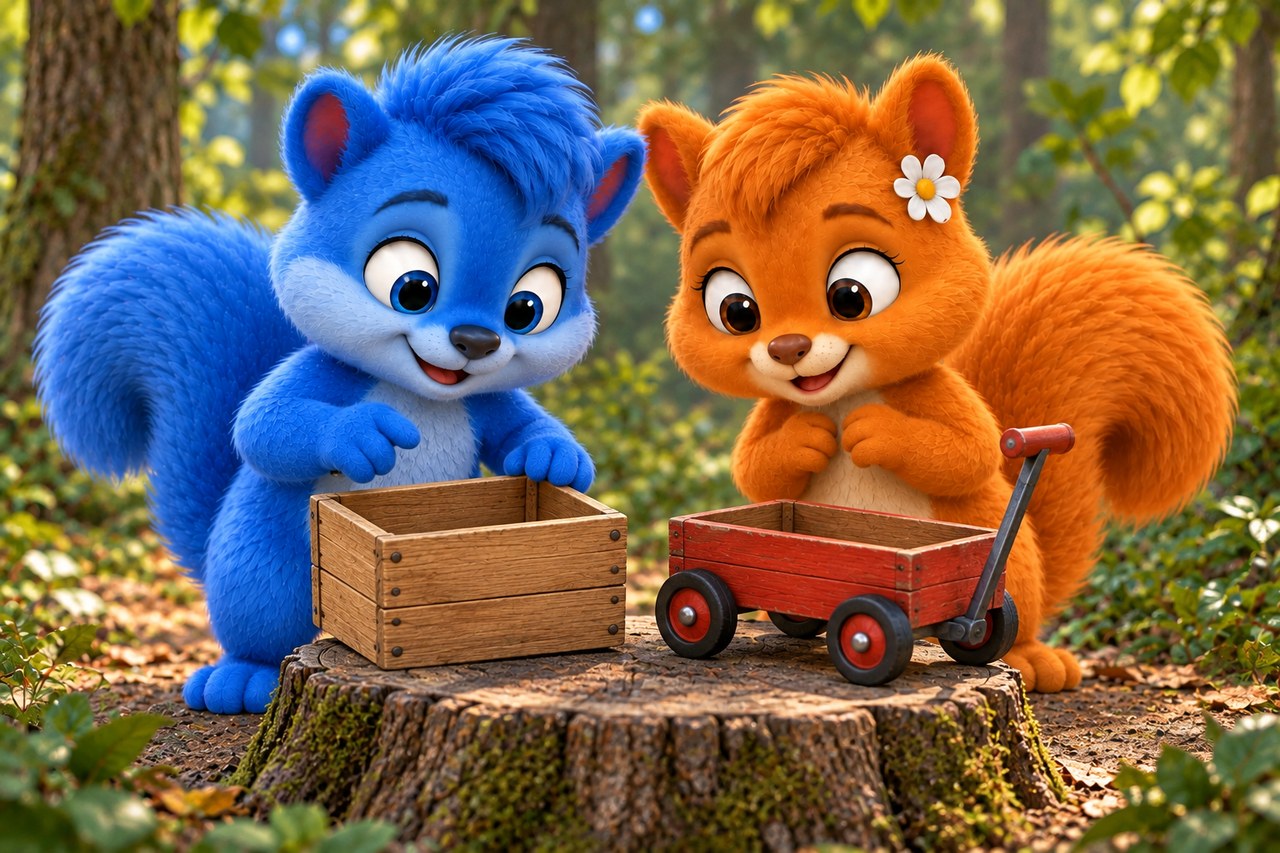
A box slides its bottom across the ground. Wheels roll instead.
Open learning page →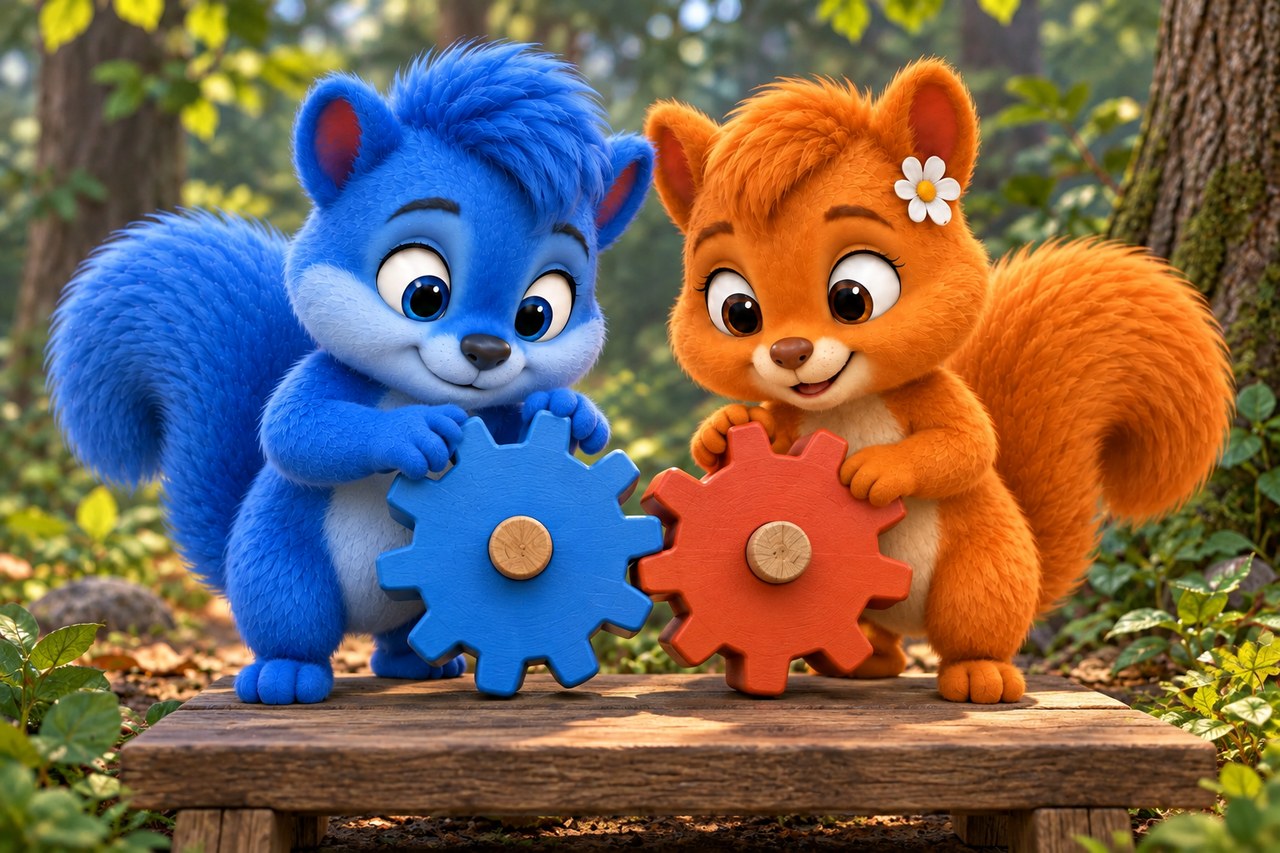
When two external gears mesh, each pushes the other in the opposite direction. A small wheel must turn more times than a large one to pass the same number of teeth.
Open learning page →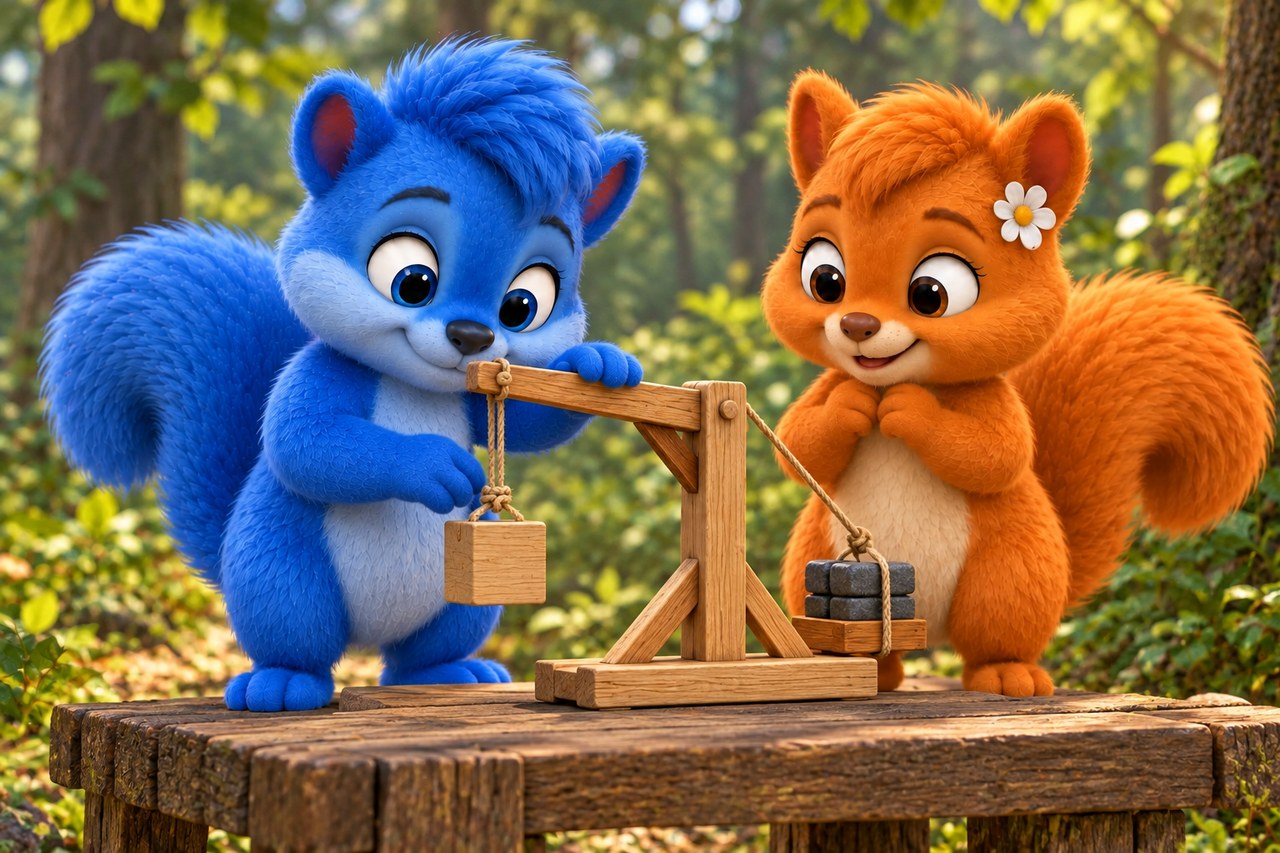
A load on a long crane arm pulls the crane to one side. A counterweight and a stable base help balance it.
Open learning page →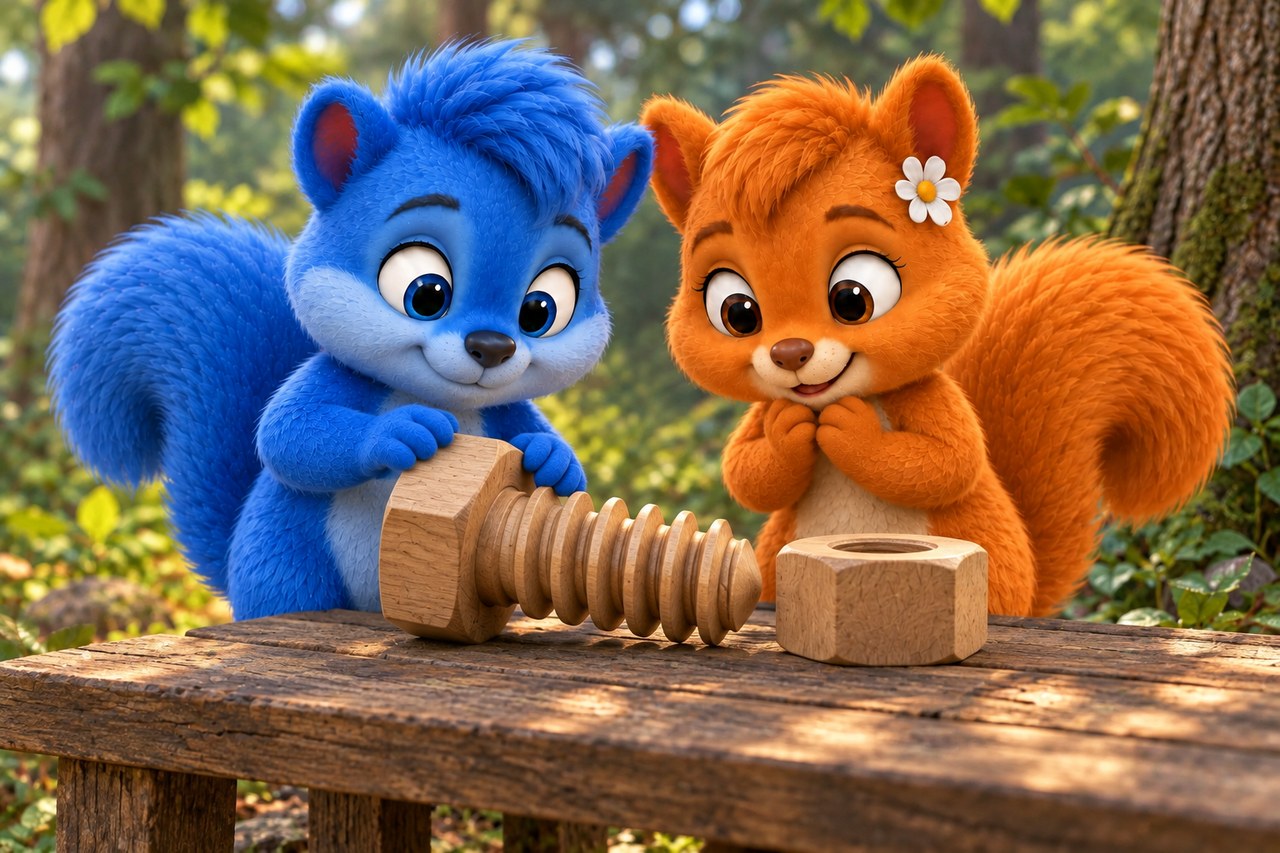
A ridge winds around a screw: its thread. Turning makes the thread grip the wood.
Open learning page →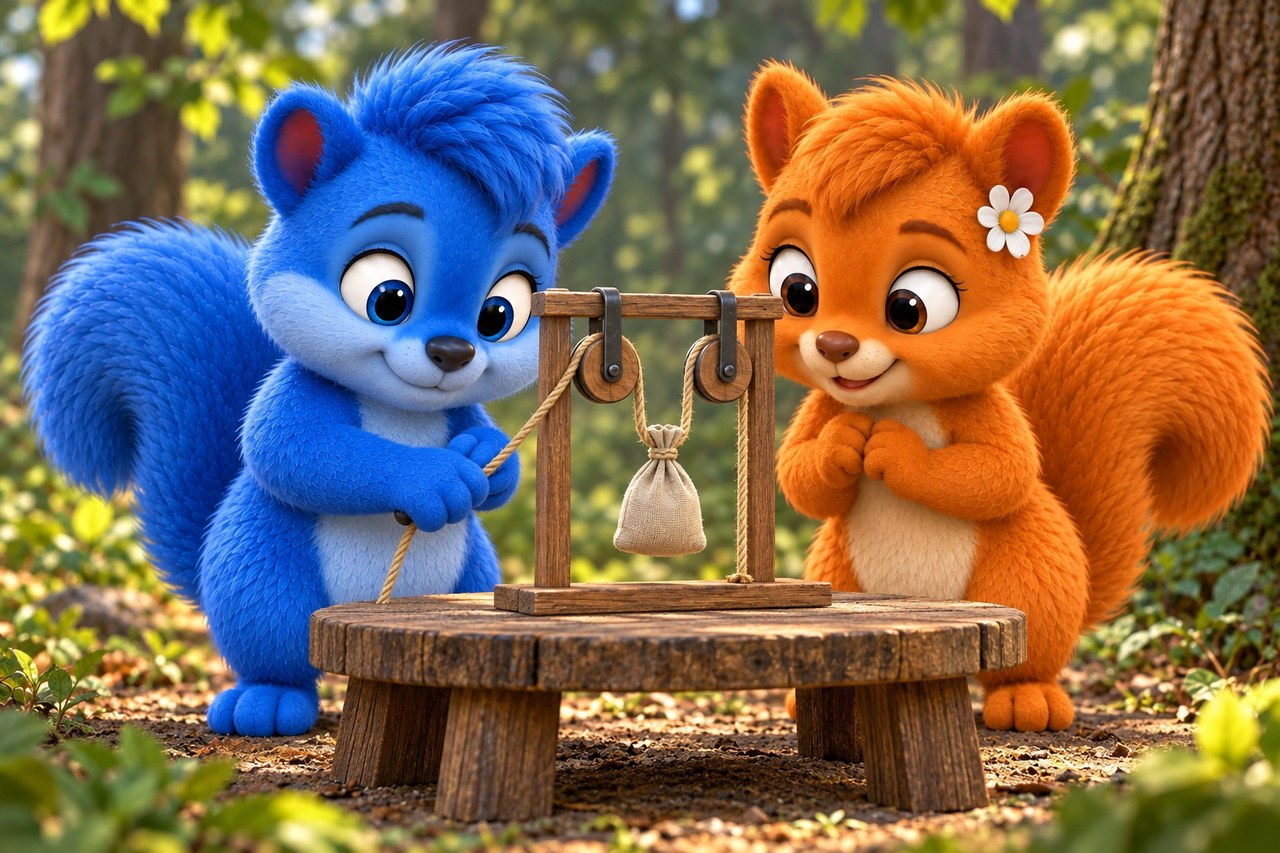
In a pulley system, several sections of rope can support a load. This can reduce the pulling force needed.
Open learning page →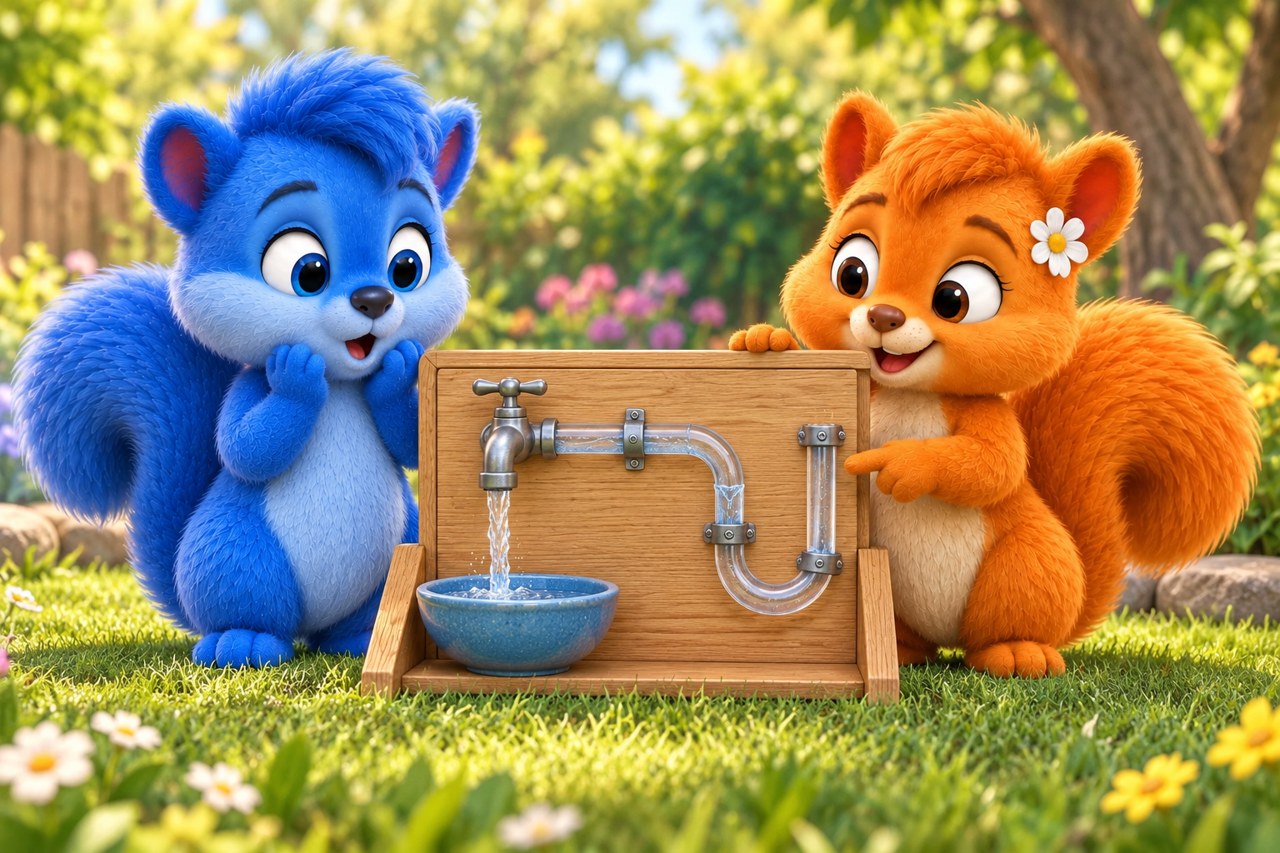
Drinking water is collected, checked and treated when needed. Pipes carry it under pressure to homes.
Open learning page →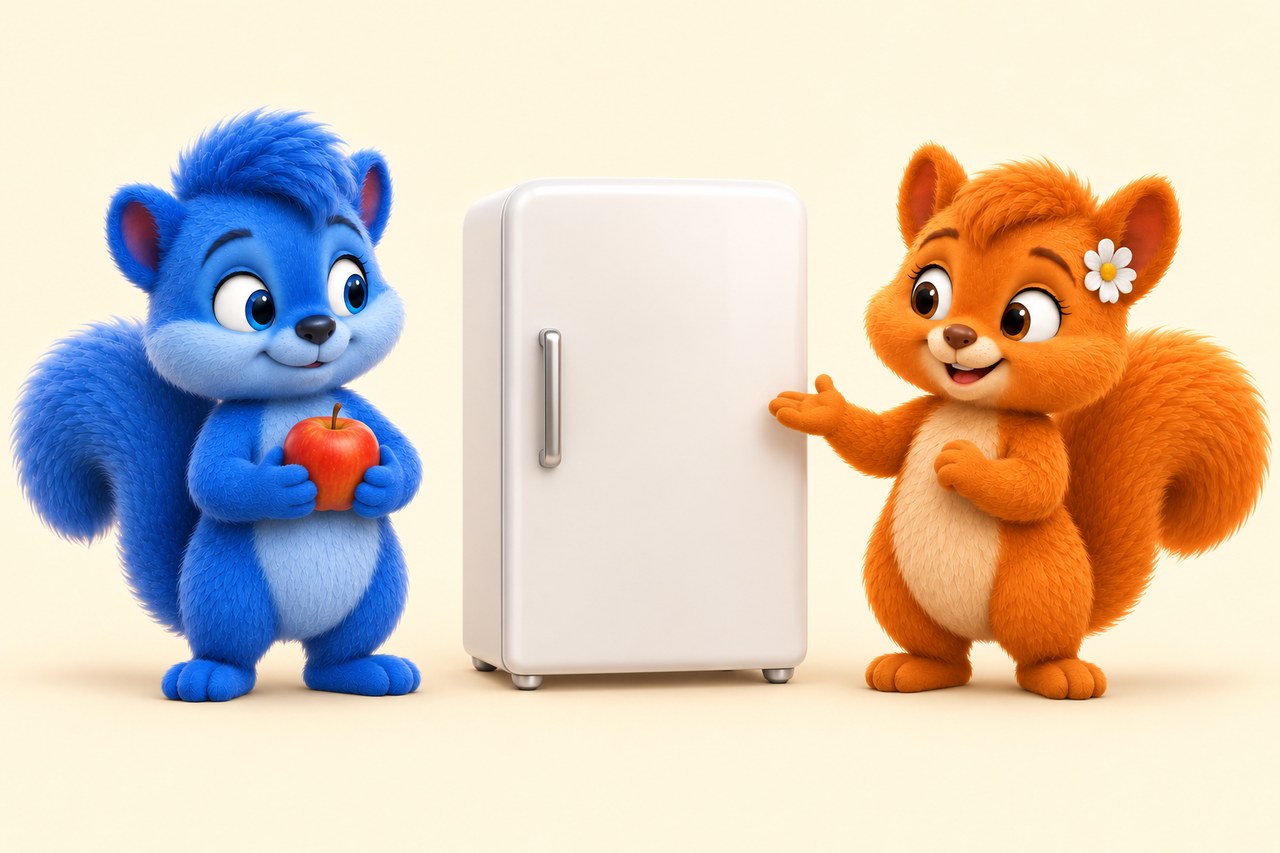
A refrigerator moves heat from inside to outside. A special fluid in closed pipes takes in heat inside and releases it outside.
Open learning page →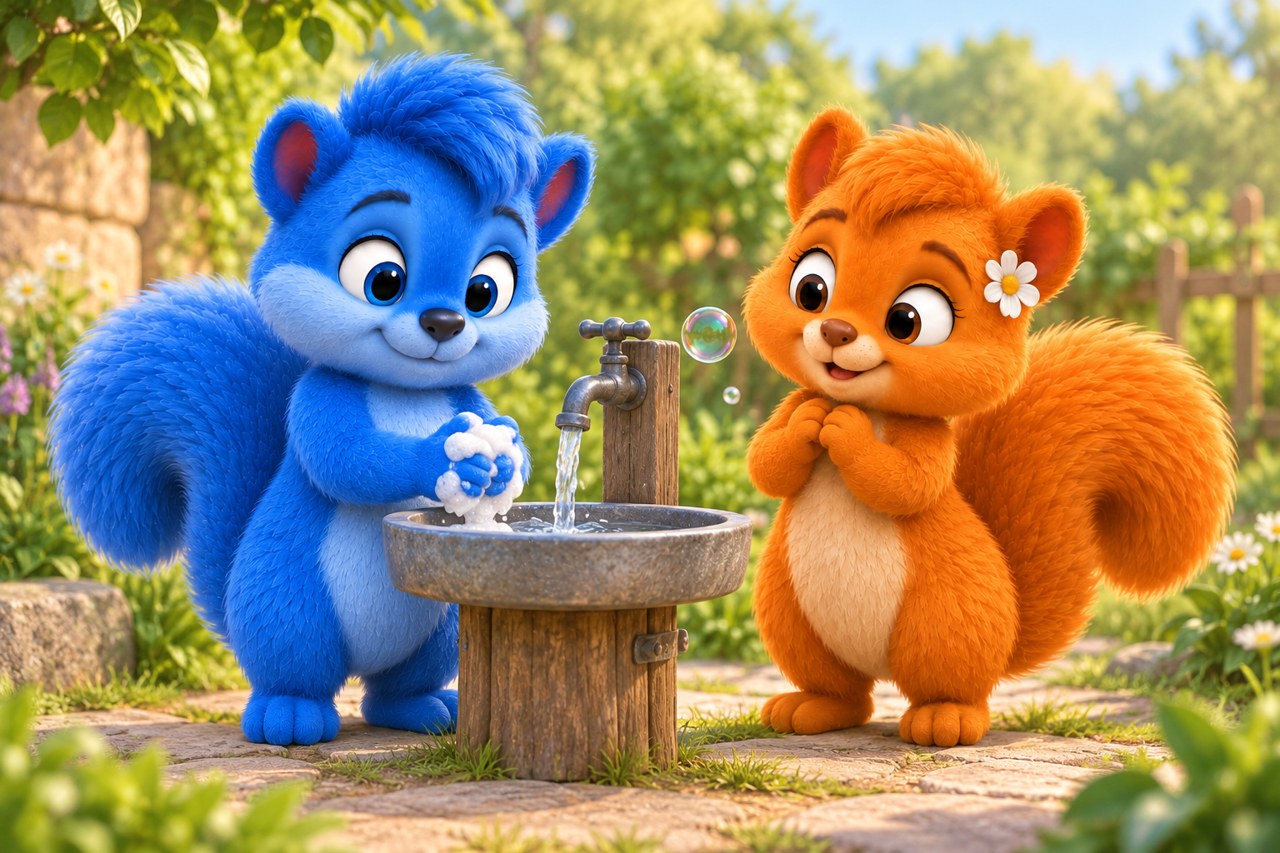
Soap helps loosen dirt, grease and many germs from hands. Rubbing spreads it over the skin; water rinses loosened material away.
Open learning page →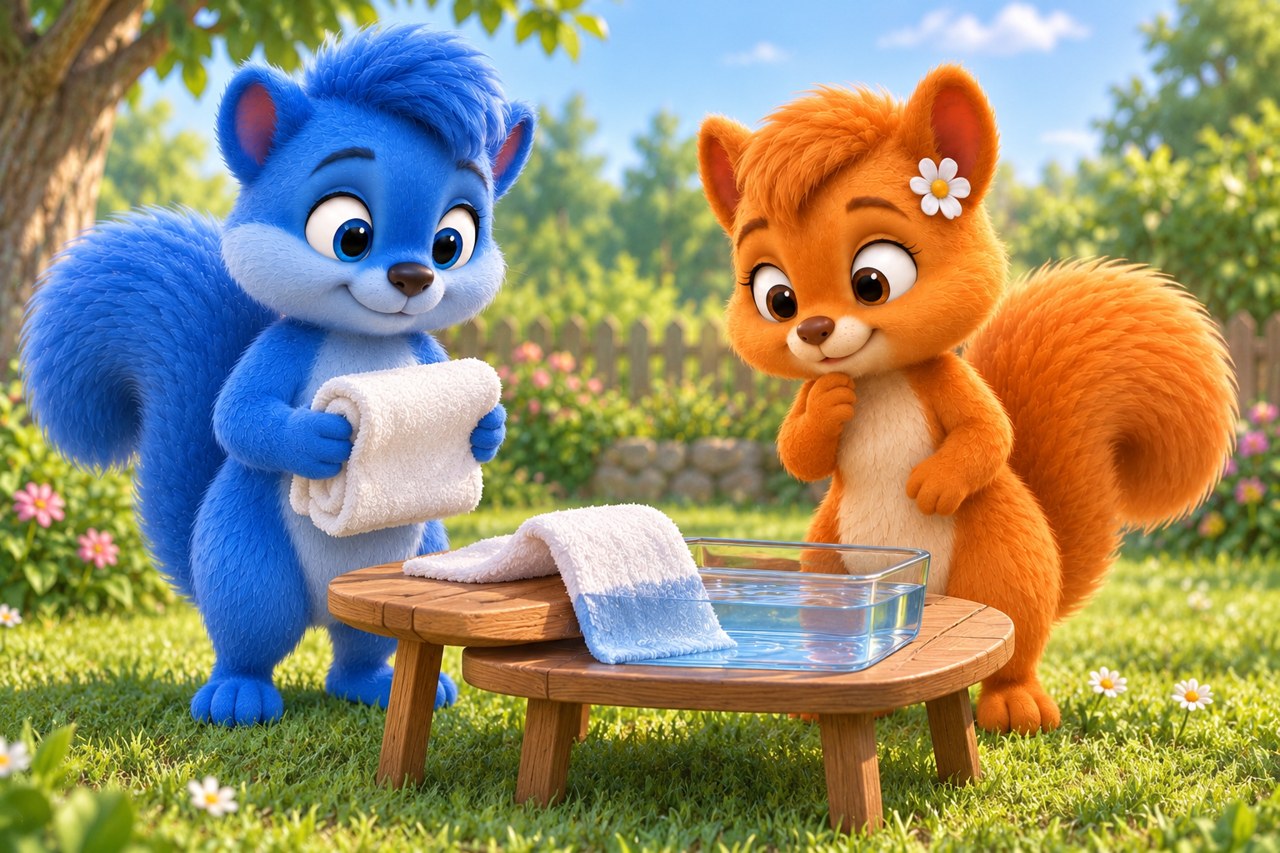
Tiny spaces lie between a towel's fibres. Water clings to suitable fibres and spreads through these spaces.
Open learning page →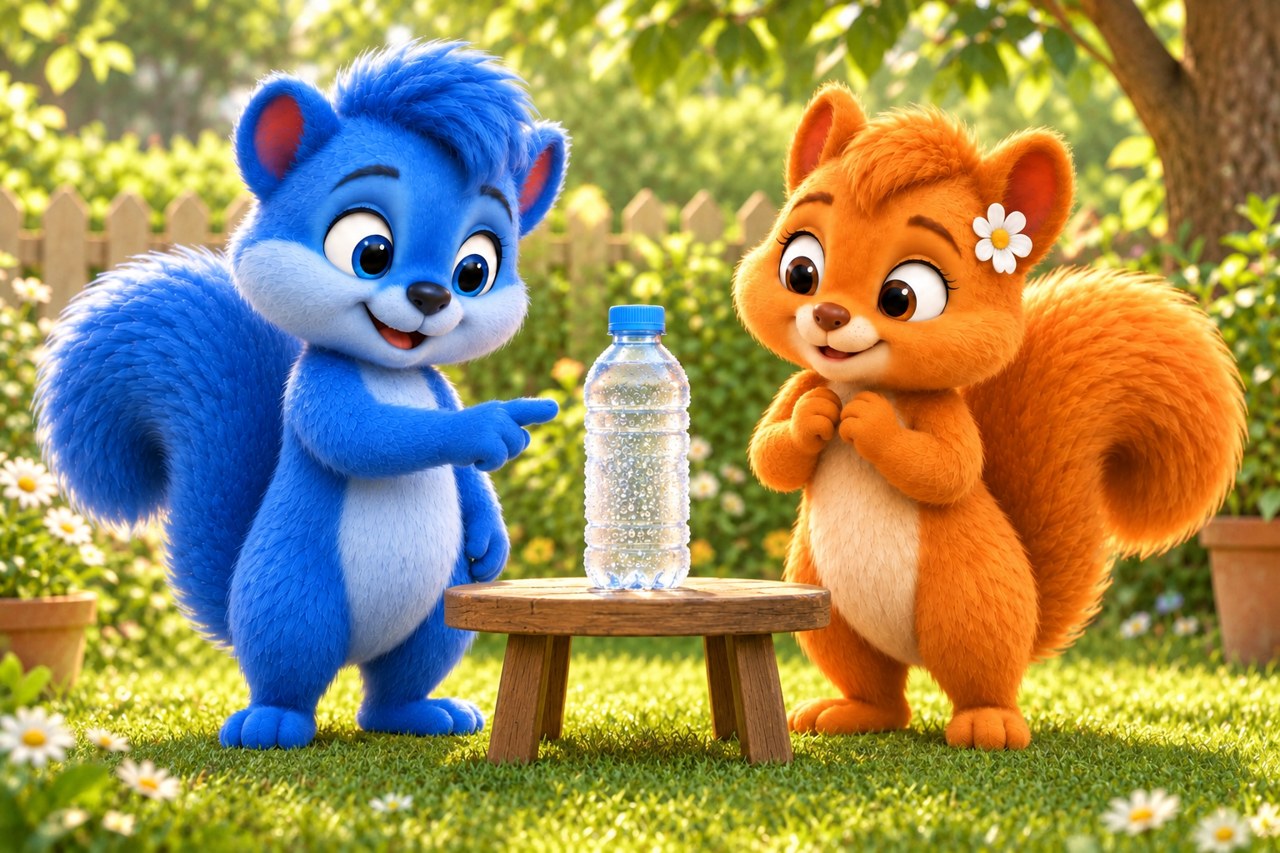
Warm moist air can cool against cold glass. Invisible water vapour then becomes tiny liquid drops.
Open learning page →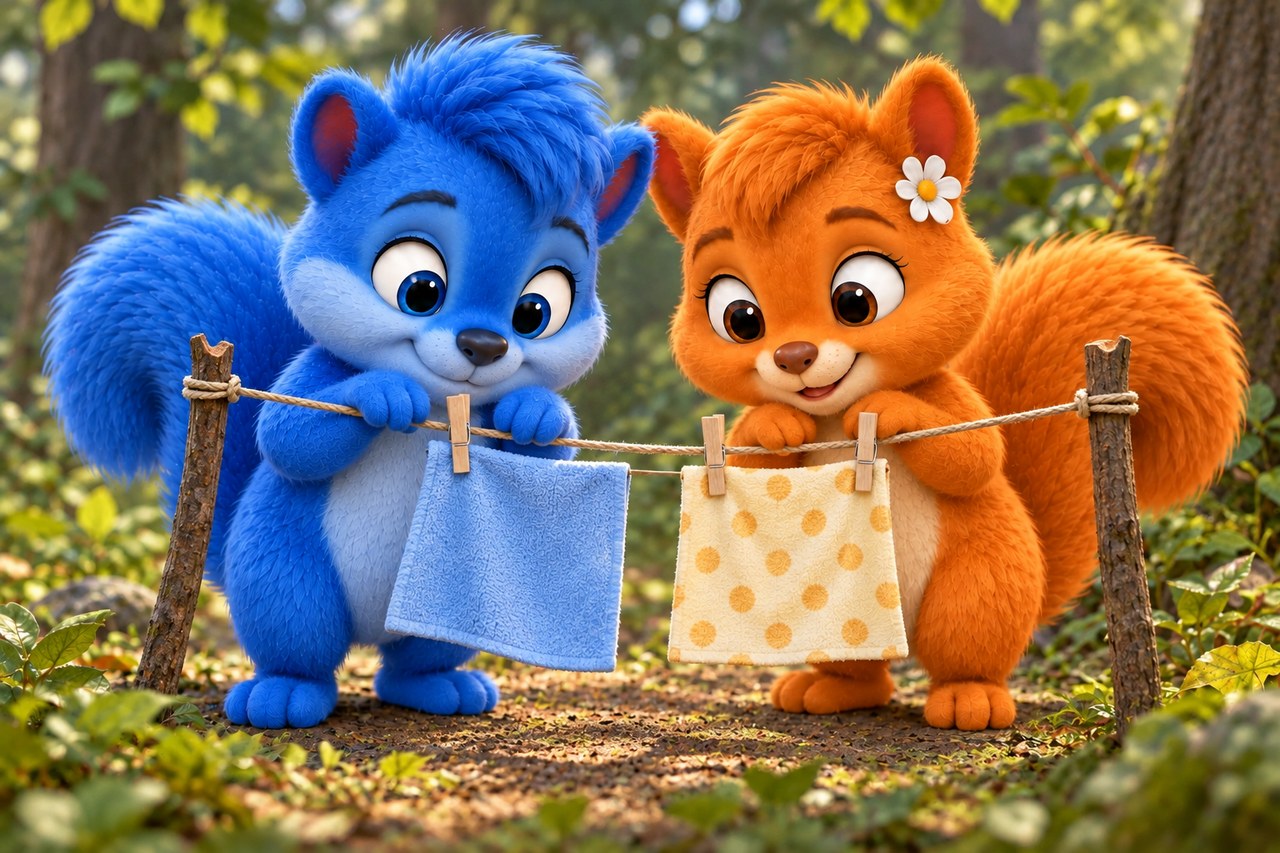
Water leaves wet laundry and enters the air as invisible water vapour. This is evaporation.
Open learning page →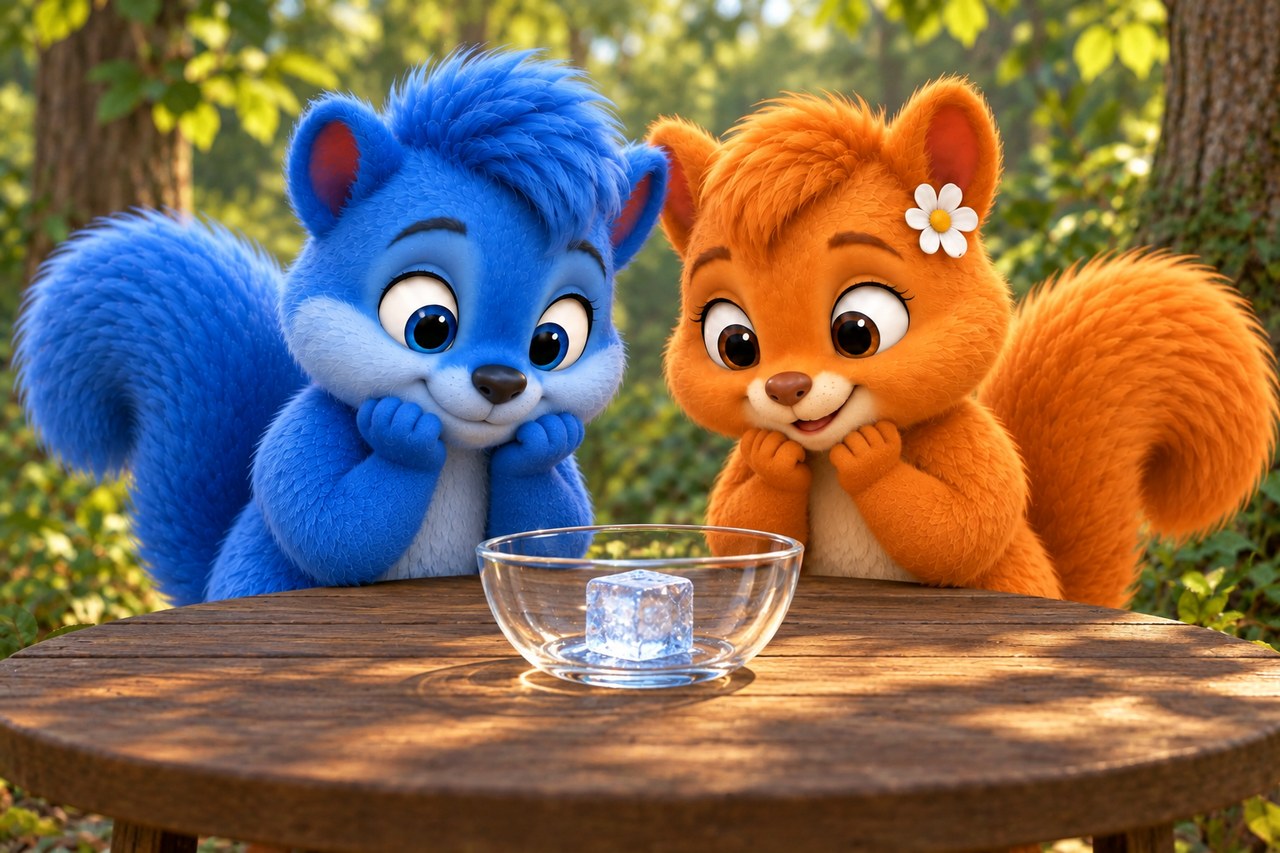
Ice takes in heat from its surroundings and becomes liquid. This is melting.
Open learning page →
An insulated flask slows heat exchange with its surroundings. Its walls and lid reduce that exchange.
Open learning page →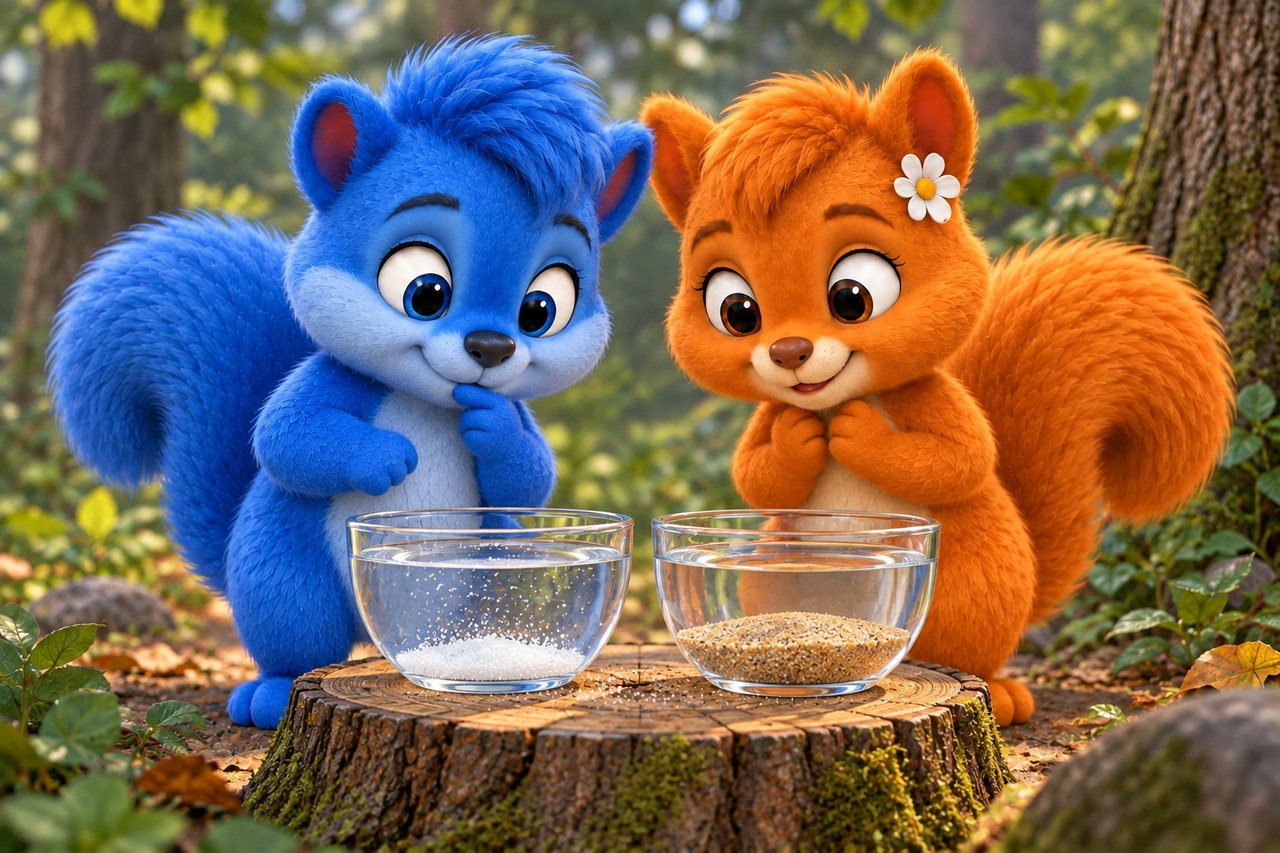
Sugar spreads through water in particles too small to see individually. It has dissolved.
Open learning page →
In warmer air, tiny particles move faster on average. If the air can expand freely, it takes up more space.
Open learning page →
Your body blocks light. Less light reaches the ground behind it: that is your shadow.
Open learning page →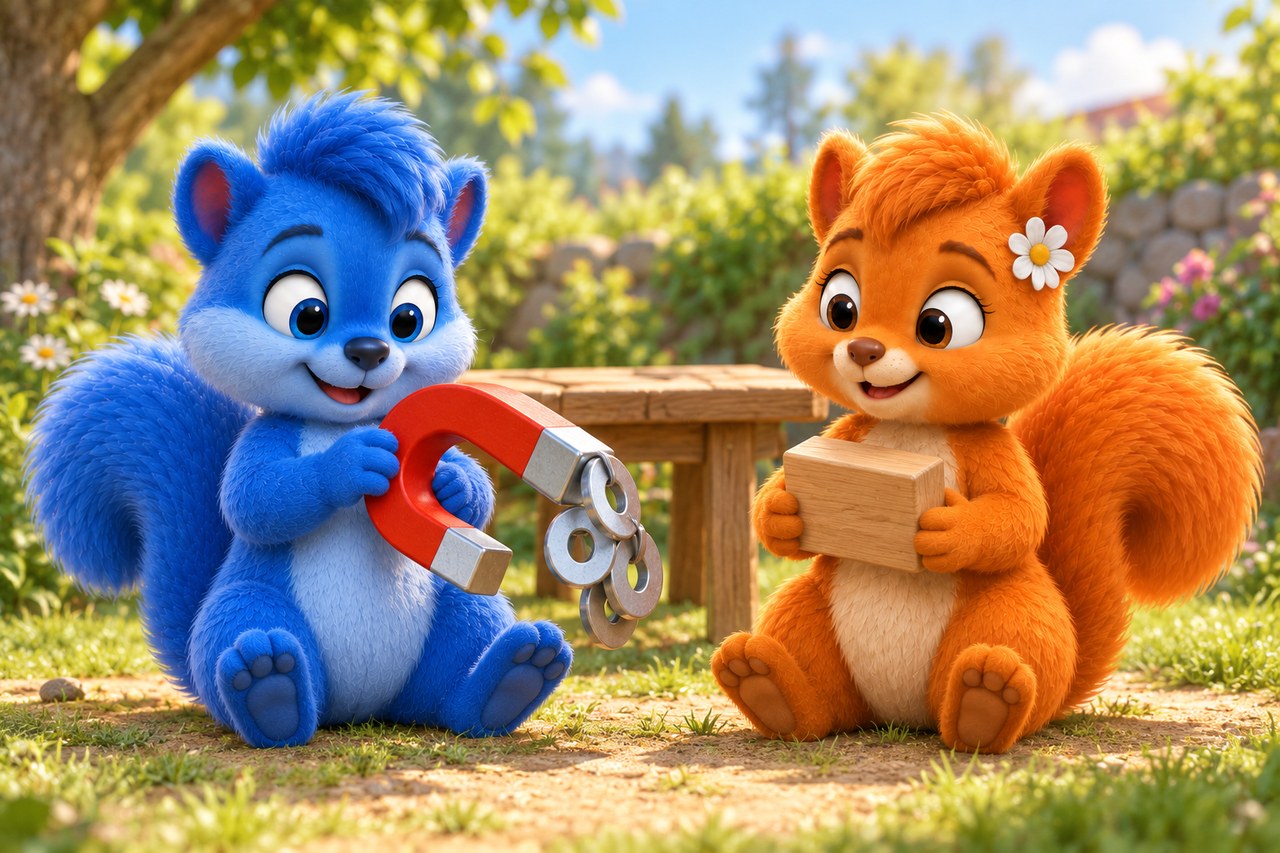
An ordinary magnet attracts certain materials, such as iron and many steels. It does not attract wood or paper, but not every metal either.
Open learning page →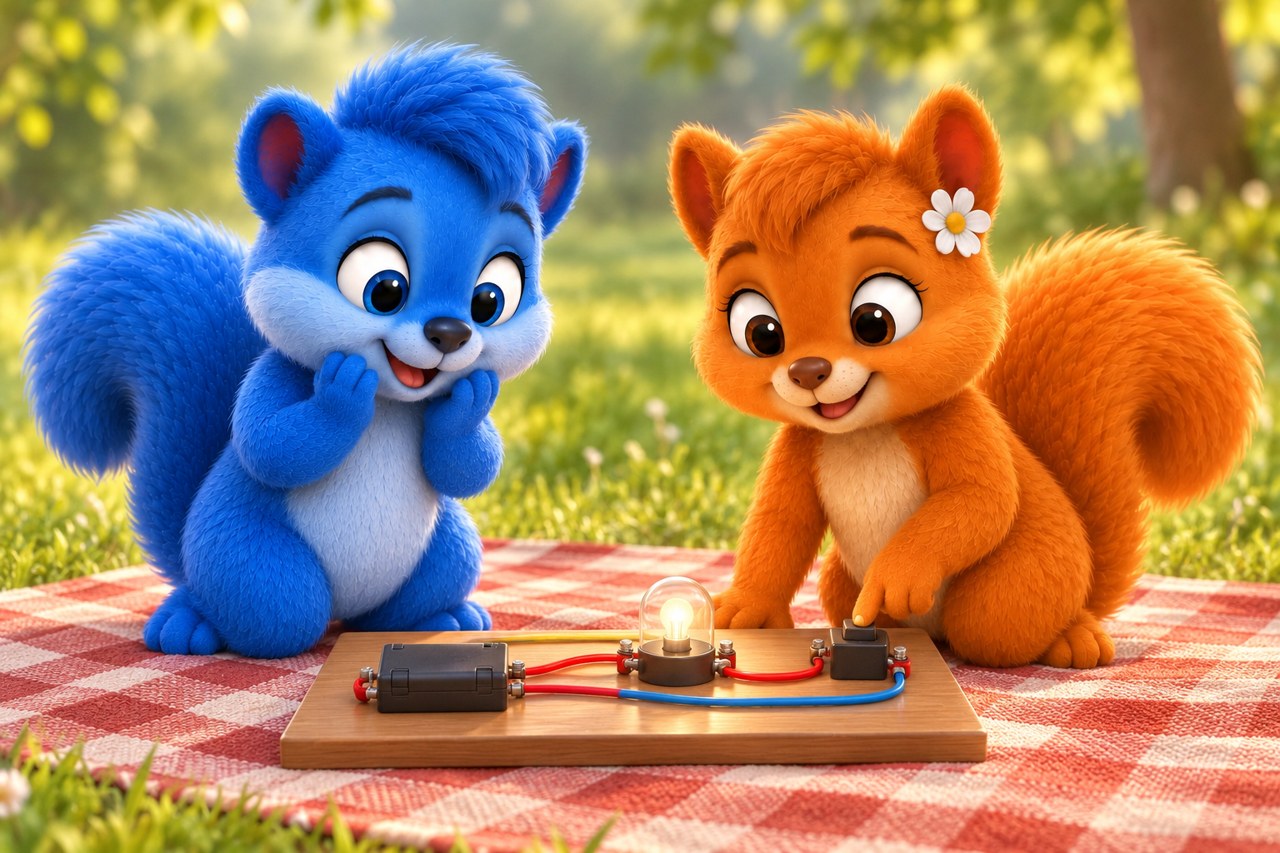
A battery can supply electrical energy. In the simple lamp model, a closed path must run from one battery terminal through the suitable lamp to the other terminal.
Open learning page →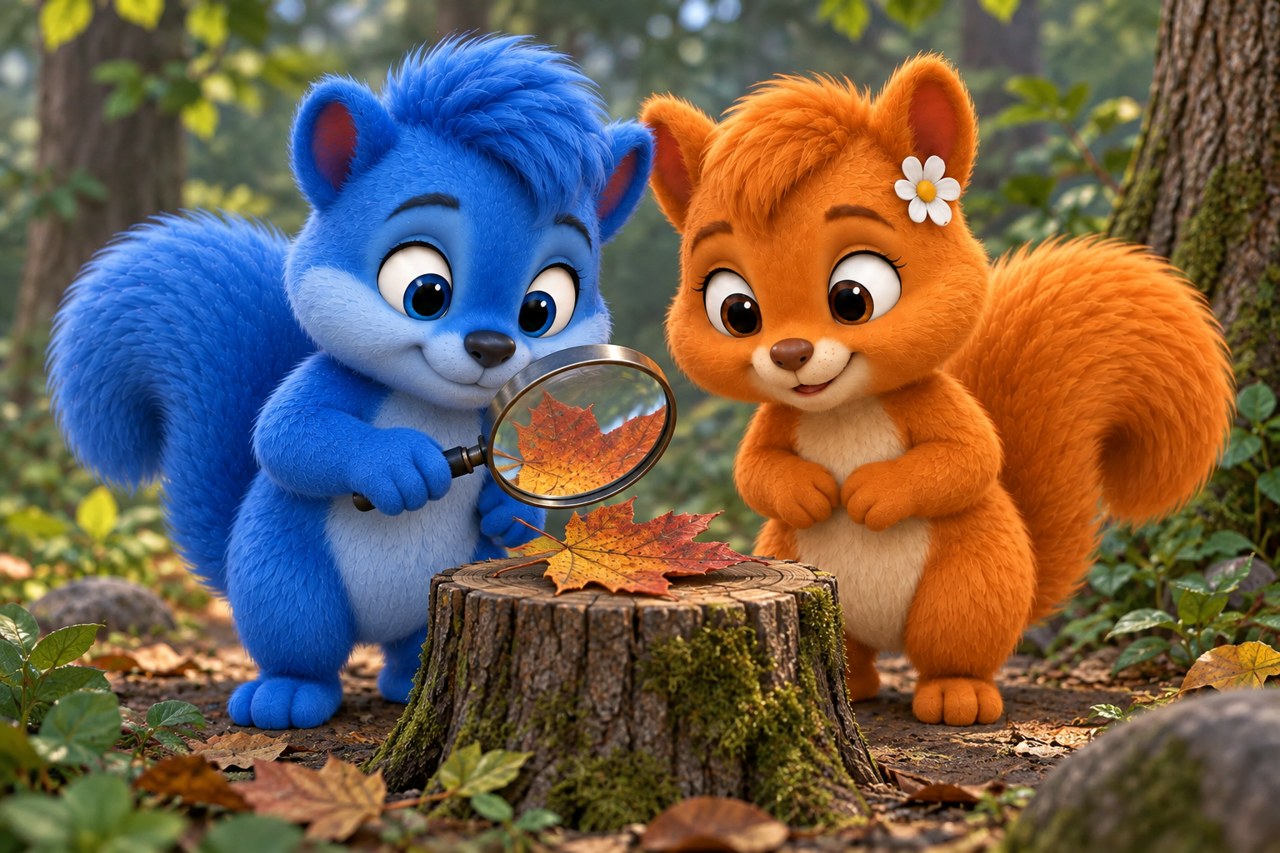
A magnifier's curved lens changes the direction of light. An object held suitably close appears larger.
Open learning page →
An electrical signal moves a thin surface back and forth inside a speaker. This diaphragm makes air vibrate.
Open learning page →
An echo is reflected sound. Your call travels to a surface and back.
Open learning page →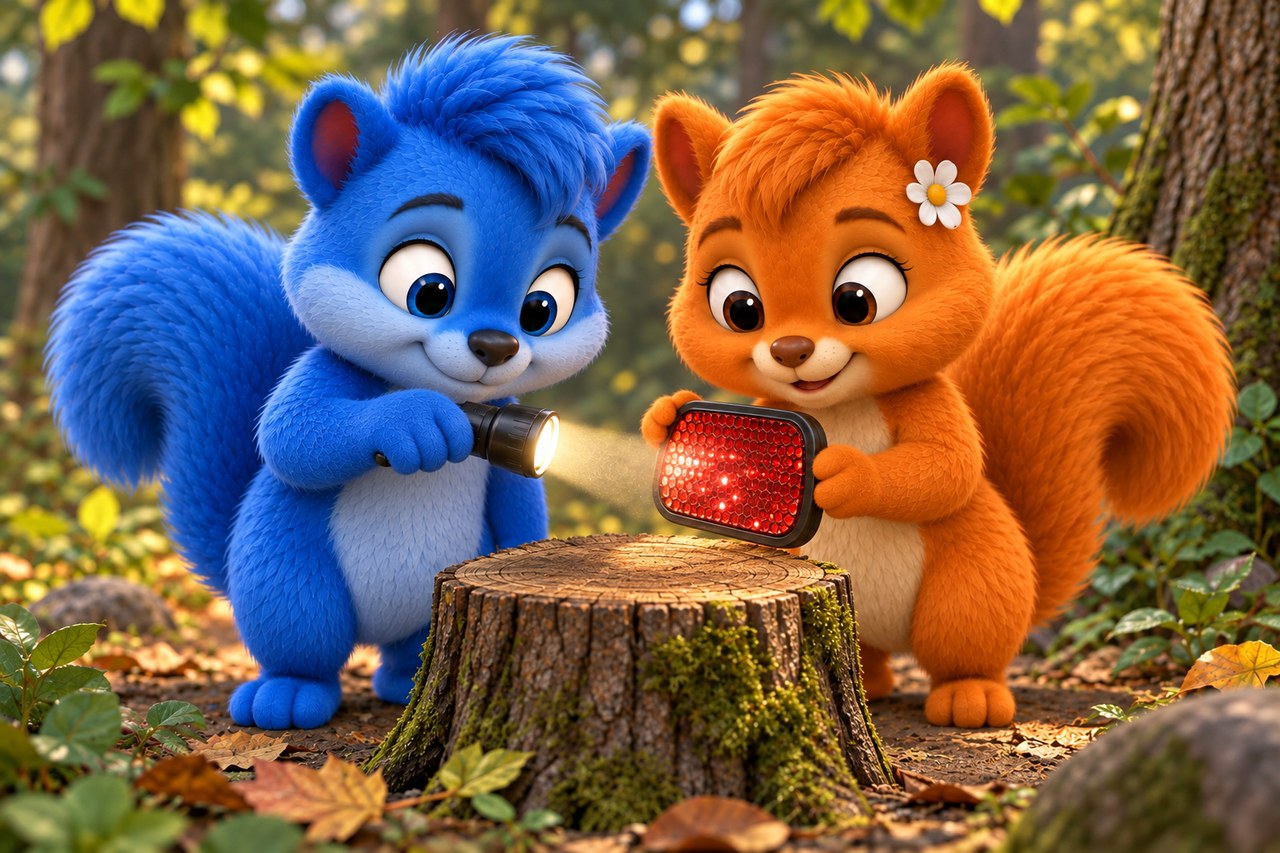
A reflector sends light roughly back towards where it came from. That makes it look bright in a lamp's beam.
Open learning page →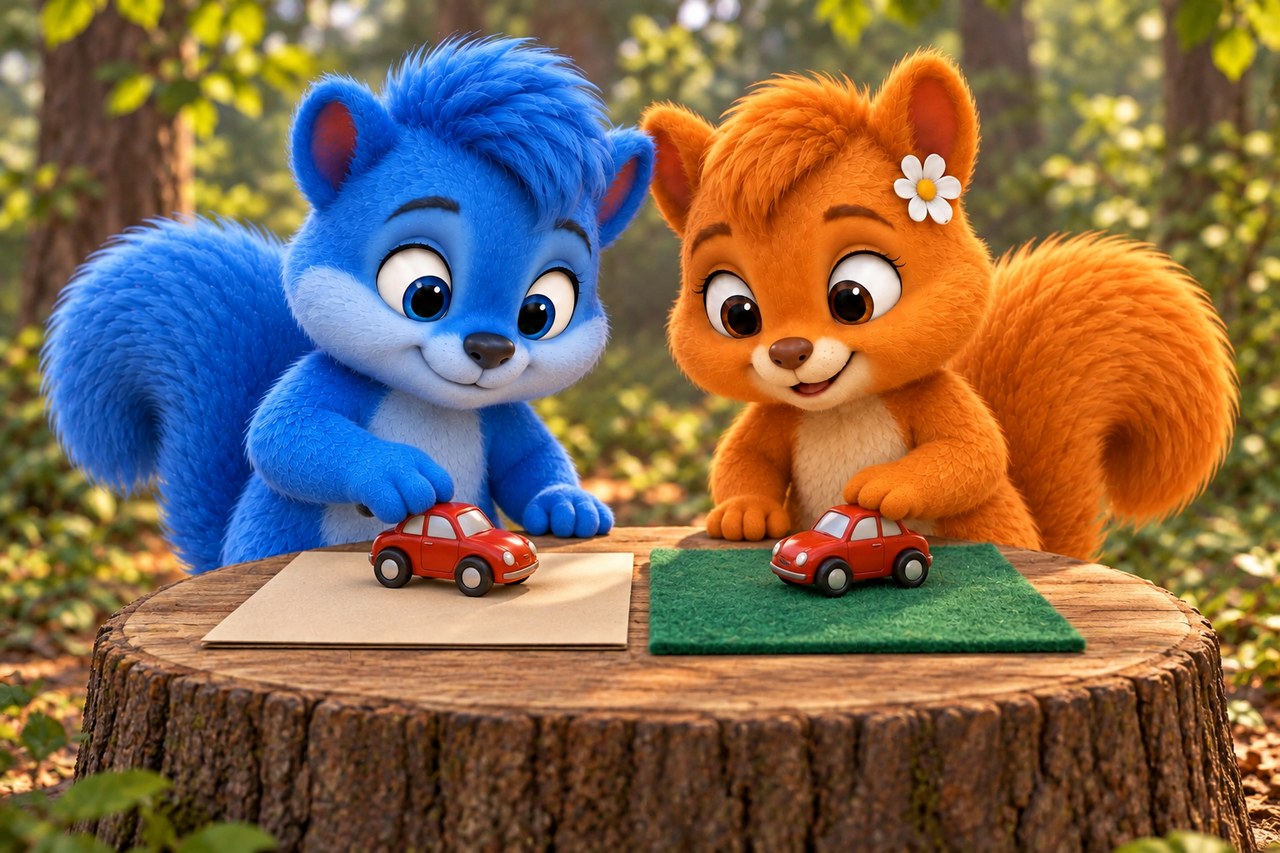
During braking, suitable surfaces rub together. Some motion energy becomes heat, and the vehicle slows down.
Open learning page →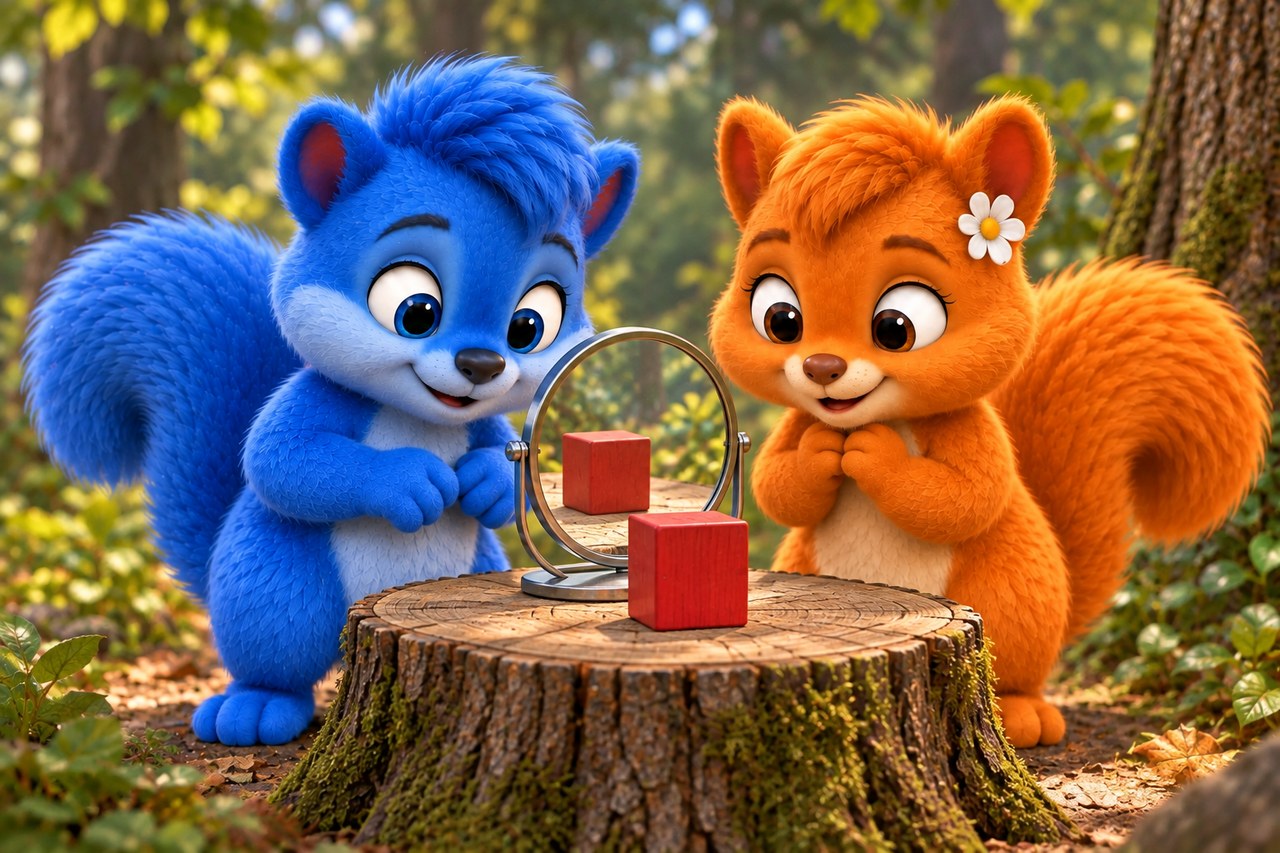
A mirror reflects light in an orderly way. You see an object in it when light from the object reaches your eye through reflection.
Open learning page →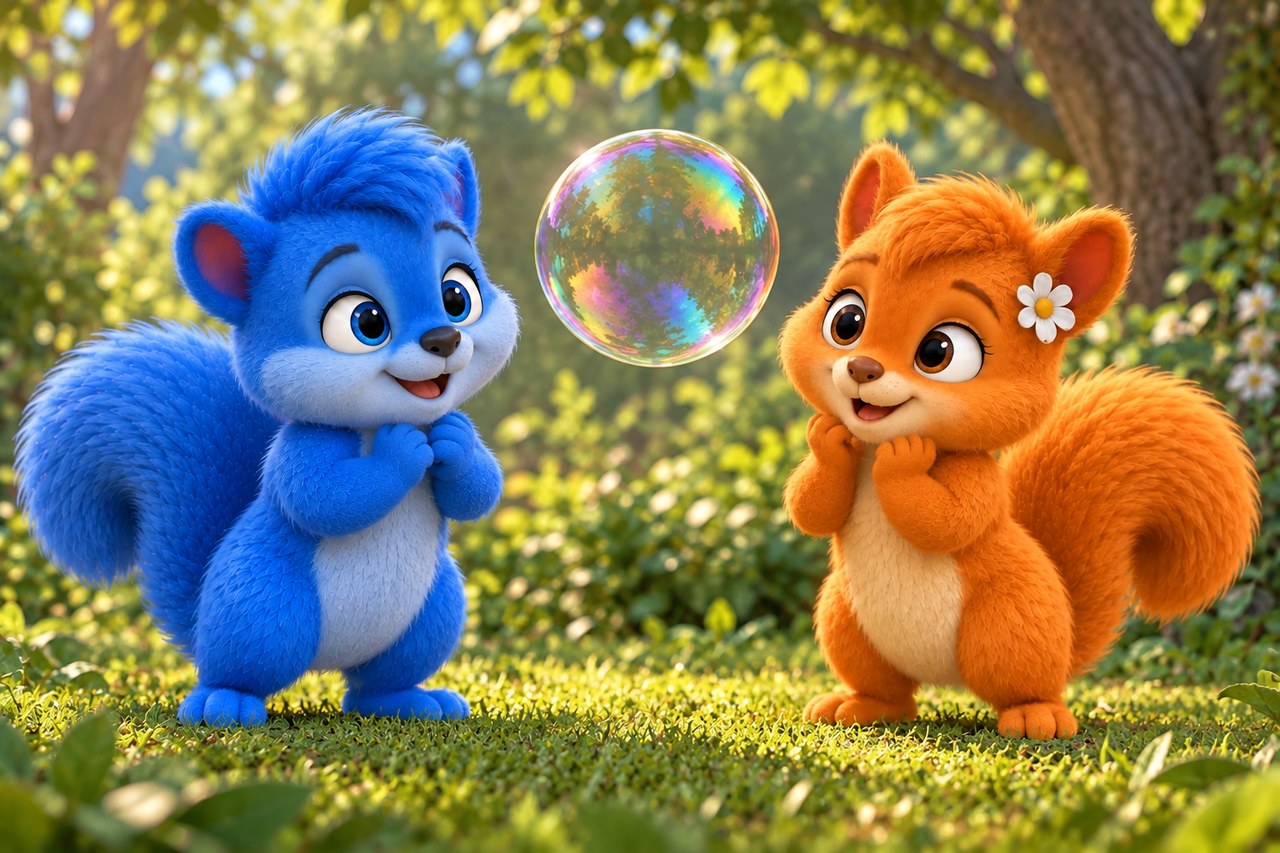
A bubble's thin film reflects light at its outer and inner surfaces. The returning light waves overlap.
Open learning page →Observe carefully, check clues and explain answers: discover puzzles and the limits of guesses.
Explore topics →How do vehicles move, and how do machines help? Discover forces and parts through clear examples.
Explore topics →Create original games, pictures, stories and inventions. Plan small steps, test ideas and respect permission, privacy and other people’s rights.
Explore topics →