History & Ancient Cultures

How did people live in the past? Examine buildings, objects and writing, distinguishing evidence from invented stories.

What would you like to discover?

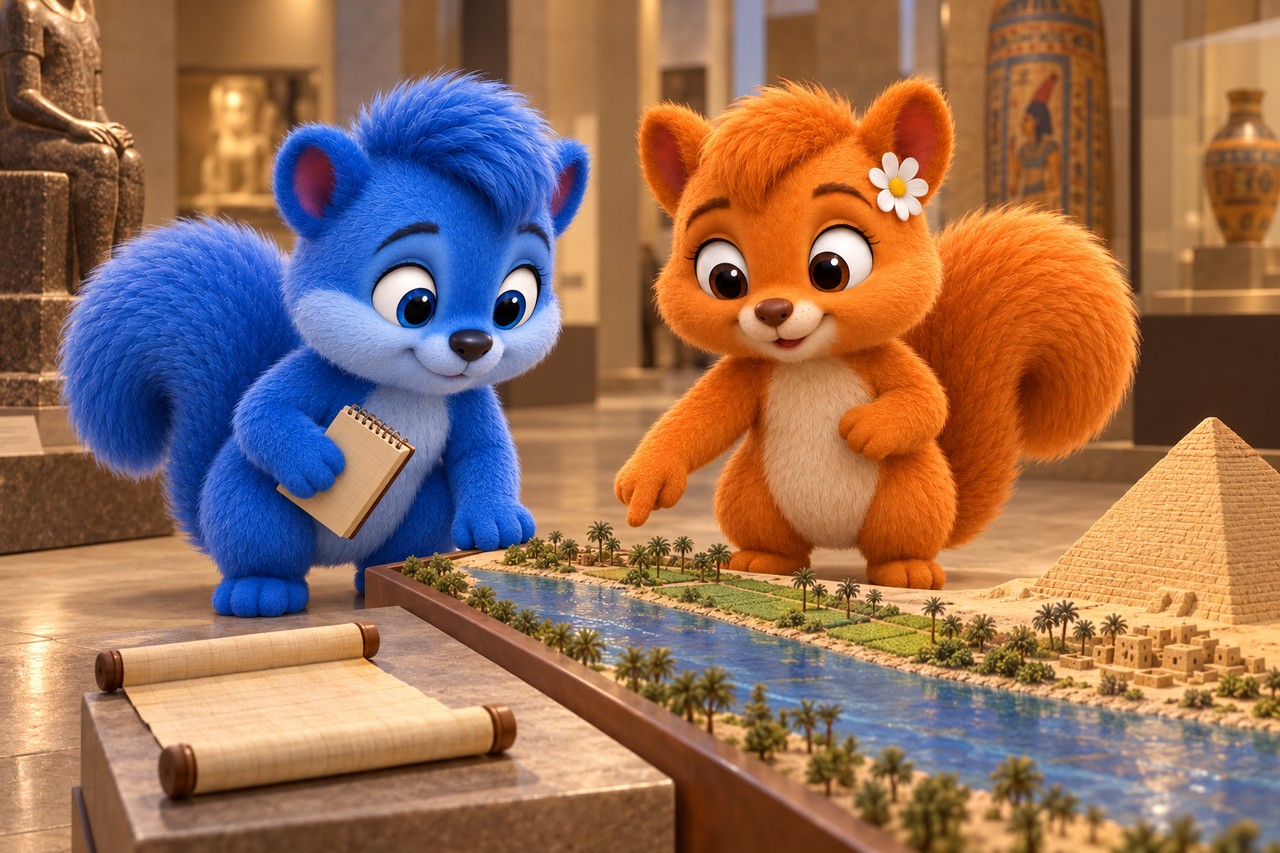
Equal-sized Wusels examine a simplified Nile, fields and pyramid model, with a blank writing roll in front.

How did the Nile help people in ancient Egypt?

River, fields, buildings and writing belong together. Egyptian history includes many different periods.

Ages 6–10 · Discover together

Open learning page →
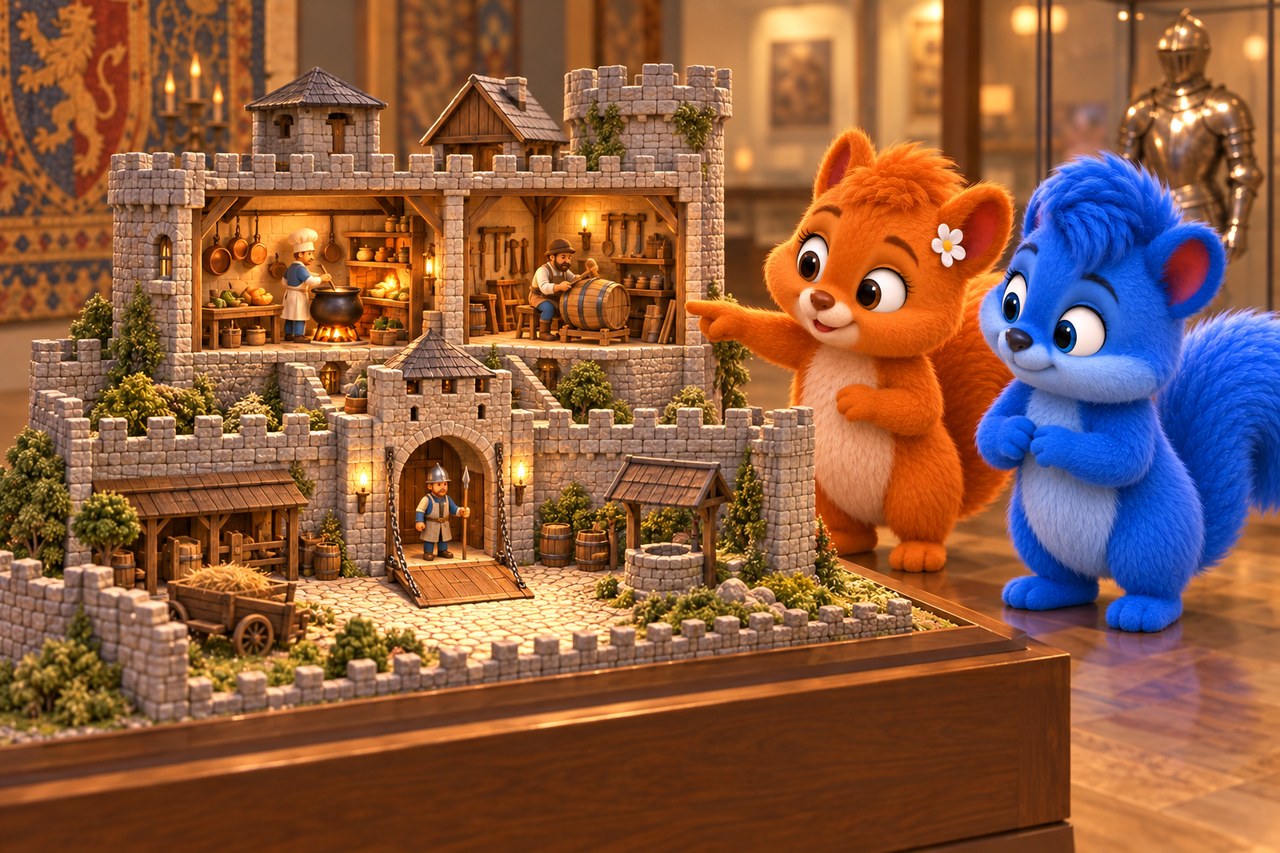
Puschel and Flauschi in the museum. Castle model with cooking, craftwork and a gate guard.

Who lived and worked in a real castle?

A castle was a protected residence and a sign of power. Its kitchen mattered as much as its gate.

Ages 6–10 · Discover together

Open learning page →
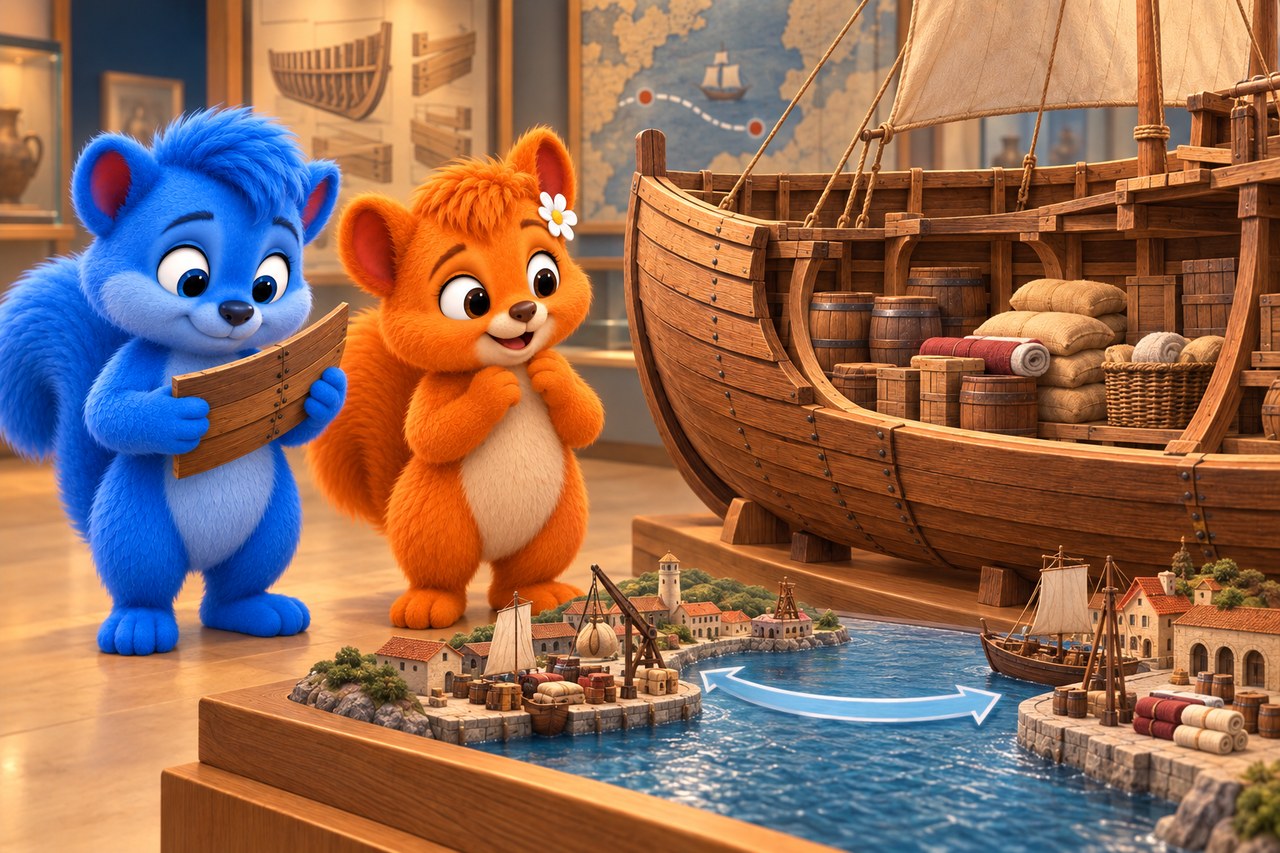
Puschel and Flauschi in the museum. Ship model with overlapping planks, cargo and a trade route between ports.

What can Viking ships tell us about people and trade?

Ships also carried goods. A recovered plank provides clues an adventure film cannot.

Ages 6–10 · Discover together

Open learning page →
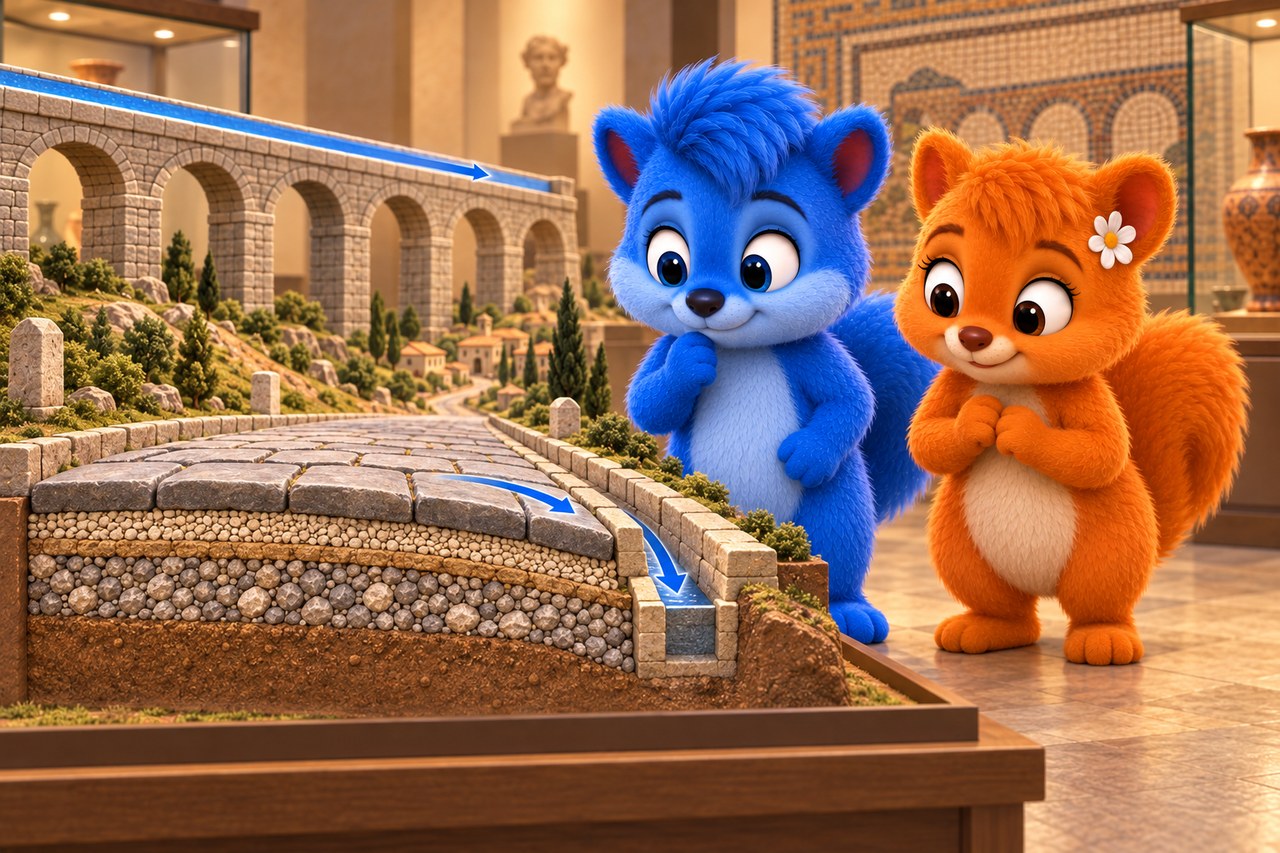
Puschel and Flauschi in the museum. Road cross-section with drainage and a water channel above an arched bridge.

How did Romans connect settlements with roads and water?

Roads connect places. A water supply needs a planned route and appropriate heights.

Ages 6–10 · Discover together

Open learning page →
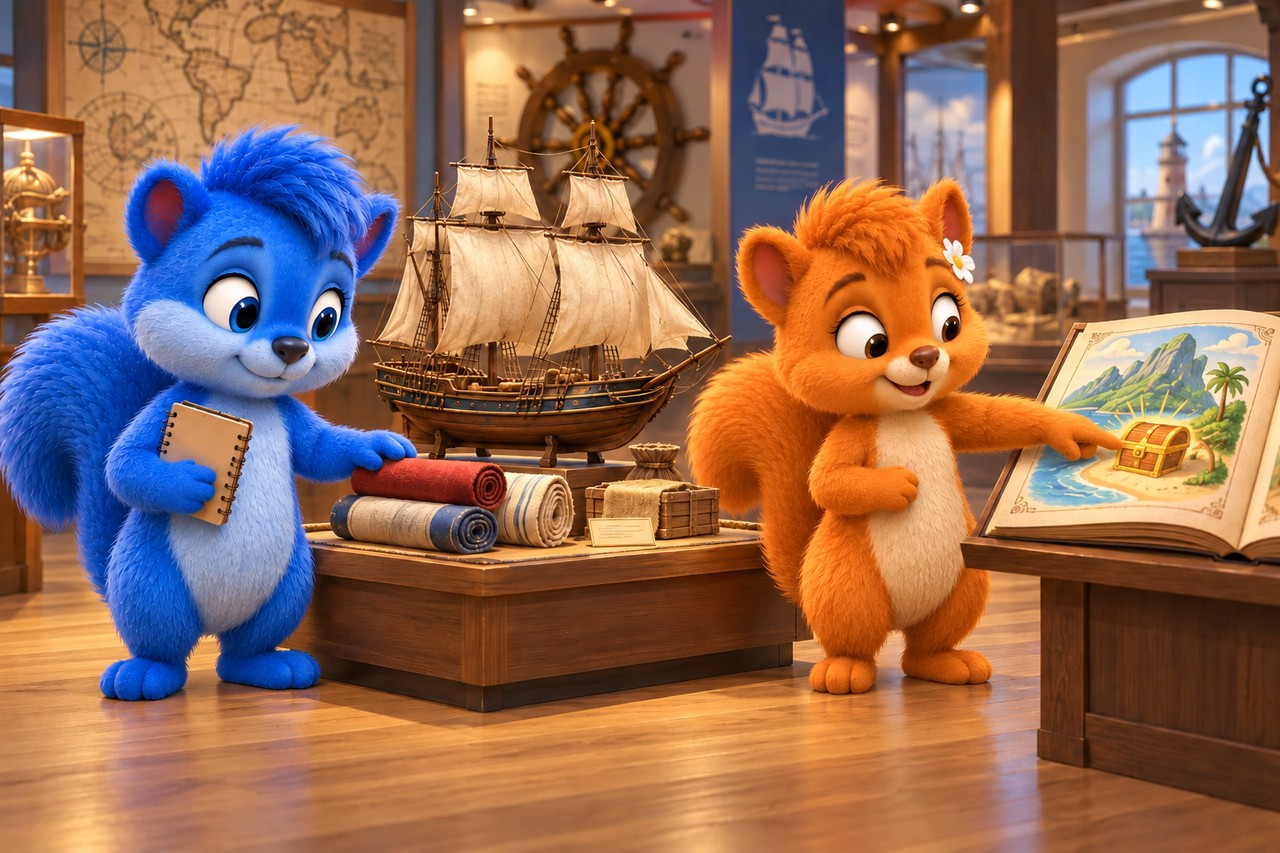
Two equal-sized Wusels compare an invented ship model and cloth cargo with a chest in a book illustration.

Pirates: what is history and what is invented?

Treasure maps make exciting stories. Historical documents tell a different story from many adventure books.

Ages 6–10 · Discover together

Open learning page →
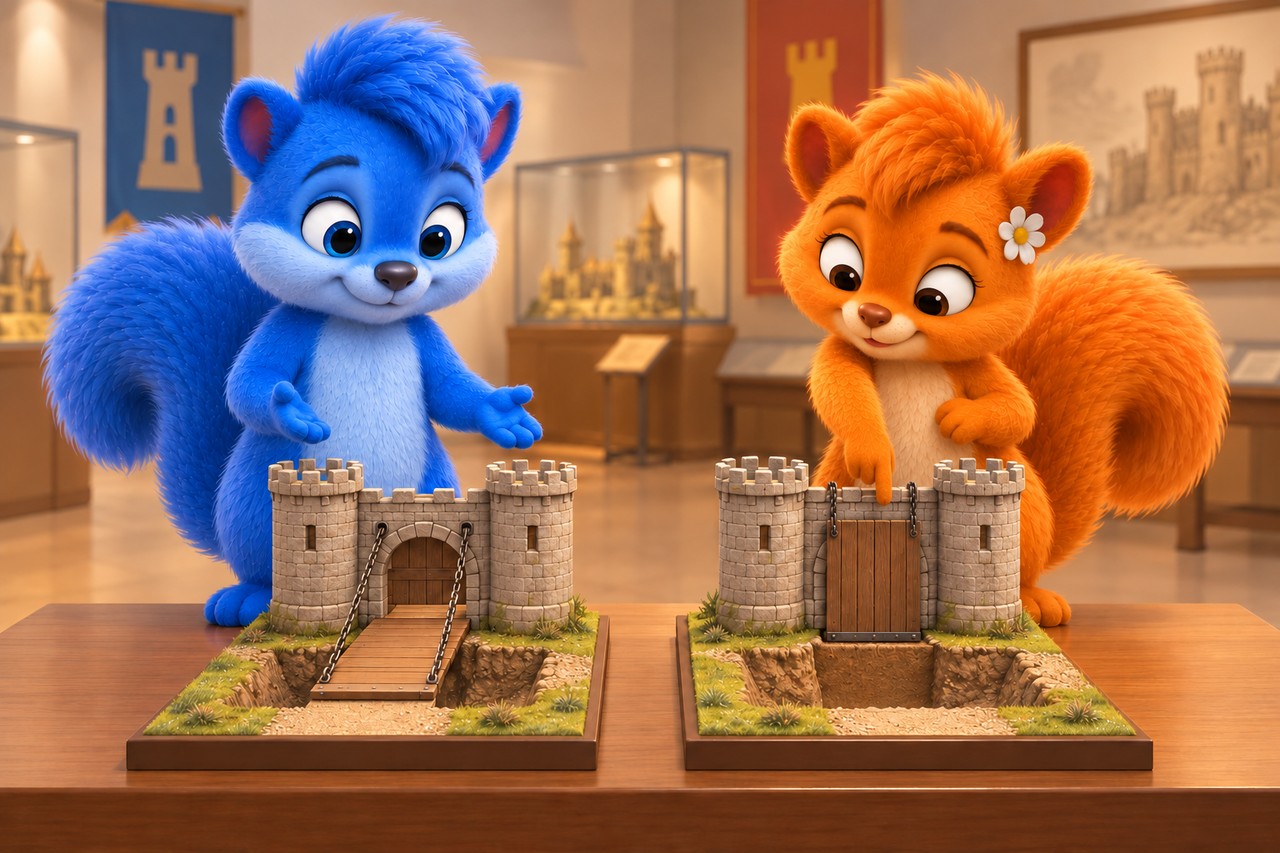
Equal-sized adult Wusels compare fixed lowered and raised drawbridge models across dry ditches.

Why could a drawbridge interrupt a route?

A bridge connects two sides. With a drawbridge, part of that route can be raised.

Ages 6–10 · Discover together

Open learning page →
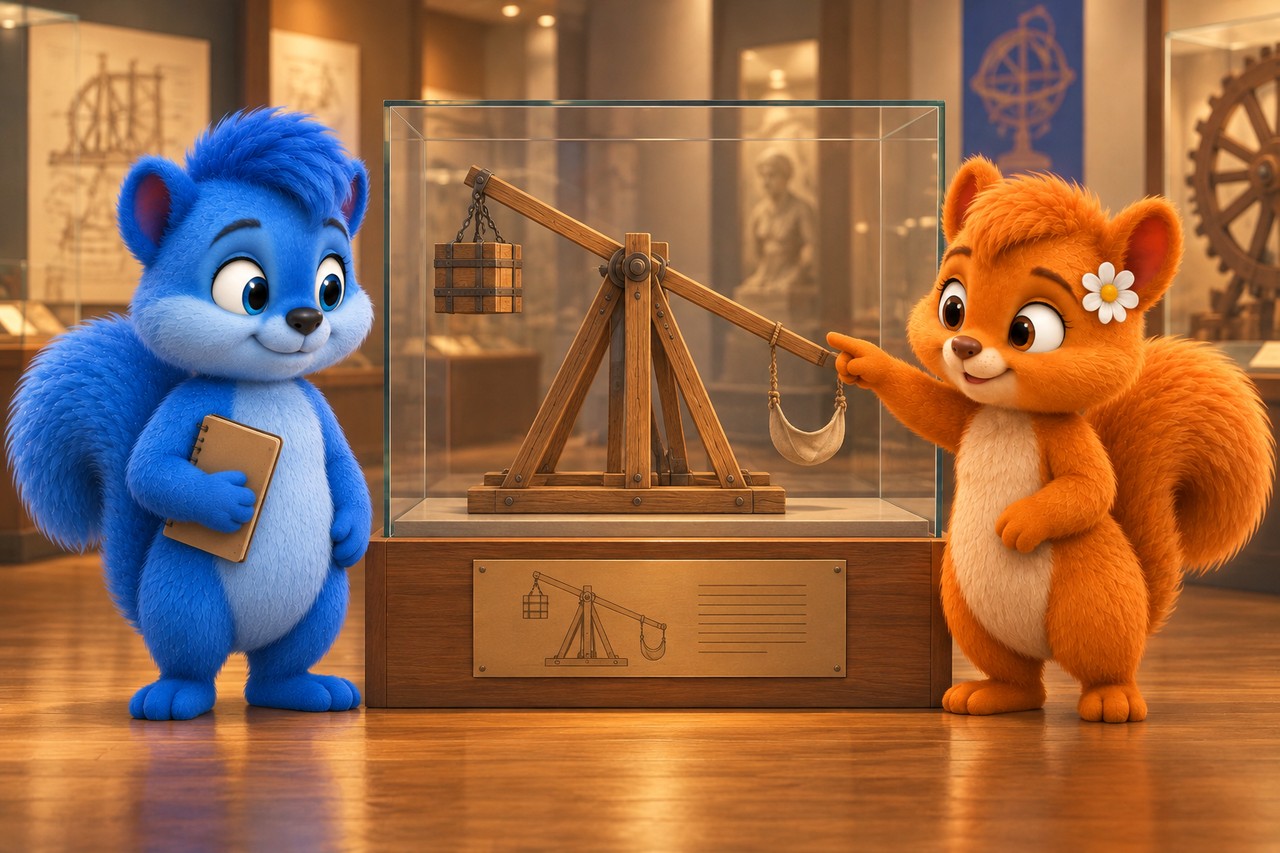
Equal-sized adult Wusels examine an immobile trebuchet behind glass, with a weight box and empty sling.

How does a counterweight move a long throwing arm?

A historical throwing machine helps explain movement. It was a dangerous weapon, not a toy.

Ages 6–10 · Discover together

Open learning page →
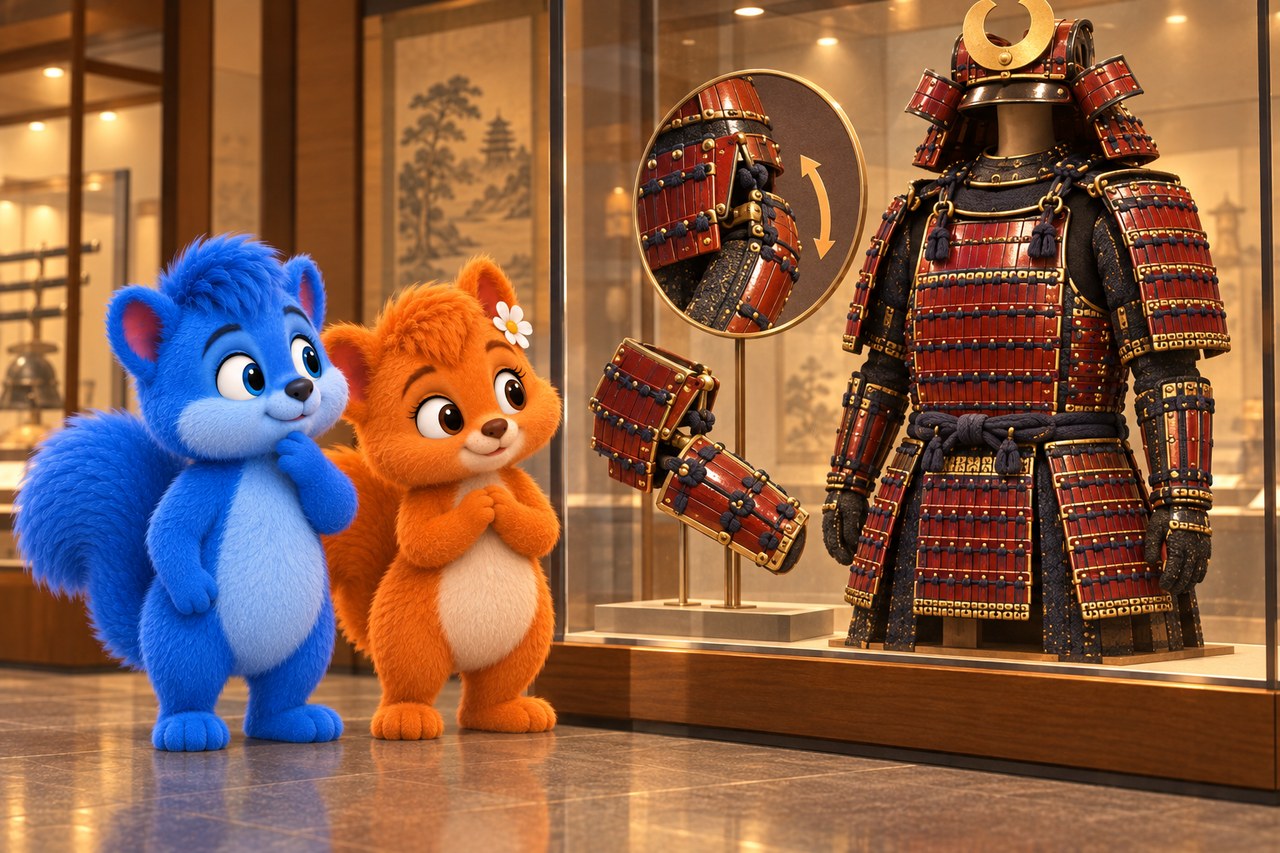
Puschel and Flauschi in the museum. Armour model with overlapping plates and an enlarged moving joint.

Samurai and ninja: what do real traces reveal?

Armour and old texts tell us more than film costumes. Historical people did not have magical powers.

Ages 6–10 · Discover together

Open learning page →
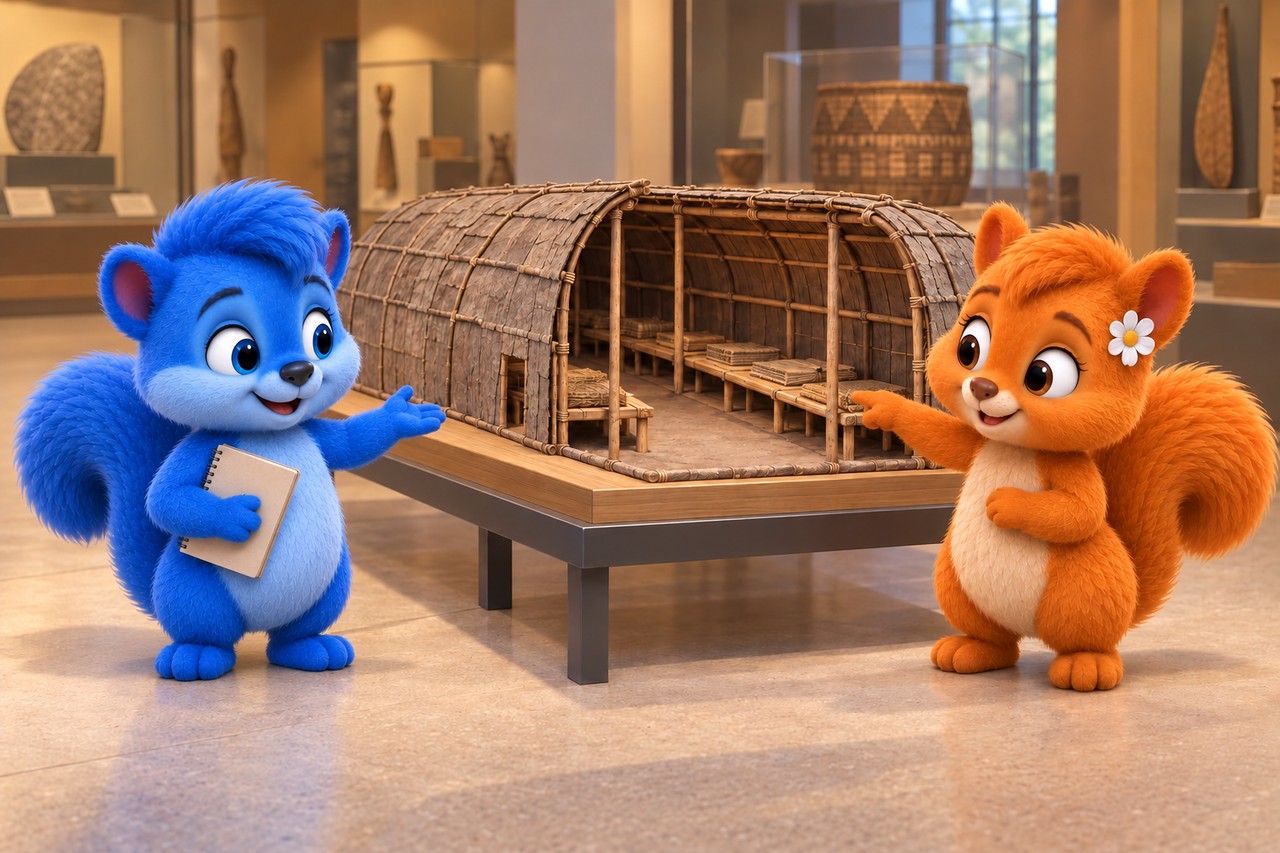
Equal-sized adult Wusels examine the bark covering and interior of a simplified longhouse museum model.

Haudenosaunee: a longhouse tells history

A house made of wood and bark helps us understand past shared living. These people and their communities also exist today.

Ages 6–10 · Discover together

Open learning page →
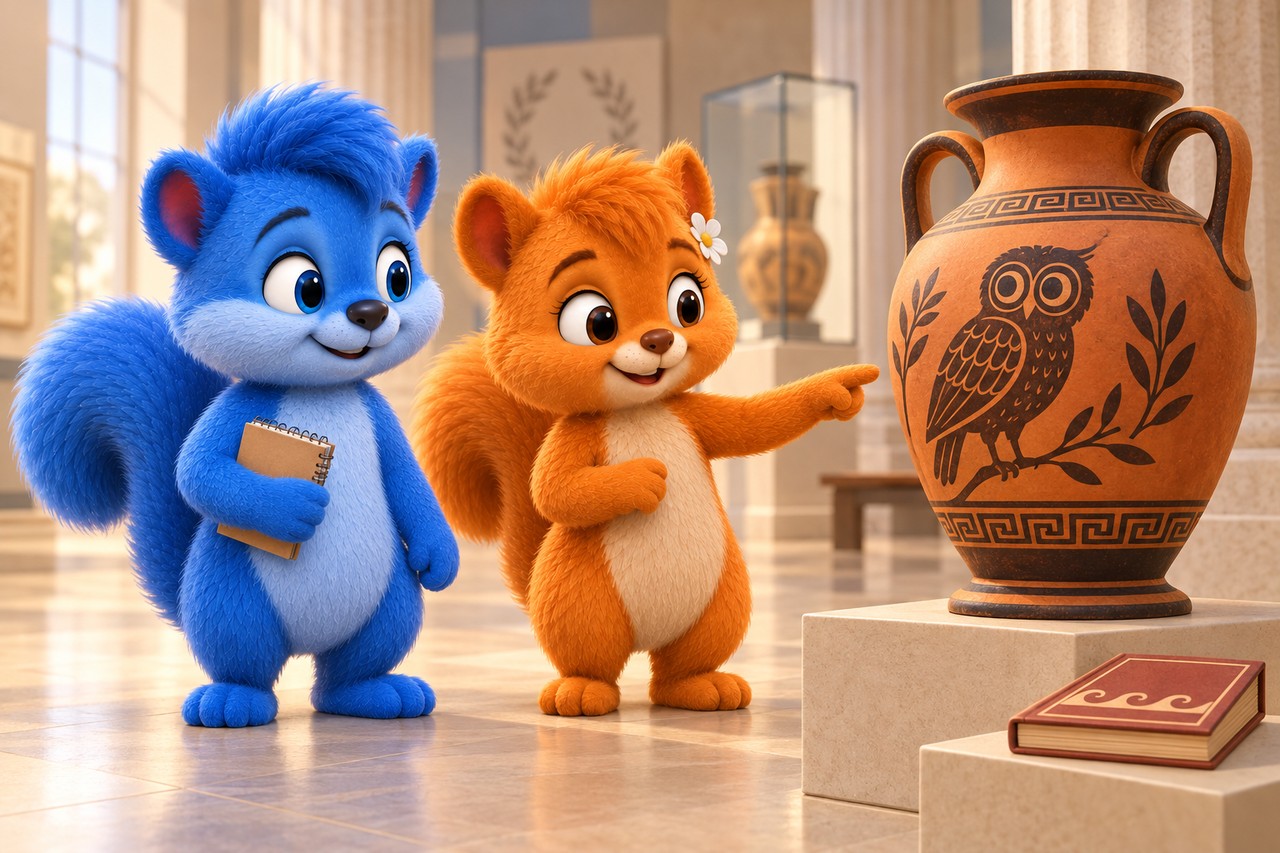
Equal-sized adult Wusels examine an invented Greek-inspired vase with a painted owl in a museum.

Greek god stories: what does the owl tell us?

Old stories, images and beliefs have a history. We look for clues and distinguish them from explanations of nature.

Ages 6–10 · Discover together

Open learning page →
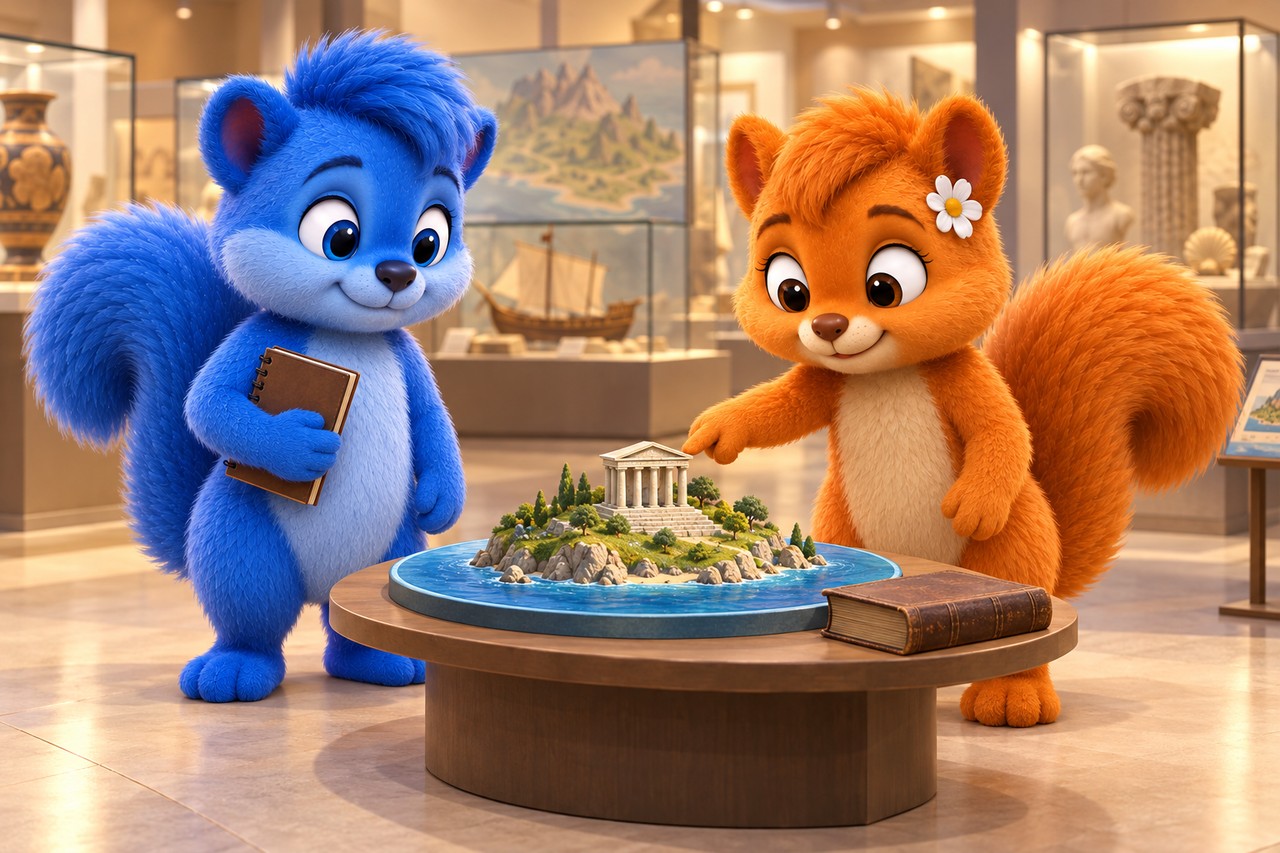
Equal-sized adult Wusels examine an invented island model with a small temple and a book in a museum.

Atlantis: a story is not yet a discovery

A famous island story invites a question: what does a text tell us, and what else would need evidence?

Ages 6–10 · Discover together

Open learning page →