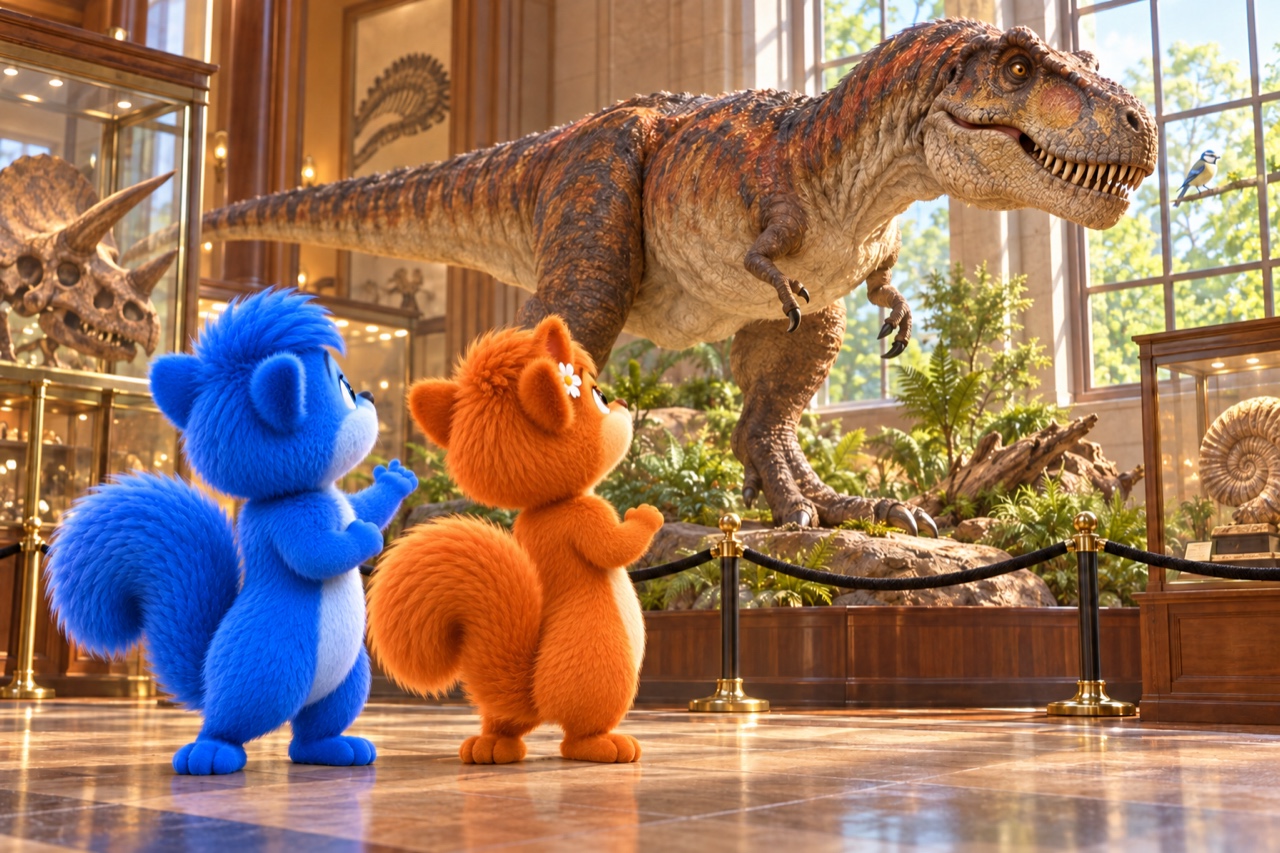
Did every dinosaur become extinct?
Not all dinosaurs died out: birds are living dinosaurs. The other dinosaur groups disappeared about 66 million years ago.
Open learning page →Your choices apply to all pages in this browser.
What was the world like long ago, and how do natural wonders form? Five learning pages explore ancient animals, traces, crystals and caves step by step.
Not all dinosaurs died out: birds are living dinosaurs. The other dinosaur groups disappeared about 66 million years ago.
Open learning page →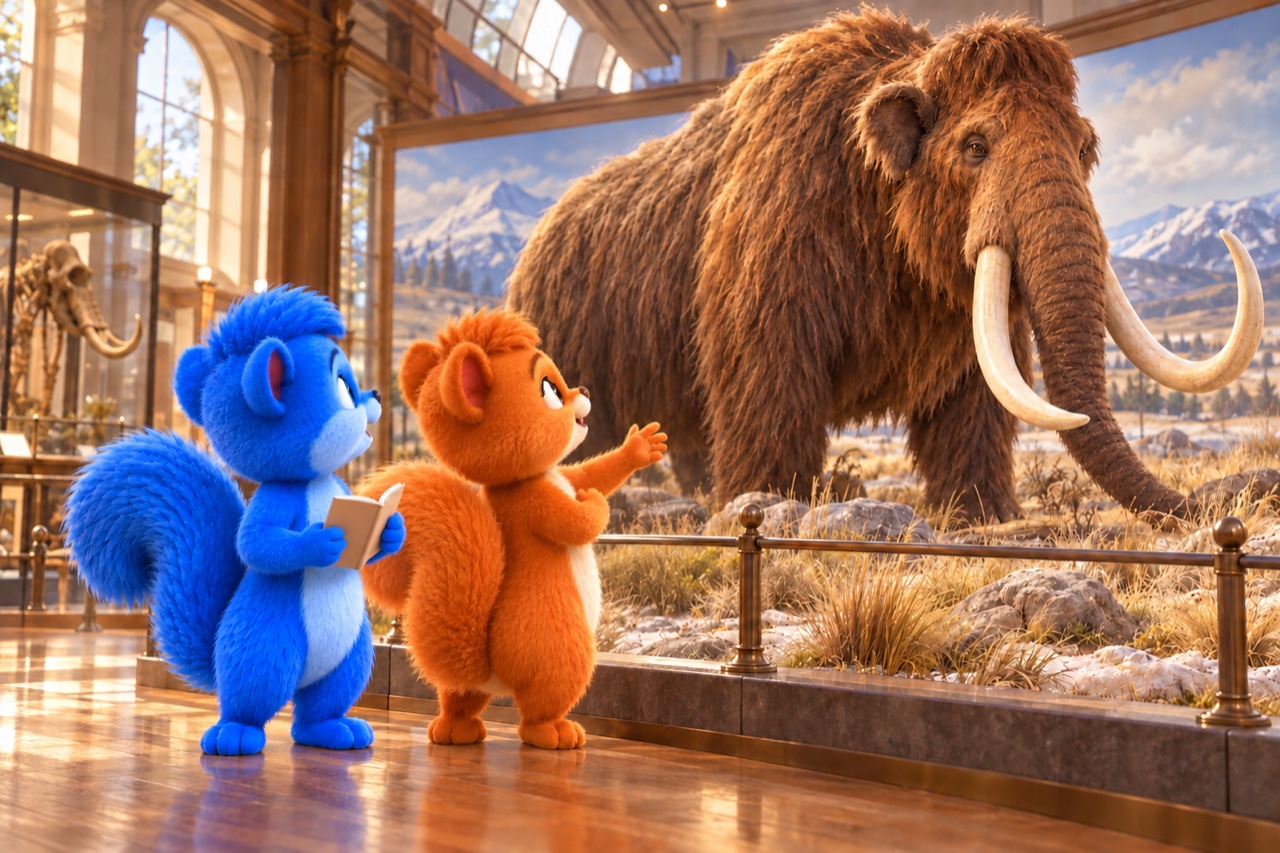
A woolly mammoth lost less heat thanks to thick fur, body fat and small ears. Think of a warm coat: it helps retain your body heat.
Open learning page →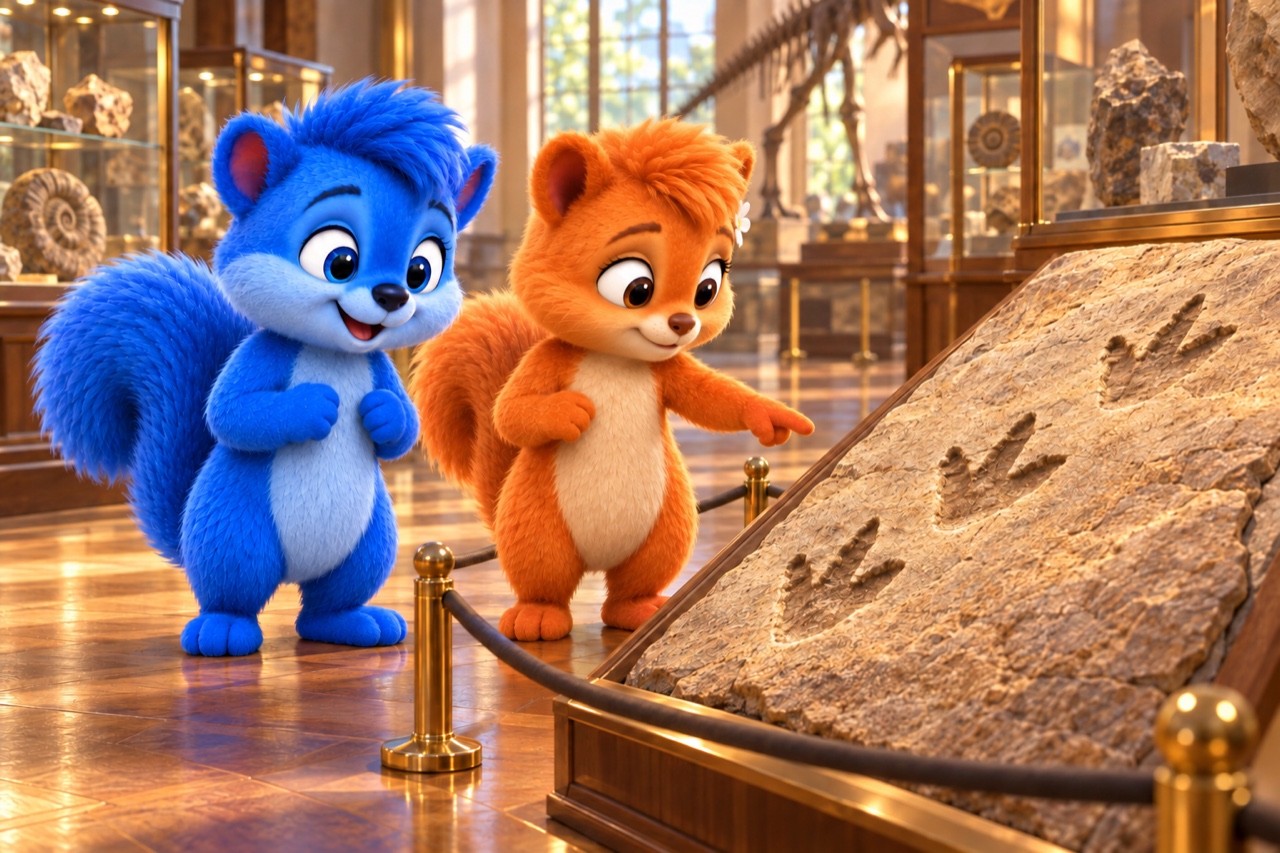
A footprint in soft ground can be quickly covered and preserved. Under suitable conditions the material hardens and retains the trace in rock.
Open learning page →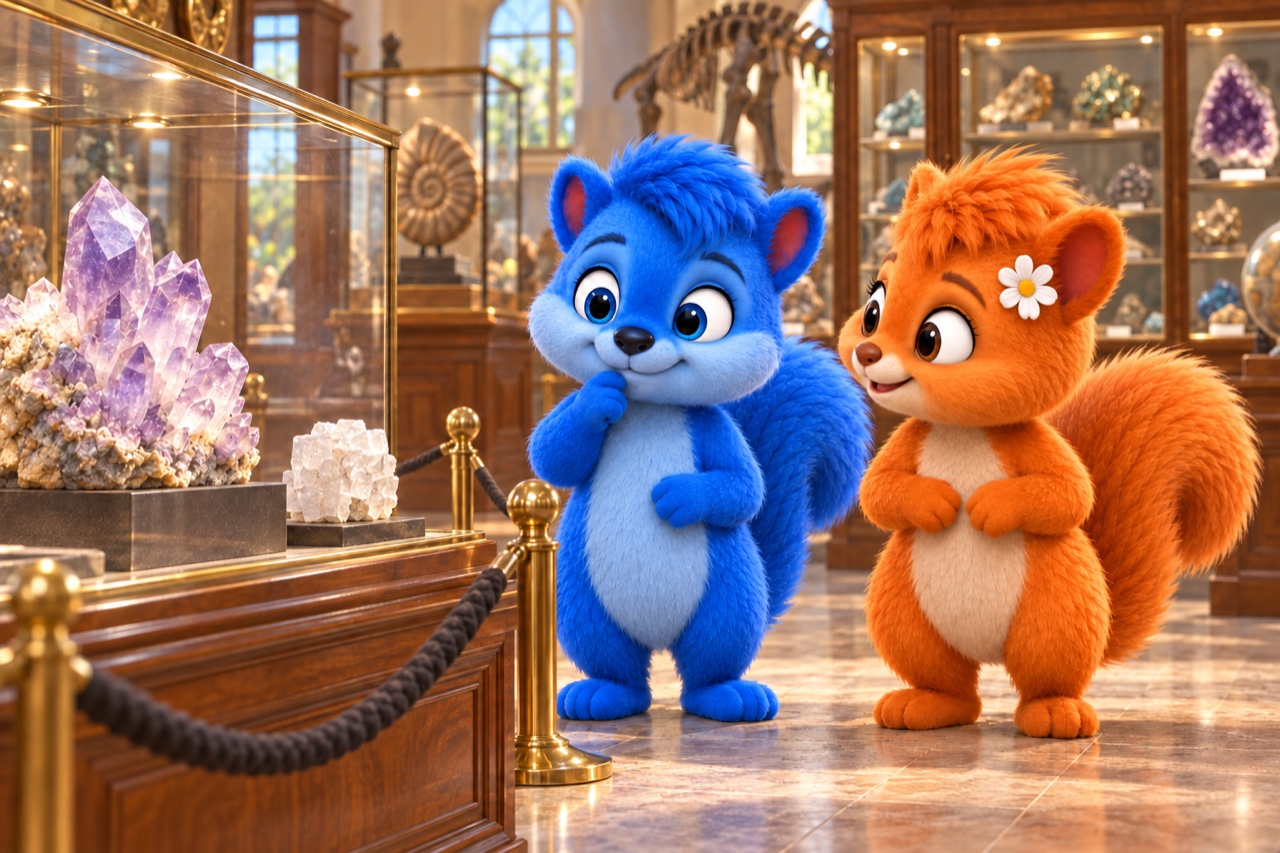
Crystals have ordered shapes because their tiny building blocks arrange regularly. Repeating that order during growth can create flat faces and edges.
Open learning page →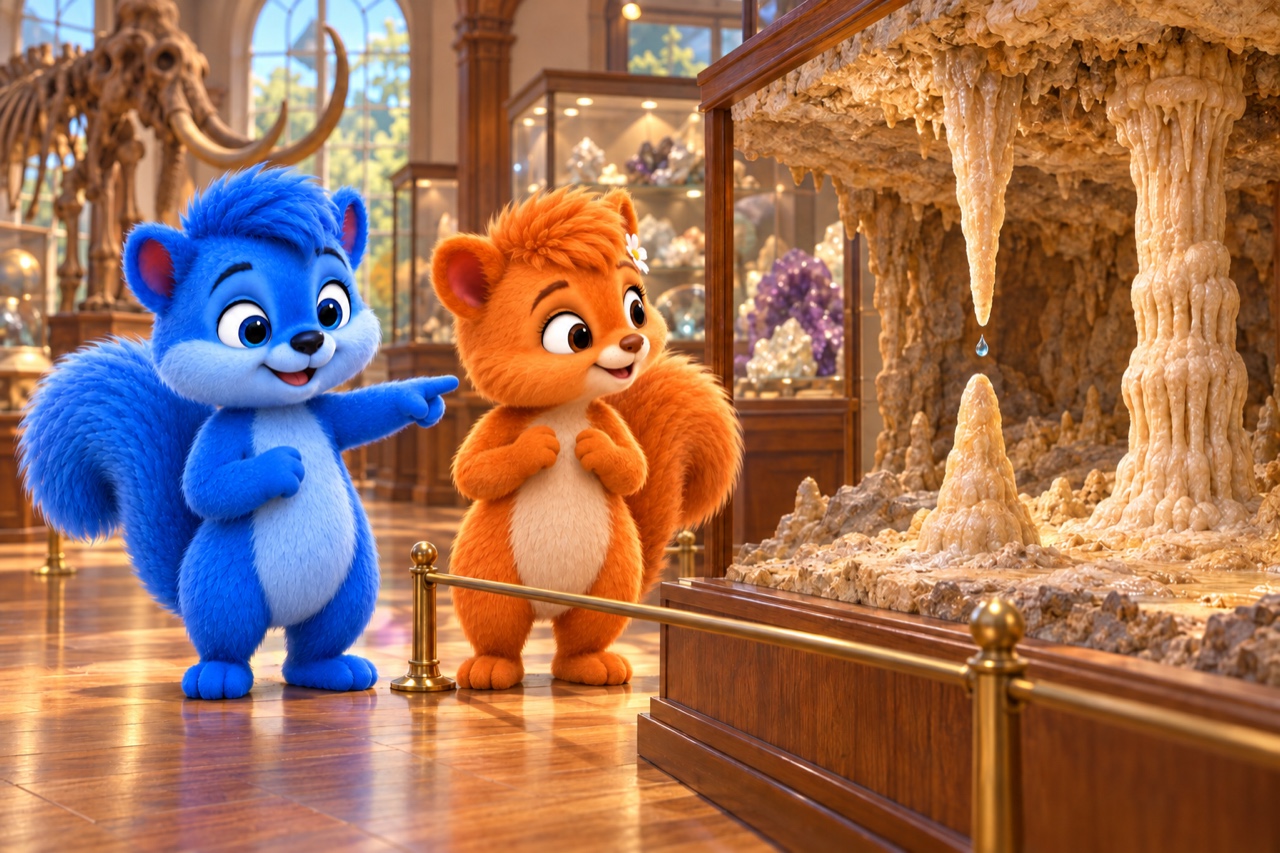
Water picks up tiny amounts of limestone material as it passes through rock. This dissolved material can be left behind in a cave.
Open learning page →A dinosaur area of its own: T. rex, Triceratops, long-necked dinosaurs, eggs and dinosaur detectives.
Explore the dinosaur area →Camouflage, trapping leaves, Ice Age animals, storms, caves and the deep ocean: nine learning journeys with pictures, examples and explained terms.
Explore topics →