Discover Natural Wonders

Camouflage, trapping leaves, Ice Age animals, storms, caves and the deep ocean: nine learning journeys with pictures, examples and explained terms.

What would you like to discover?

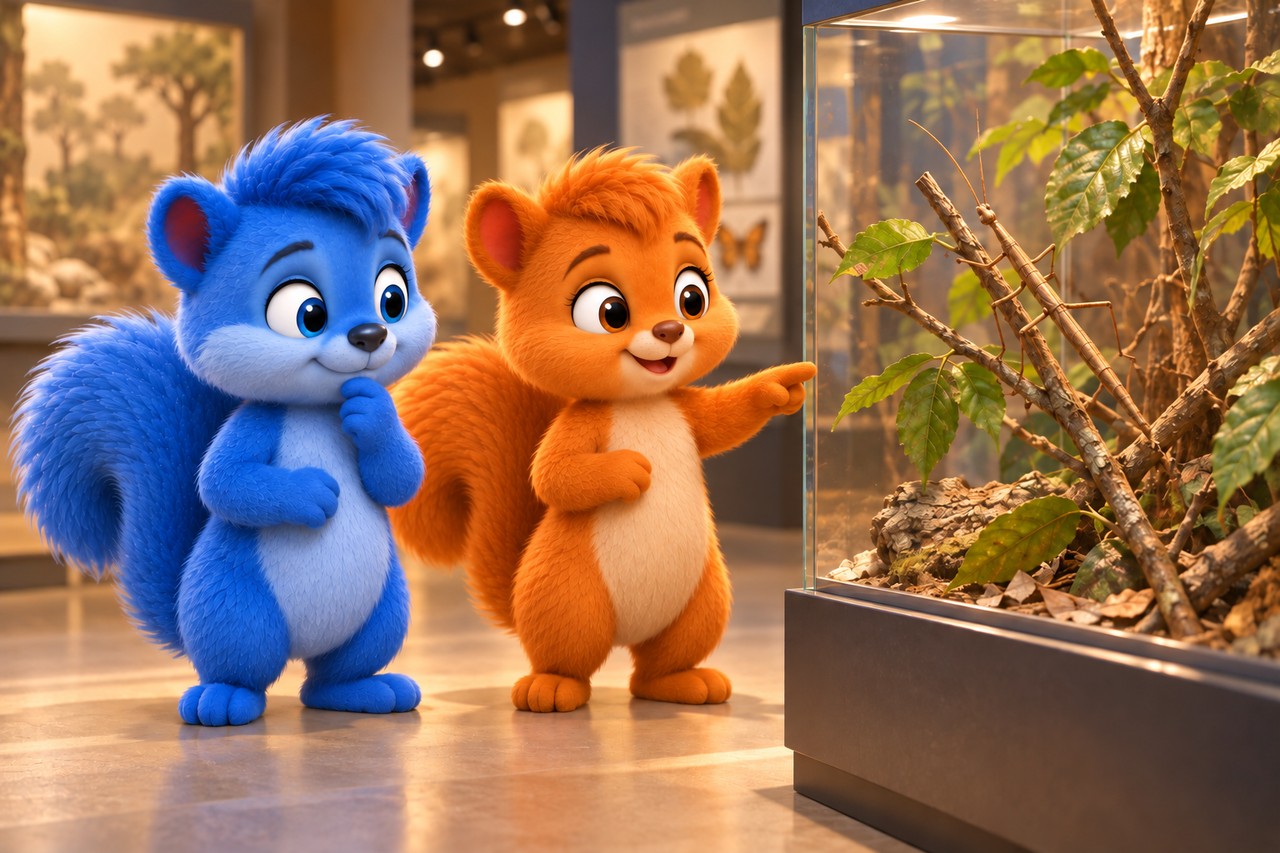
Equal-sized Puschel and Flauschi examine a museum model of a stick insect among twigs and leaves.

How do animals hide?

An insect looks like a twig. Discover how colour, shape and behaviour help animals hide.

Ages 6–10 · Discover together

Open learning page →
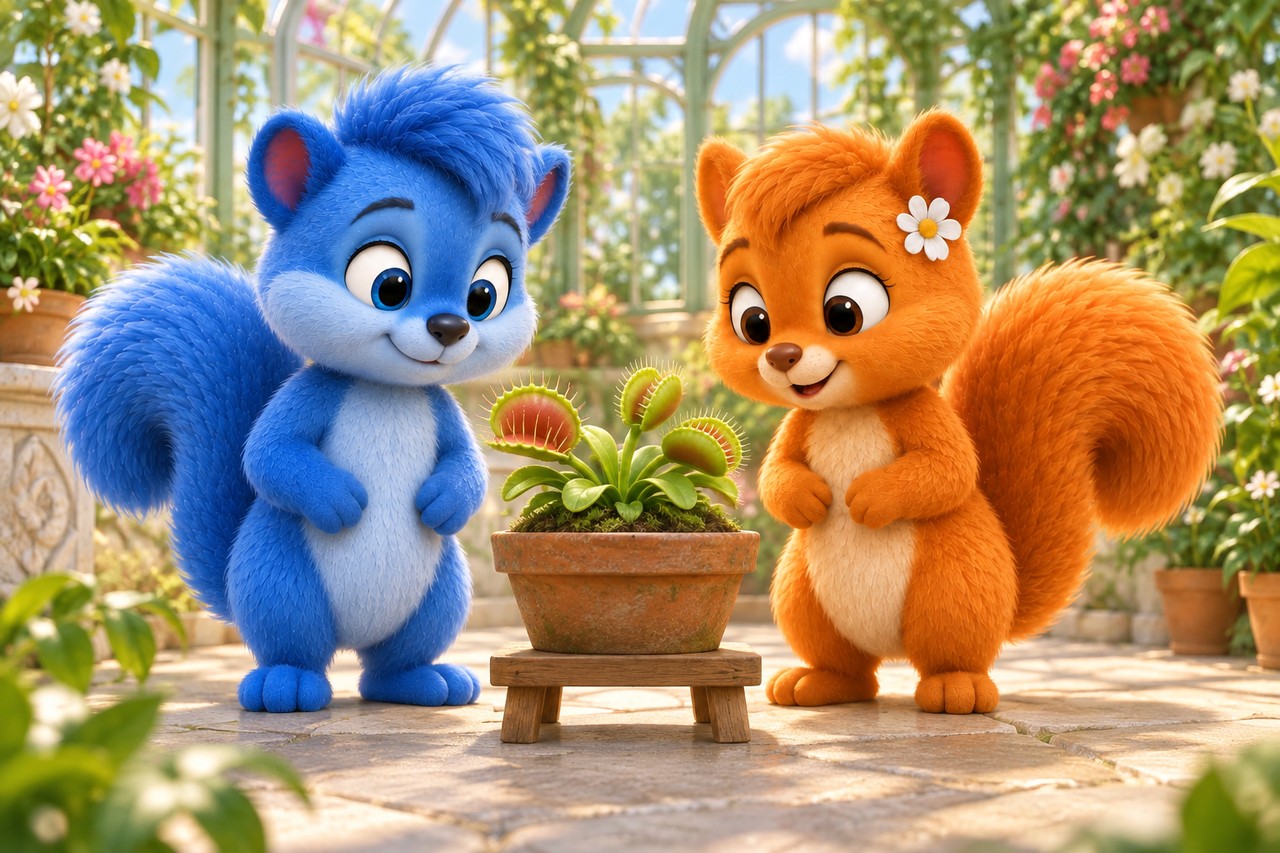
Equal-sized Puschel and Flauschi stand beside a potted Venus flytrap in a botanical garden.

Why does a Venus flytrap catch insects?

Its trapping leaves help this plant grow where the soil supplies few nutrients.

Ages 6–10 · Discover together

Open learning page →
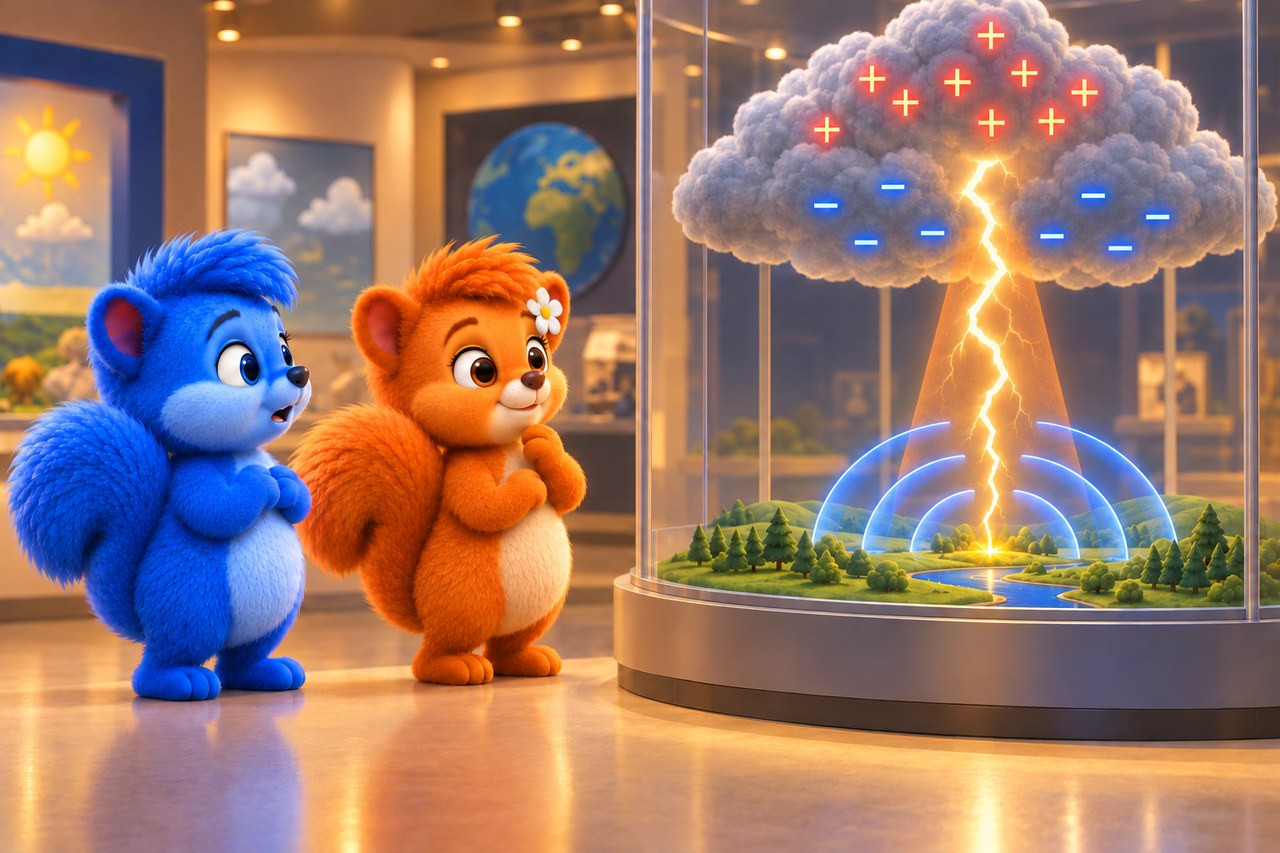
Puschel and Flauschi in the museum. Cloud charges, lightning and pressure waves in a museum model.

How do lightning and thunder happen?

A lightning flash suddenly heats the air. Why do we usually hear the thunder afterwards?

Ages 6–10 · Discover together

Open learning page →
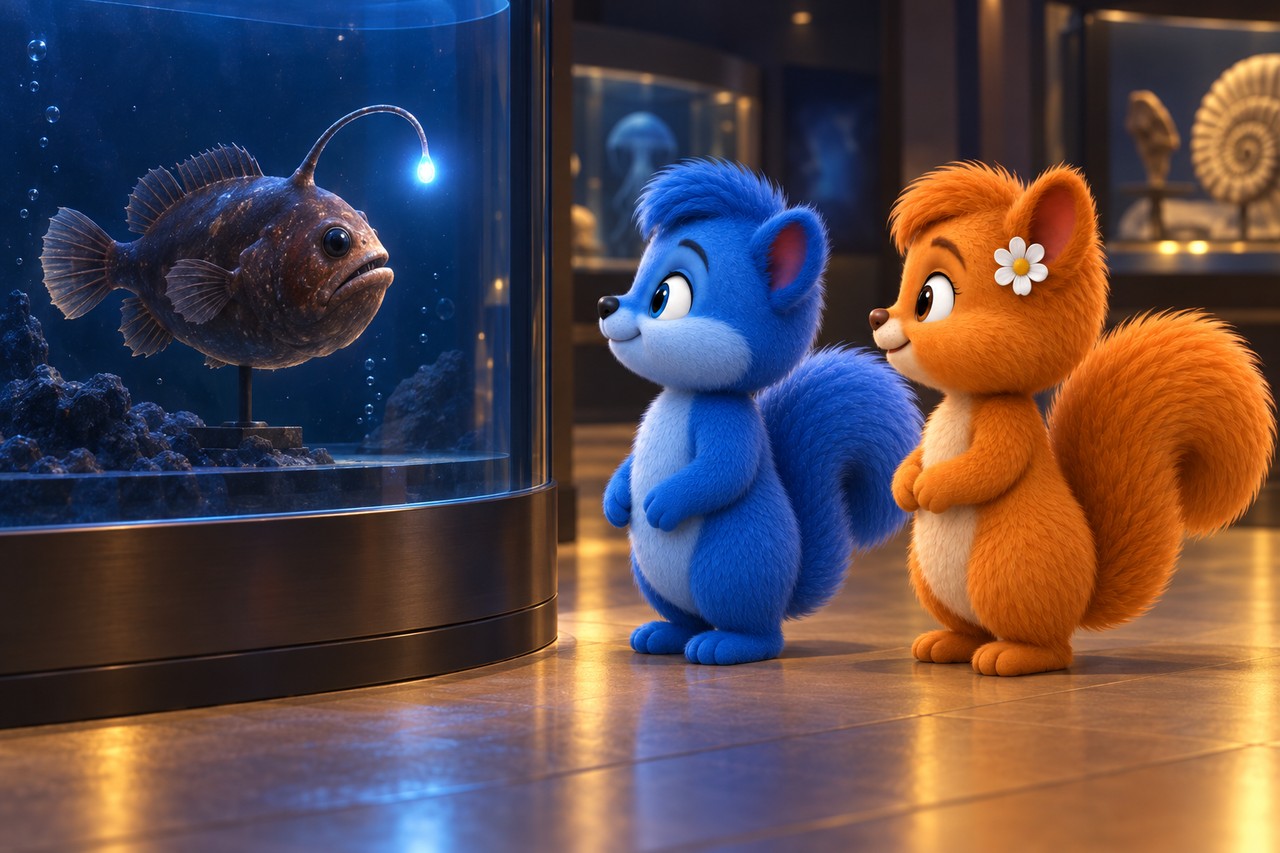
Equal-sized Puschel and Flauschi examine a museum model of a female deep-sea anglerfish with a glowing lure.

Why do some deep-sea animals glow?

Far below the surface, sunlight disappears. Some ocean creatures make their own light.

Ages 6–10 · Discover together

Open learning page →
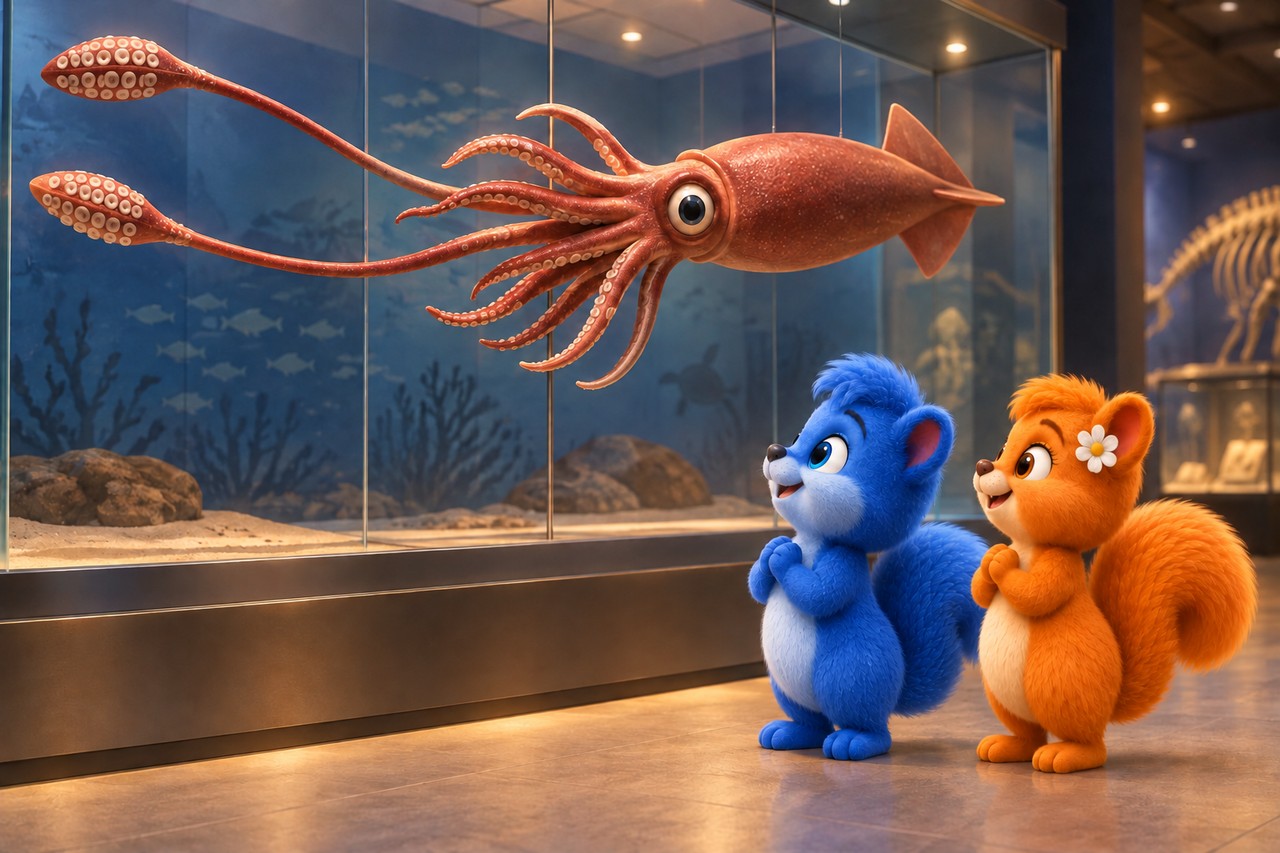
Equal-sized Puschel and Flauschi examine a reduced giant-squid model in an ocean museum.

What is a giant squid?

Eight arms, two long feeding tentacles and large eyes: an unusual animal from deep in the ocean.

Ages 6–10 · Discover together

Open learning page →
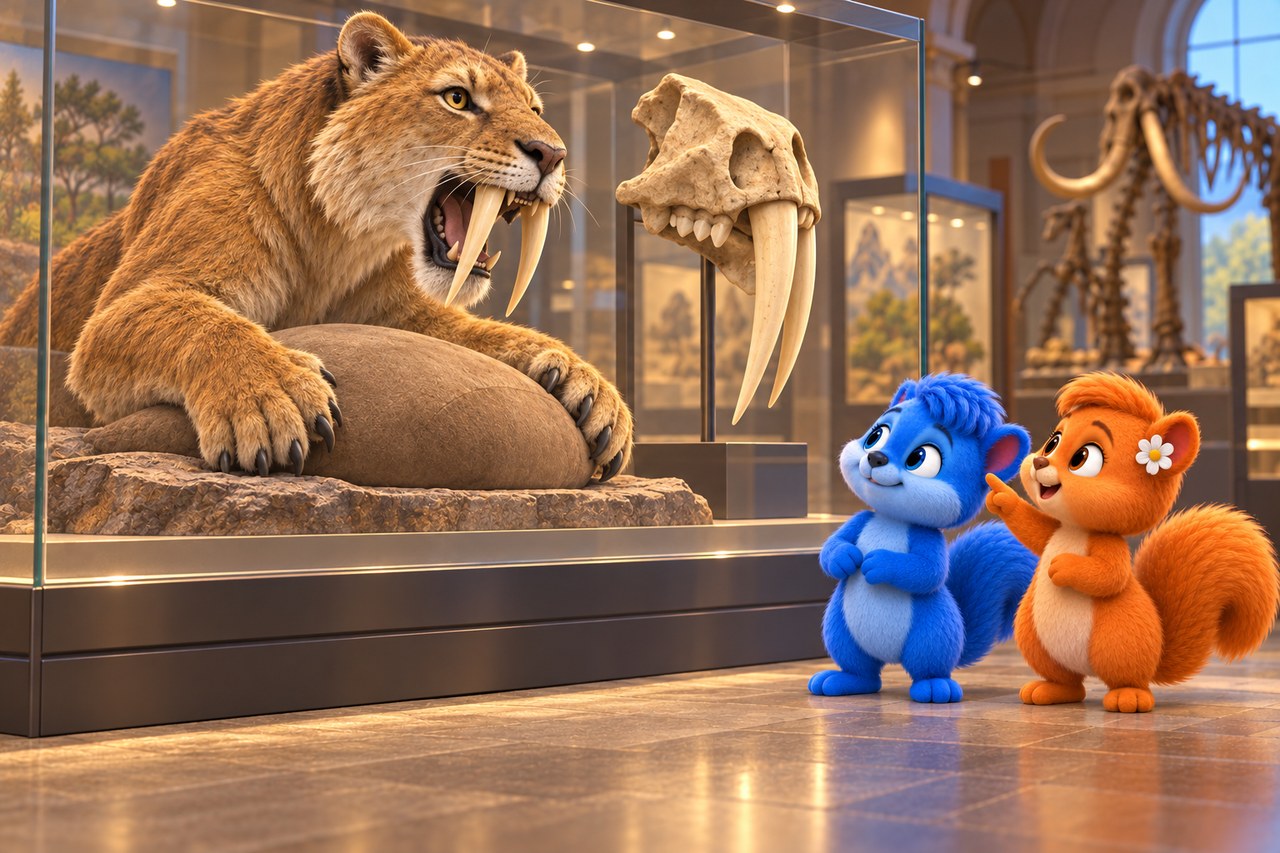
Puschel and Flauschi in the museum. Smilodon reconstruction with long canine teeth and strong forelegs.

Why did sabre-toothed cats have such long teeth?

Smilodon lived during the Ice Age. Its bones tell us more than a famous nickname.

Ages 6–10 · Discover together

Open learning page →
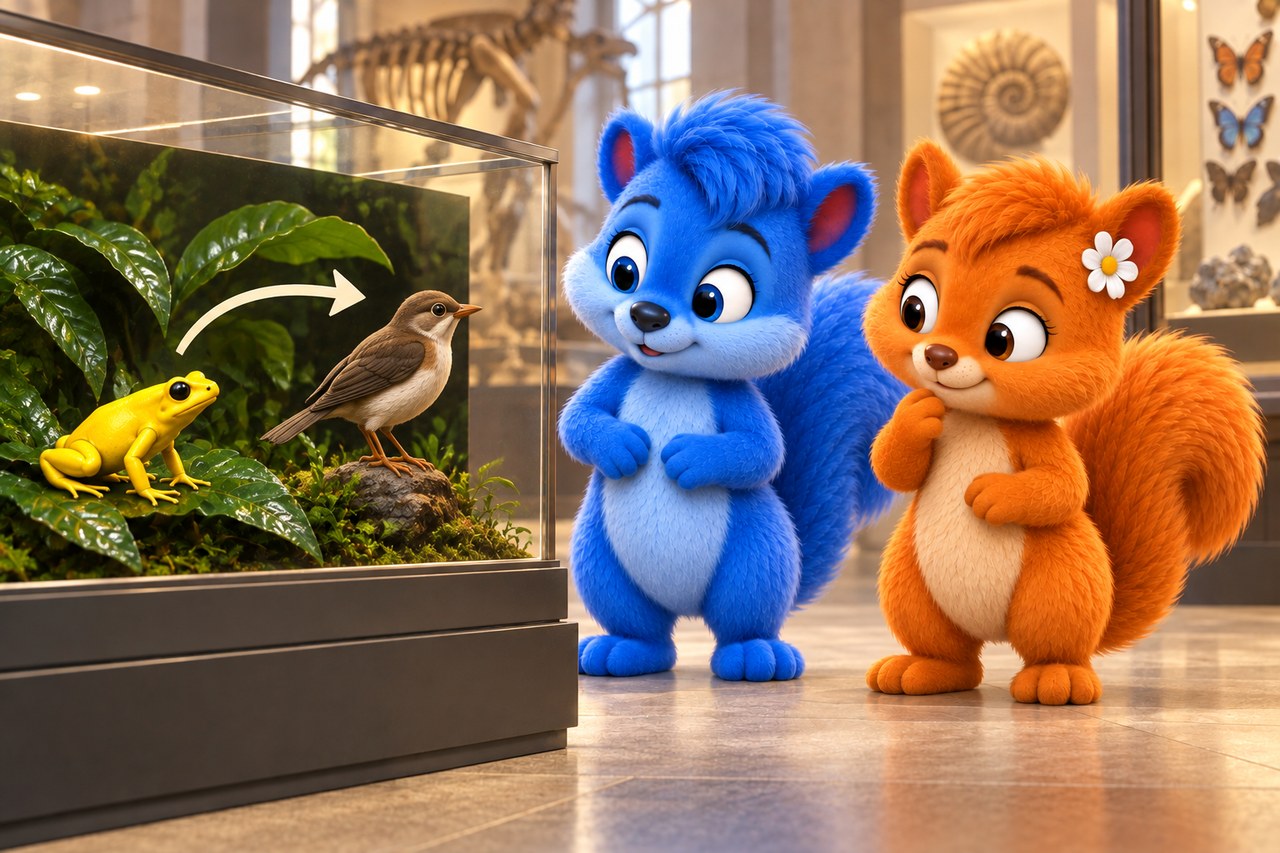
Puschel and Flauschi in the museum. A bright frog model and a predator turning away.

Why are some frogs so colourful?

Poison frogs can use bright colours as a warning. Their food plays a surprising role.

Ages 6–10 · Discover together

Open learning page →
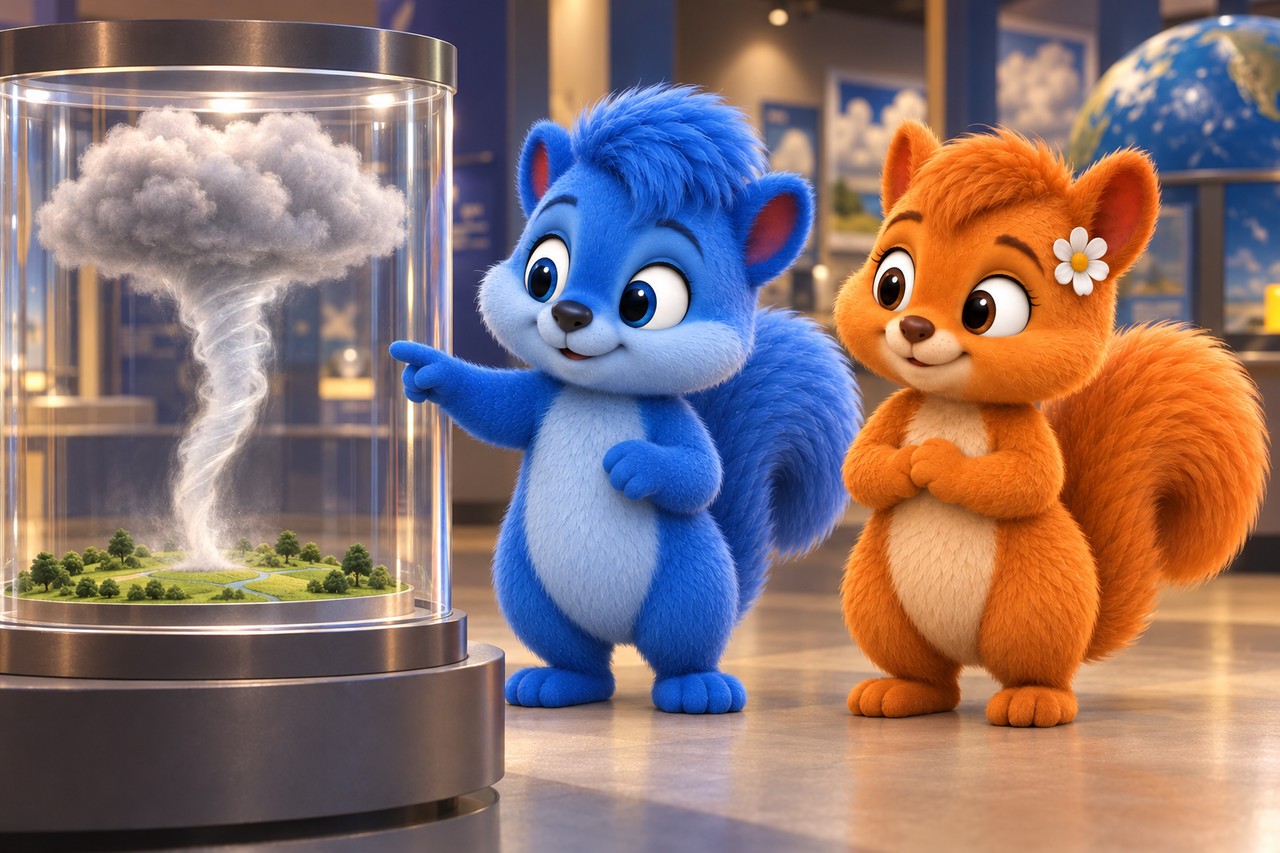
Equal-sized Wusels examine a sealed tornado model in a science museum.

What is a tornado?

A rotating air column can reach the ground. A visible funnel and a tornado are not exactly the same thing.

Ages 6–10 · Discover together

Open learning page →
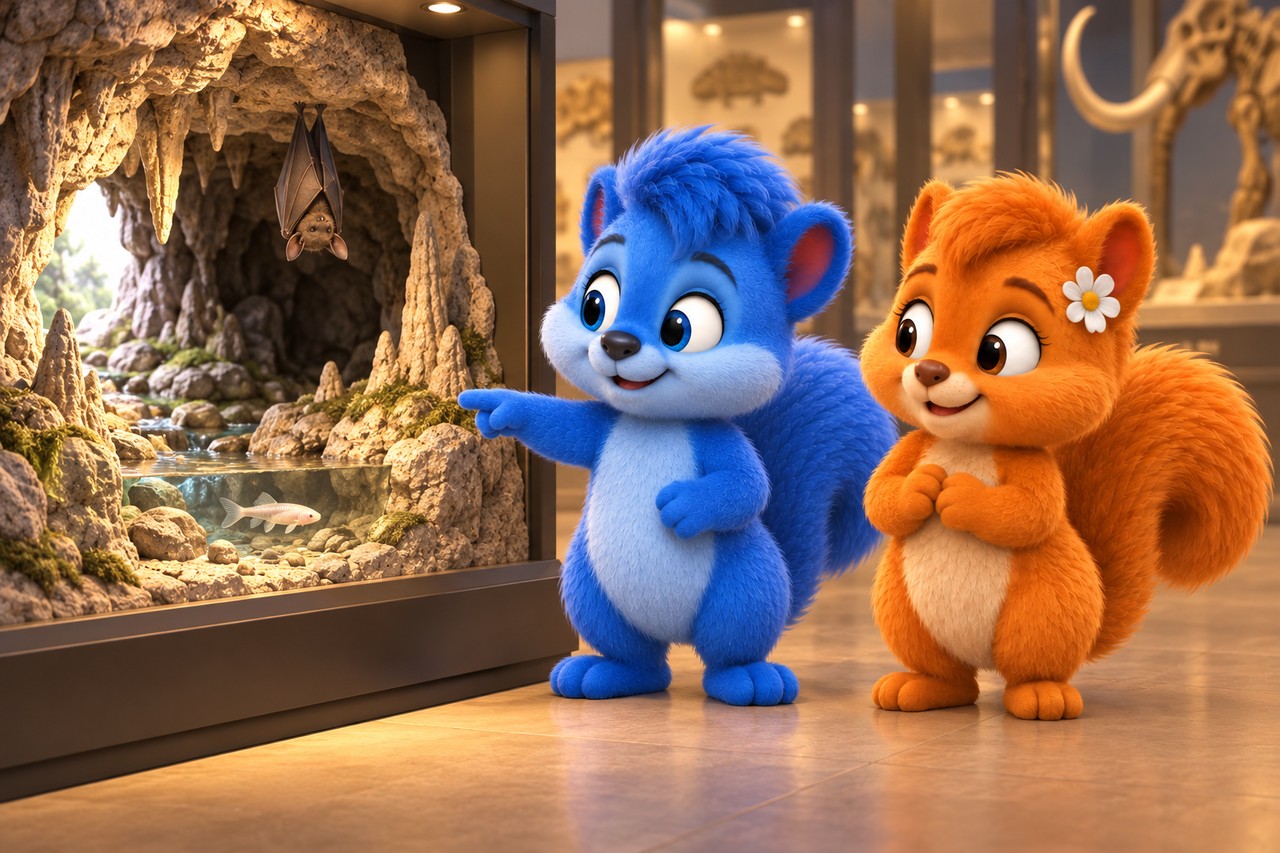
Equal-sized Puschel and Flauschi examine a cave-habitat museum model with a bat and cave fish.

How do animals live in dark caves?

Some are visitors. Others spend their whole lives underground.

Ages 6–10 · Discover together

Open learning page →