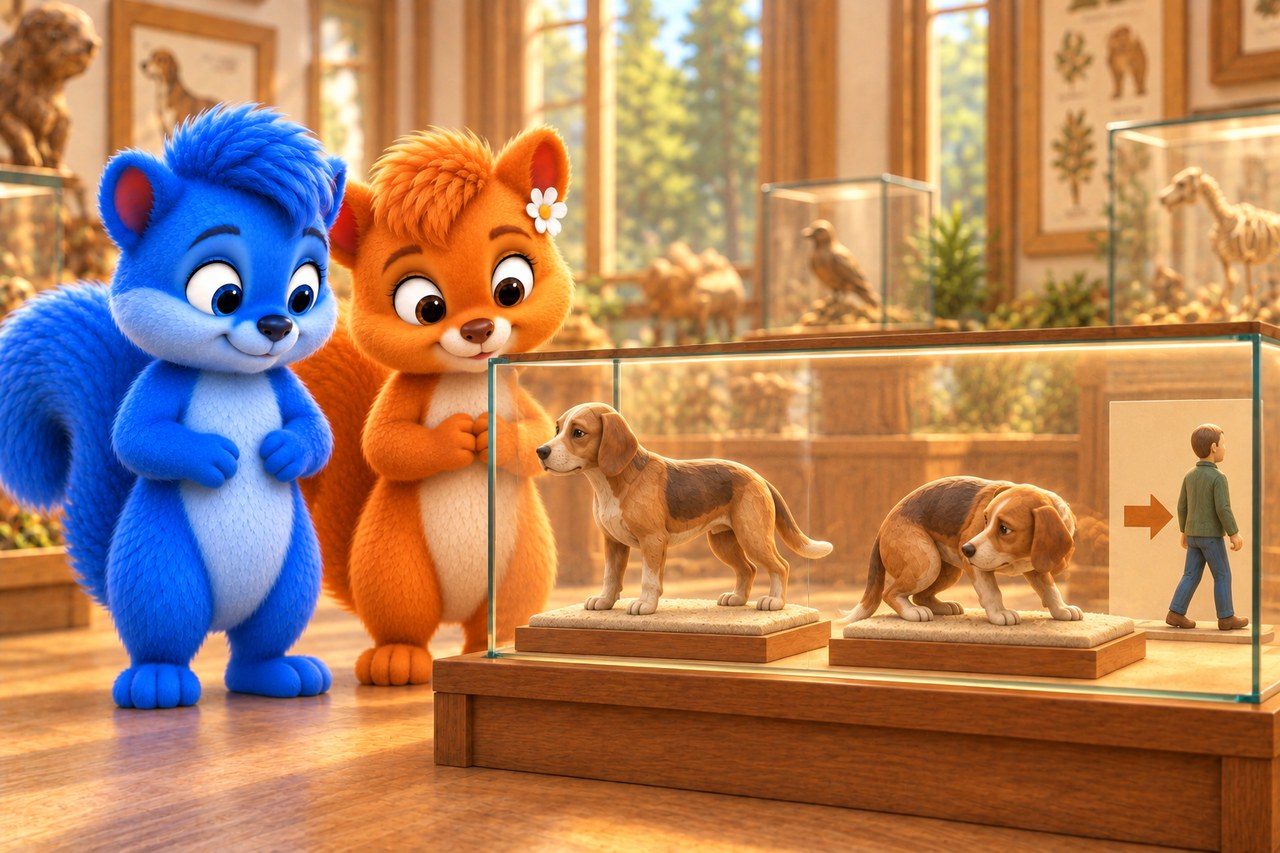
What can a dog’s body language show us?
Consider posture, sounds and situation together; respect space rather than translating single signals like words.
Open learning page →Your choices apply to all pages in this browser.
Observe animals carefully, understand their needs and protect habitats. Pictures and models explain features; respect distance and leave examinations to professionals.
Consider posture, sounds and situation together; respect space rather than translating single signals like words.
Open learning page →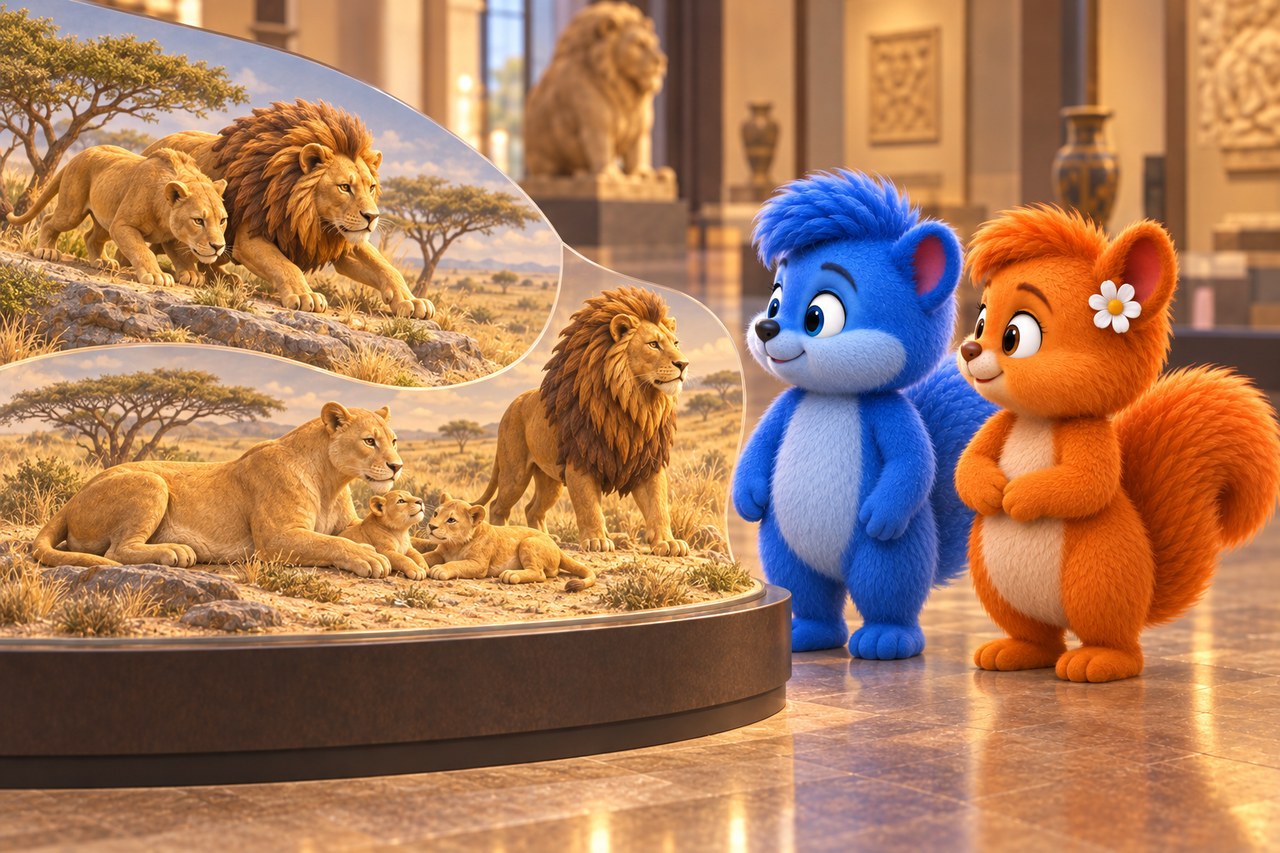
A mane is a striking feature. Groups, food and habitats also matter to a lion’s life.
Open learning page →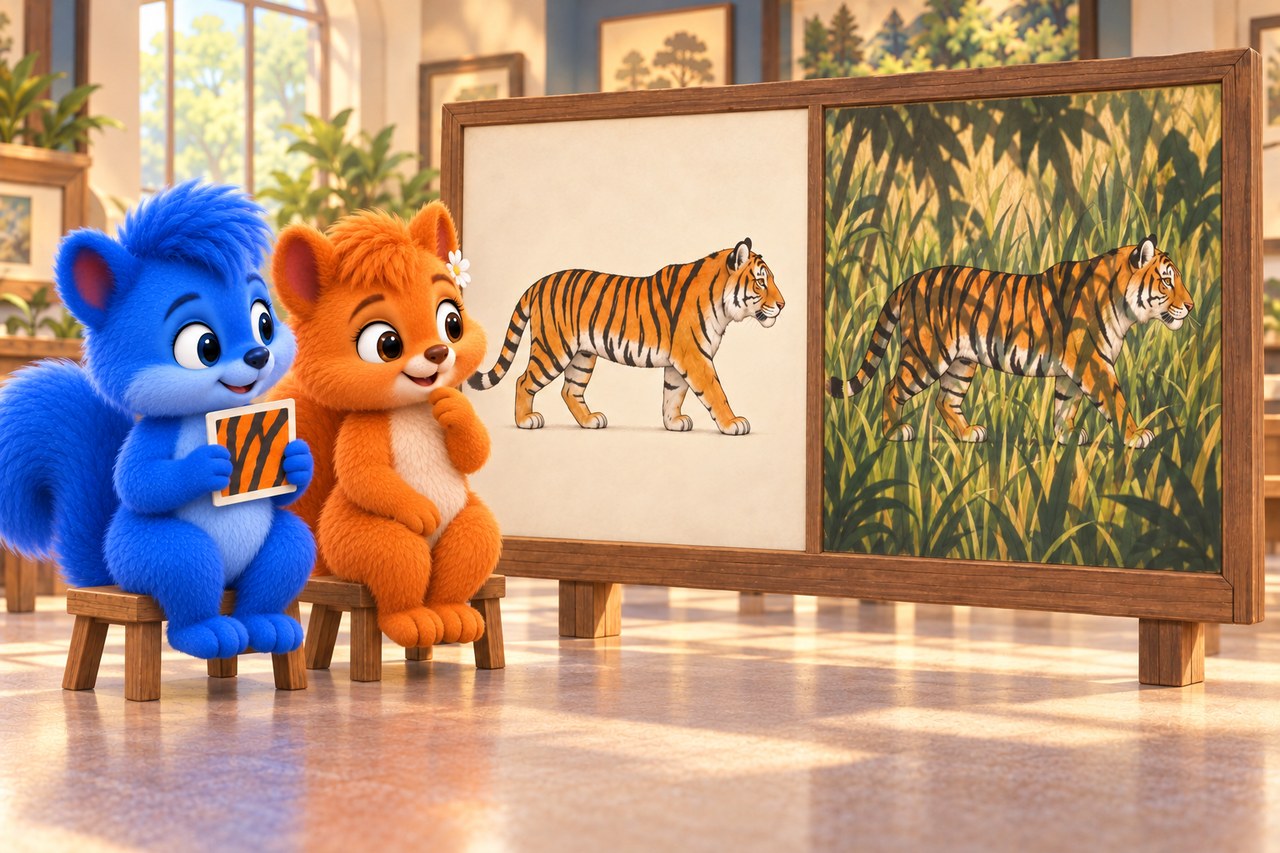
The pattern helps with camouflage. Specialists can also recognise individual tigers by their stripes.
Open learning page →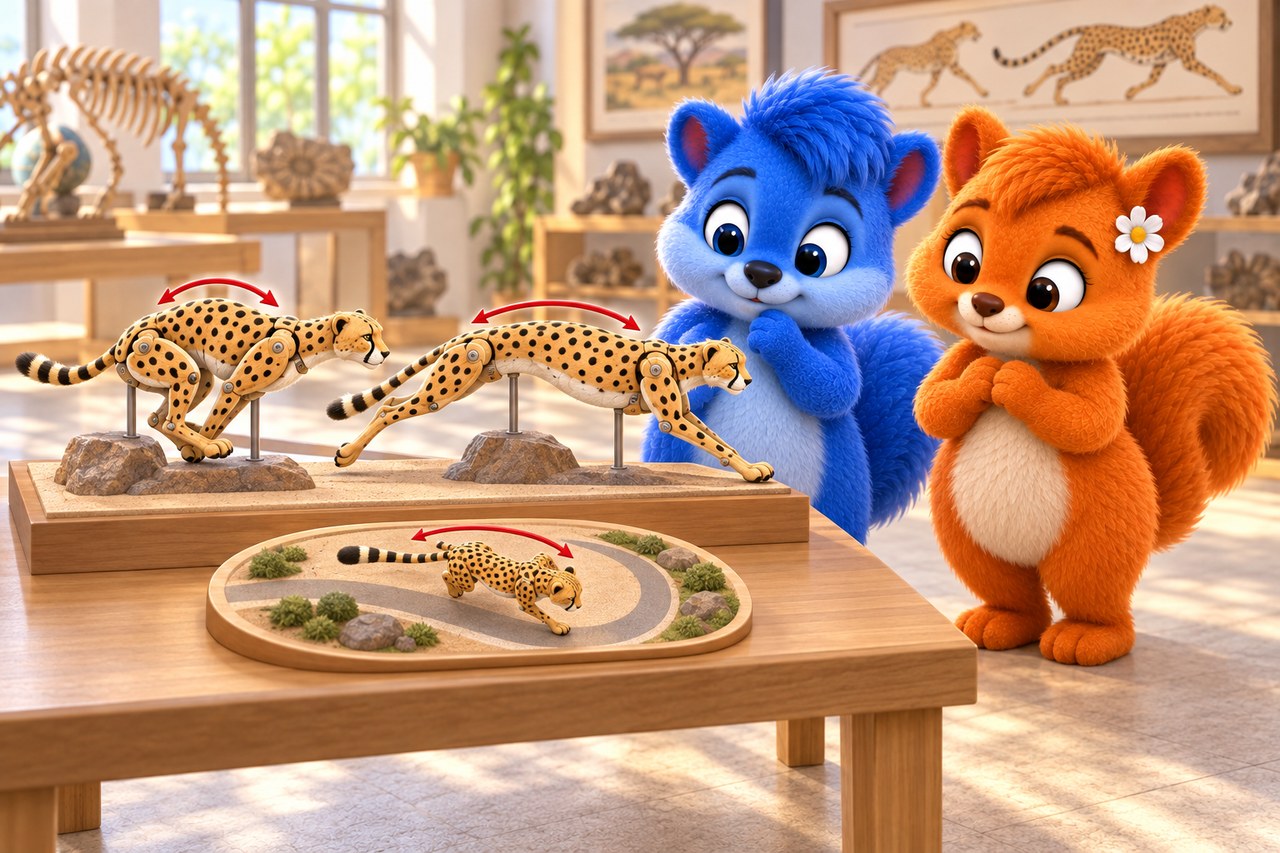
Their bodies suit short fast runs. Hunting also involves how they accelerate, brake and turn.
Open learning page →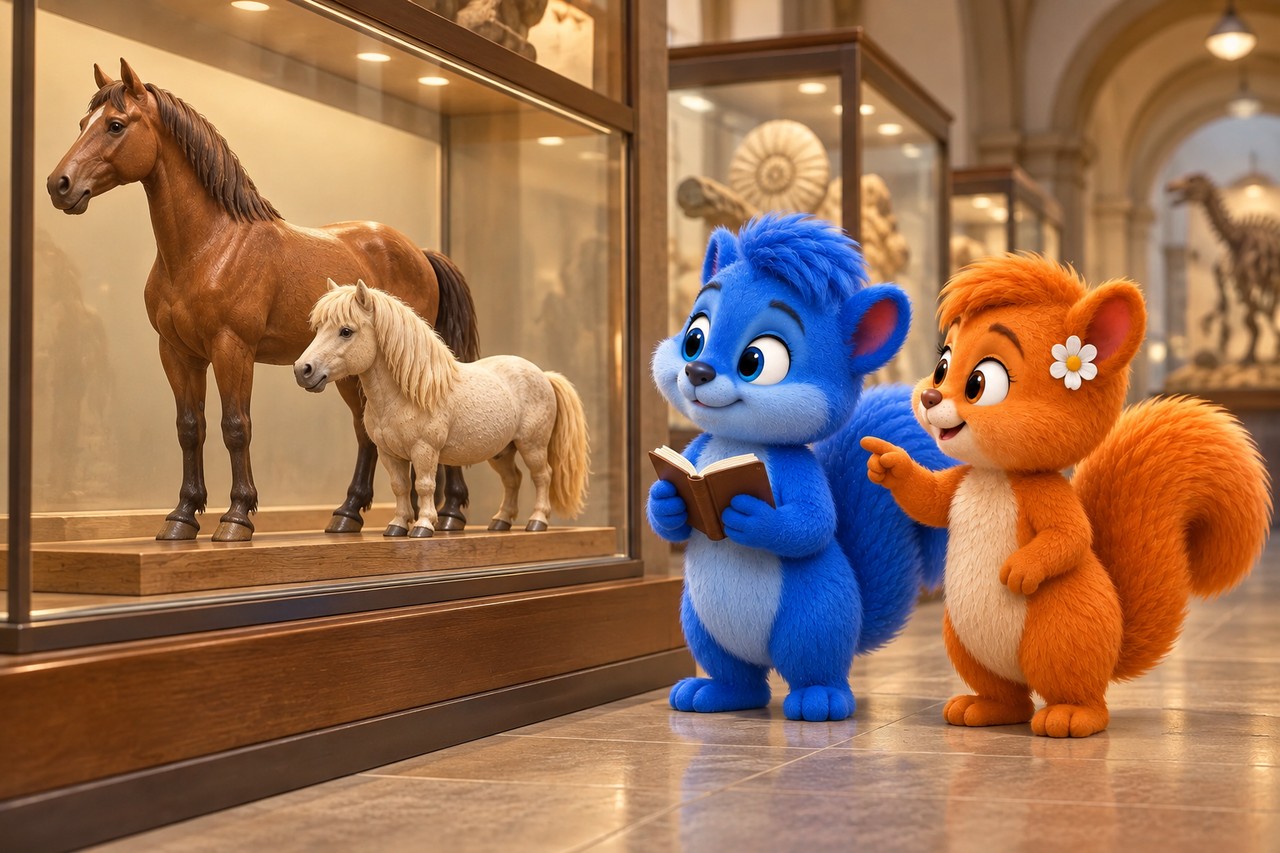
Small size and young age are different things. A pony can already be fully grown.
Open learning page →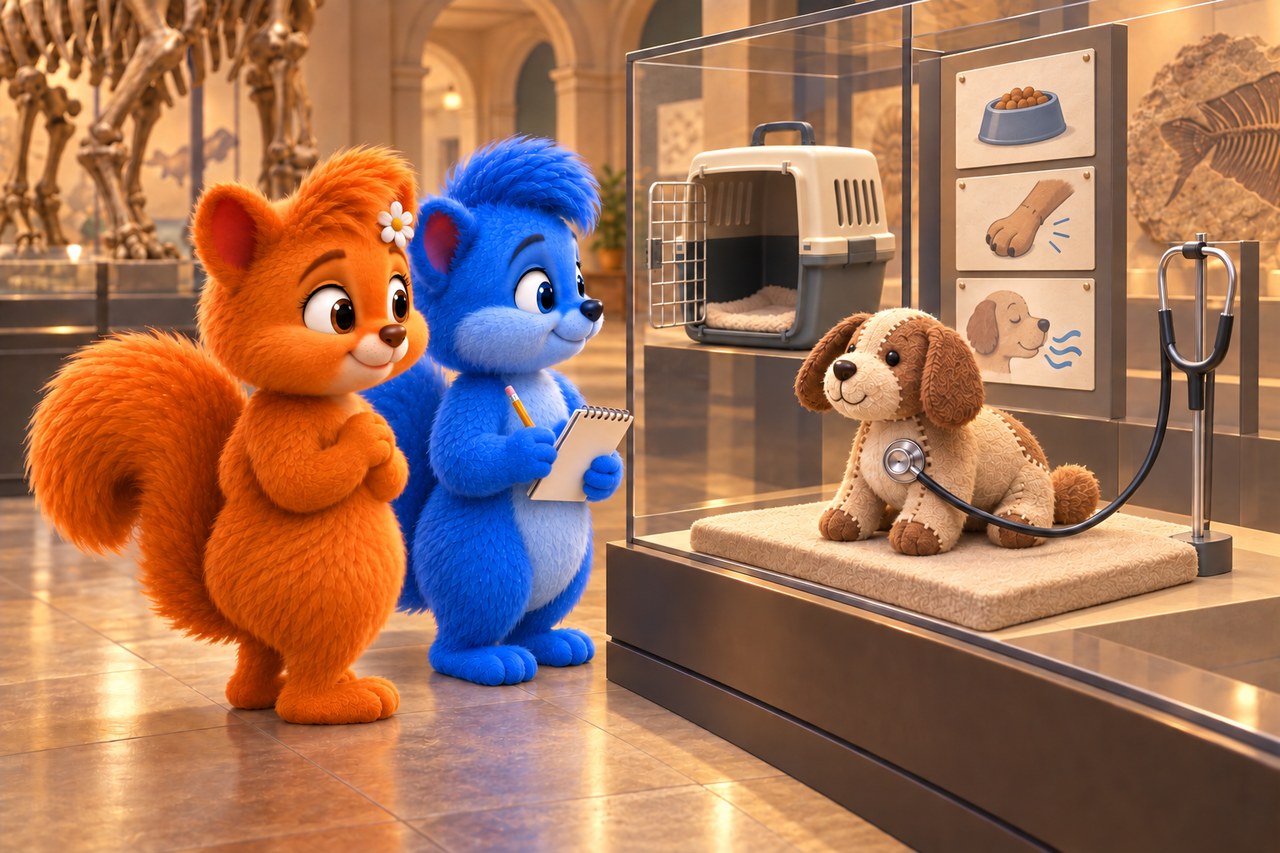
Share observations, let professionals examine the animal and ask questions: a visit involves cooperation.
Open learning page →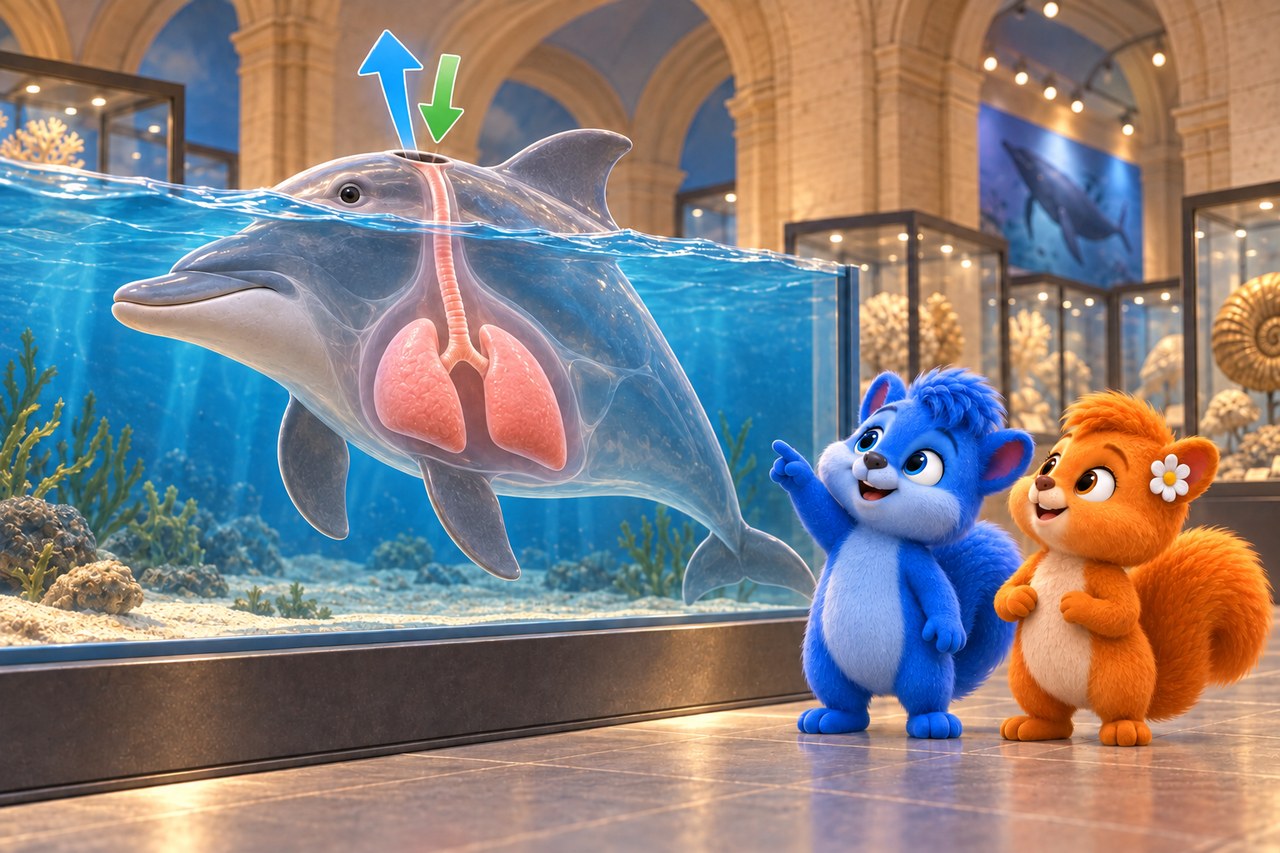
Using the common bottlenose dolphin as an example, explore air breathing, sound and changing groups.
Open learning page →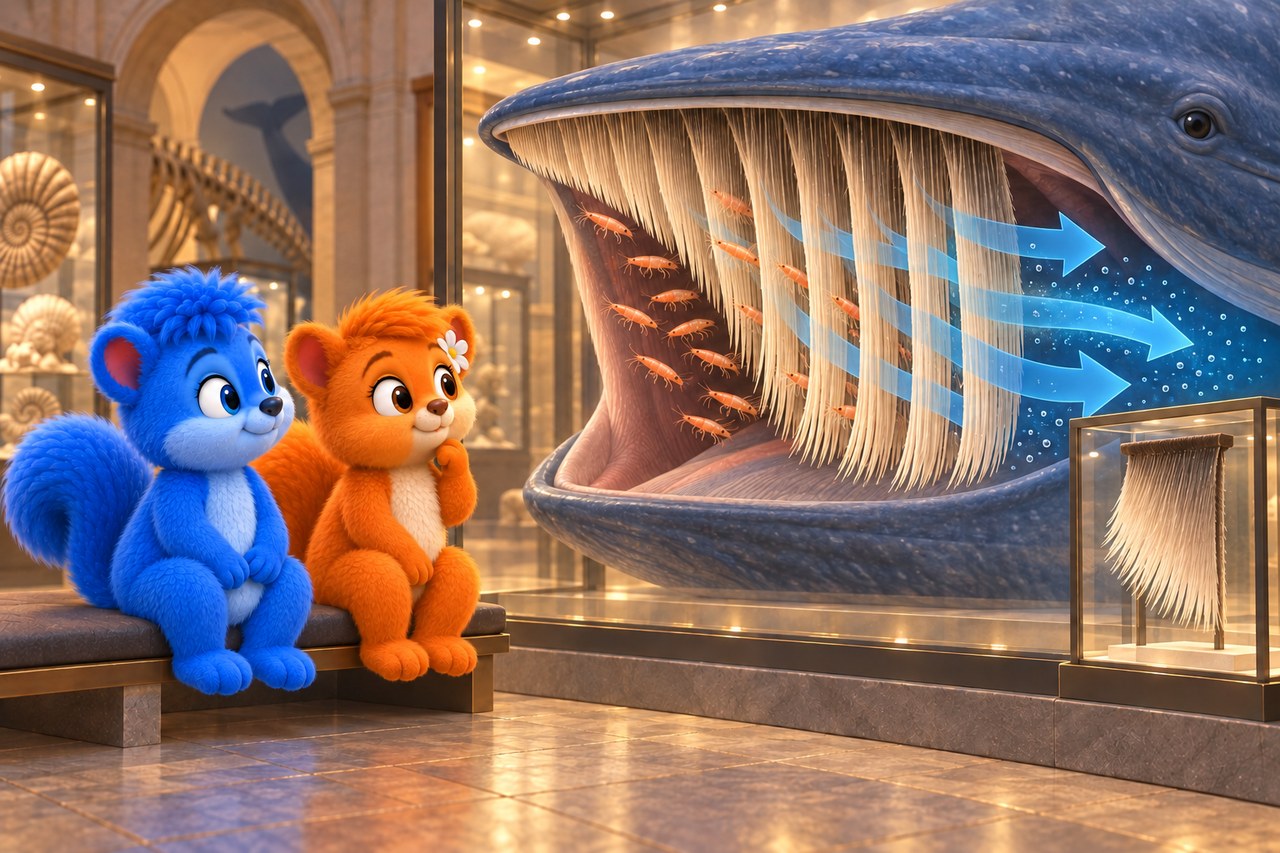
Baleen whales filter food with special plates. Toothed whales use other approaches.
Open learning page →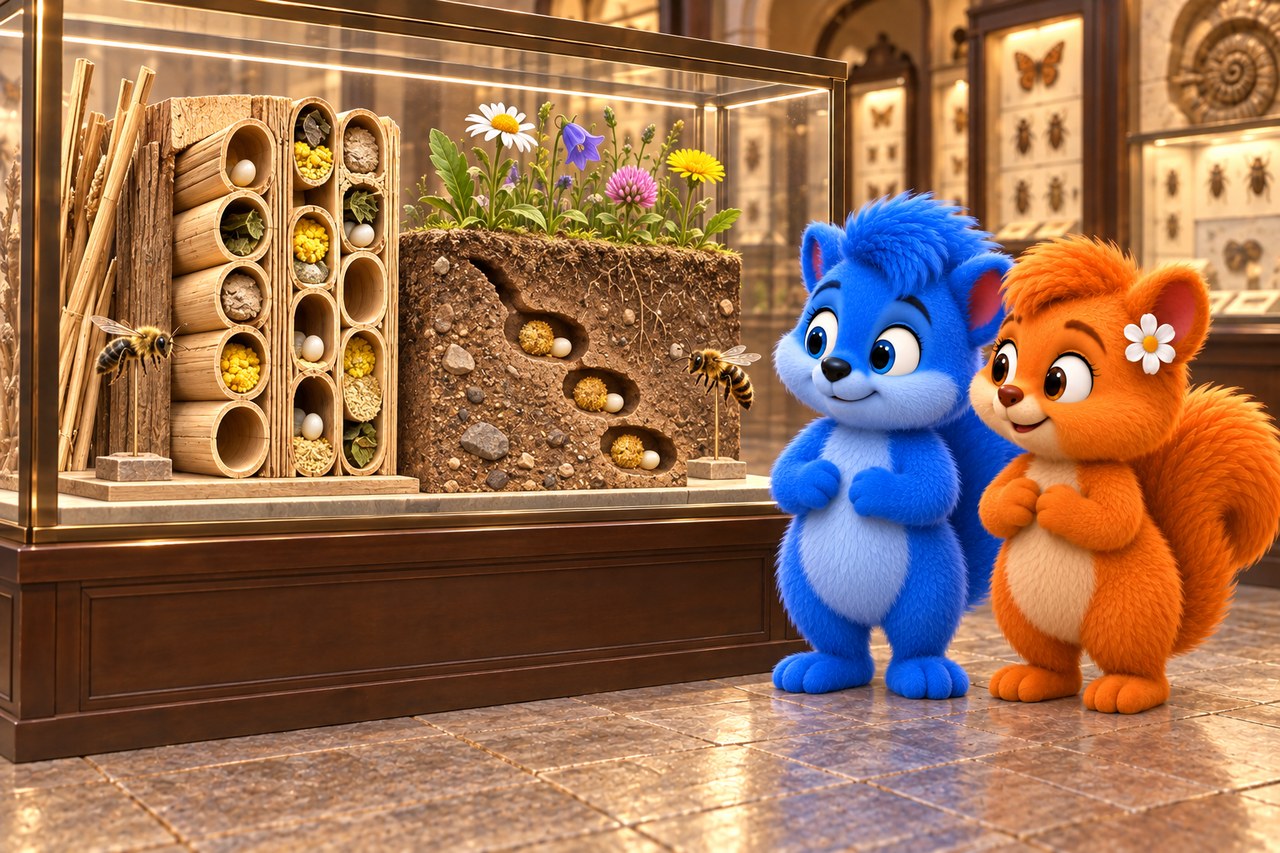
Tubes may help some solitary bees. Flowers and natural nesting places remain important.
Open learning page →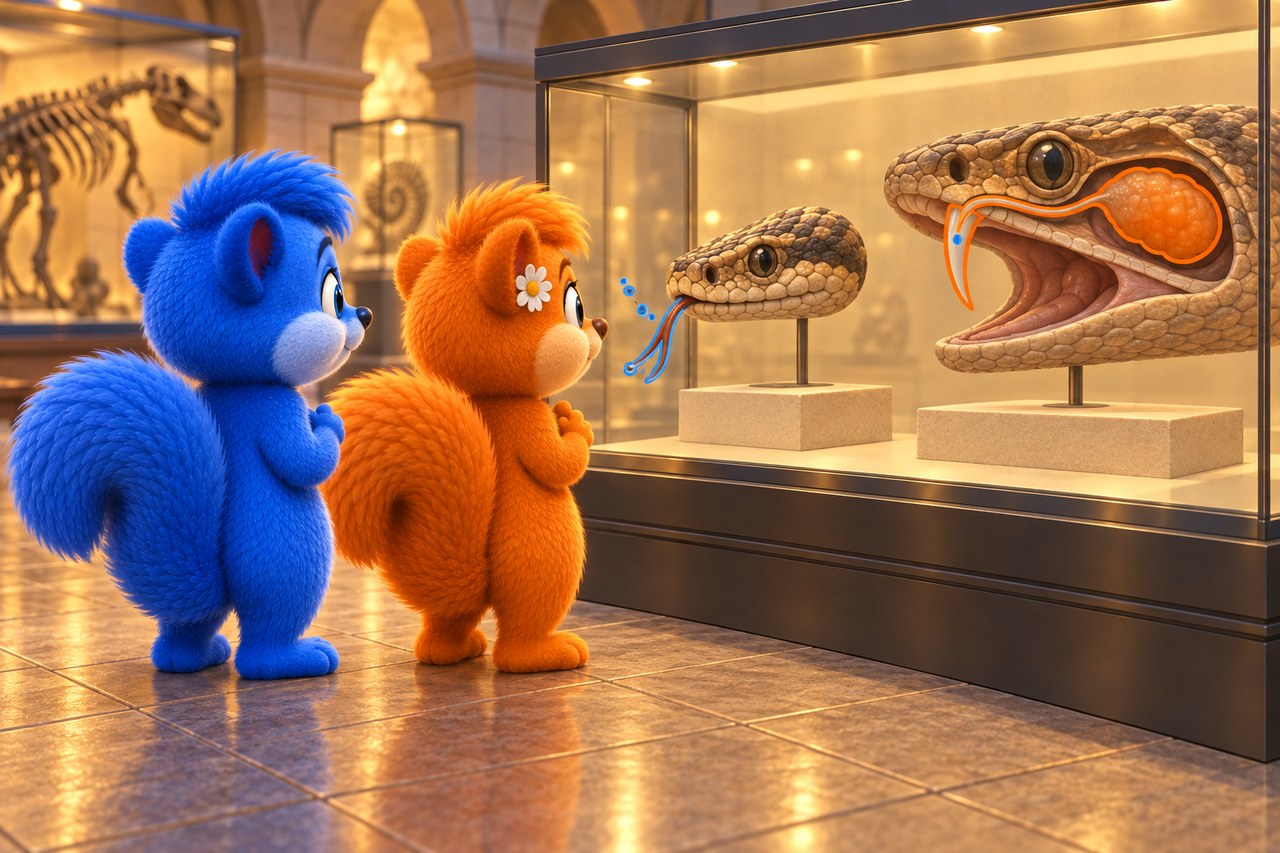
A tongue gathers clues from the surroundings. Venomous snakes use other body parts to deliver venom.
Open learning page →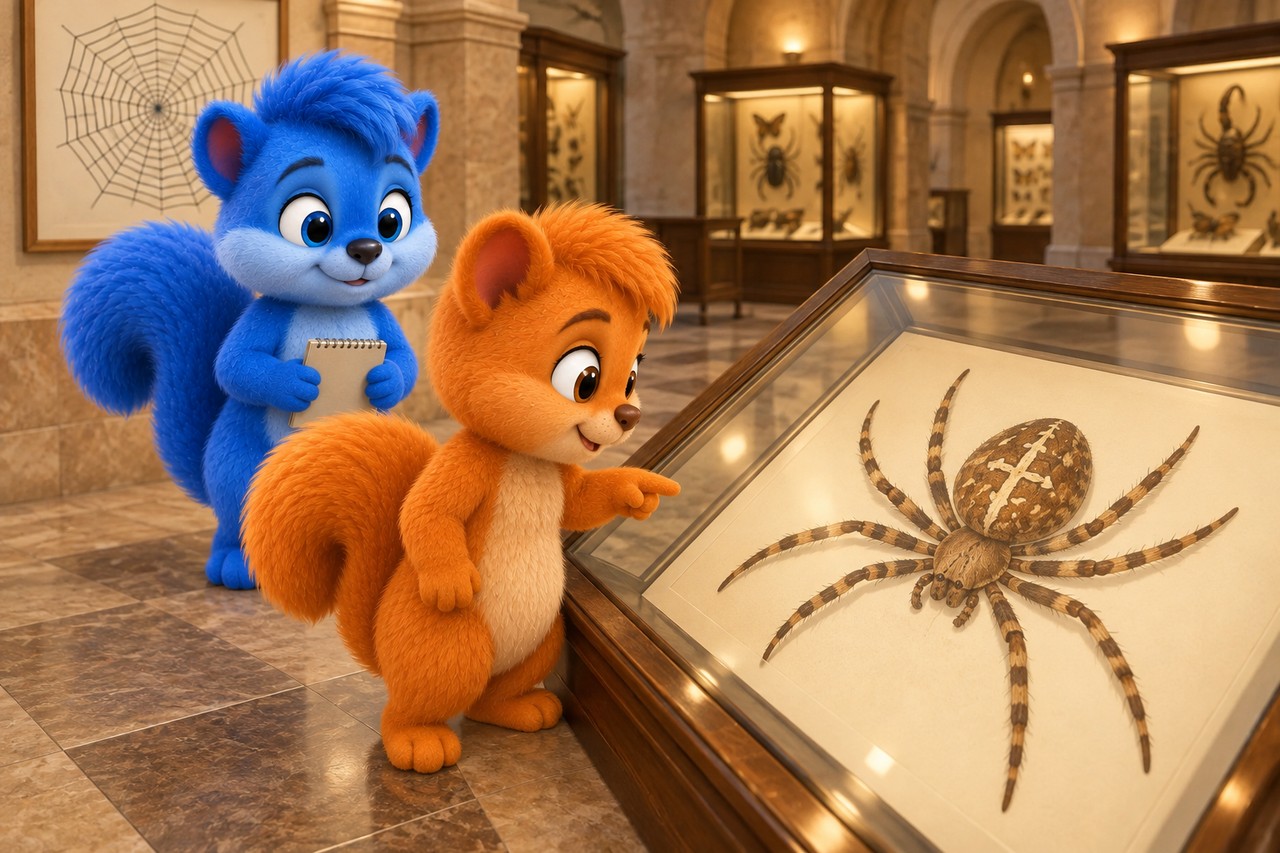
Eight walking legs, two body sections and an orb web: look closely without disturbing a spider.
Open learning page →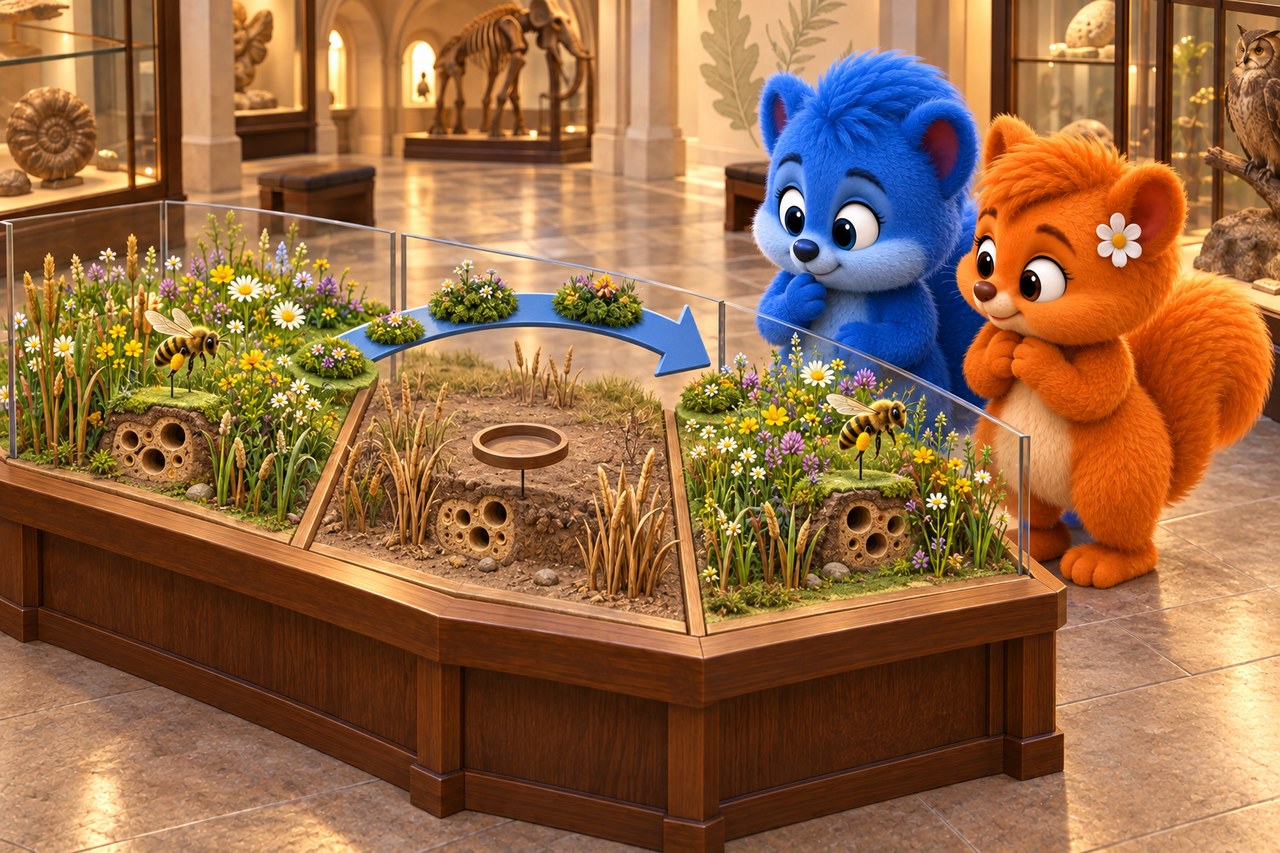
An animal needs more than a memorable name: food, shelter and a suitable habitat belong together.
Open learning page →