Media & Invention

Create original games, pictures, stories and inventions. Plan small steps, test ideas and respect permission, privacy and other people’s rights.

What would you like to discover?

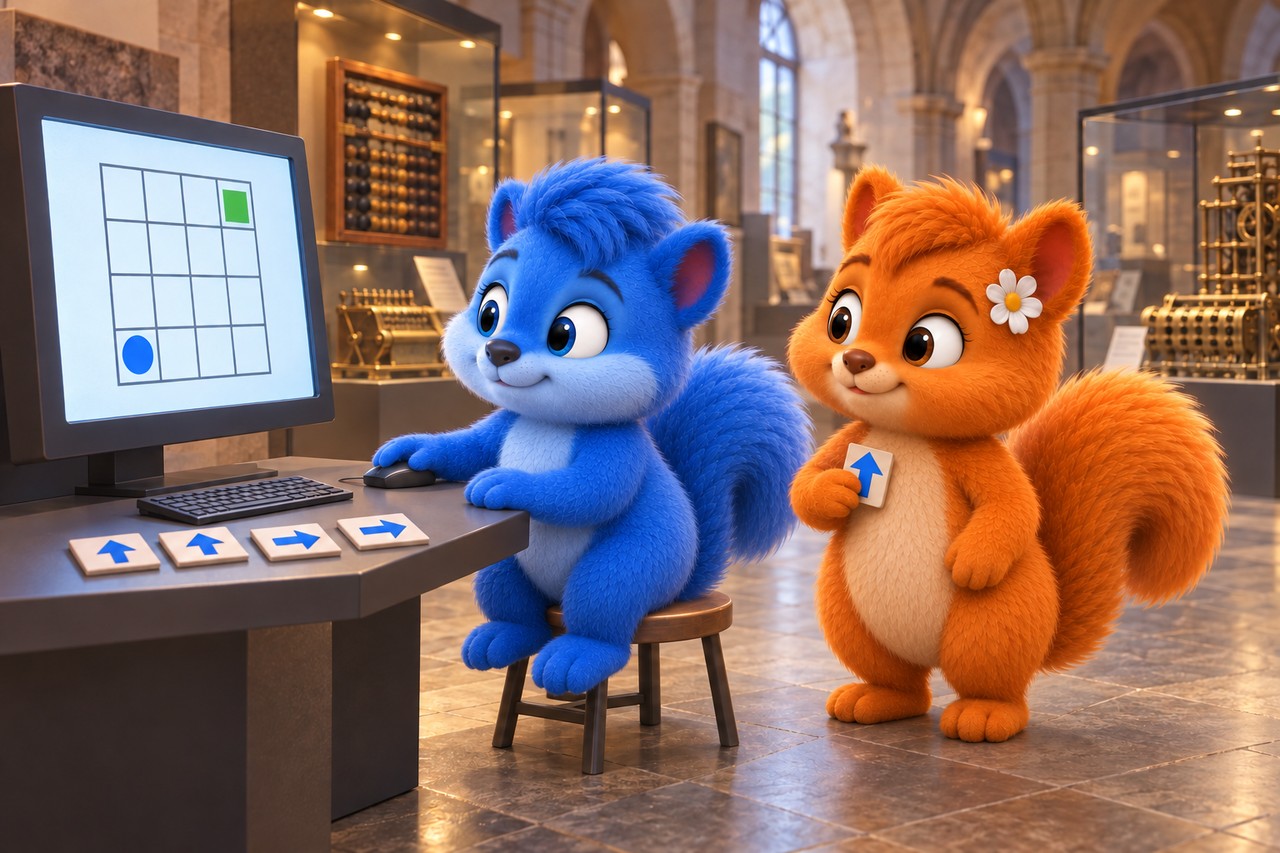
Puschel sits at a computer station in the museum; Flauschi holds an arrow card while examining a simplified game grid.

Programming and designing games

Clear steps, suitable rules and small tests: an idea gradually becomes a game.

Ages 6–10 · Discover together

Open learning page →
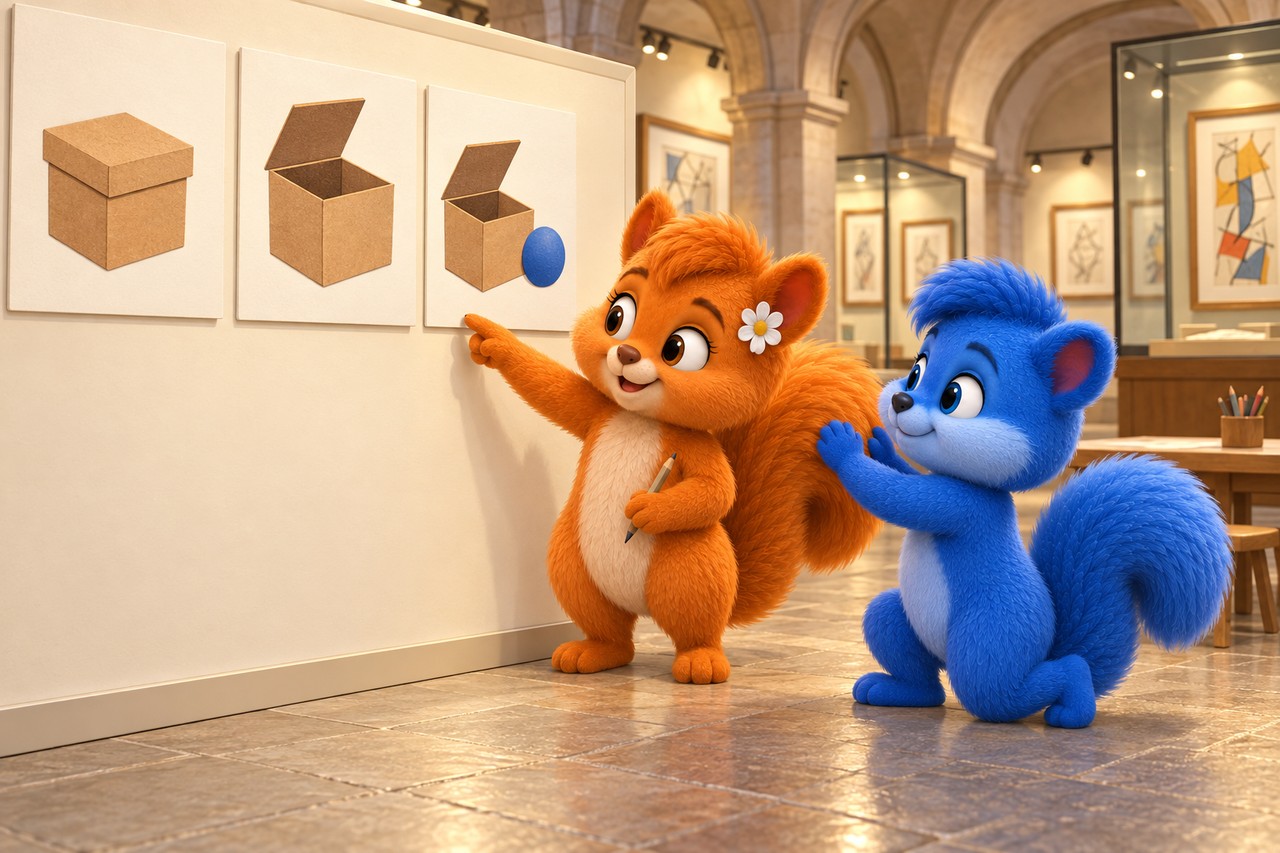
Flauschi examines three picture cards on an interactive museum wall; Puschel kneels on the right to examine the sequence.

Drawing comics: what happens between pictures?

Three pictures can tell a small story. A clear sequence and suitable clues help readers follow it.

Ages 6–10 · Discover together

Open learning page →
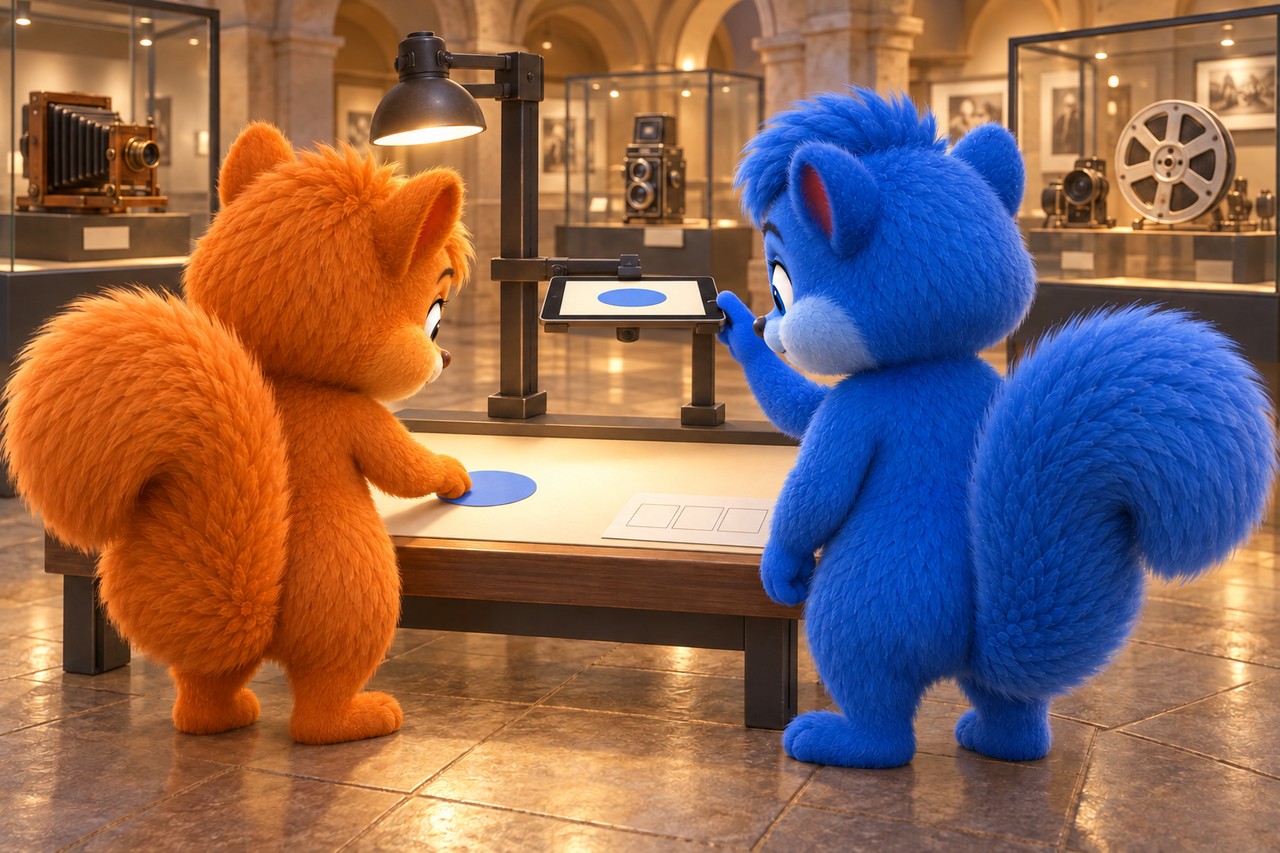
Puschel and Flauschi use an interactive stop-motion museum station with a blue paper circle and a mounted camera.

Stop-motion: one picture at a time

A paper circle moves in small steps. Many separate pictures can show movement when played back.

Ages 6–10 · Discover together

Open learning page →
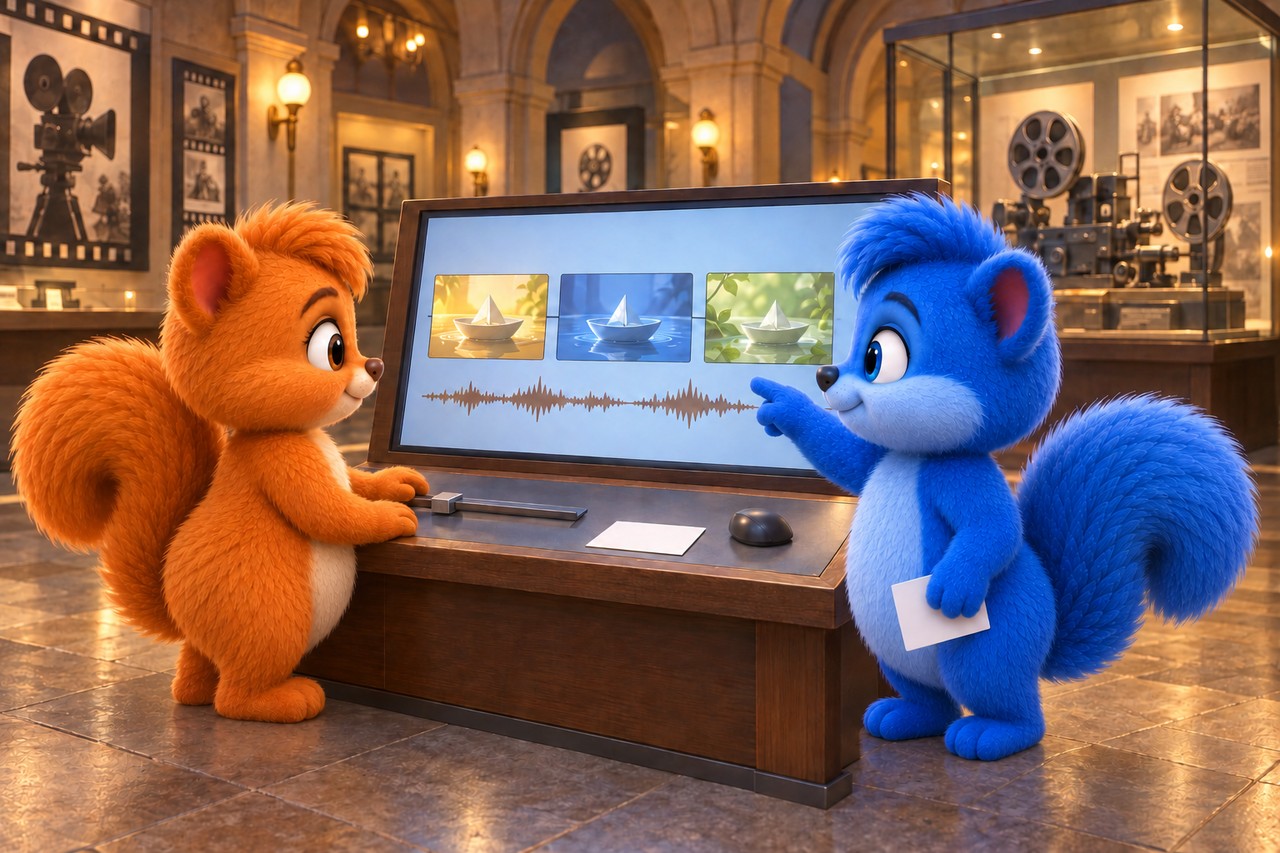
Flauschi and Puschel examine a simplified picture sequence and audio track at a museum editing station.

Video editing: clips become a sequence

Which shot comes first? How long does it stay visible? Editing involves decisions for our story.

Ages 6–10 · Discover together

Open learning page →
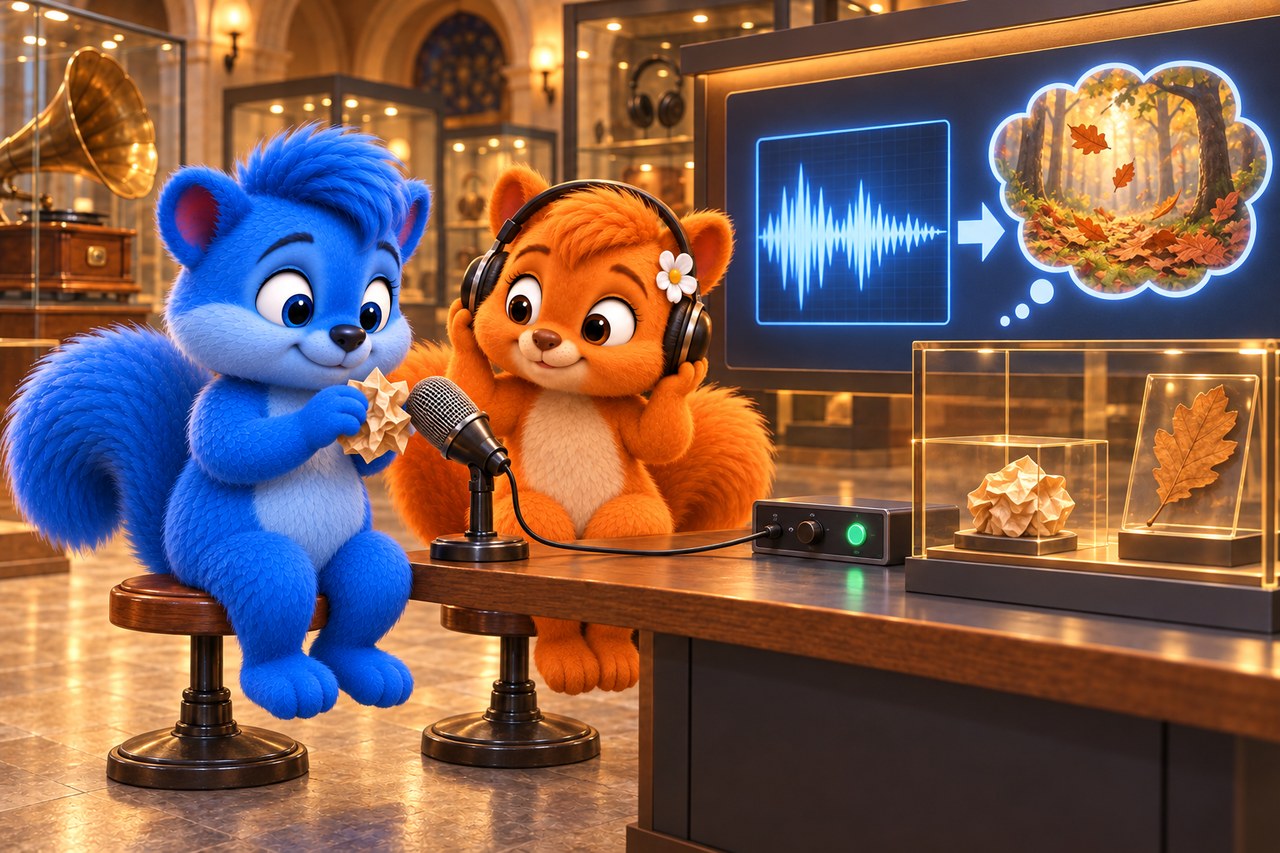
Puschel and Flauschi in the museum. Sound station: paper rustles at a microphone; recording and imagined woodland are compared.

Audio drama: a story for the ears

Voices, sounds and pauses help us understand a story without pictures. How can we plan a short original scene?

Ages 6–10 · Discover together

Open learning page →
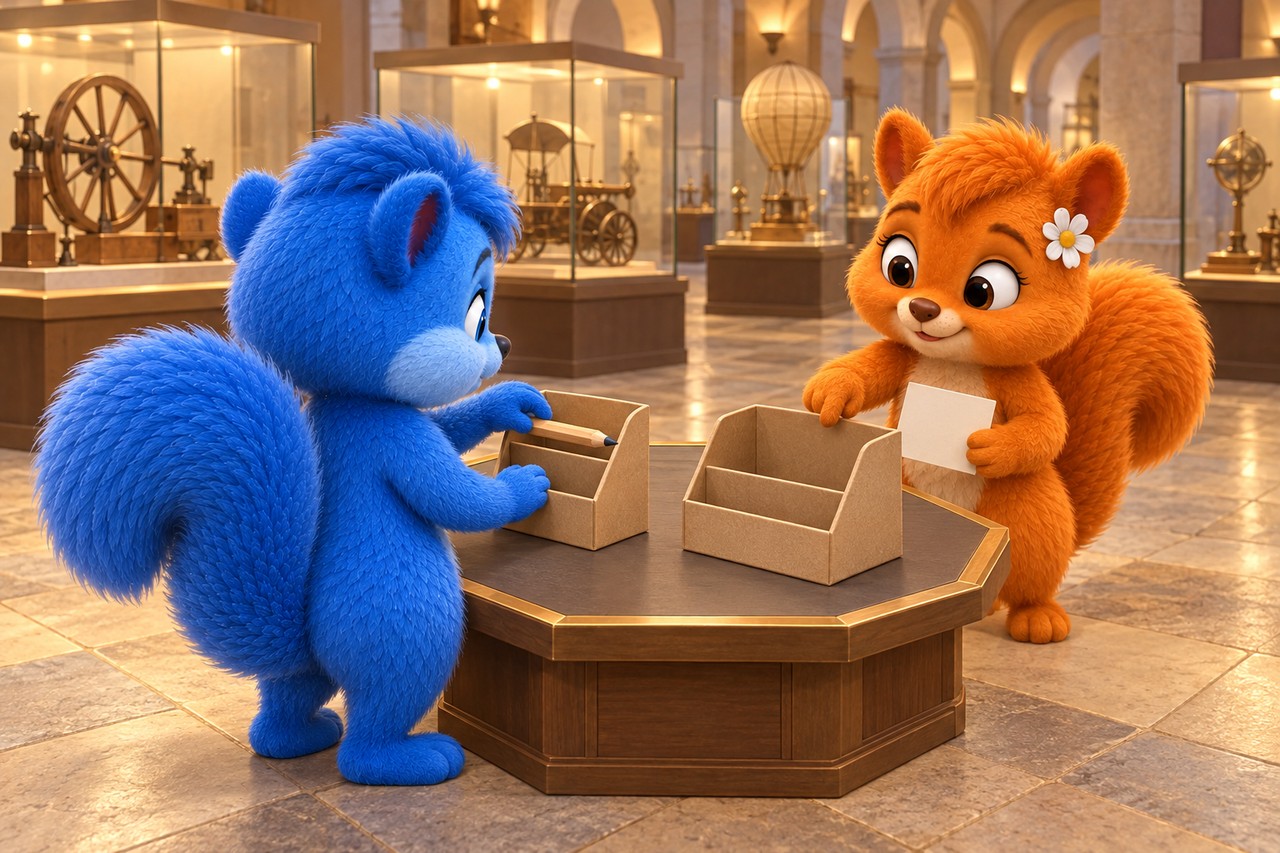
Puschel and Flauschi compare two cardboard holders at a museum invention station.

Inventions: an idea needs testing

What should our idea improve? Sketches, simple models and clear tests help us discover whether it fits the task.

Ages 6–10 · Discover together

Open learning page →
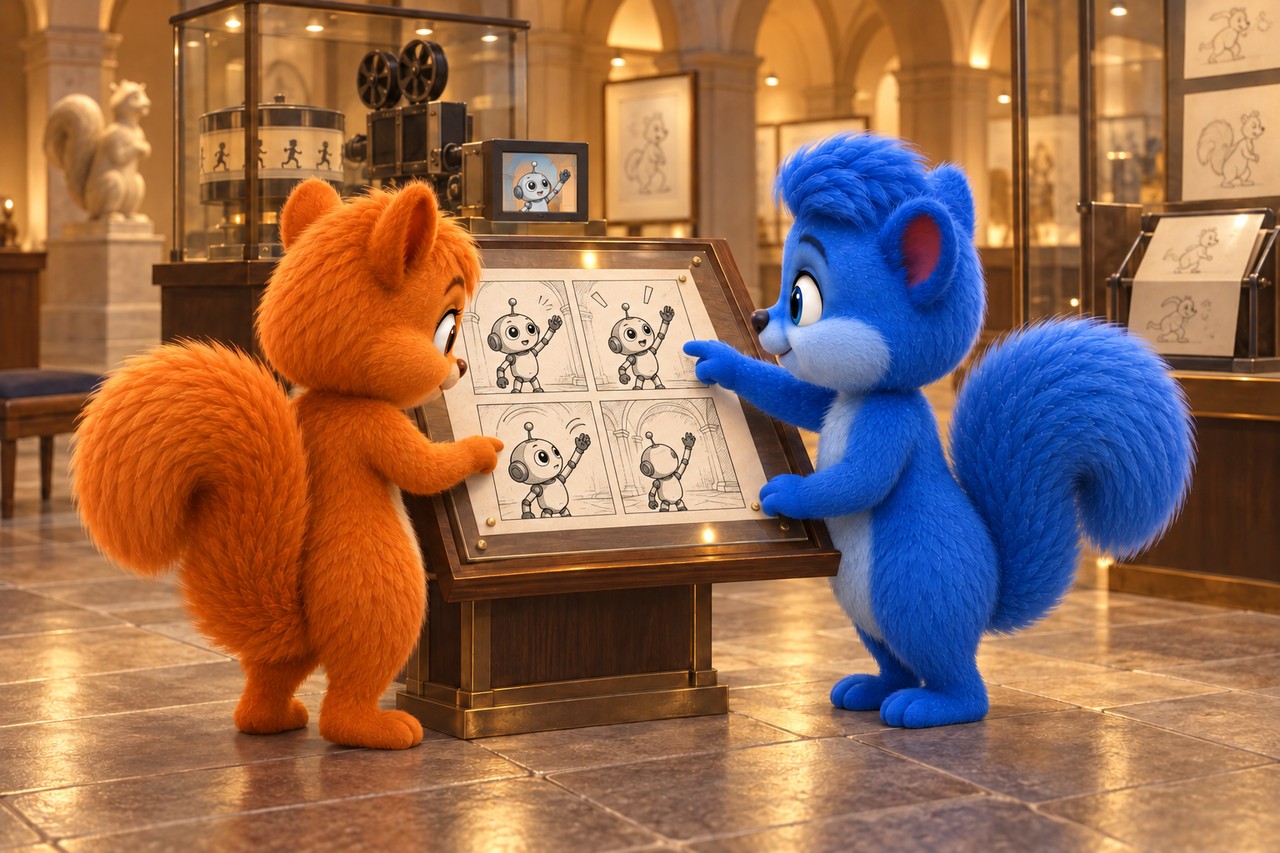
Puschel and Flauschi examine an original four-panel page and an animation screen in the museum.

Anime and manga: two ways to tell stories

Reading a picture story or watching animation: how do these media differ, and where do we start on a manga page?

Ages 6–10 · Discover together

Open learning page →
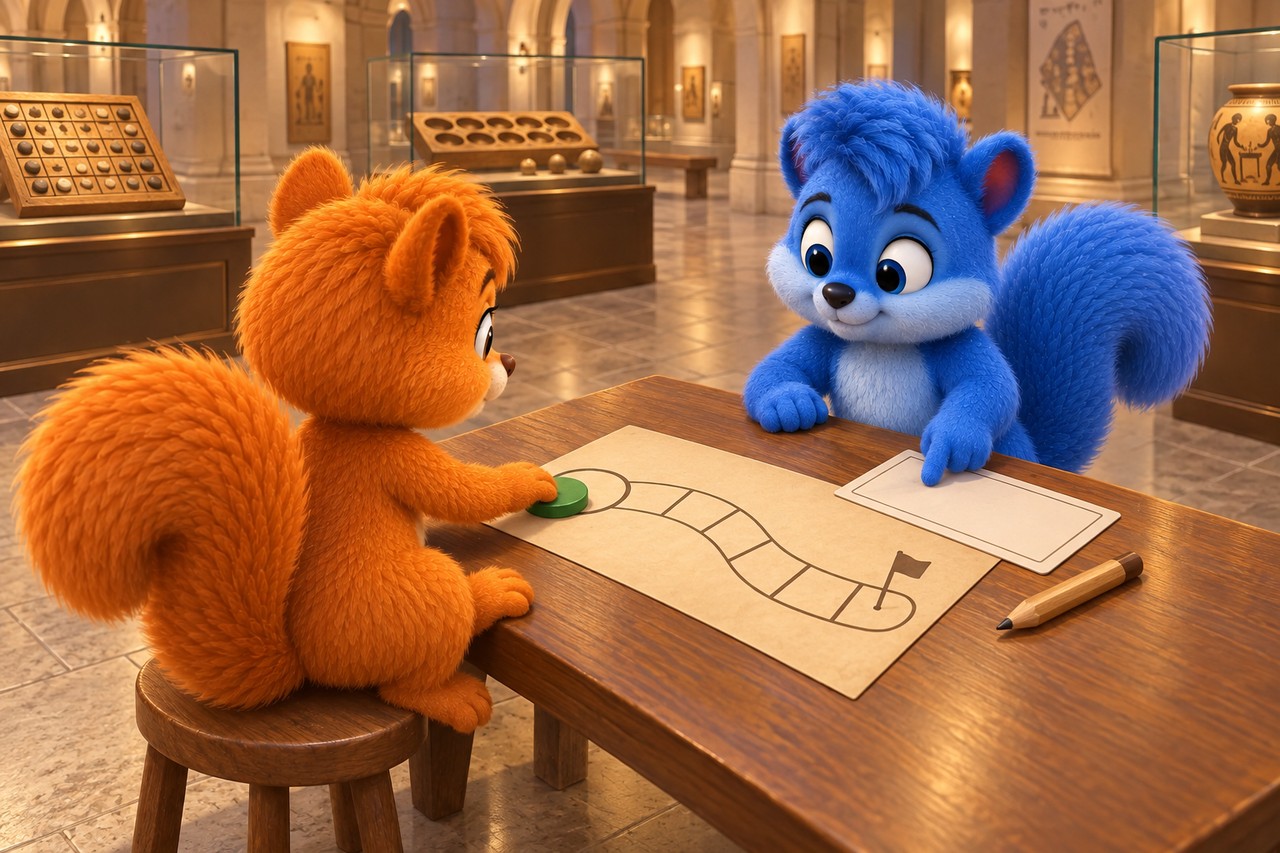
Flauschi and Puschel test an original paper board game at a museum station.

Designing board games: test the rules

An original game begins with an idea. A trial round shows whether everyone understands permitted actions and when the game ends.

Ages 6–10 · Discover together

Open learning page →
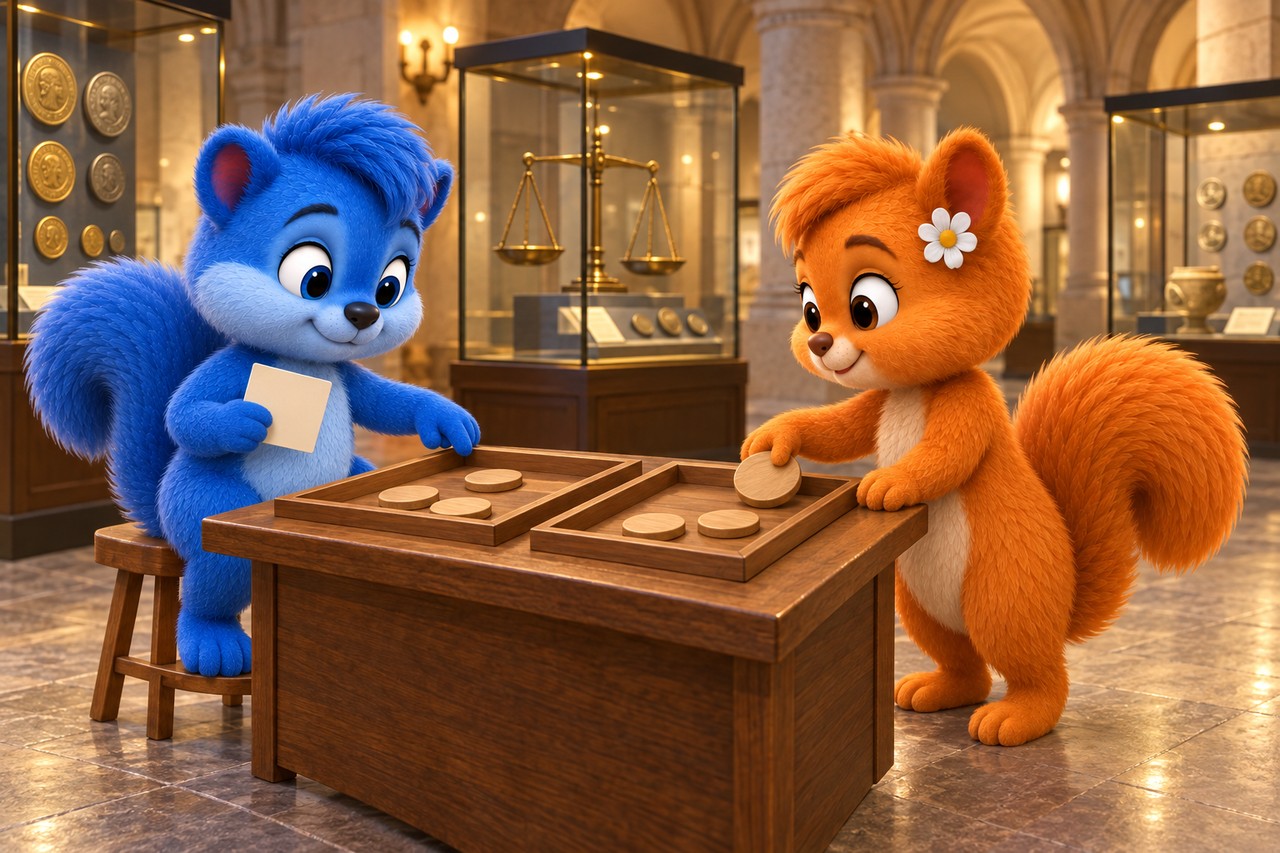
Puschel and Flauschi sort large practice counters at a money-museum station.

Pocket money: plan a limited amount

What is available? What do I want to spend or set aside? A simple plan makes these choices visible.

Ages 6–10 · Discover together

Open learning page →
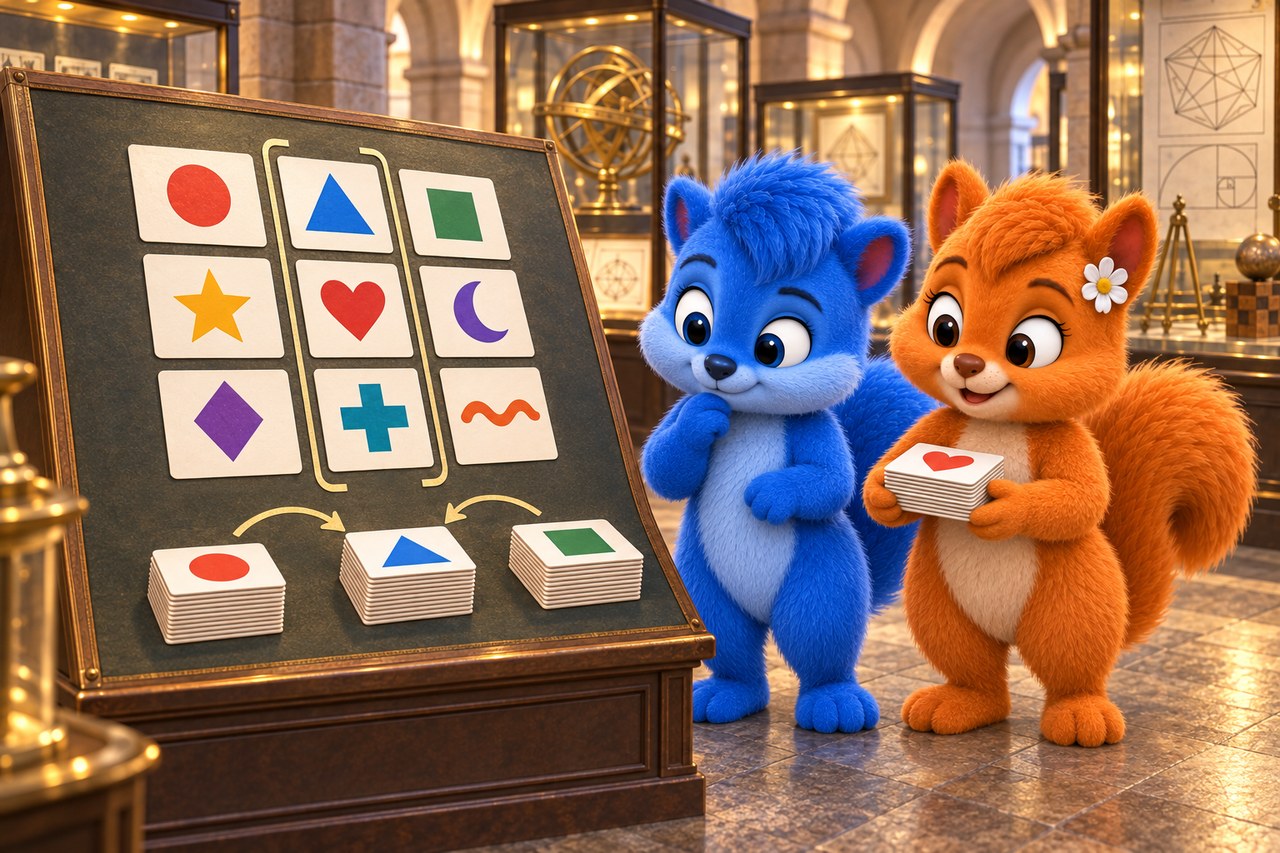
Puschel and Flauschi in the museum. Nine cards are dealt in columns and deliberately reordered as groups.

Card tricks: order behind the surprise

Find a remembered card without reading minds: our small sorting trick can be explained step by step.

Ages 6–10 · Discover together

Open learning page →