Body & Experiments

What happens inside the body, and what can clear models show? Explore connections with pictures, examples and safe observations.

What would you like to discover?

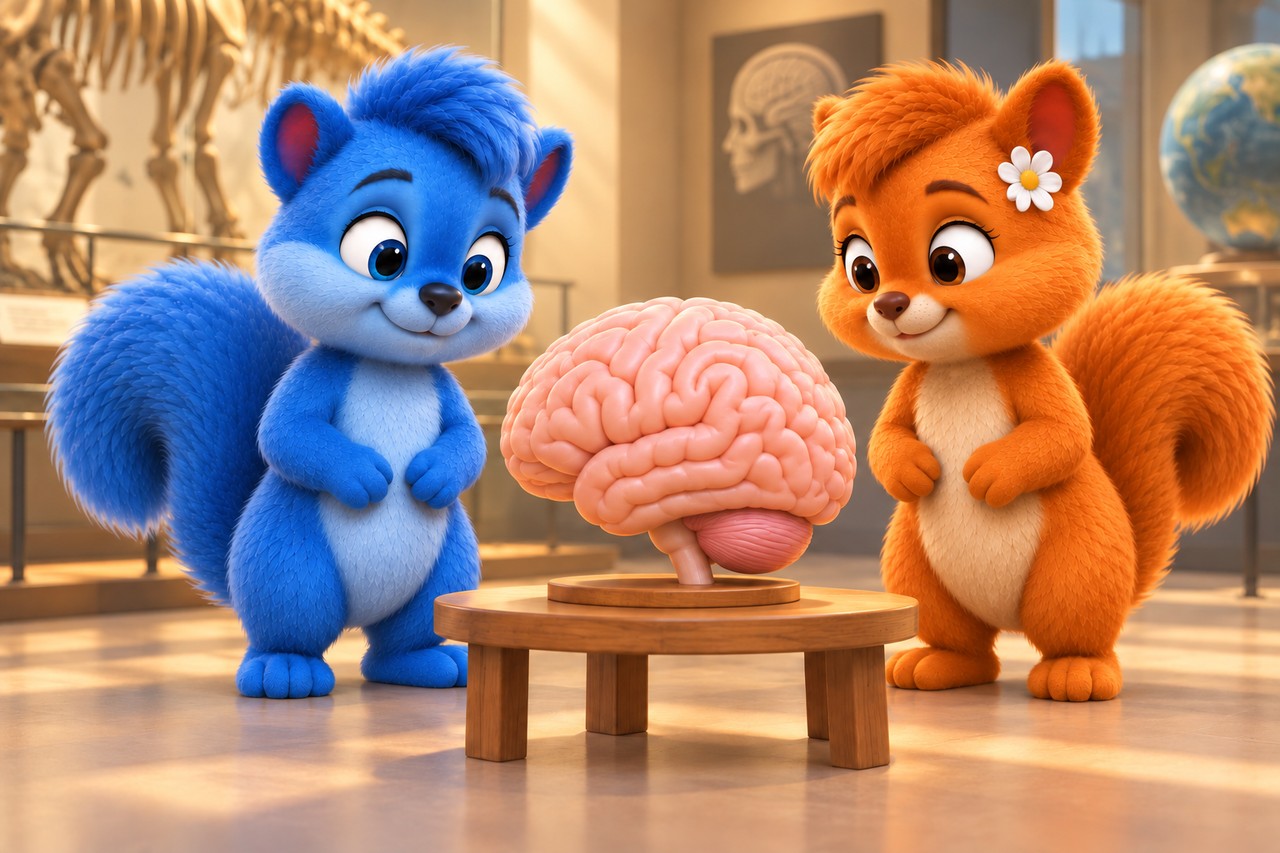
Two equal-sized adult Wusels examine a pink human brain teaching model on a low museum table.

How does your brain help you?

Recognizing a ball, planning a movement and learning something new involve many nerve cells working together.

Ages 6–10 · Discover together

Open learning page →
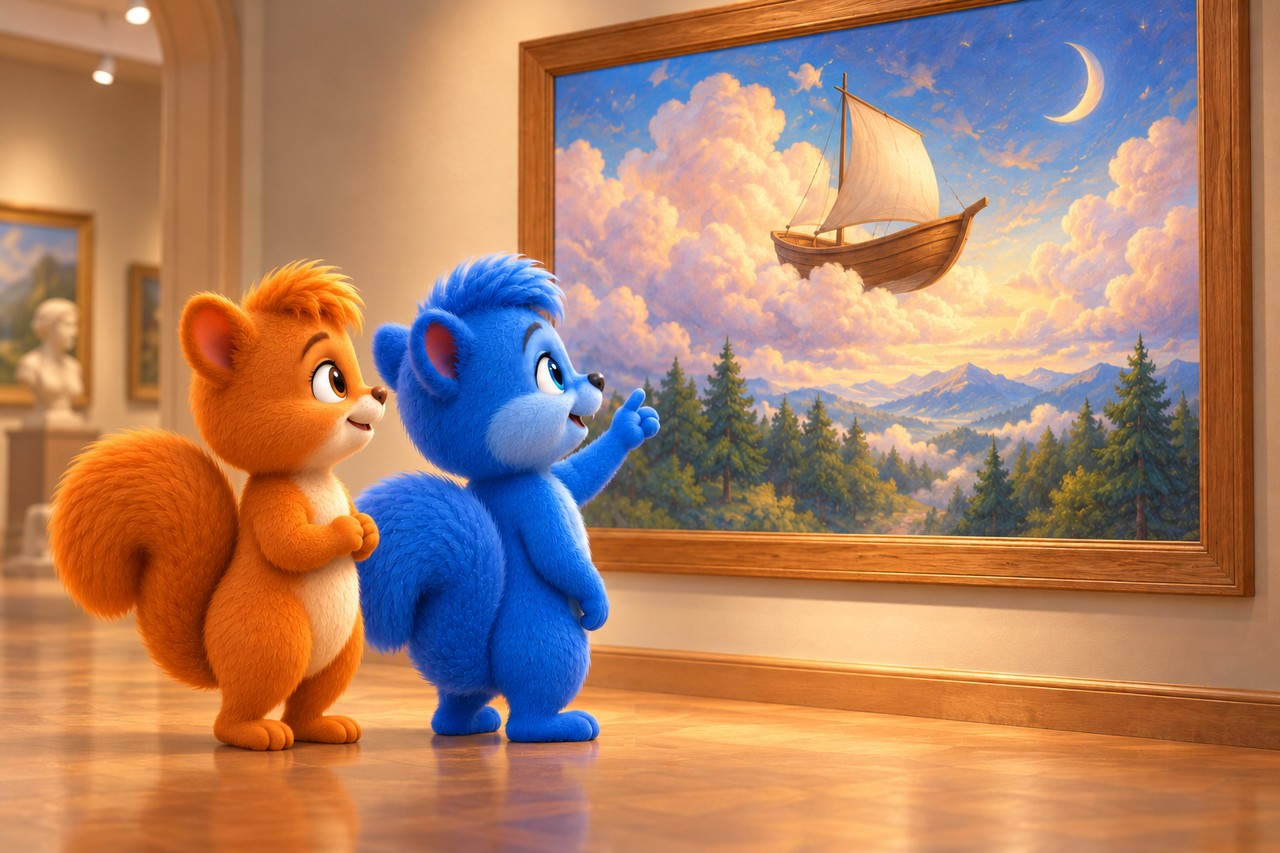
Equal-sized adult Wusels examine a framed fantasy painting of a boat above a forest and clouds in a museum.

What happens when we dream?

A story can arise during sleep and feel real. The brain remains active.

Ages 6–10 · Discover together

Open learning page →
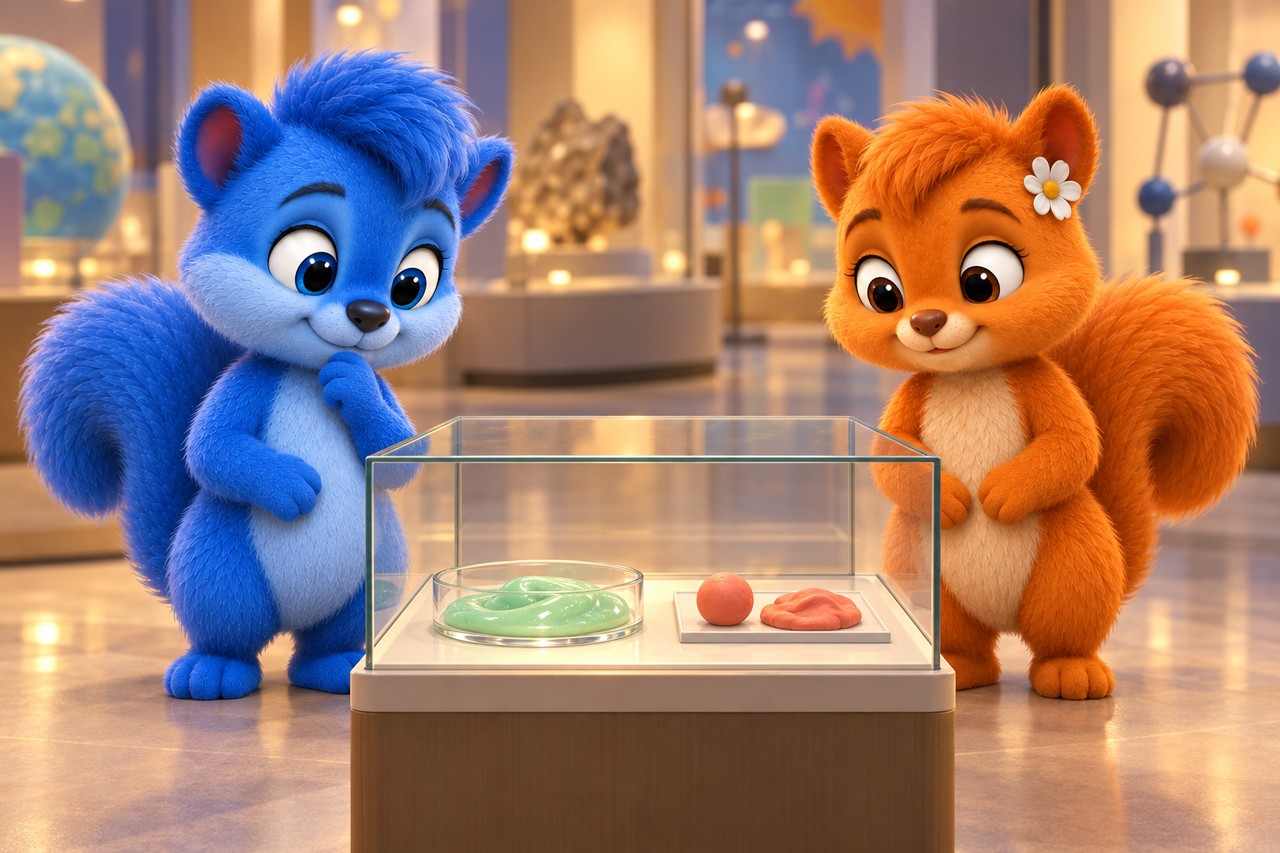
Equal-sized adult Wusels examine a green slime dish and coral modeling dough behind a closed glass display.

Why are slime and modeling dough different?

Stretching, flowing slowly or holding a shape: a material’s behavior depends on its structure.

Ages 6–10 · Discover together

Open learning page →
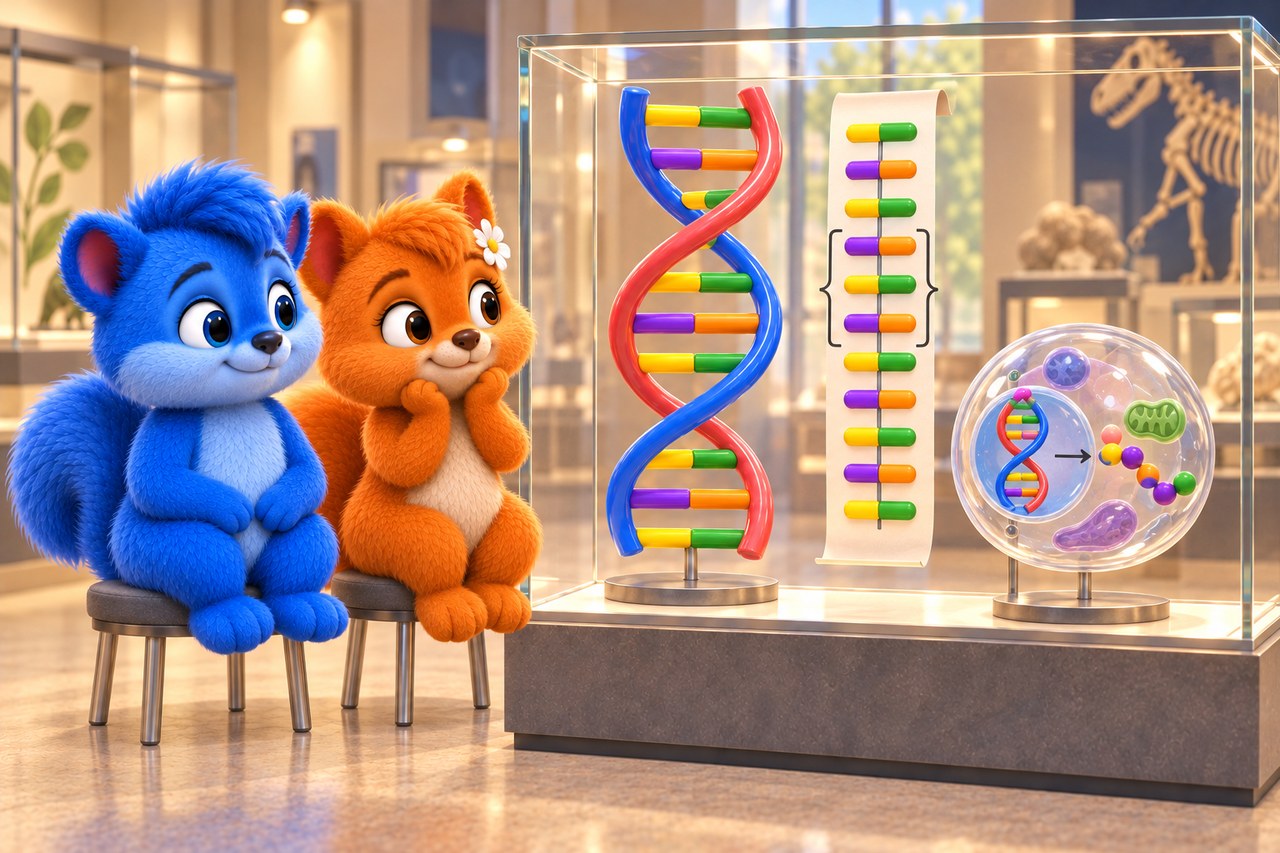
Puschel and Flauschi in the museum. DNA model with two building-block pairs, a sequence and a marked section.

What is DNA?

Tiny chemical building blocks store information living cells can use.

Ages 6–10 · Discover together

Open learning page →
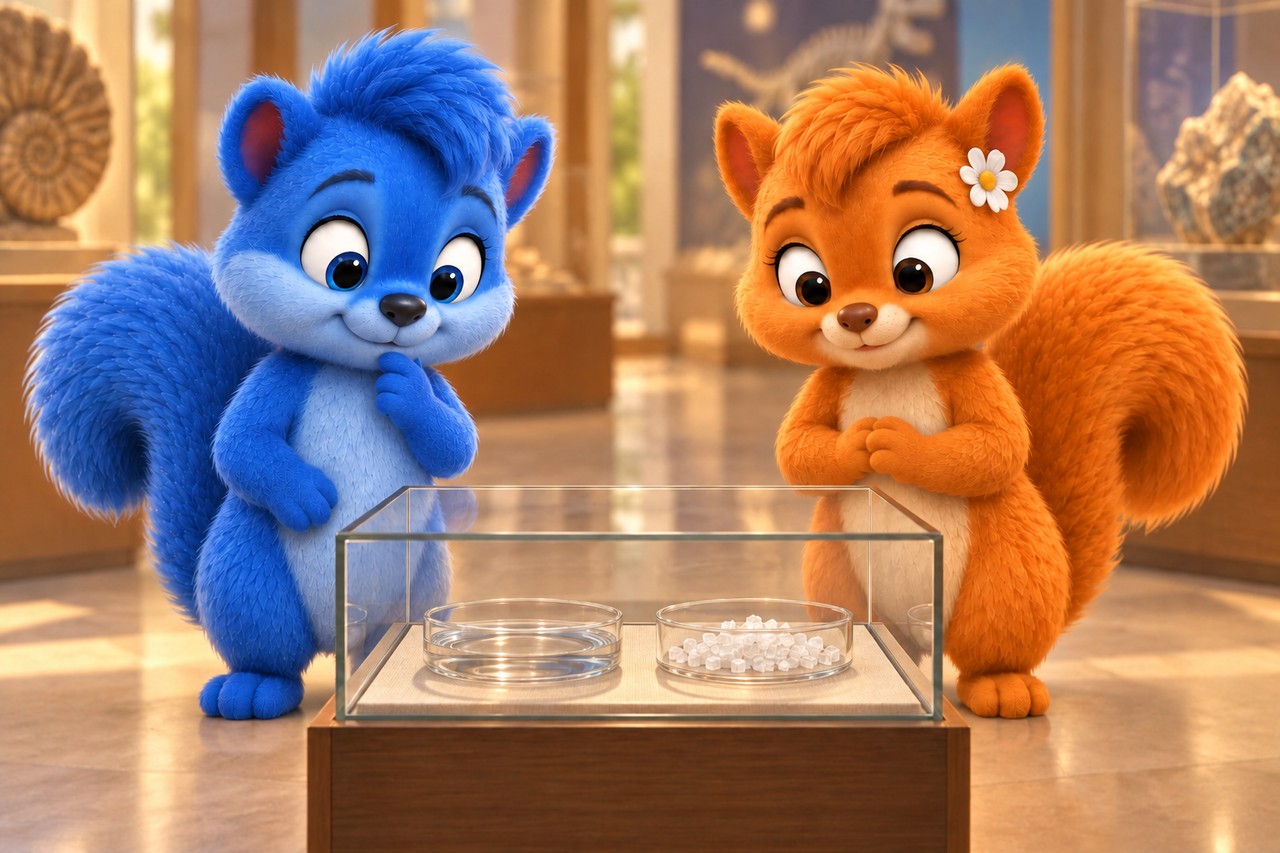
Equal-sized adult Wusels examine two shallow dishes behind glass: one with liquid and one with enlarged cube-like salt crystals.

How do small salt crystals grow?

Invisible dissolved salt can become visible grains again. Follow its journey step by step.

Ages 6–10 · Discover together

Open learning page →
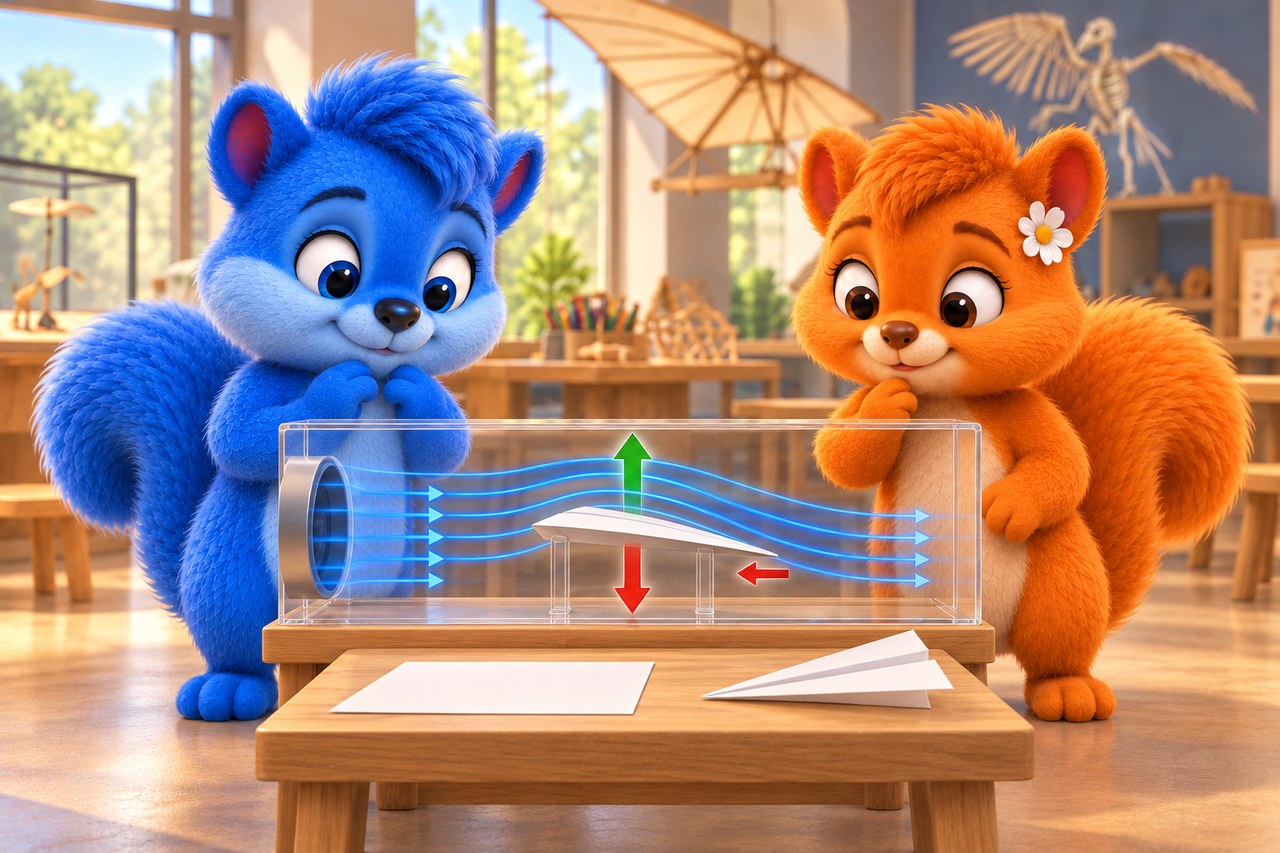
Puschel and Flauschi in the museum. Paper-plane model with airflow and arrows for lift, weight and drag.

Why does a paper airplane glide?

A folded sheet has no engine, yet it can travel through the air. How does its shape help?

Ages 6–10 · Discover together

Open learning page →
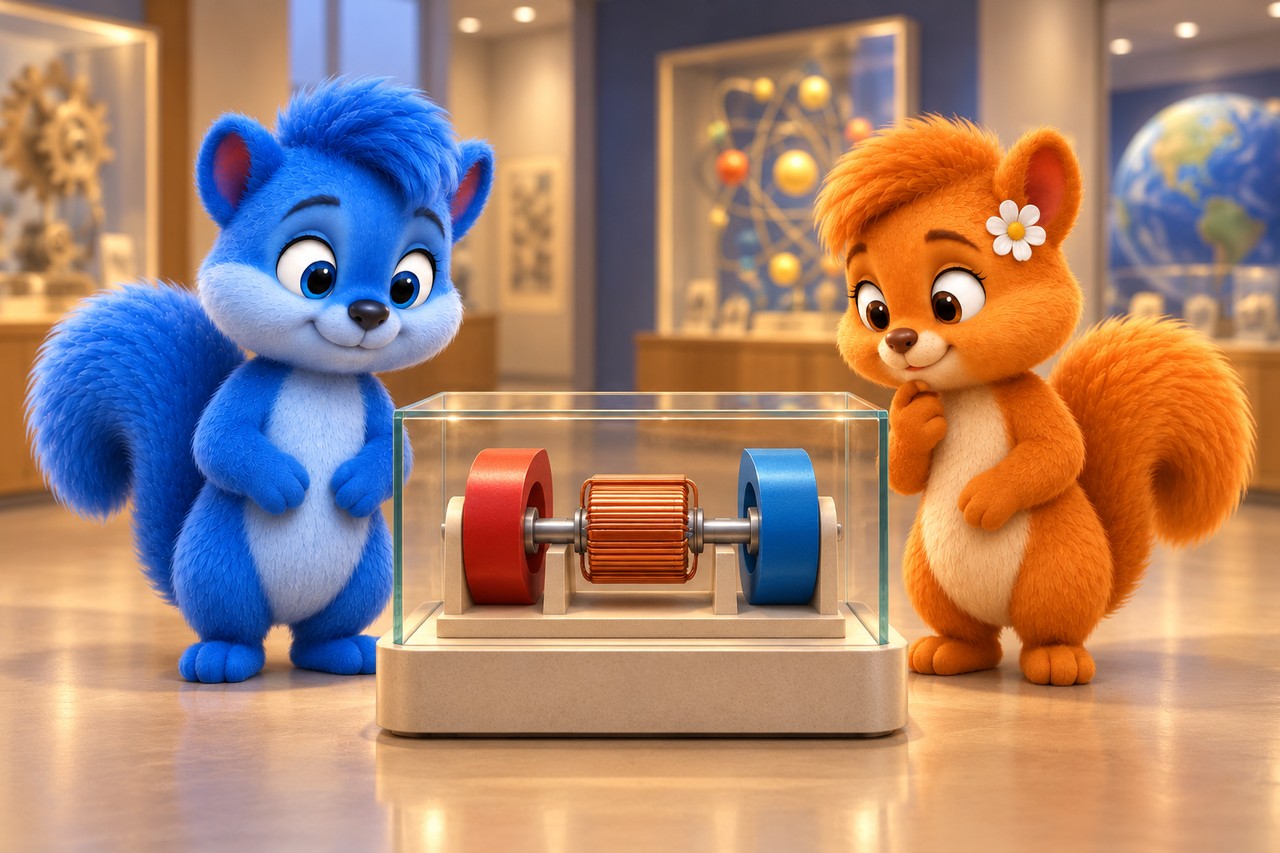
Equal-sized adult Wusels examine a stationary electric-motor model with a copper-colored coil and rotating axle behind glass.

How does an electric motor produce motion?

Electric current and magnetic forces can drive a rotating part. Discover why this takes more than two fixed magnets.

Ages 6–10 · Discover together

Open learning page →
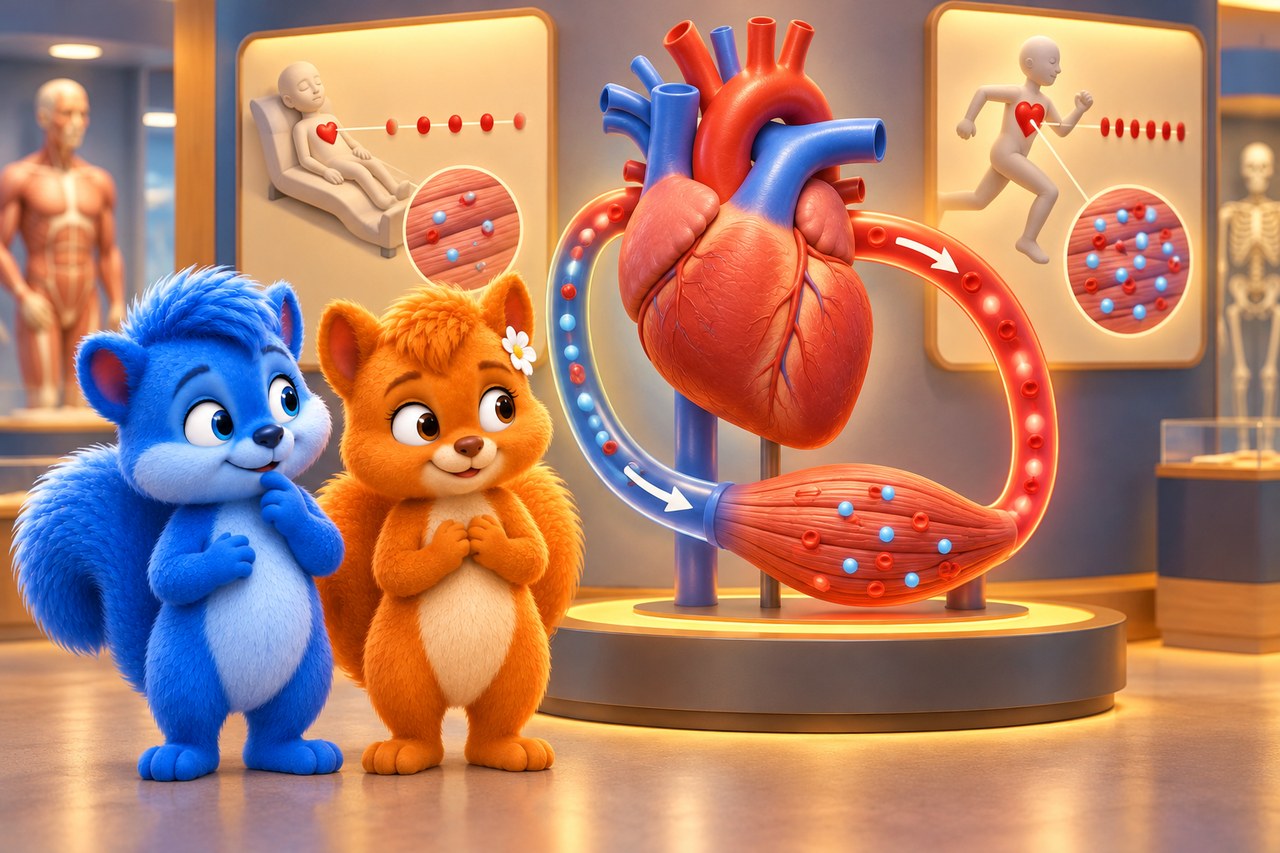
Puschel and Flauschi in the museum. Heart model with a closed blood circuit and a comparison of rest and running.

Why does my heart beat faster when I run?

Your heart pumps blood through two connected routes. Follow its journey to the lungs and body cells.

Ages 6–10 · Discover together

Open learning page →
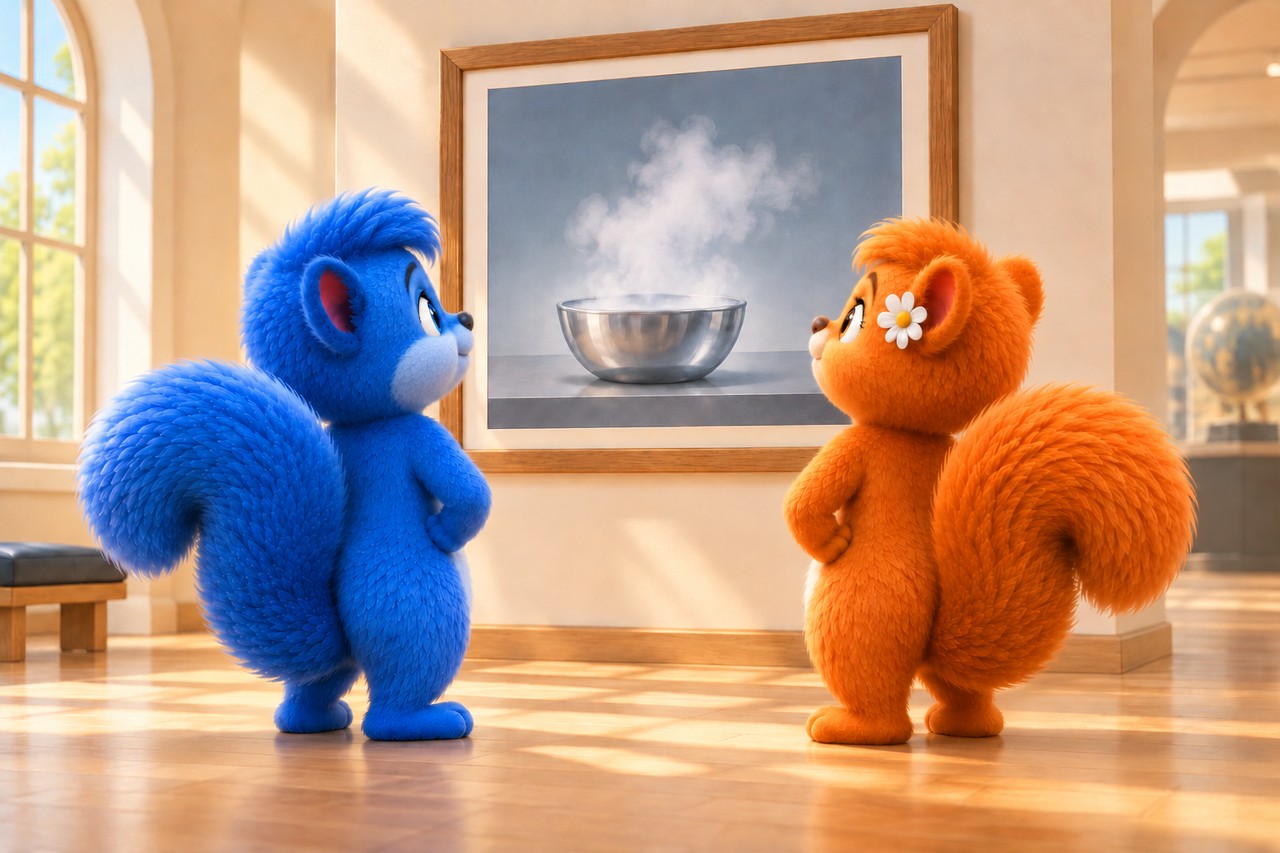
Equal-sized adult Puschel and Flauschi examine a framed museum picture of a demonstration vessel and white mist.

Why does liquid nitrogen make mist?

A substance in our air can become liquid through strong cooling. Explore pictures to discover why it still boils and where the white mist comes from.

Ages 6–10 · Discover together

Open learning page →