Machines & Vehicles

How do vehicles move, and how do machines help? Discover forces and parts through clear examples.

What would you like to discover?

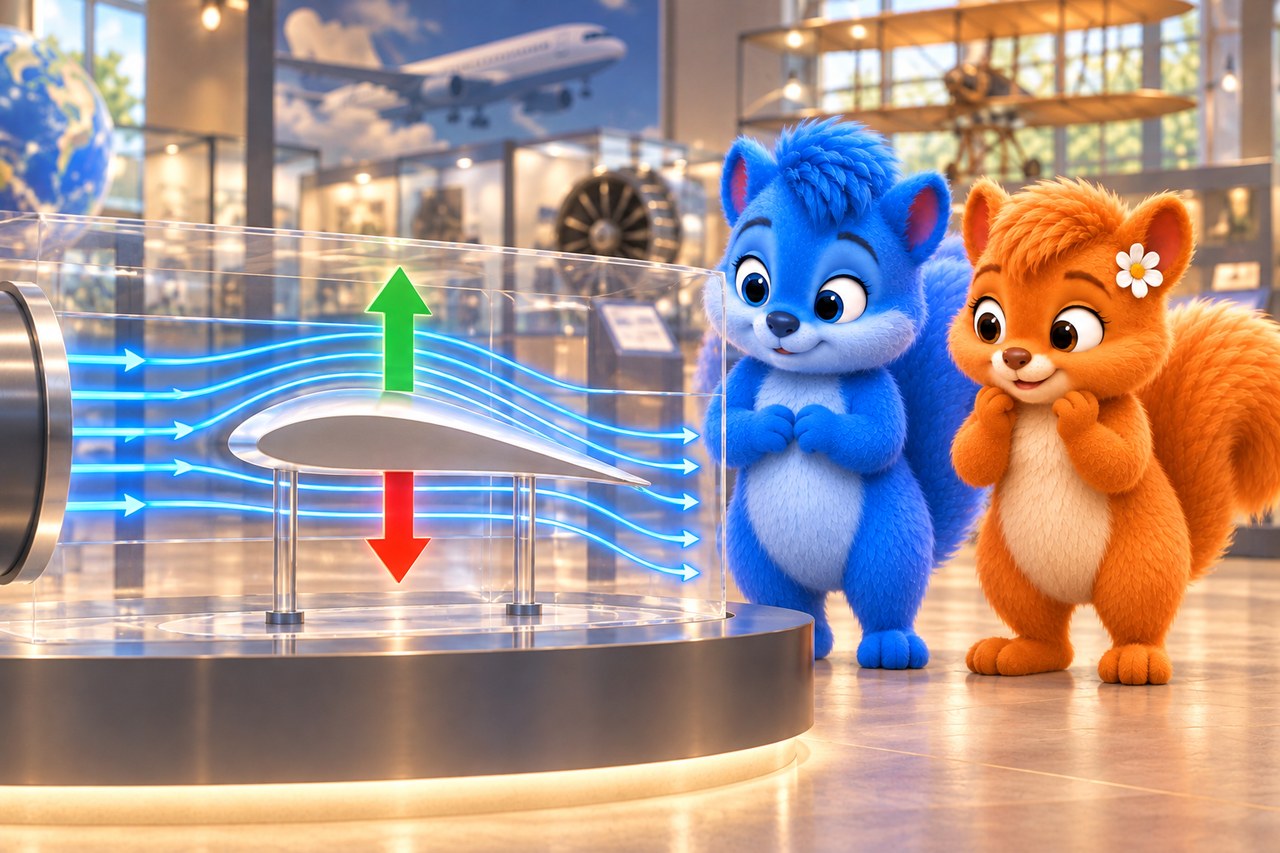
Puschel and Flauschi in the museum. Wing model: air is deflected down, lift acts up and weight acts down.

Why can an airplane fly?

Air is invisible, but it can exert forces. Wings and engines have different jobs in flight.

Ages 6–10 · Discover together

Open learning page →
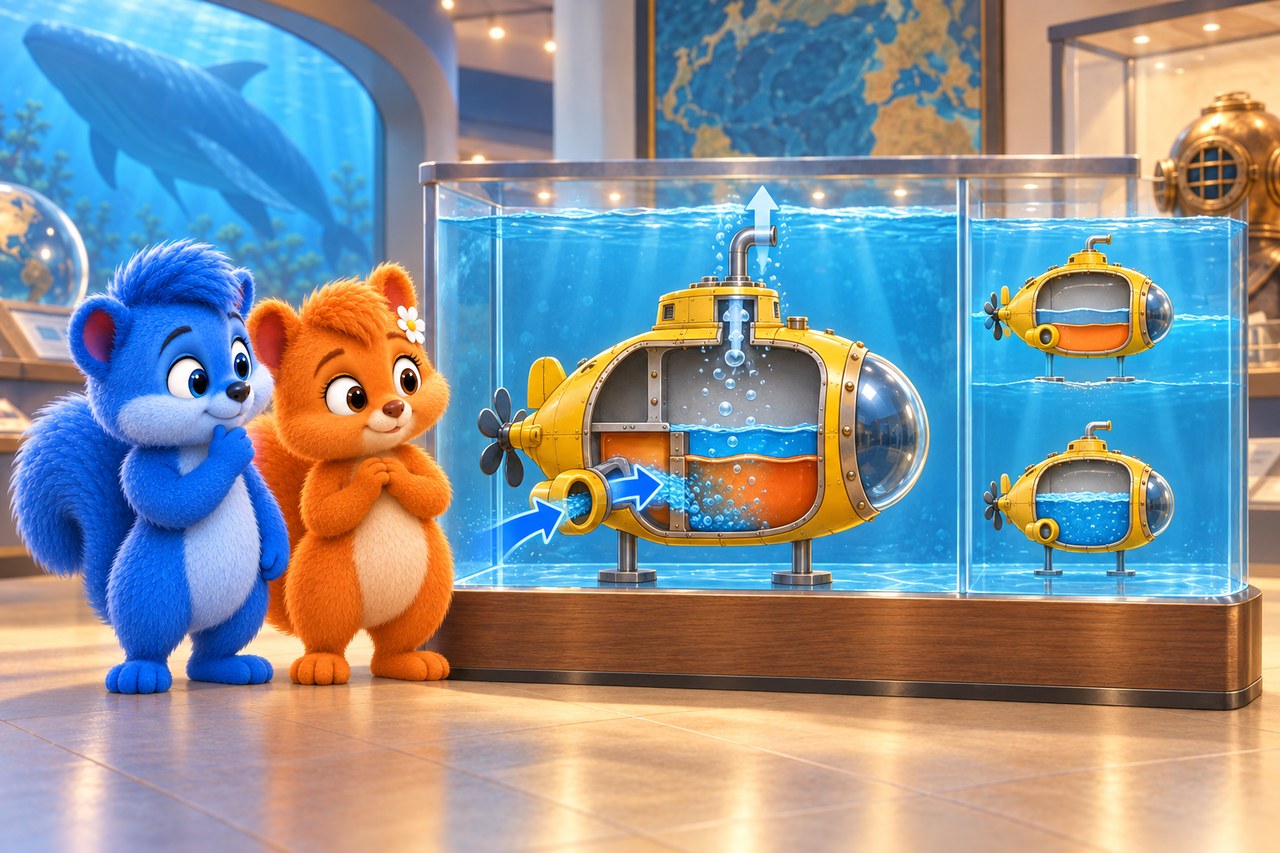
Puschel and Flauschi in the museum. Submarine cutaway with water in the ballast tank and escaping air.

How does a submarine dive and surface?

A submarine can stay underwater and return to the surface. Weight and buoyancy act together.

Ages 6–10 · Discover together

Open learning page →
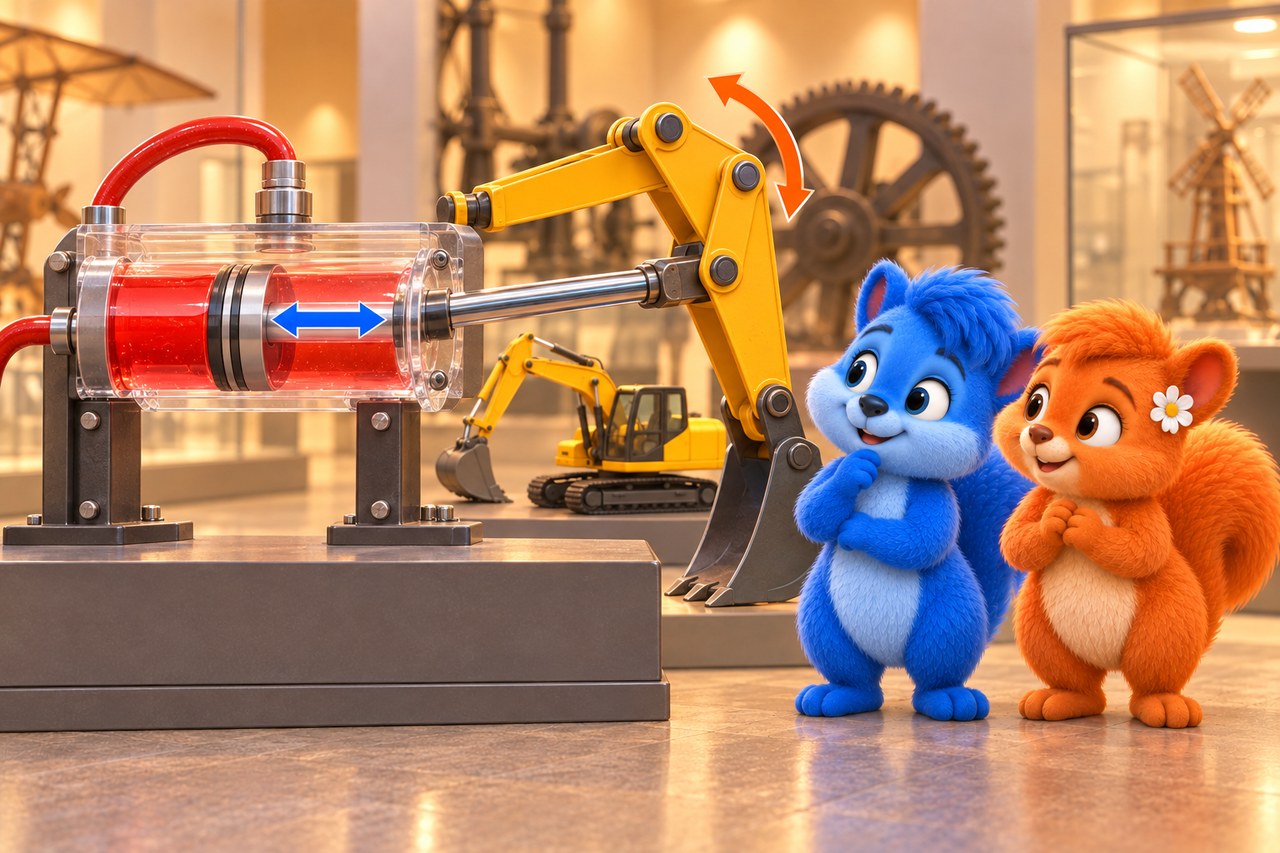
Puschel and Flauschi in the museum. Transparent hydraulic cylinder: piston and rod slide and move a joint.

What moves an excavator arm?

An excavator has no muscles. Pressurized oil helps move its heavy parts.

Ages 6–10 · Discover together

Open learning page →
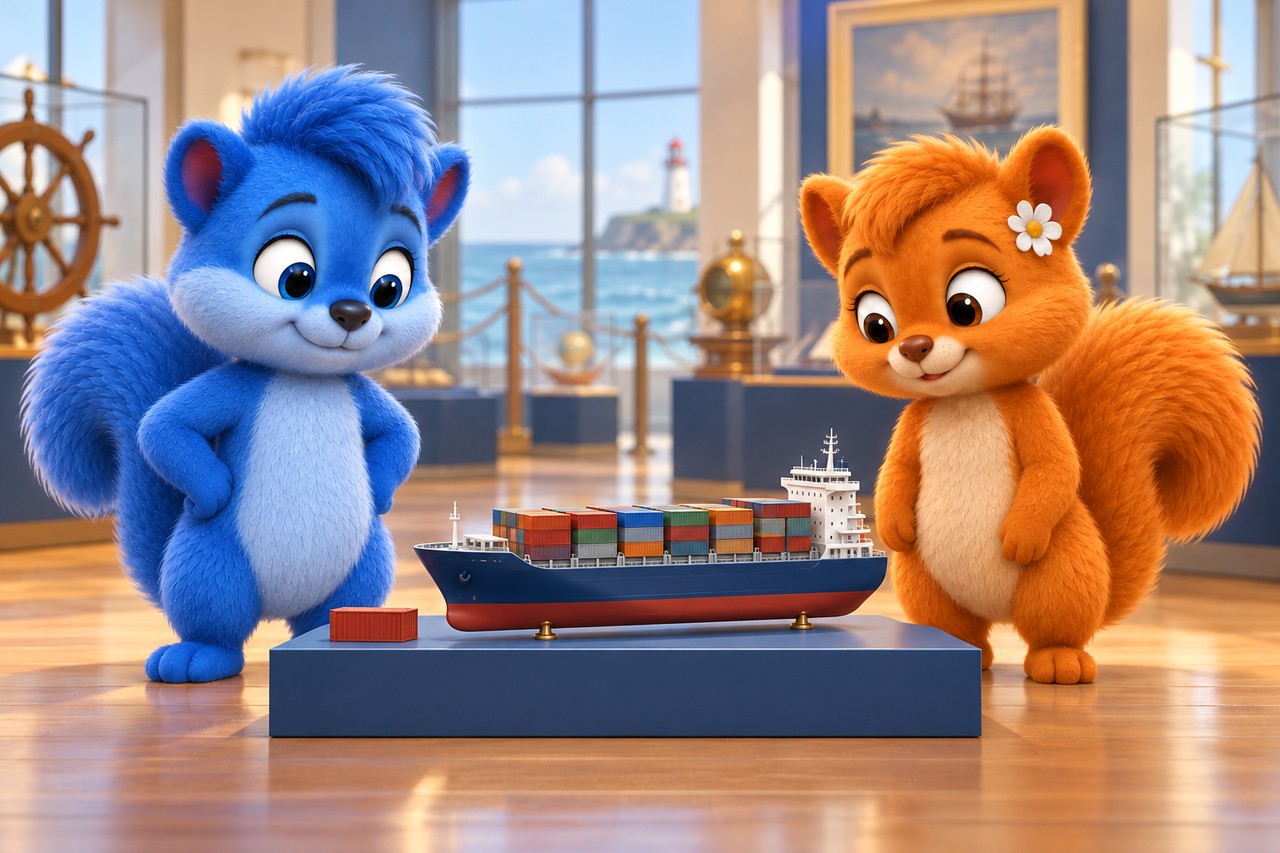
Equal-sized adult Wusels examine a container-ship model and a separate transport box in a museum.

How do goods travel on giant ships?

Container ships carry many large transport boxes. Their journey often continues by train or truck after the port.

Ages 6–10 · Discover together

Open learning page →
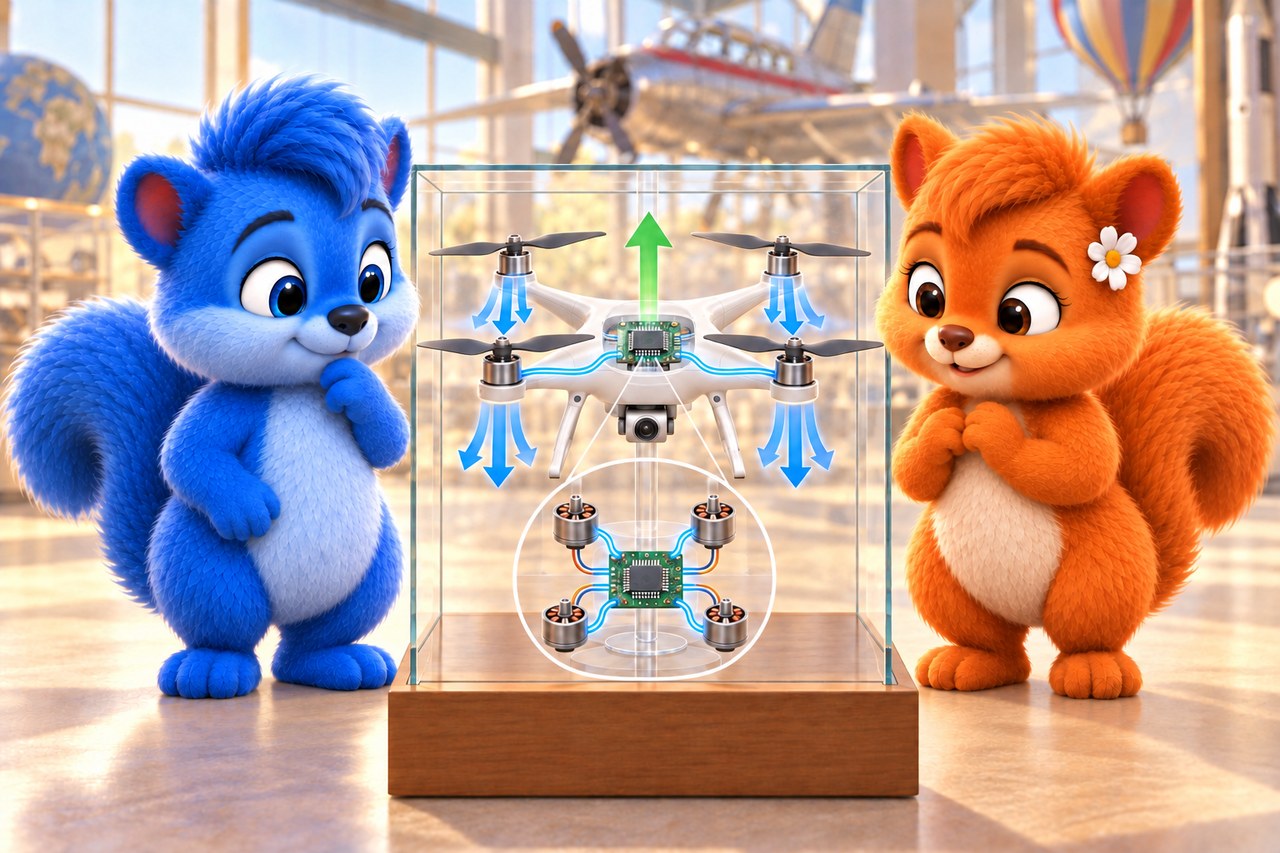
Puschel and Flauschi in the museum. Drone model with downward airflow and connections between control and motors.

How does a drone fly without a person aboard?

A drone’s pilot is not inside the aircraft. Motors, sensors and a computer work together.

Ages 6–10 · Discover together

Open learning page →
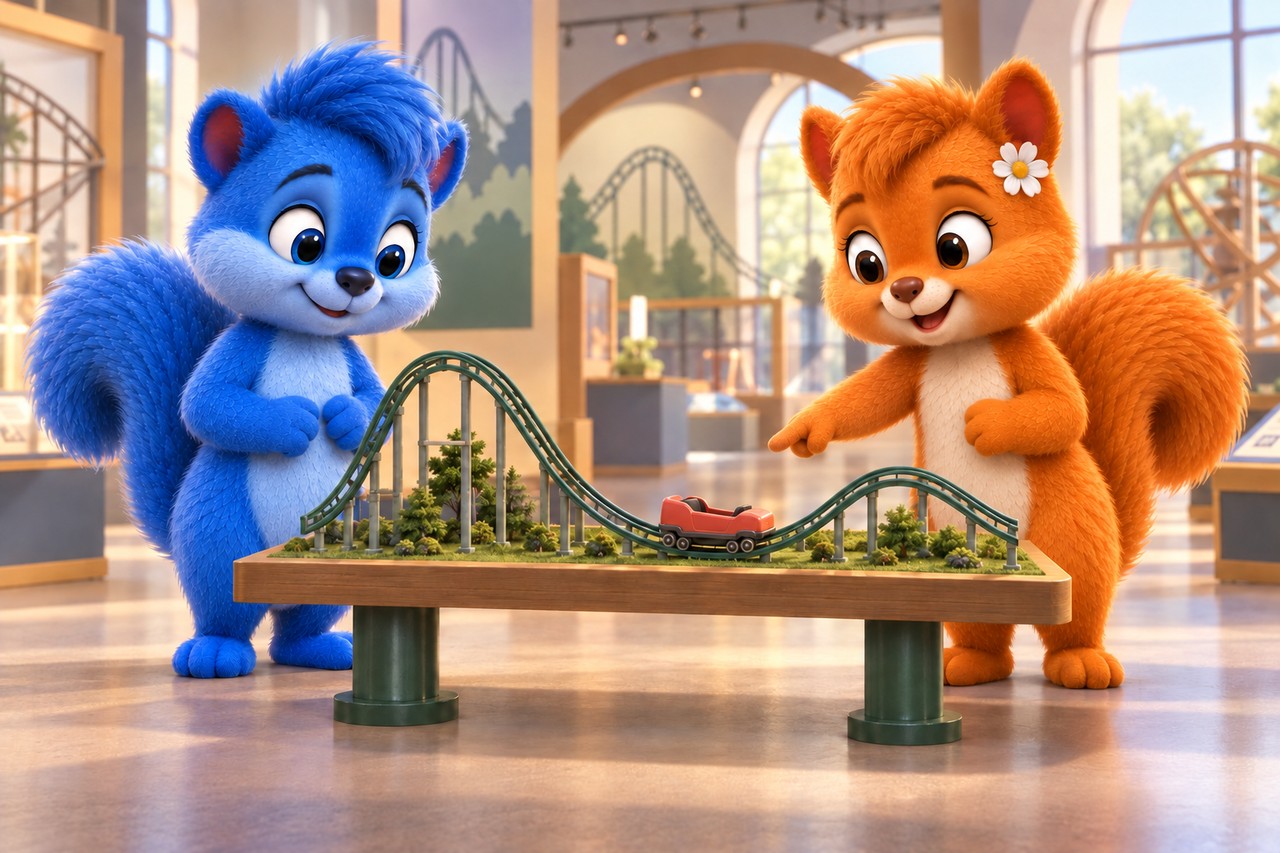
Equal-sized adult Wusels examine an invented museum coaster model; Flauschi points toward the empty car in its valley.

Why does a roller coaster speed up downhill?

Lift, roll down and climb again: follow the link between height and speed.

Ages 6–10 · Discover together

Open learning page →
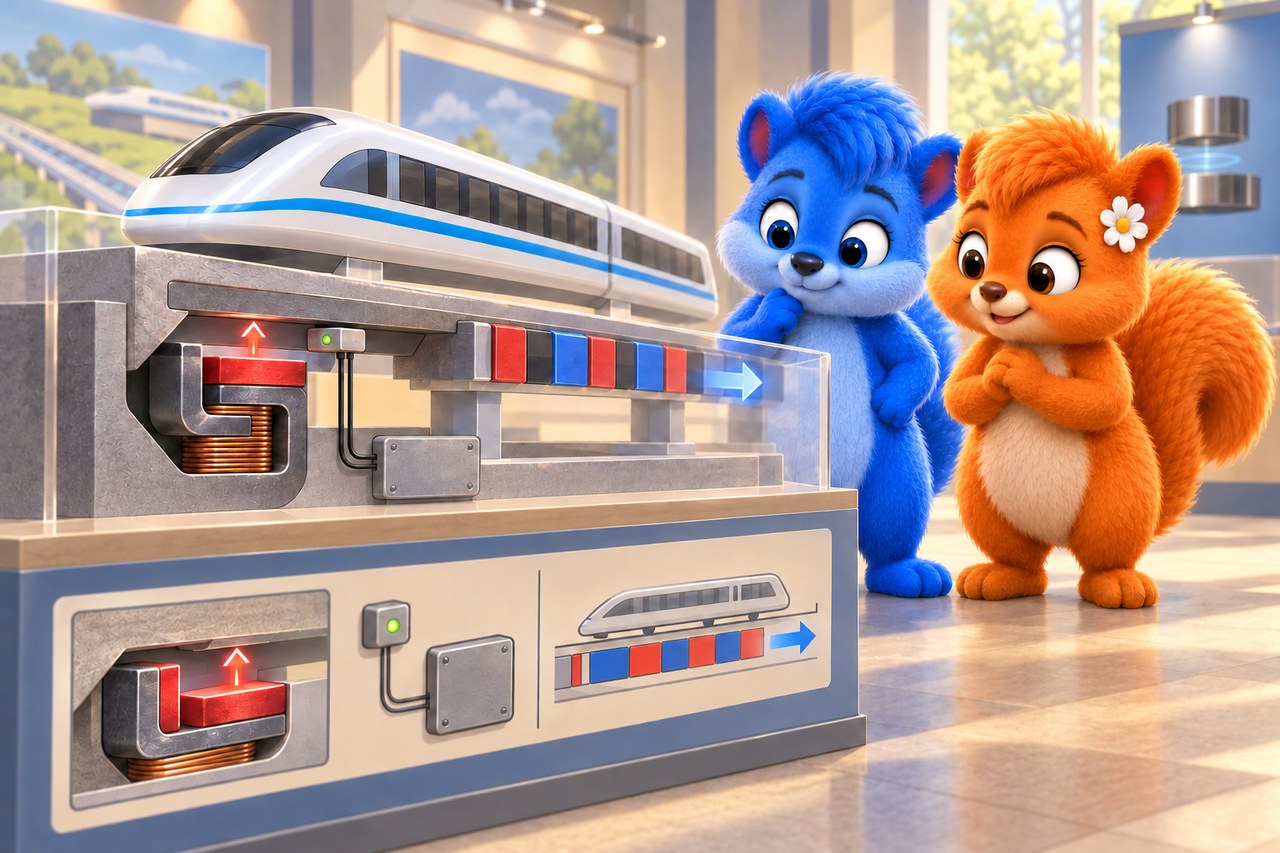
Puschel and Flauschi in the museum. Cutaway with an attracting magnet, a small air gap and separate forward propulsion.

How can magnets make a train hover?

Magnetic forces can support a train. Speeding up forward needs a different force.

Ages 6–10 · Discover together

Open learning page →
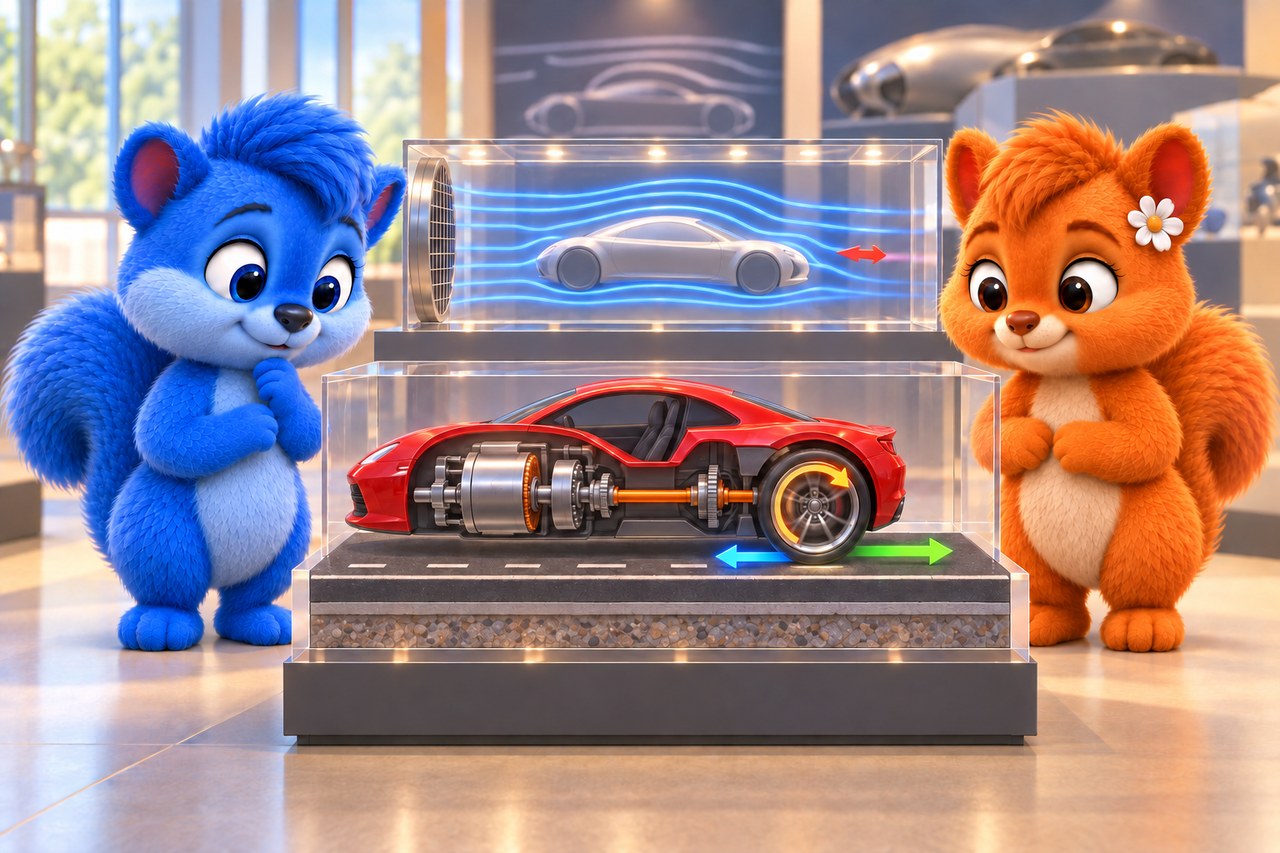
Puschel and Flauschi in the museum. Car model with drive to a wheel, ground contact and airflow around its body.

What does a car need to go fast?

A powerful motor alone is not enough: tires, airflow and brakes matter too.

Ages 6–10 · Discover together

Open learning page →
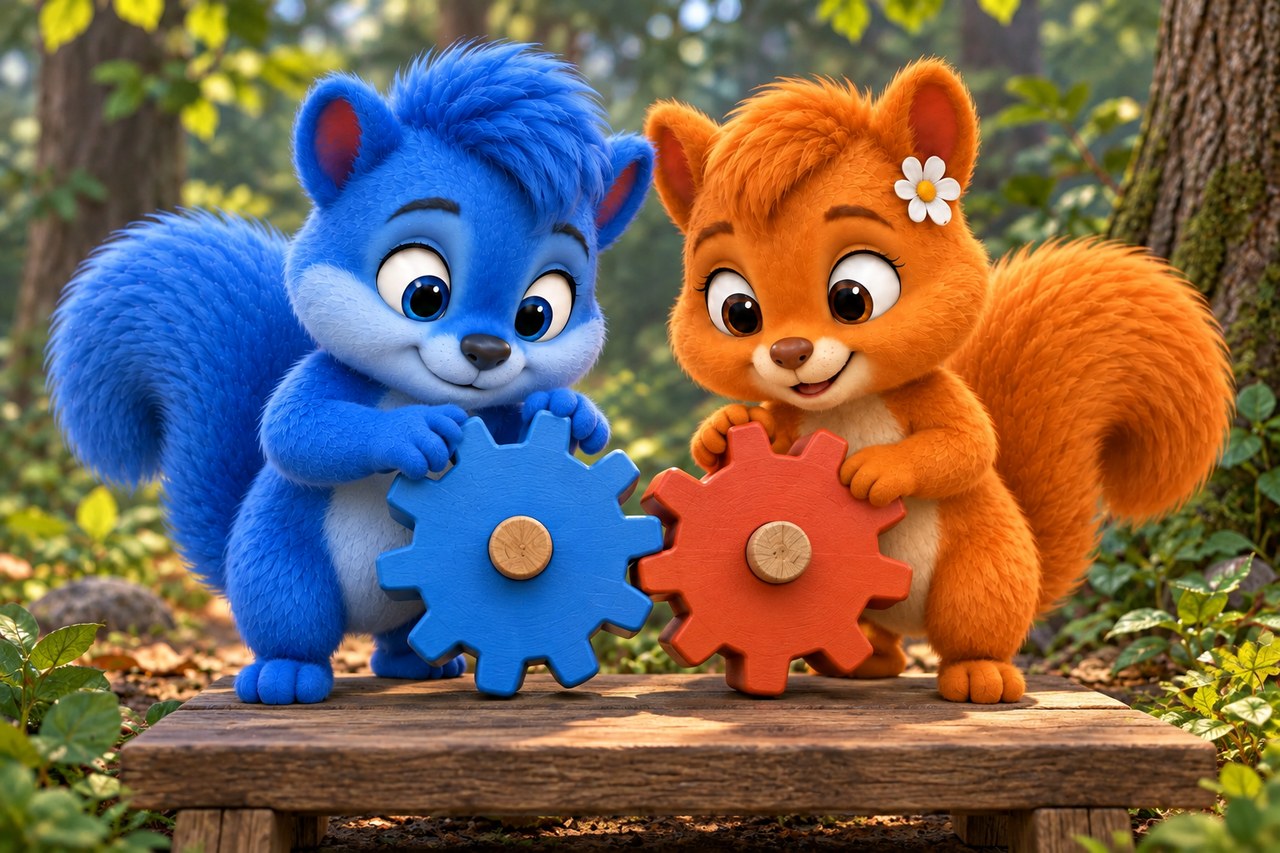
Equal-sized adult Wusels stand on a display table behind two large colorful gears in a stationary model.

How do gears work together?

Teeth pass a turn onward. Wheels of different sizes can change the motion.

Ages 6–10 · Discover together

Open learning page →