Insect
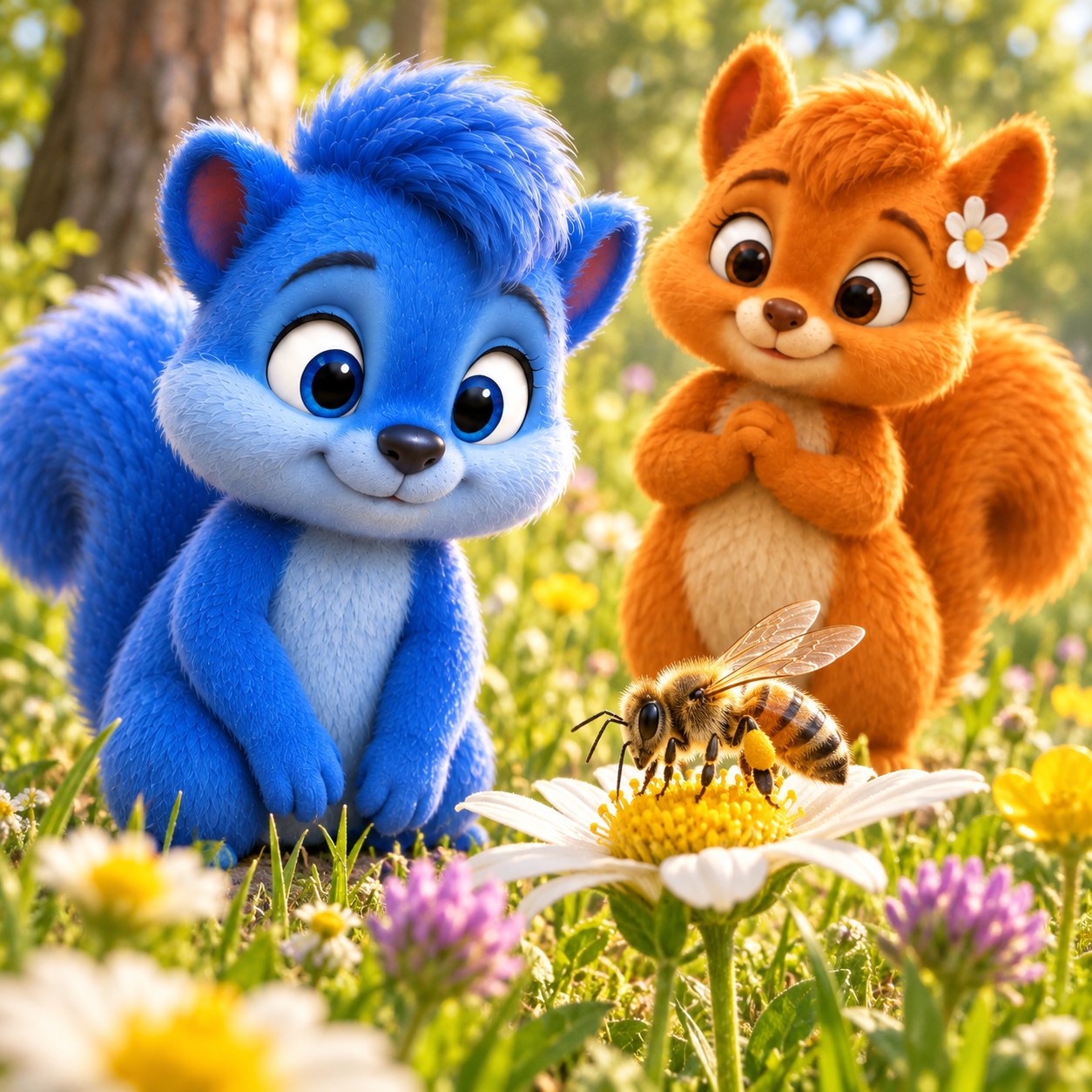
Discover the honeybee
An adult honeybee has six legs and two antennae. Workers collect nectar, a sweet flower liquid, and pollen.
Open learning page →Your choices apply to all pages in this browser.
13 discoveries with Puschel and Flauschi.
Twelve encounters with eight insects and four other small animals. All are animals, but not all are insects. Watch calmly and leave their homes intact.
Insect
An adult honeybee has six legs and two antennae. Workers collect nectar, a sweet flower liquid, and pollen.
Open learning page →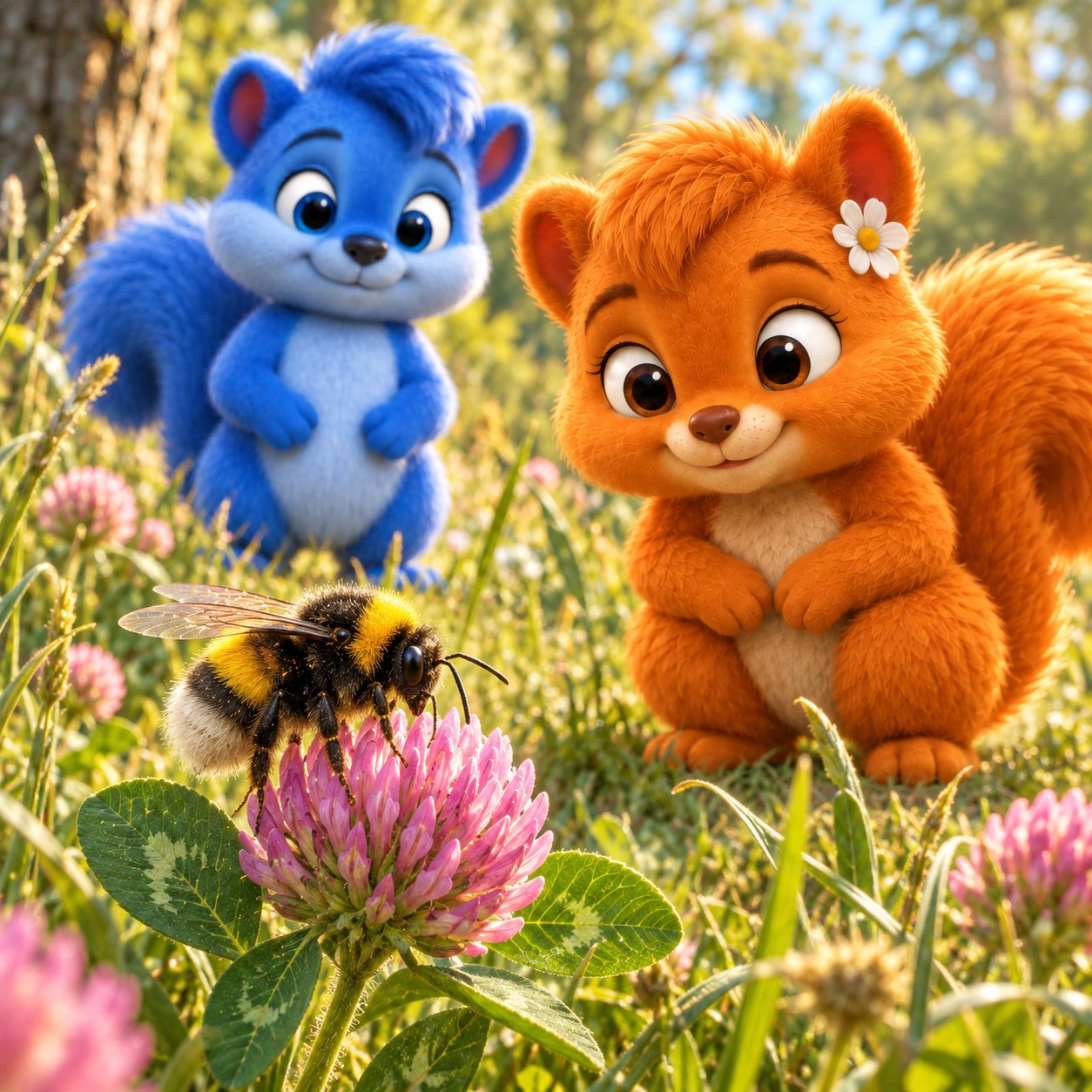
Insect
Bumblebees of the buff-tailed group look rounded and hairy, often with yellow bands and a pale tail. They are bees with six legs.
Open learning page →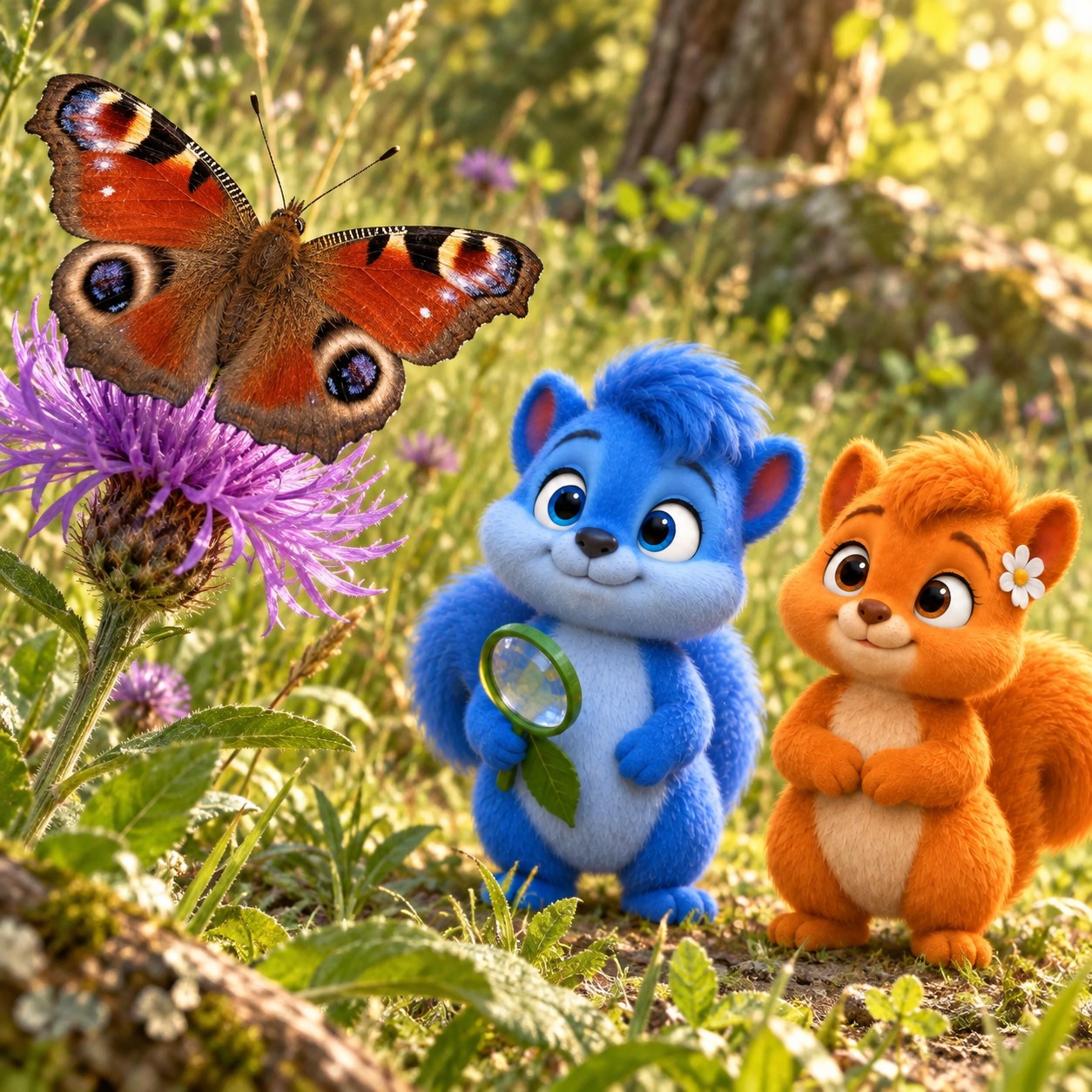
Insect
A peacock butterfly has large eye-like spots on its upper wings that can startle predators. Adults drink nectar; caterpillars eat nettle leaves.
Open learning page →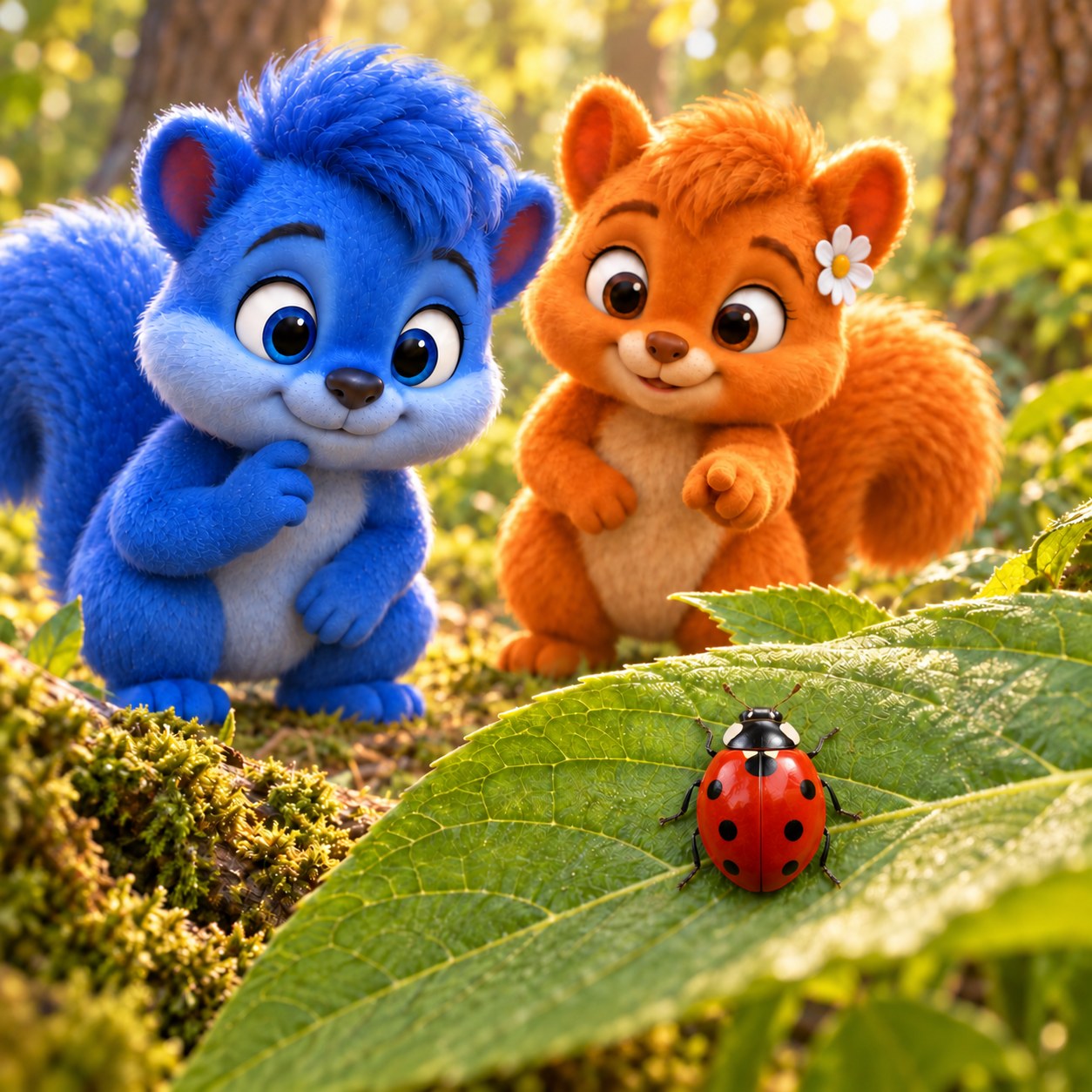
Insect
Seven black spots on red wing cases help identify this ladybird. The hard cases protect thin flight wings beneath.
Open learning page →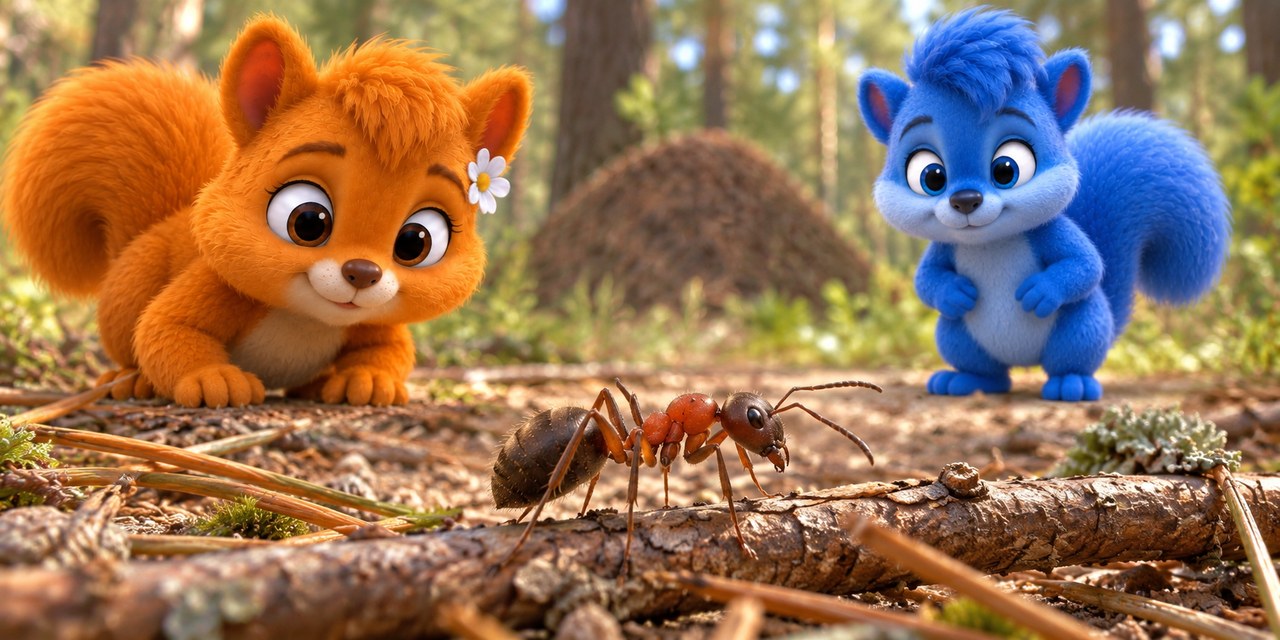
Insect
Wood ants have six legs and bent antennae. Their large nest mounds contain many small plant pieces.
Open learning page →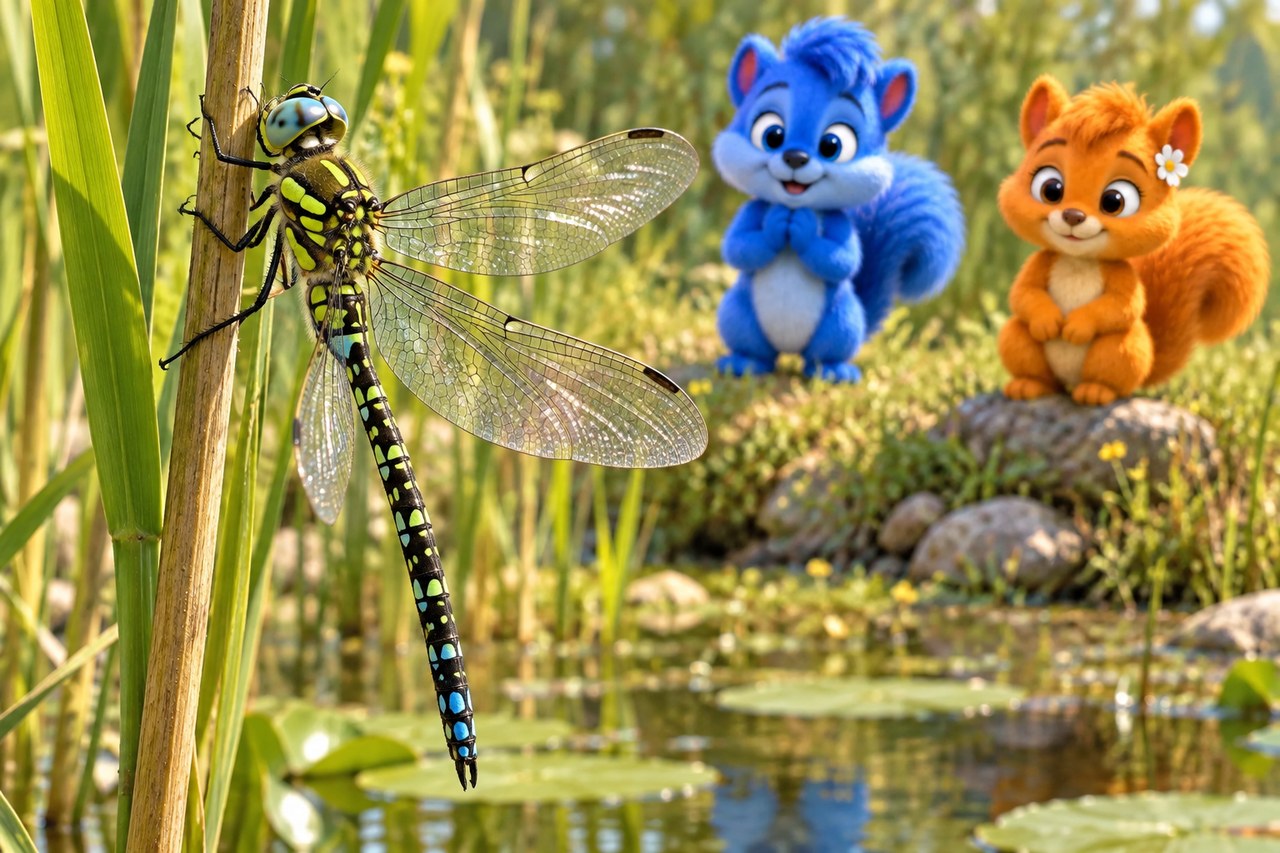
Insect
The southern hawker is a dragonfly. Its larvae live in water.
Open learning page →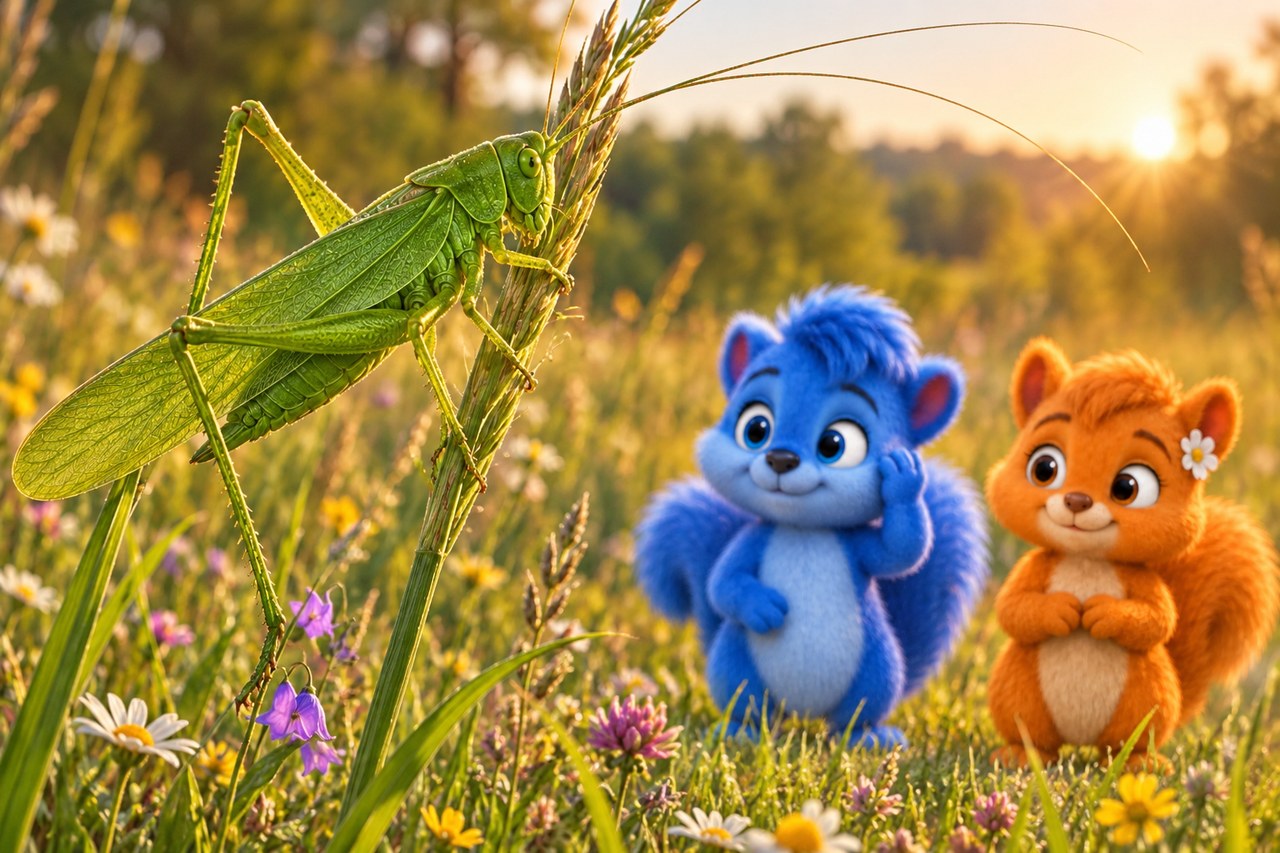
Insect
The great green bush-cricket has six legs and very long antennae. Strong hind legs help it jump.
Open learning page →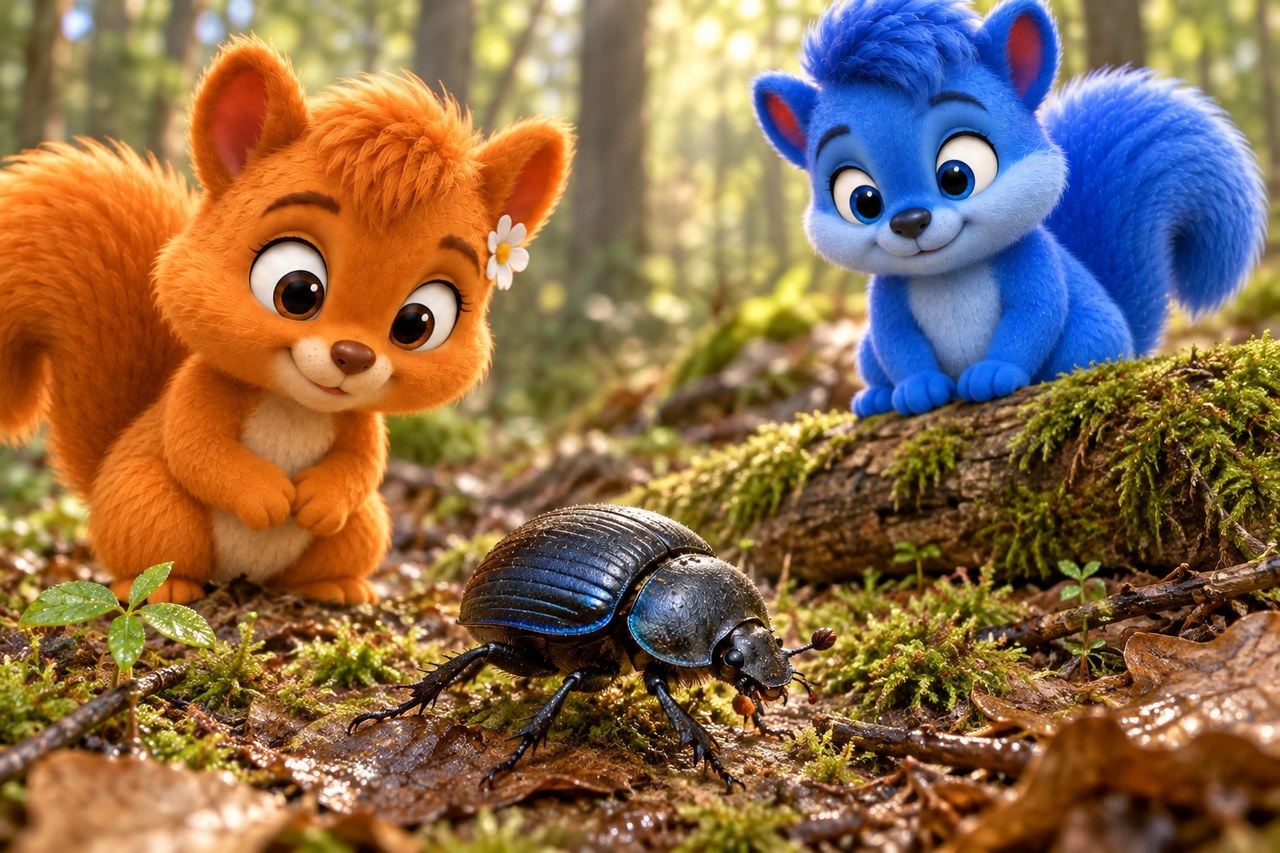
Insect
The dor beetle is a rounded dark beetle that may shine blue or violet. Its wing cases have lengthwise grooves.
Open learning page →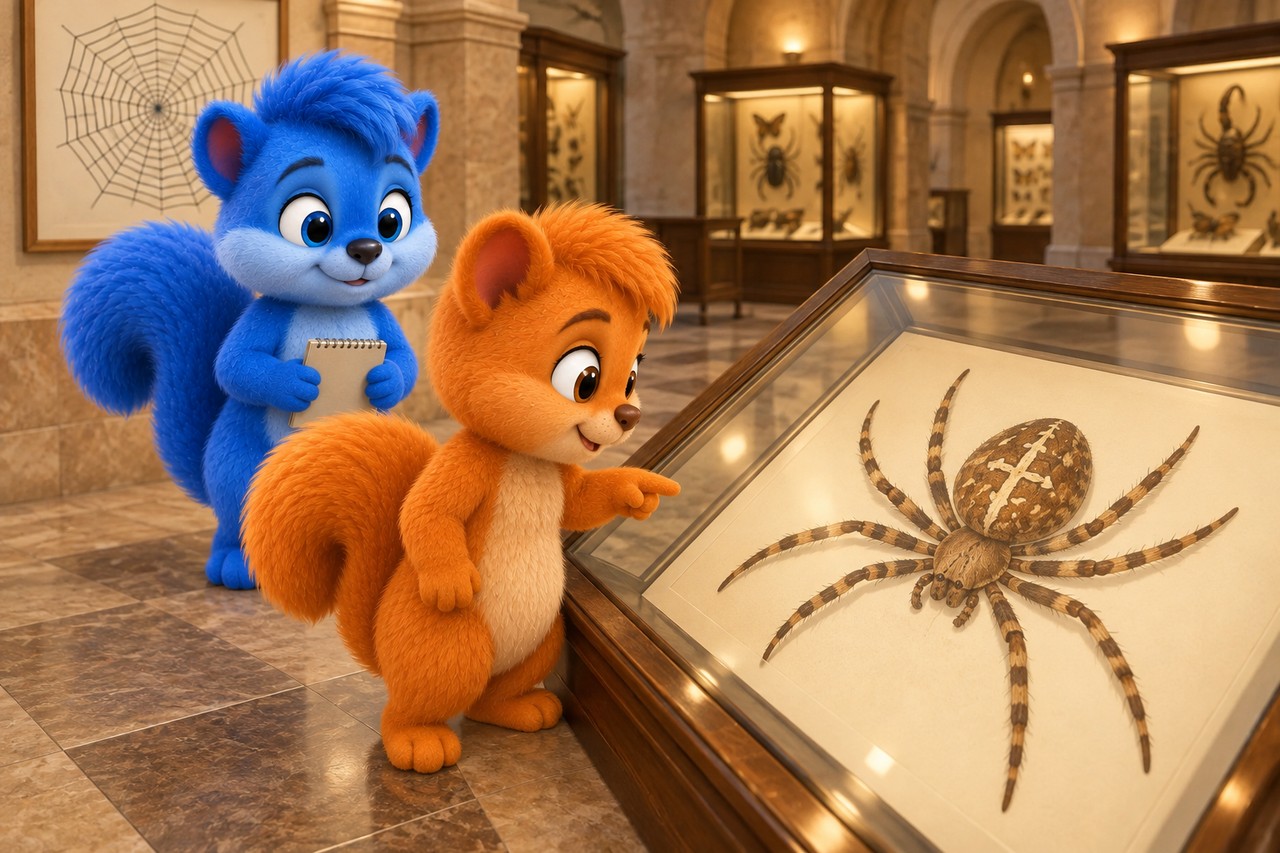
Arachnid · not an insect
A garden cross spider has eight legs and builds a catching web. A cross-shaped pattern on the abdomen can be a clue, but varies.
Open learning page →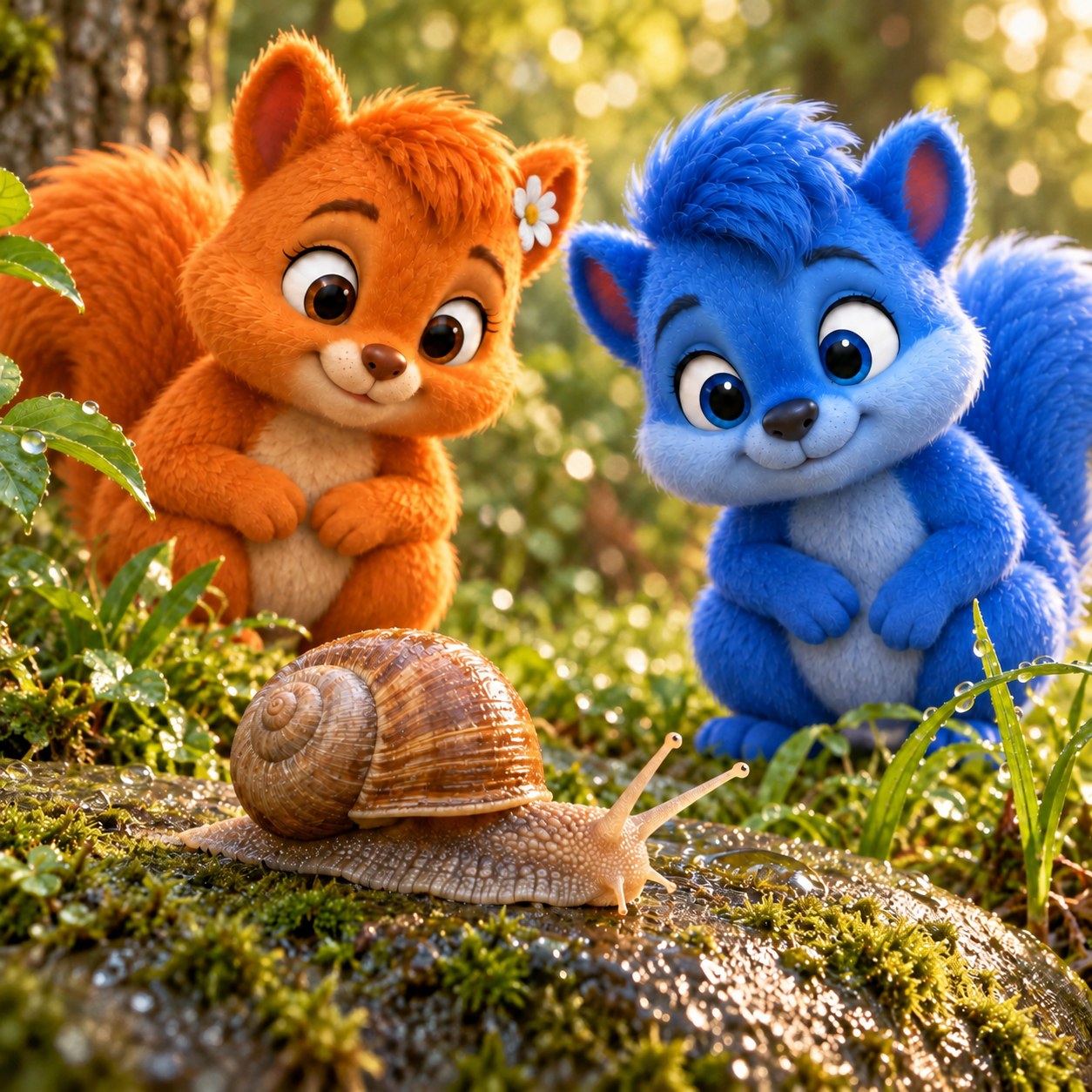
Mollusc · not an insect
A Roman snail carries a coiled shell and glides on a broad muscle called its foot. A mucus trail helps.
Open learning page →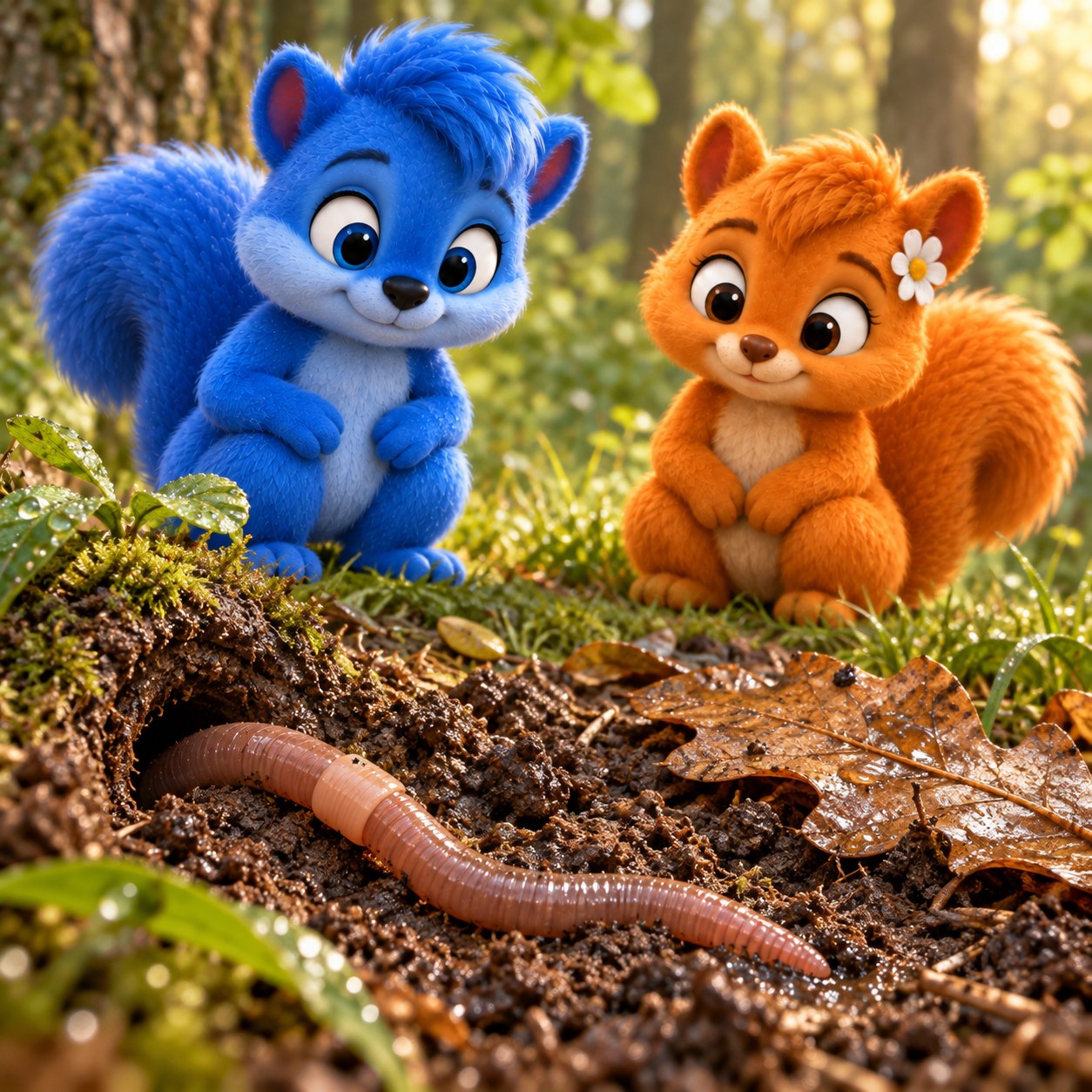
Annelid · not an insect
An earthworm has many ring-like body sections and no legs. Oxygen enters its body through moist skin.
Open learning page →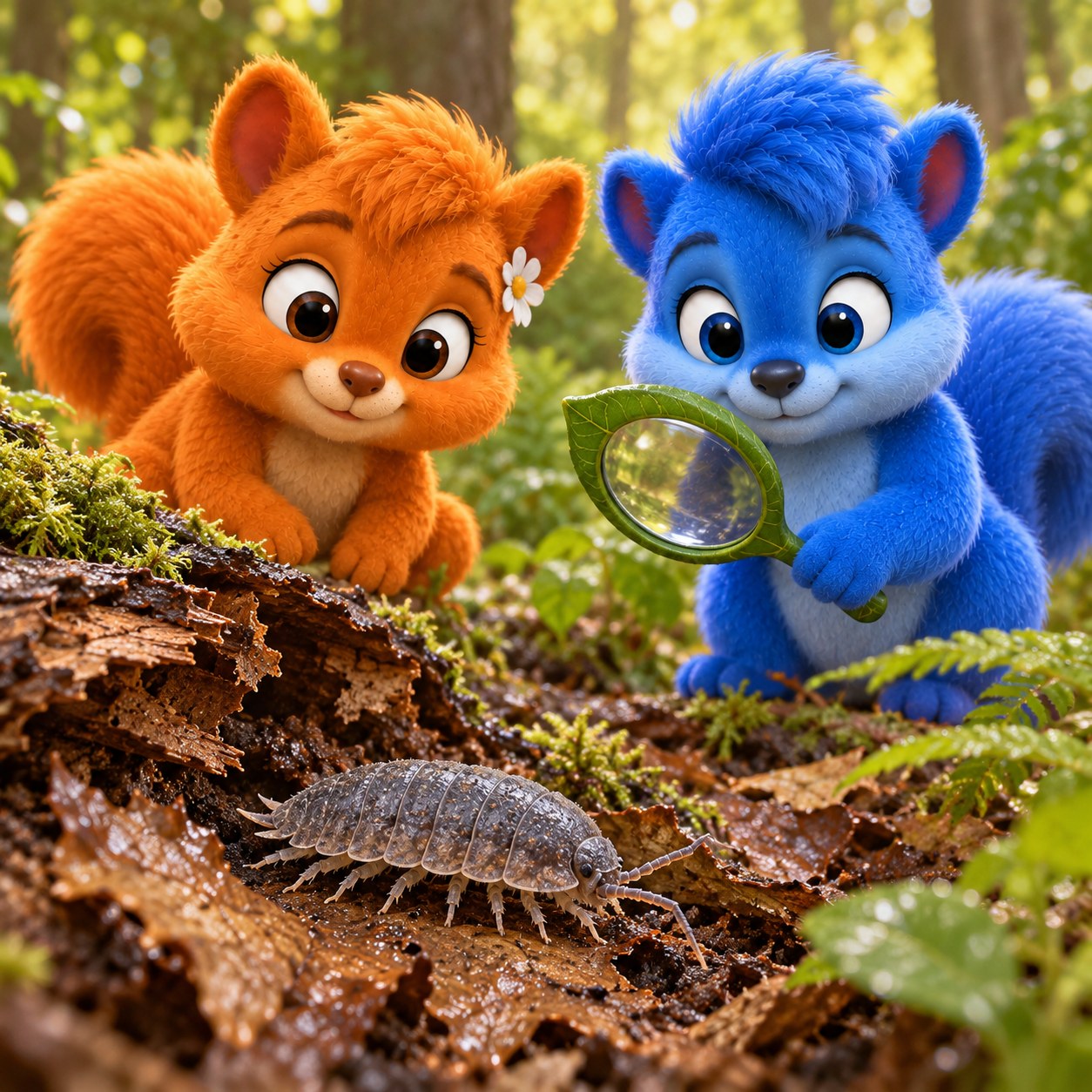
Crustacean · not an insect
Woodlice are land-living crustaceans, not insects. Adults have fourteen walking legs under segmented armour.
Open learning page →
Bees find food in flowers: sweet nectar and pollen. During visits they can carry pollen to another flower.
Open learning page →