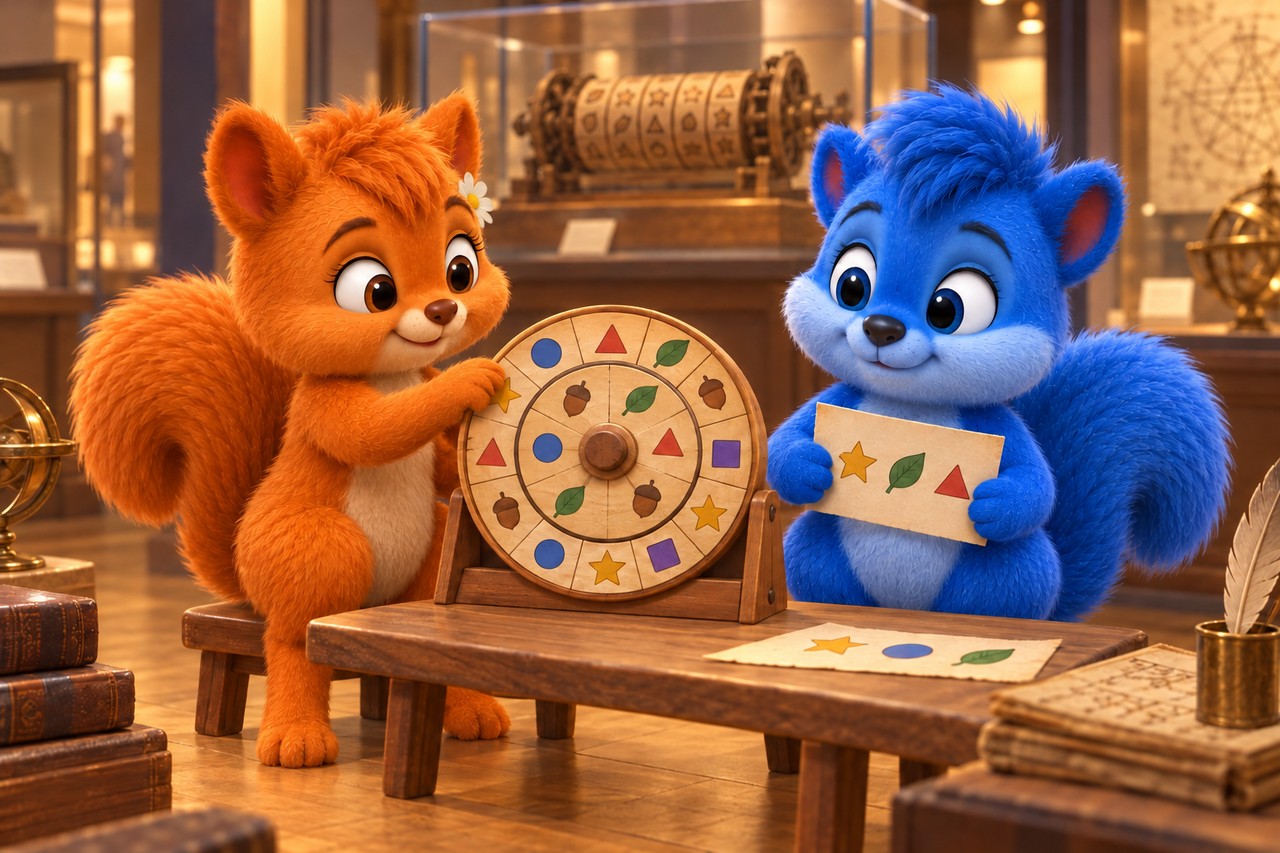
How does a message become a secret cipher?
An agreed rule changes the letters. Reversing the same rule restores the message.
Open learning page →Your choices apply to all pages in this browser.
Observe carefully, check clues and explain answers: discover puzzles and the limits of guesses.
An agreed rule changes the letters. Reversing the same rule restores the message.
Open learning page →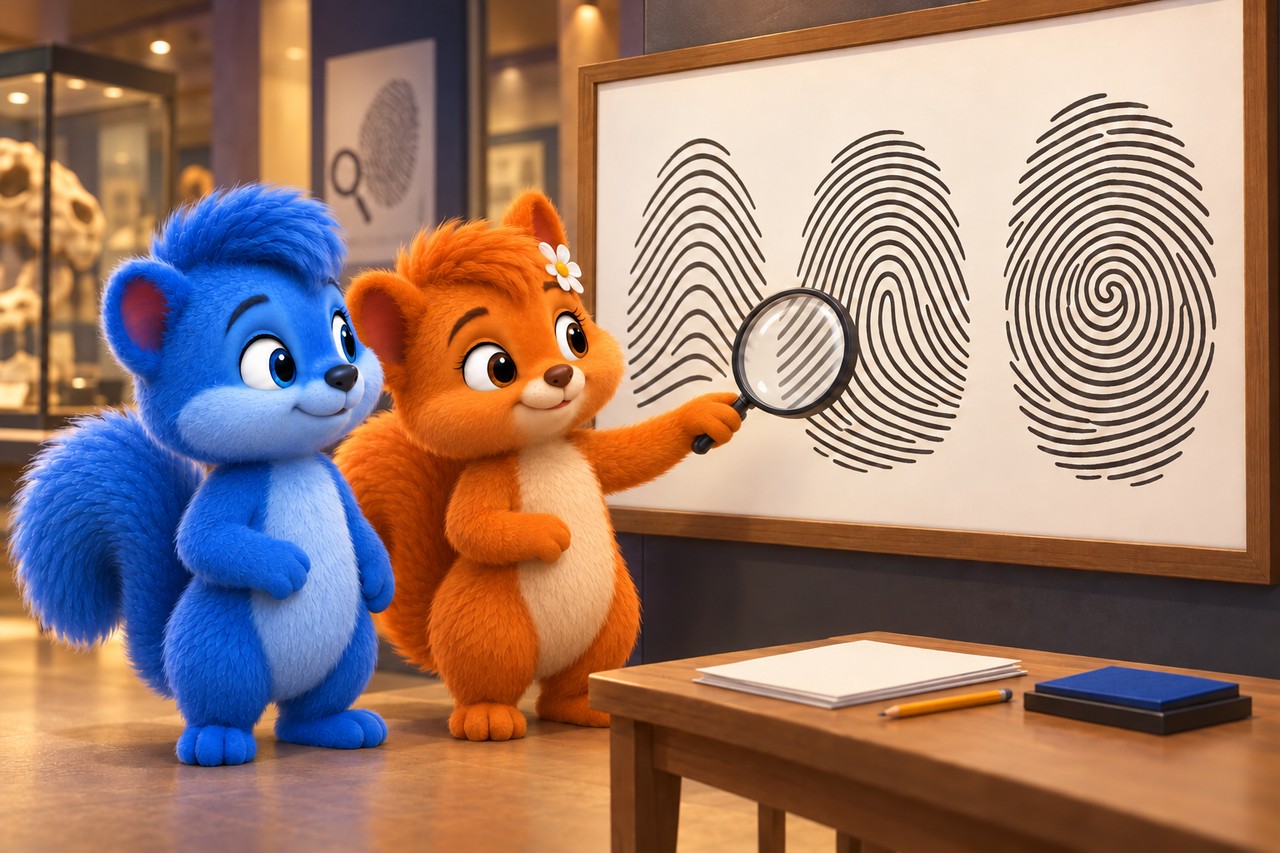
Fine skin ridges leave a pattern. Clear details matter more than a quick glance.
Open learning page →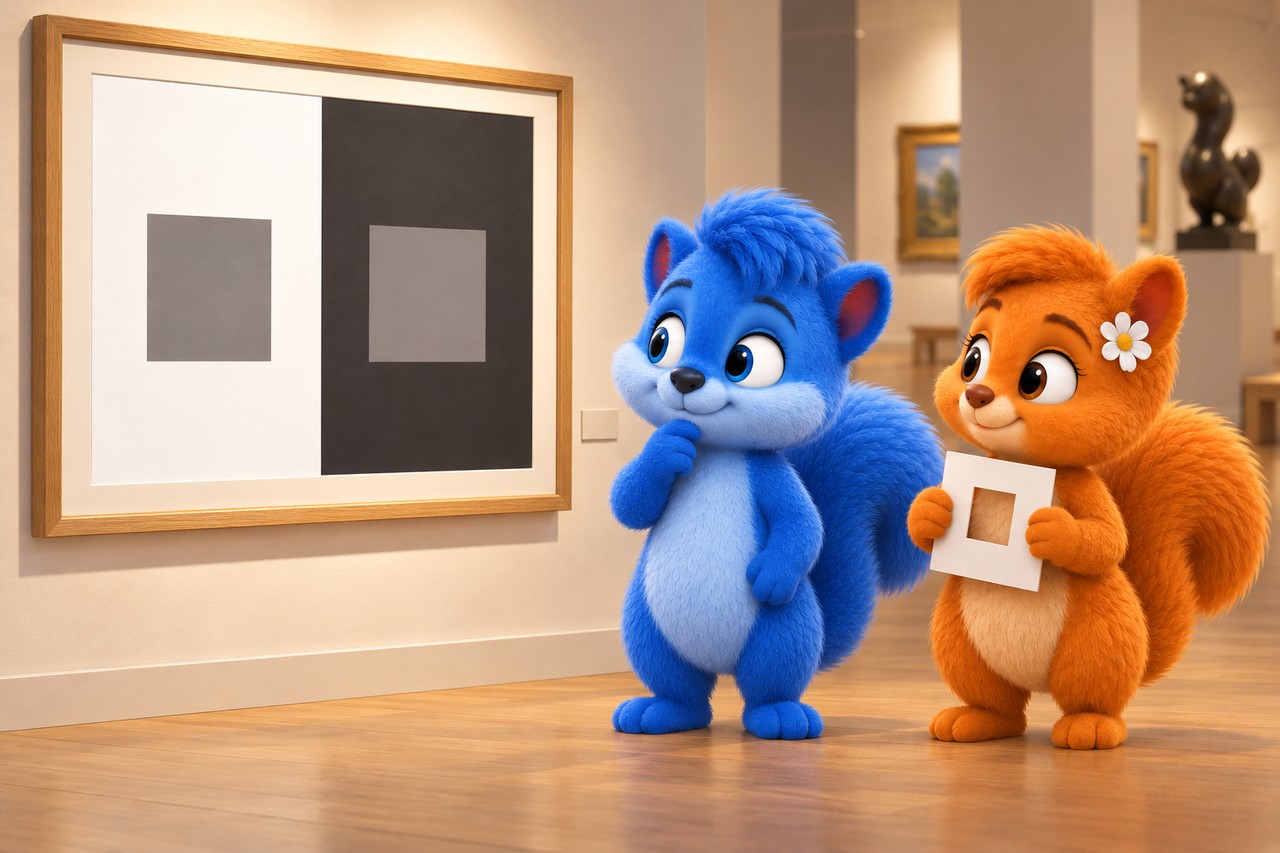
Perception takes the surroundings into account. A checkable comparison separates appearance from properties.
Open learning page →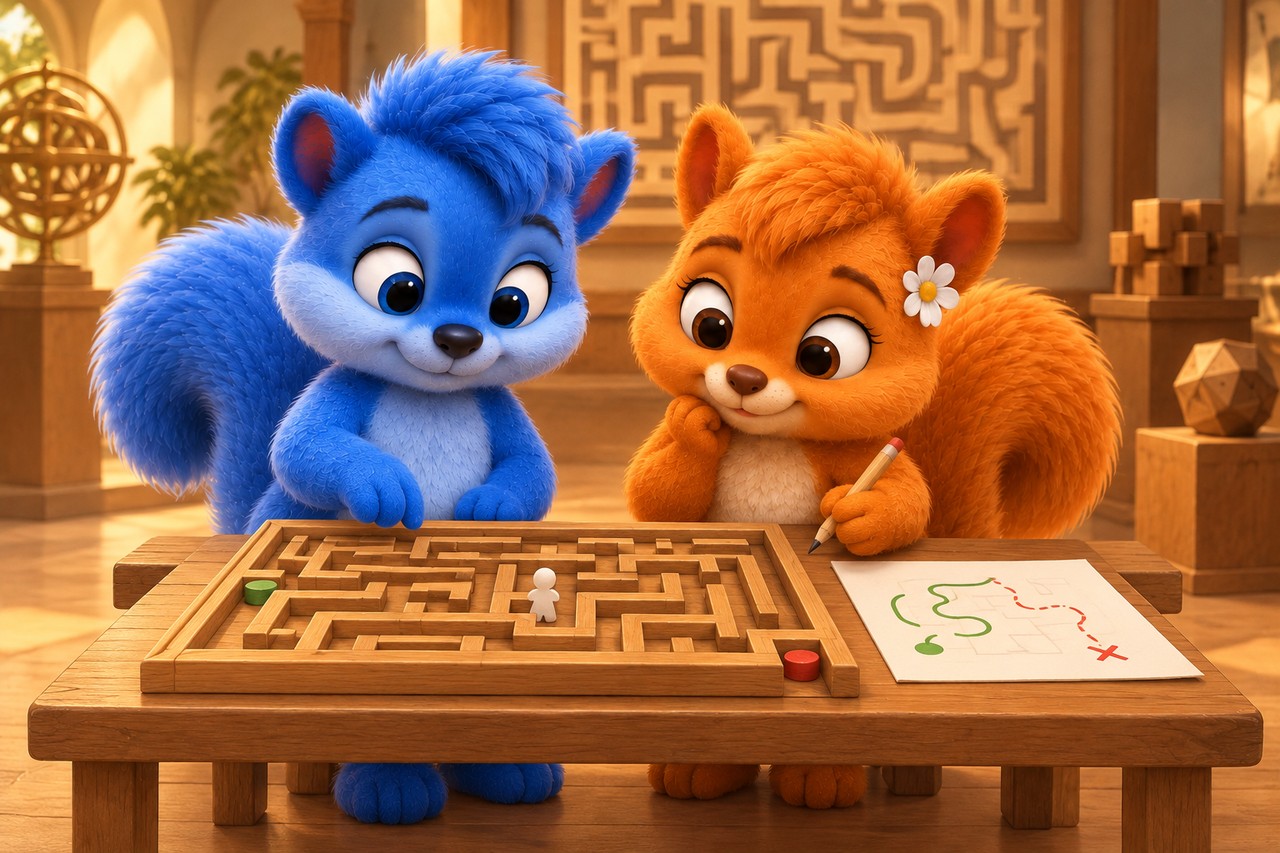
Remember junctions, test a path and return deliberately when it reaches a dead end.
Open learning page →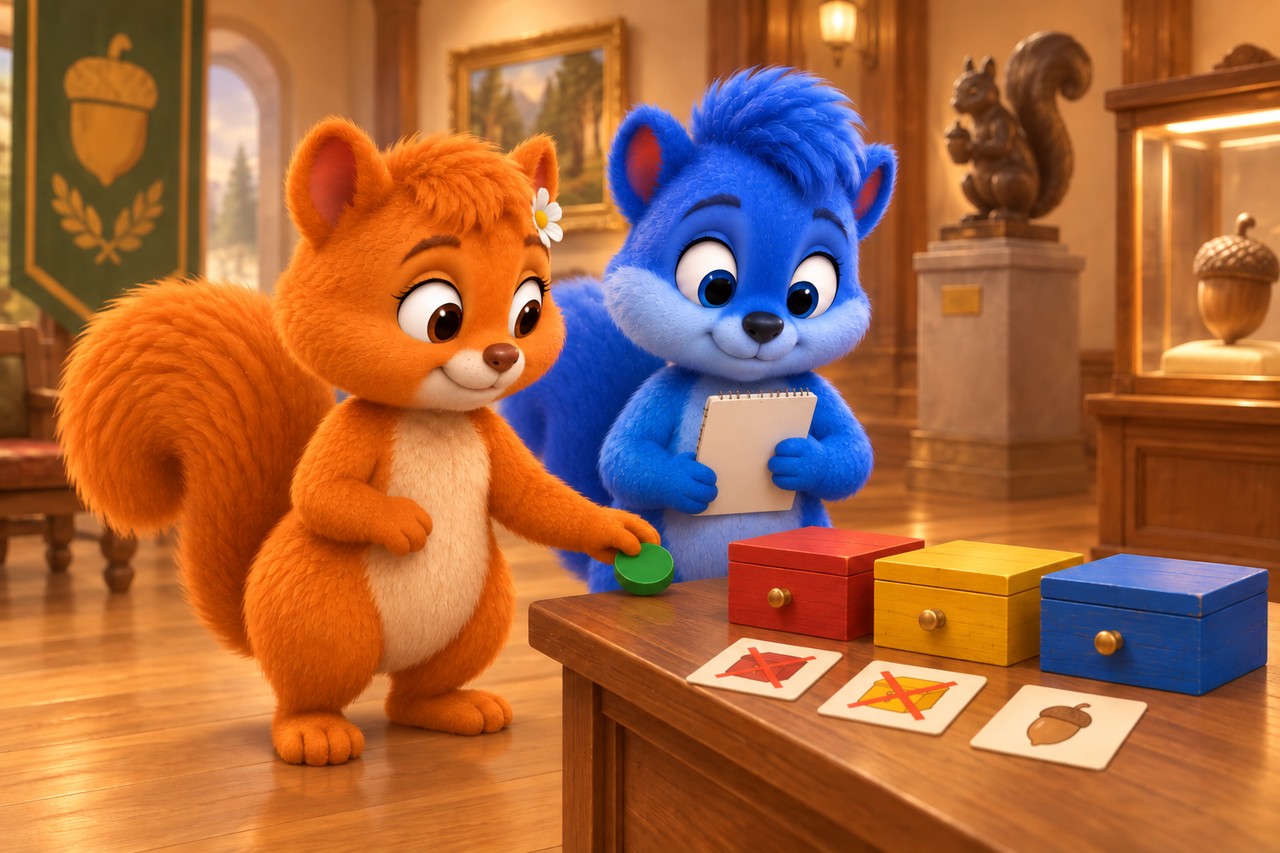
Instead of guessing, rule out possibilities. Each conclusion must fit the agreed information.
Open learning page →
Some devices amplify faint light. Others turn invisible thermal radiation into a picture.
Open learning page →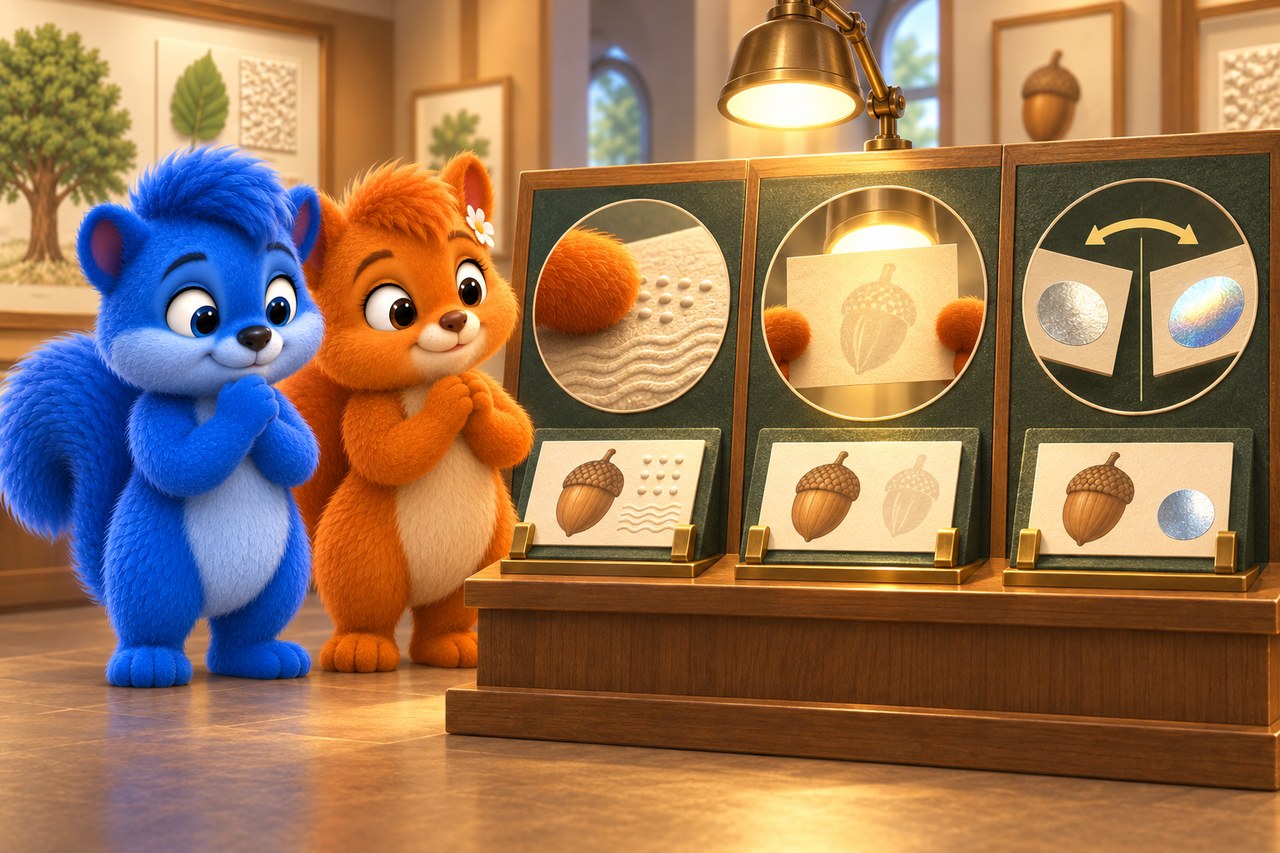
A similar picture is not enough. Several appropriate features need checking together.
Open learning page →
An exciting tale does not prove mysterious forces. Ask for comparable numbers and checkable circumstances.
Open learning page →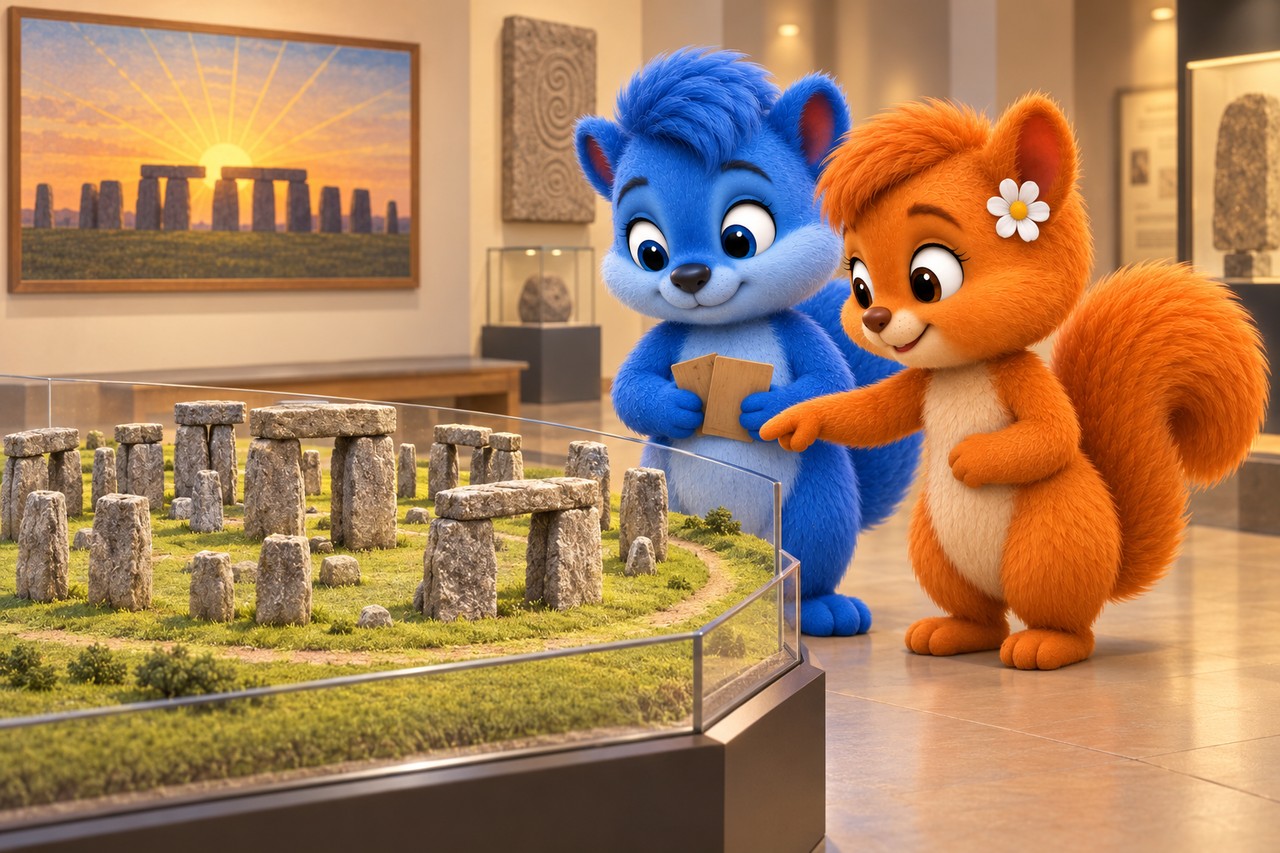
A structure preserves traces of human work. Some directions fit the Sun, but we do not know all the builders’ thoughts.
Open learning page →
Machu Picchu shows Inca buildings and terraces. Stepped surfaces make a slope usable differently from one continuous incline.
Open learning page →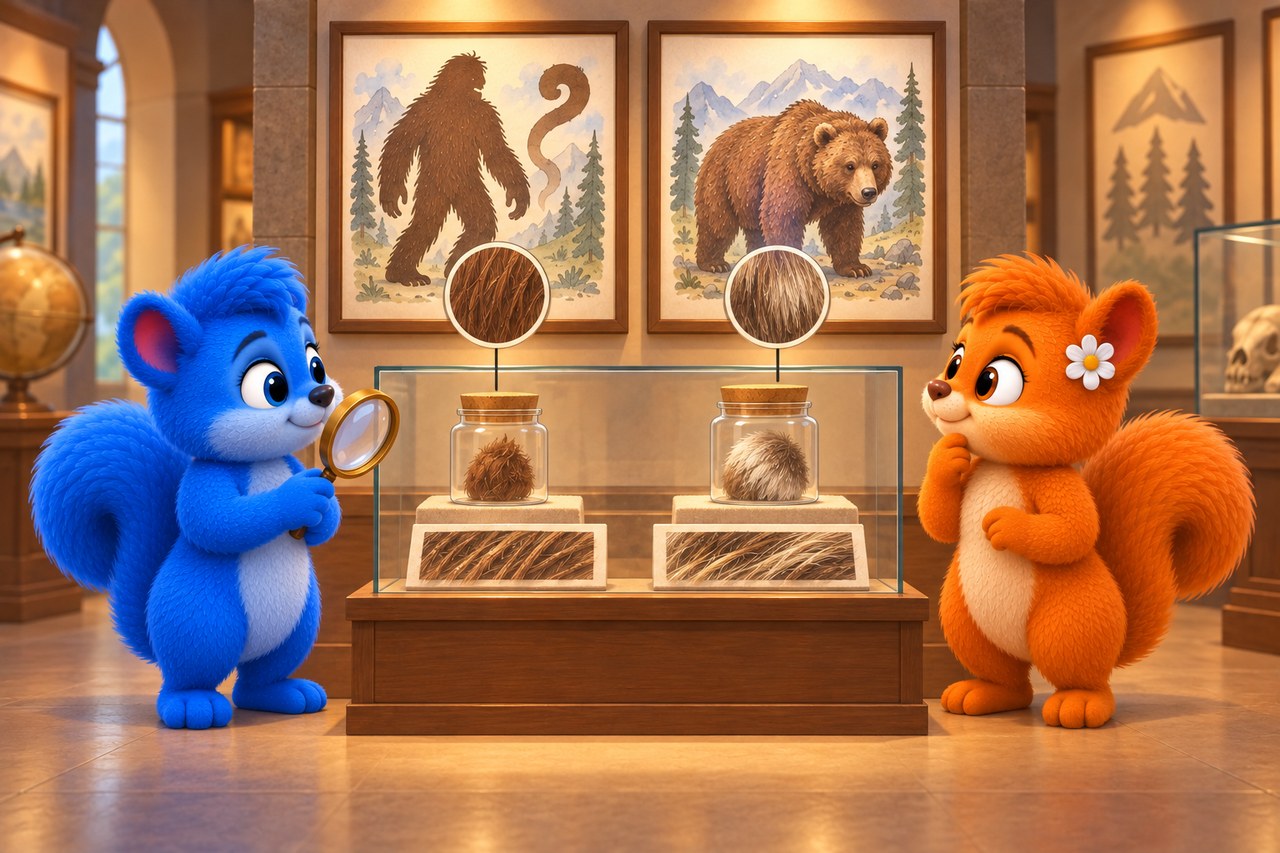
A drawing, a sample and its examination are different things. Good research also explains what a result cannot tell us.
Open learning page →