
Fungus
Discover turkey-tail fungi
Thin fan-shaped fungal parts grow from wood, often overlapping, with curved colour bands. These visible parts are fruiting bodies; many fungal threads stay hidden in the wood.
Open learning page →Your choices apply to all pages in this browser.
12 discoveries with Puschel and Flauschi.
Twelve woodland fungi show different shapes and roles. The order is only a rough guide to what may be noticed; season and habitat matter.
Fungus
Thin fan-shaped fungal parts grow from wood, often overlapping, with curved colour bands. These visible parts are fruiting bodies; many fungal threads stay hidden in the wood.
Open learning page →
Fungus
A tinder fungus has a hard hoof-shaped fruiting body on a trunk. Tiny openings underneath are pores.
Open learning page →
Fungus
Pale spots on a fly agaric's red cap are remnants of an earlier covering. They may be missing.
Open learning page →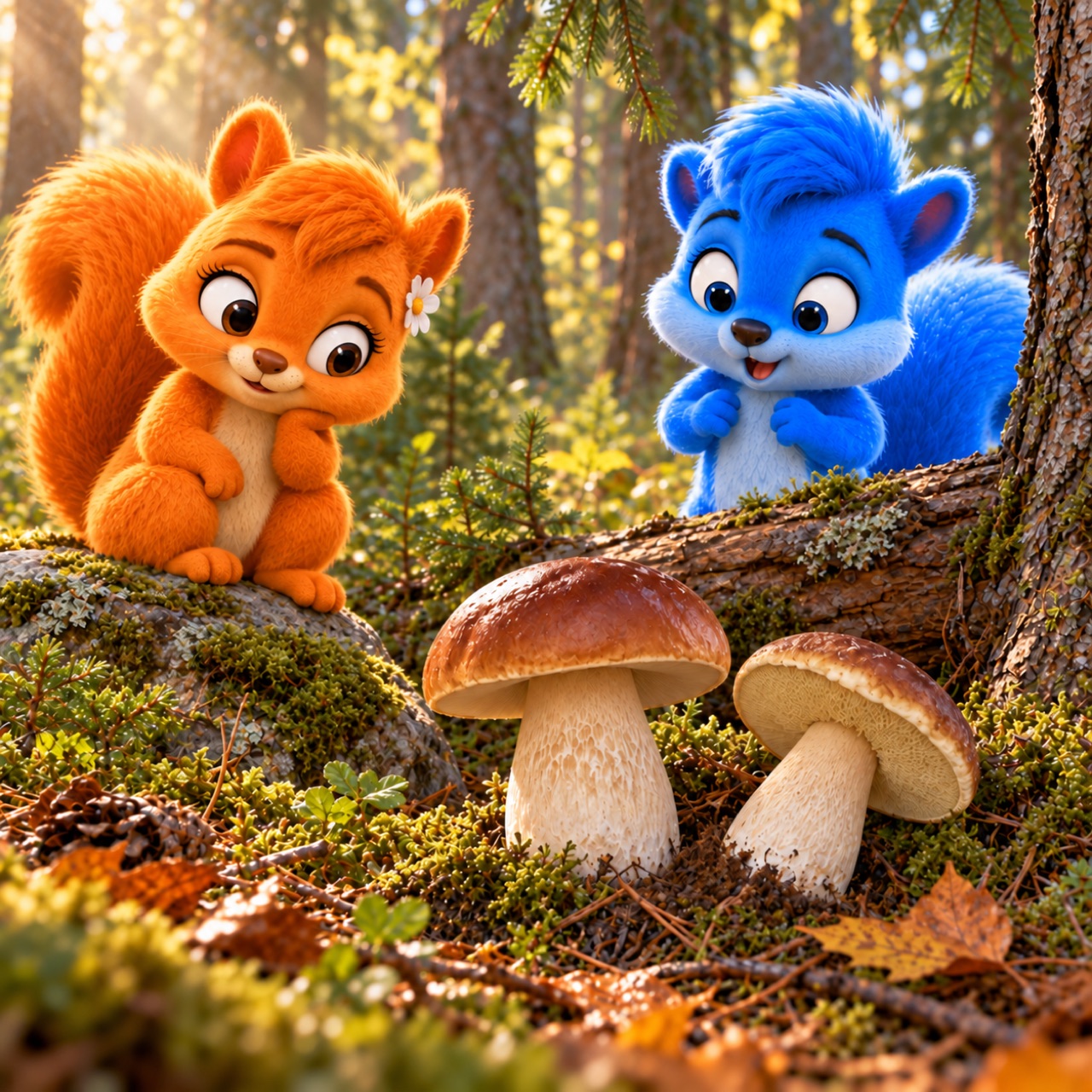
Fungus
A stout stem and usually brown cap are clues. Under the cap are many tiny tube openings rather than thin gills.
Open learning page →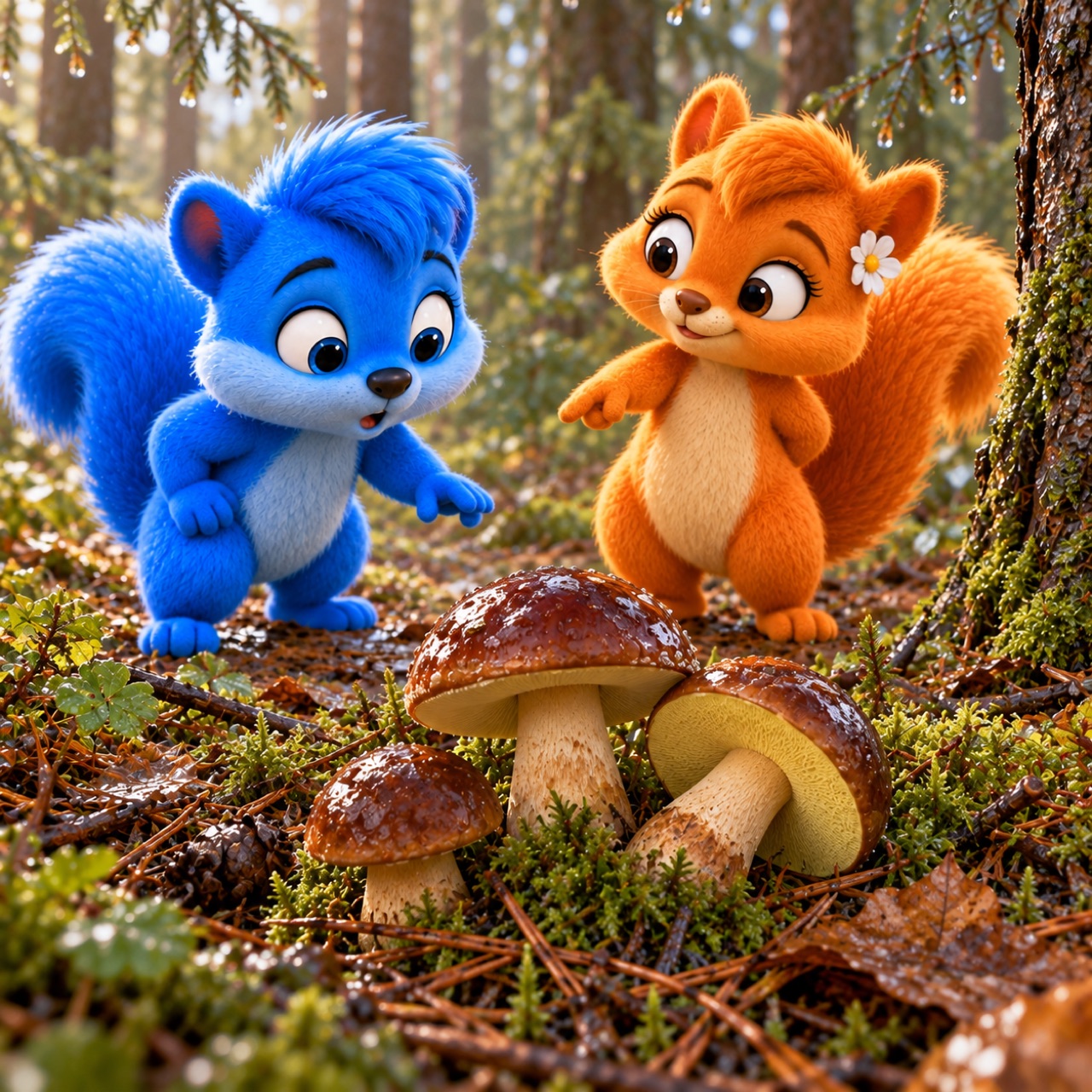
Fungus
Bay bolete has a chestnut-brown cap with many tiny tube openings underneath. Those clues alone do not ensure identification.
Open learning page →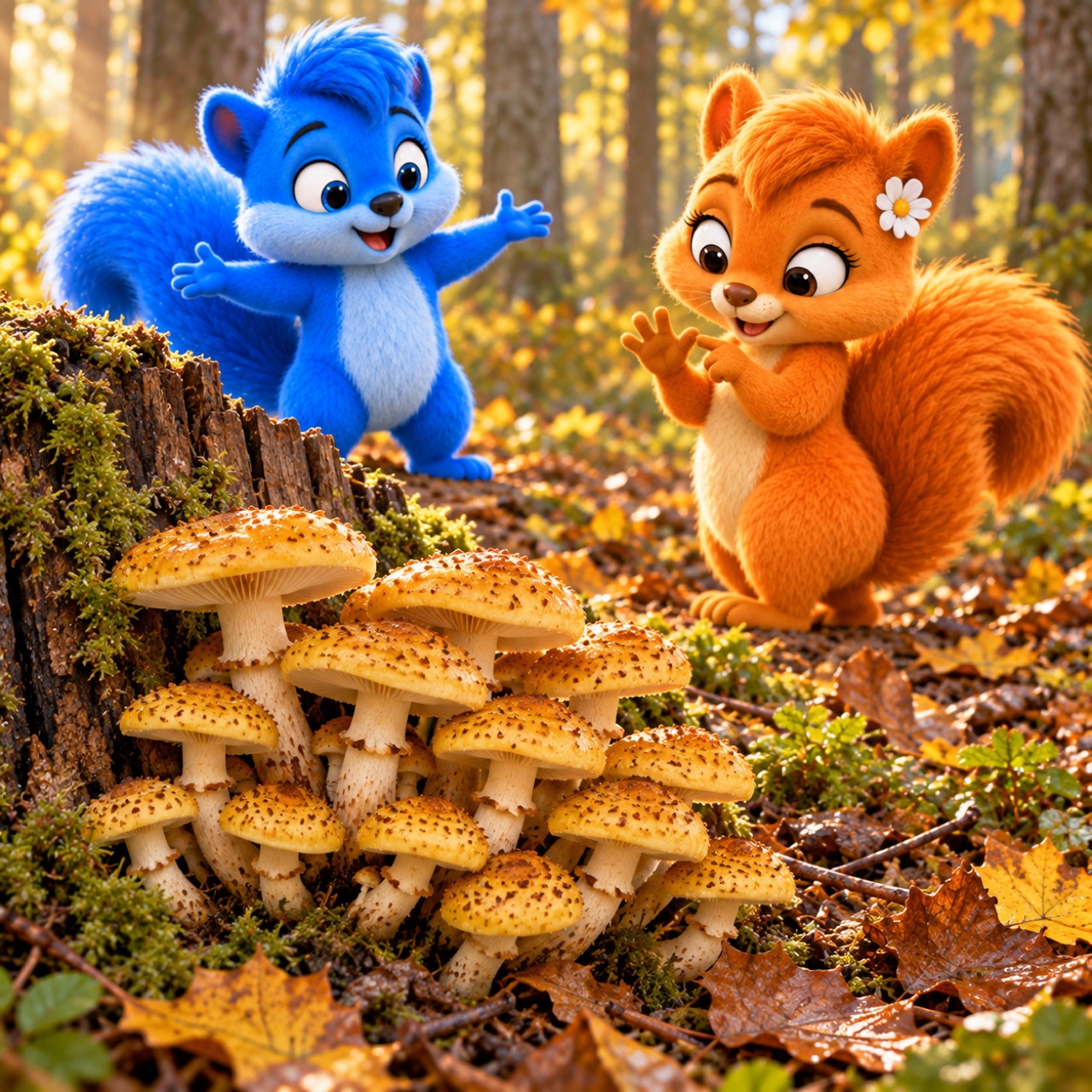
Fungus
Honey fungus often forms groups of fruiting bodies on wood. Its fine threads can break down wood and damage living trees.
Open learning page →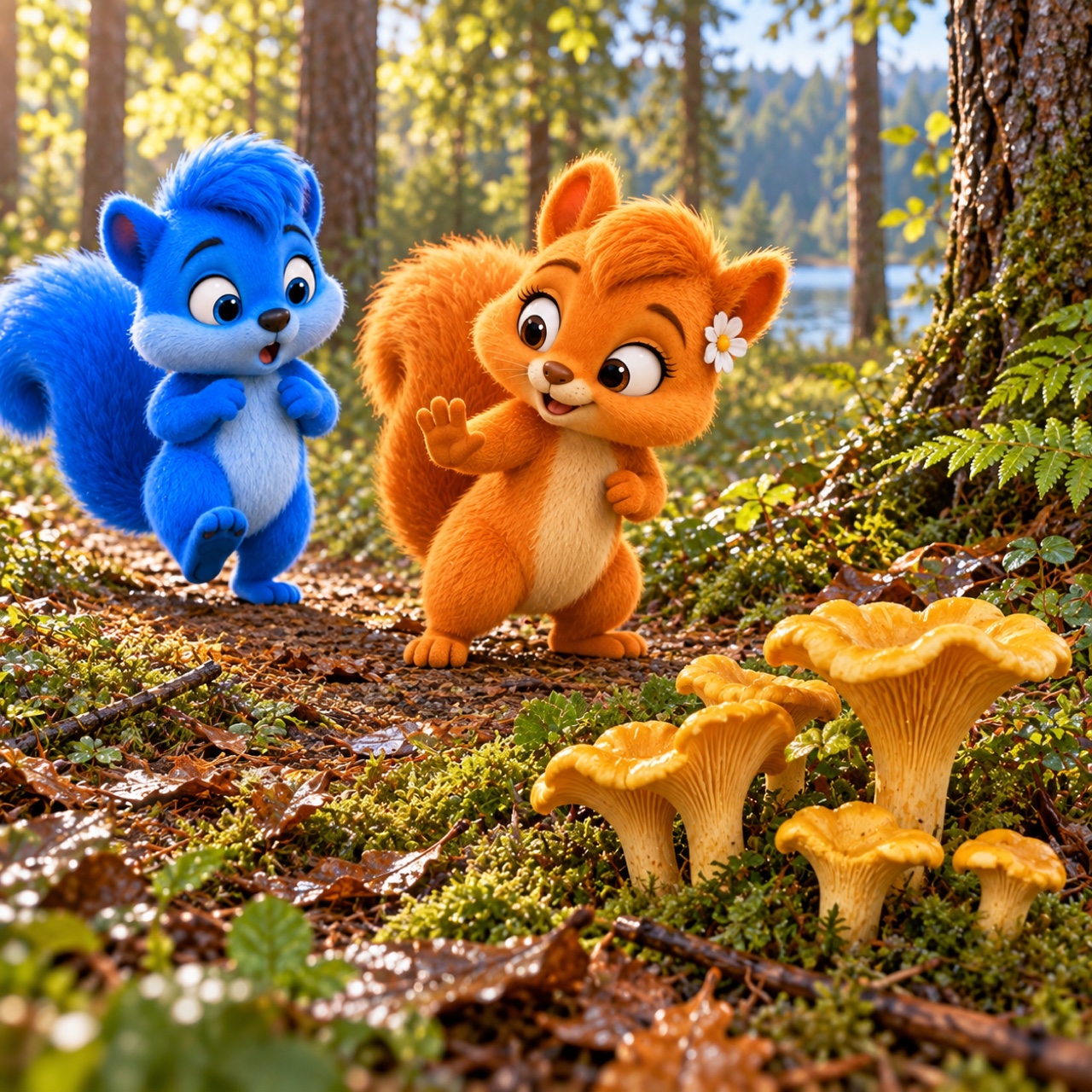
Fungus
Chanterelles may have yellow wavy caps. Blunt folds called ridges run down towards the stem underneath.
Open learning page →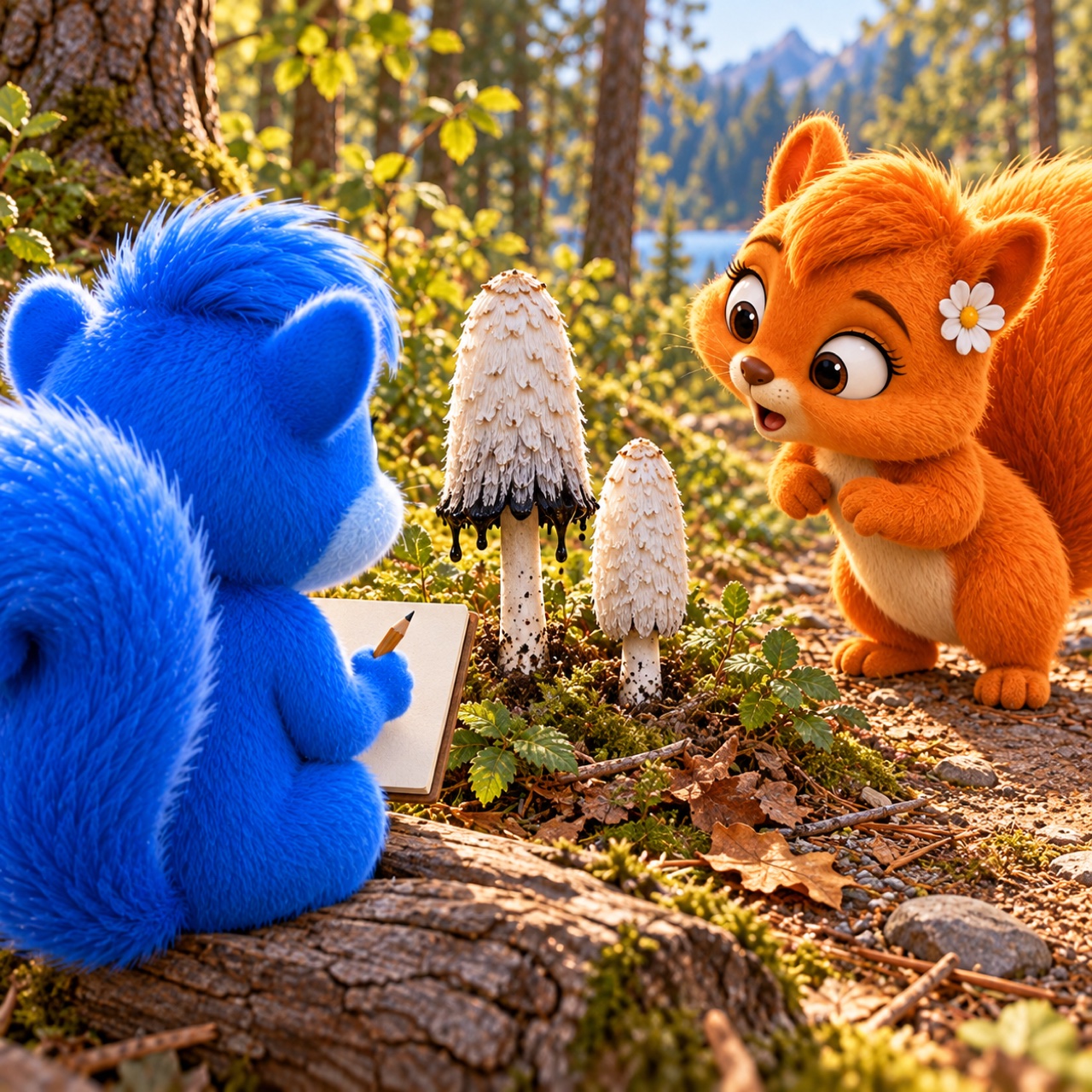
Fungus
Young shaggy inkcaps have elongated white caps with raised scales. As they age they darken and may dissolve.
Open learning page →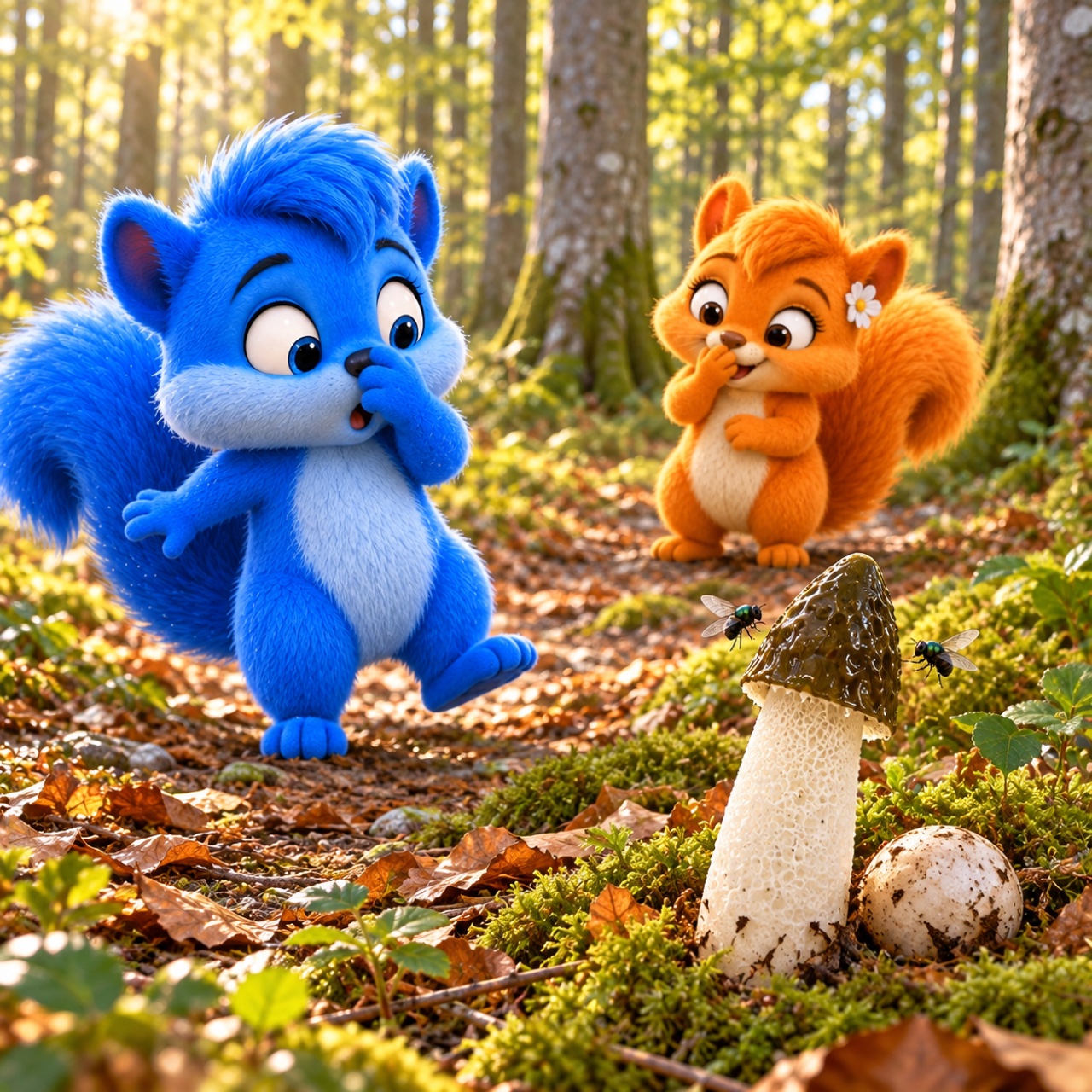
Fungus
A stinkhorn begins inside a round covering sometimes called a witch's egg. Later its smell attracts flies, which can carry spores away.
Open learning page →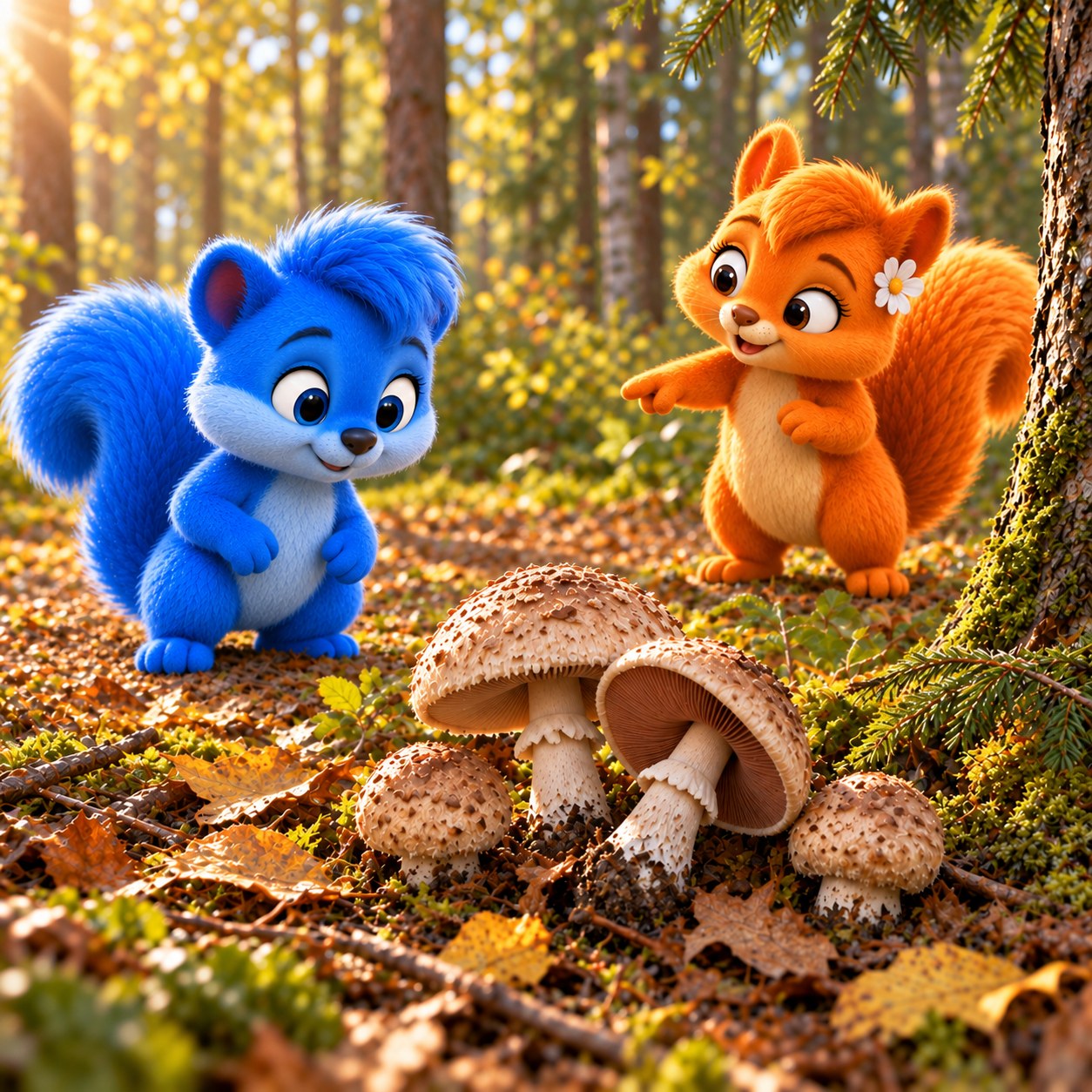
Fungus
Brown scales may cover a wood mushroom's cap. Thin blade-like gills underneath darken with age.
Open learning page →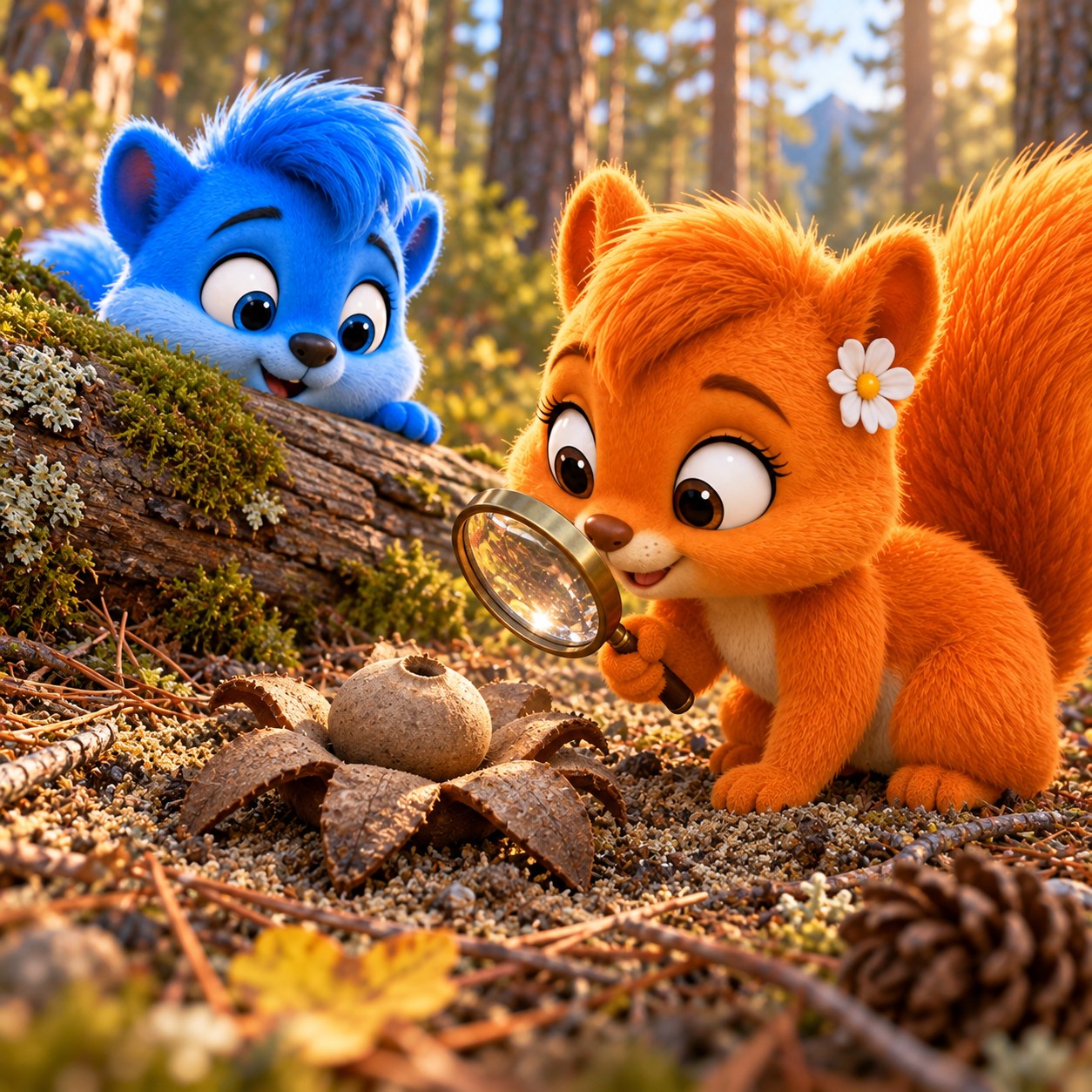
Fungus
An earthstar has star-shaped arms around a round spore sac. Humid air makes the arms spread; dry conditions close them.
Open learning page →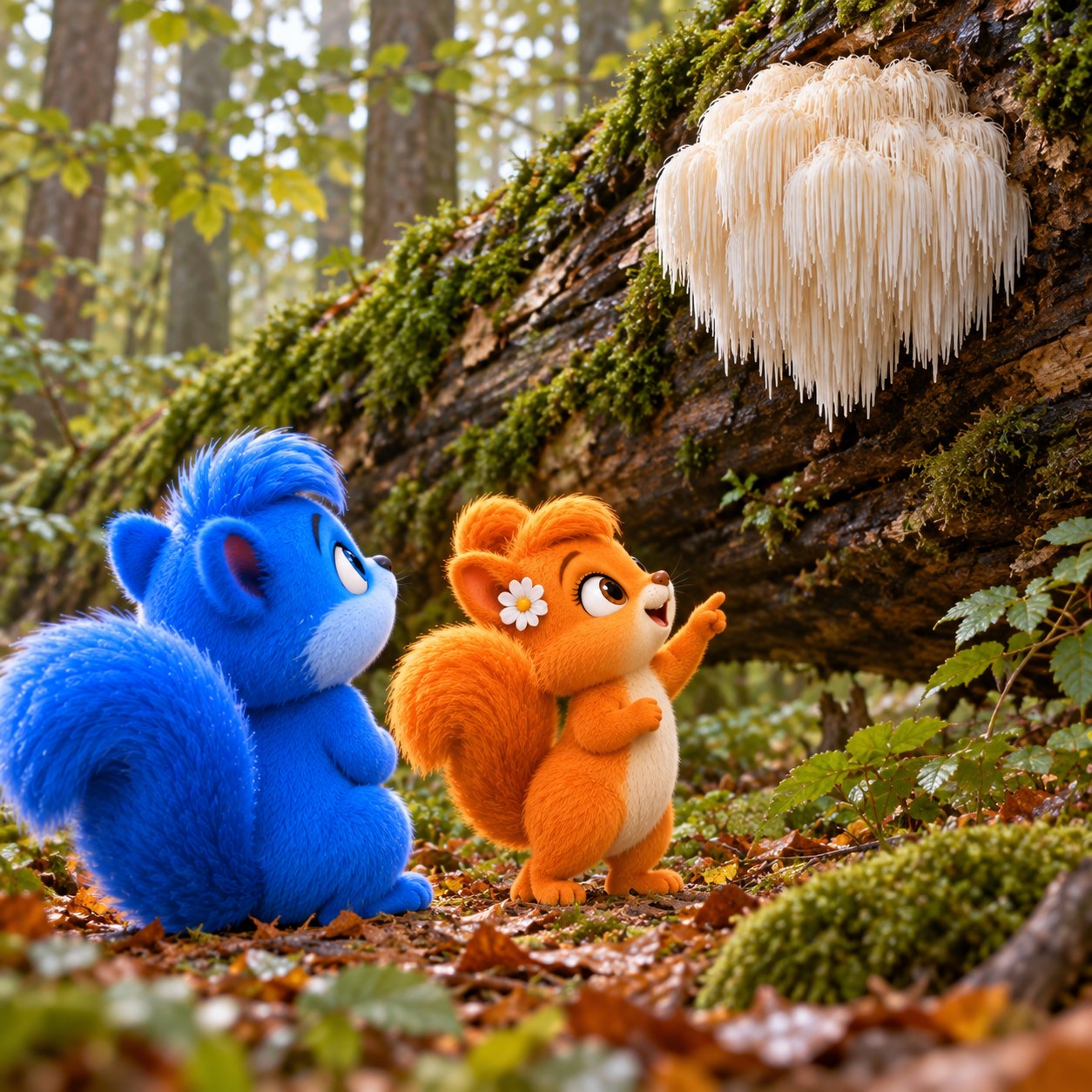
Fungus
Lion's mane fungus grows on broadleaf wood and has long hanging spines. They belong to its fruiting body, the visible fungal part.
Open learning page →