
How does a compass find its direction?
A freely moving magnetic needle helps us orient ourselves. Discover why north, the direction you face and a safe route are different things.
Open learning page →Your choices apply to all pages in this browser.
Observe outdoors, understand routes and plan safe ideas with adults. Models explain connections; the advice protects people, animals and plants.
A freely moving magnetic needle helps us orient ourselves. Discover why north, the direction you face and a safe route are different things.
Open learning page →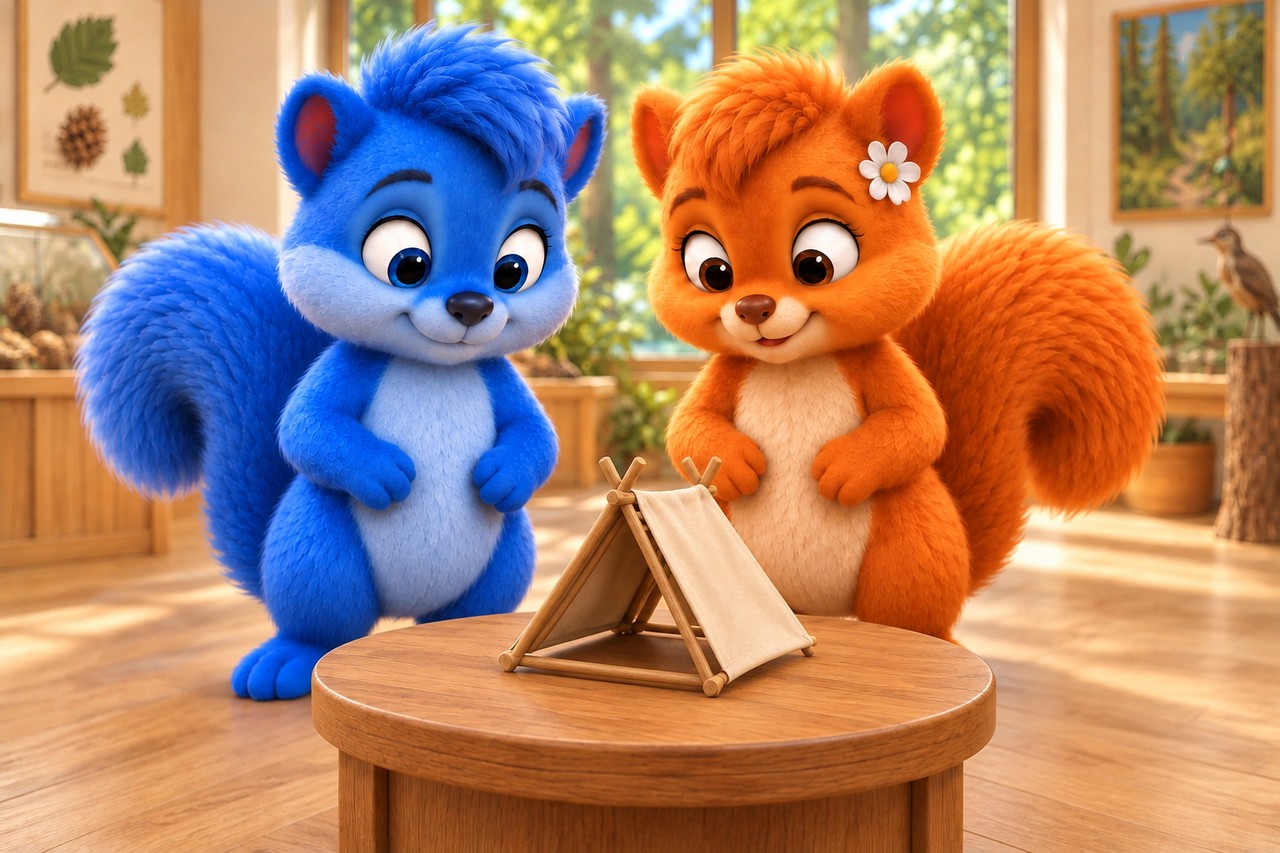
Explore a model to distinguish a supporting frame from a roof covering — and discover why a triangle can help stabilize a frame.
Open learning page →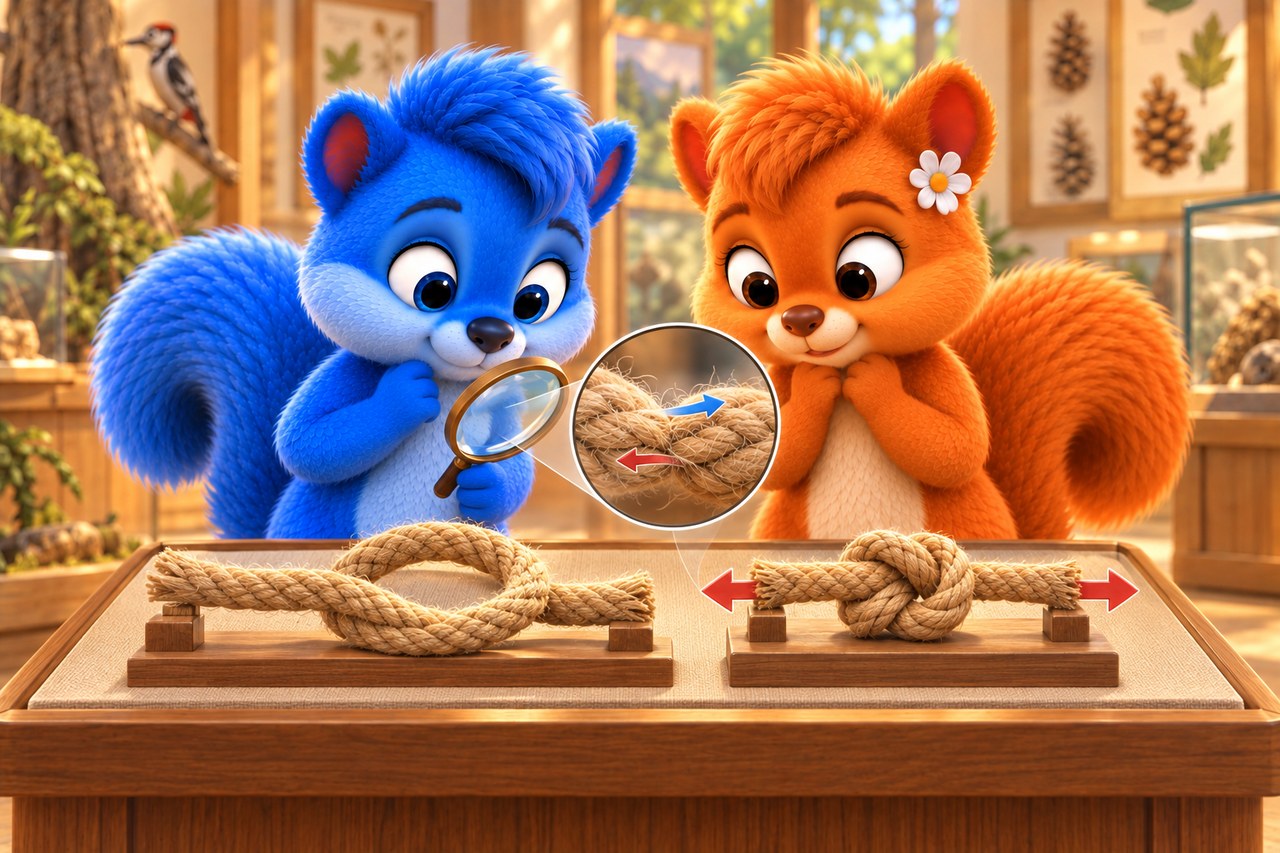
Follow a cord’s path and discover how contact, friction and the chosen shape work together.
Open learning page →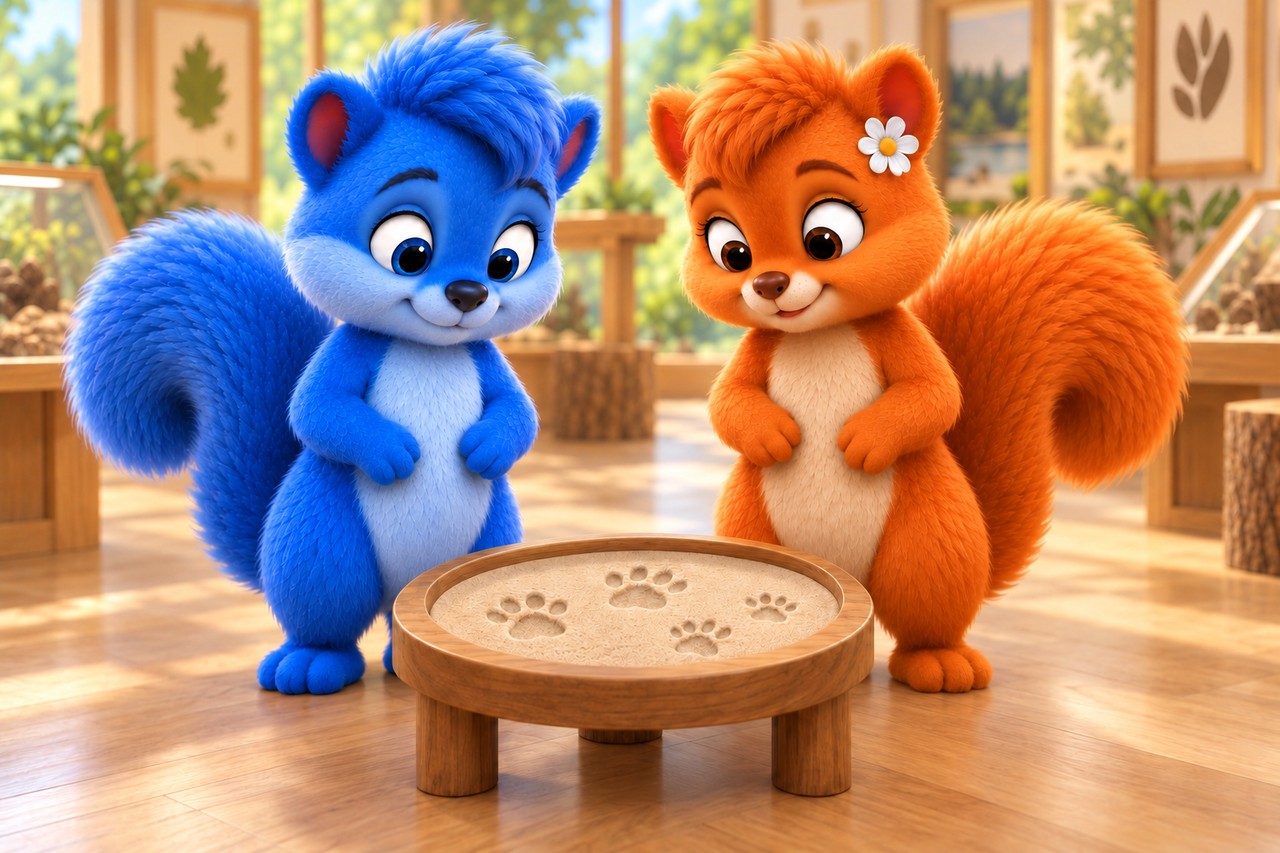
A print is a clue. Compare visible features and learn to distinguish observations from guesses.
Open learning page →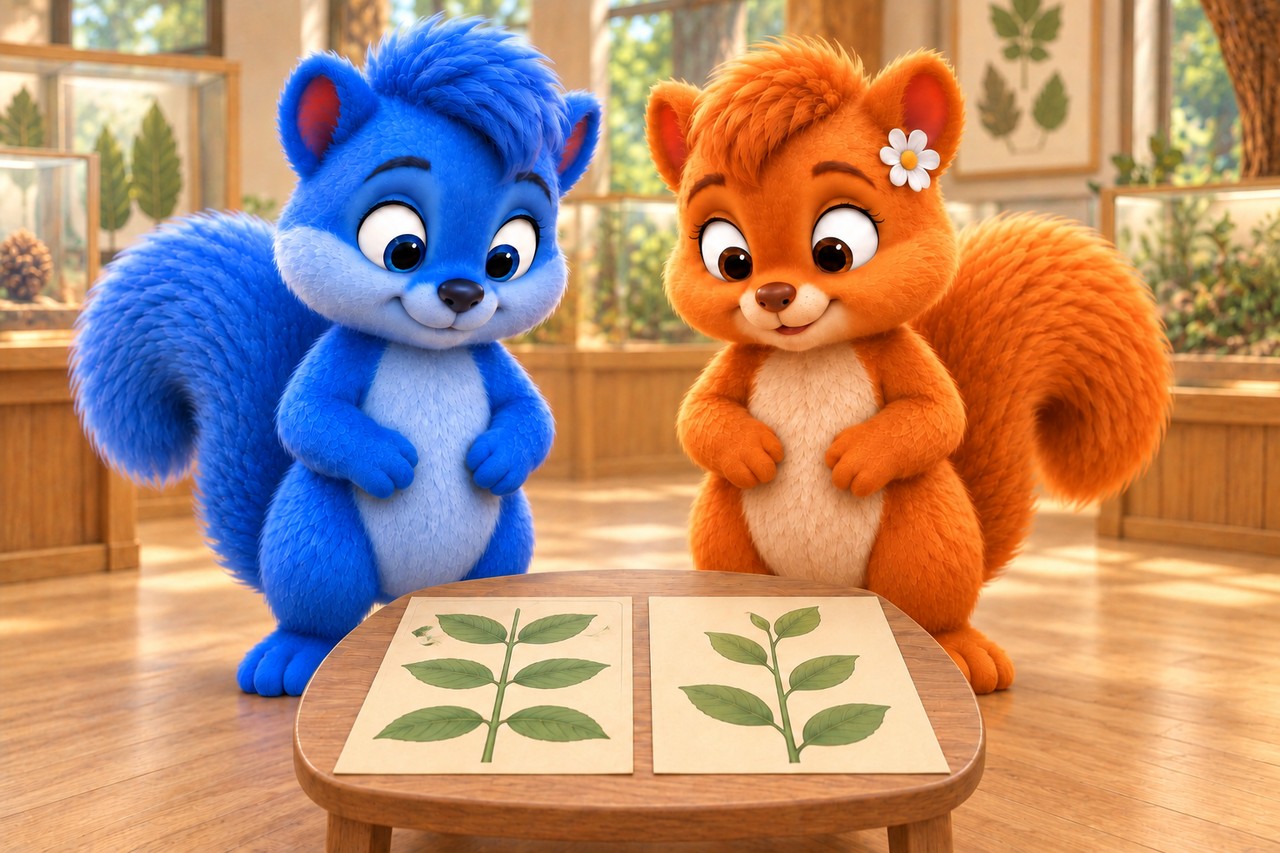
Explore leaf shape, edges and arrangement — and why a similar leaf does not mean a reliable identification.
Open learning page →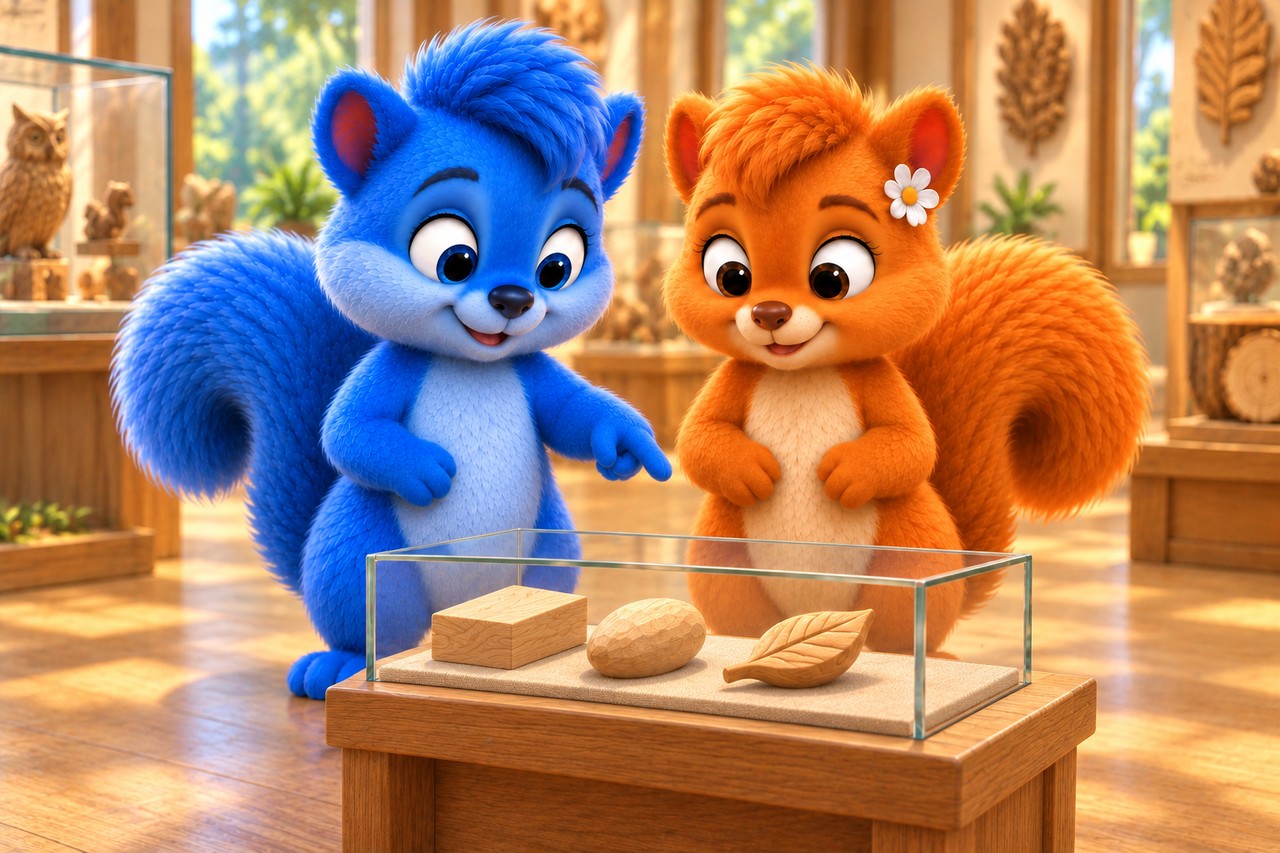
Explore the difference between removing and adding material — without using a blade yourself.
Open learning page →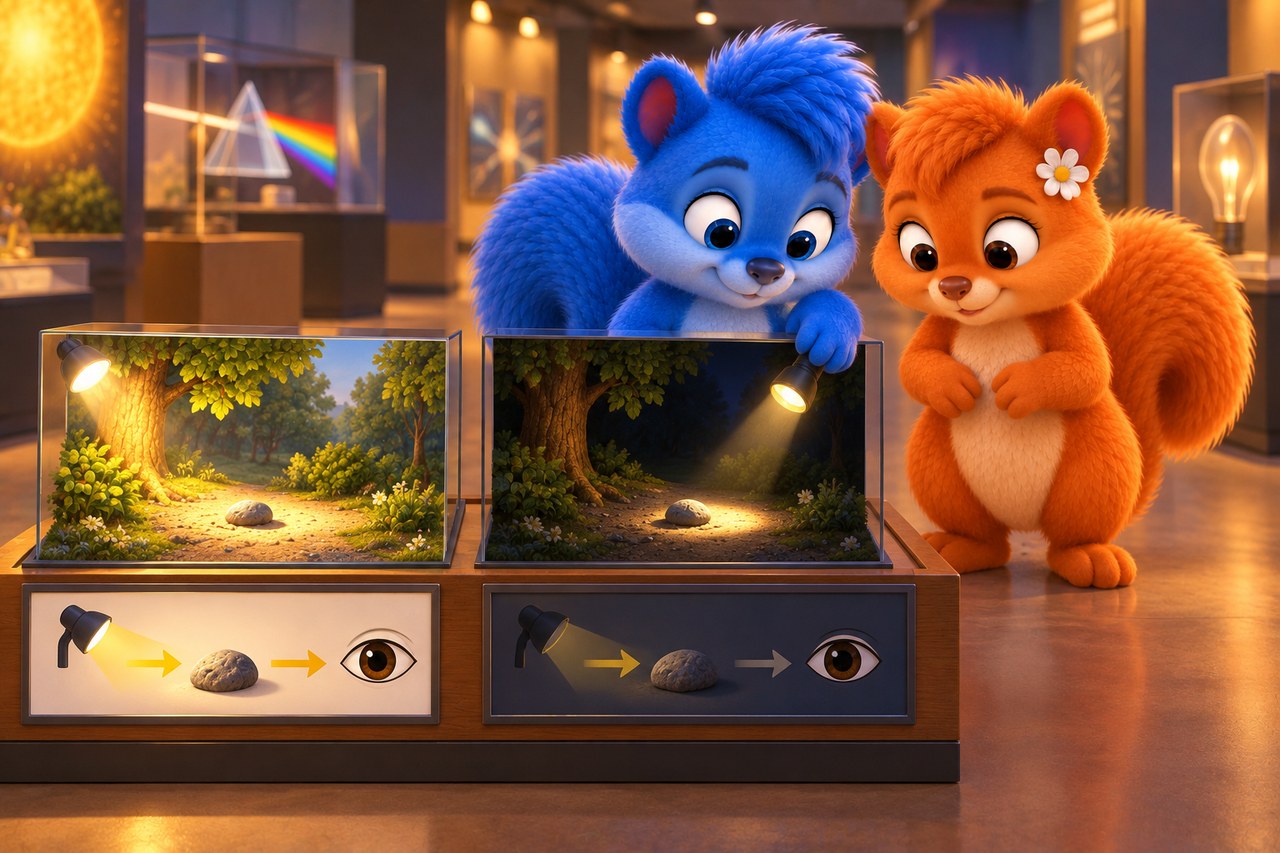
Less light changes what we can recognise. Discover why eyes need light and night walks need careful planning.
Open learning page →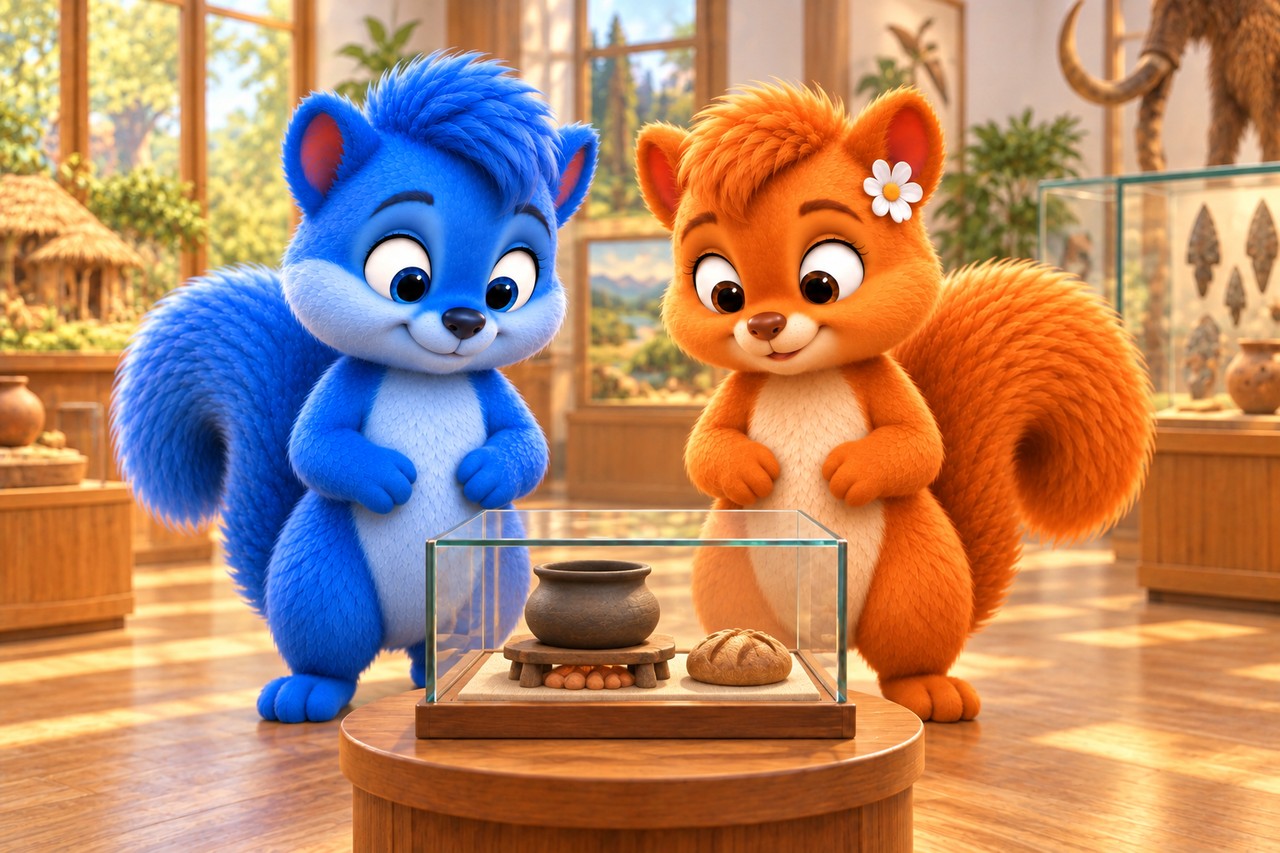
Heat can transfer through material, moving air and radiation. Hygiene and thorough cooking also belong to campfire cooking.
Open learning page →
Getting help is already helping. Discover why an accurate location and listening matter during an emergency call.
Open learning page →
A shared search game links hidden containers with locations. Discover why coordinates help orientation but promise no safe route.
Open learning page →